
CLUB PROMOTER TO FINANCE ENTREPRENEUR WITH NICK REGINA | E073 PODCAST
LISTEN TO THIS EPISODE




ABOUT THE GUEST
Nick Regina is a Toronto-based entrepreneur, investor, and the founder of Spark Financial Group. Known for his ability to build communities and connect people, Nick first made his mark in Toronto’s nightlife industry where he created one of the city’s largest promotion networks, helping venues grow their brands and consistently drive large audiences.
After years in hospitality and entertainment, Nick transitioned into the financial sector, launching Spark Financial Group to help entrepreneurs, investors, and families build smarter financial strategies and long-term wealth.
Today, Nick is also recognized for his work in mentorship, philanthropy, and faith-driven leadership. Through his platform and charitable initiatives, he speaks openly about discipline, purpose, family, and giving back to the community.
Nick’s Instagram: https://www.instagram.com/nickregina/
Nick’s LinkedIn: https://www.linkedin.com/in/nicholas-regina/
Nick’s Website: https://sparkfinancialgroup.ca
George Stroumboulis sits down with Nick Regina, a Toronto entrepreneur who rose from the nightclub promotion world to become the founder of Spark Financial Group. Filmed in Newport Beach, they explore his journey through nightlife, entrepreneurship, finance, faith, and the discipline required to reinvent yourself and build lasting success.
“Your network is your business - if you don’t nurture it, you don’t have one.”
MEDIA RELATED TO THE EPISODE
George Stroumboulis sits down with Nick Regina, a Toronto entrepreneur who built his reputation in the nightclub promotion world before transitioning into finance and founding Spark Financial Group. Filmed in Newport Beach, they explore his journey through nightlife, business reinvention, faith, and the mindset behind building long-term success.
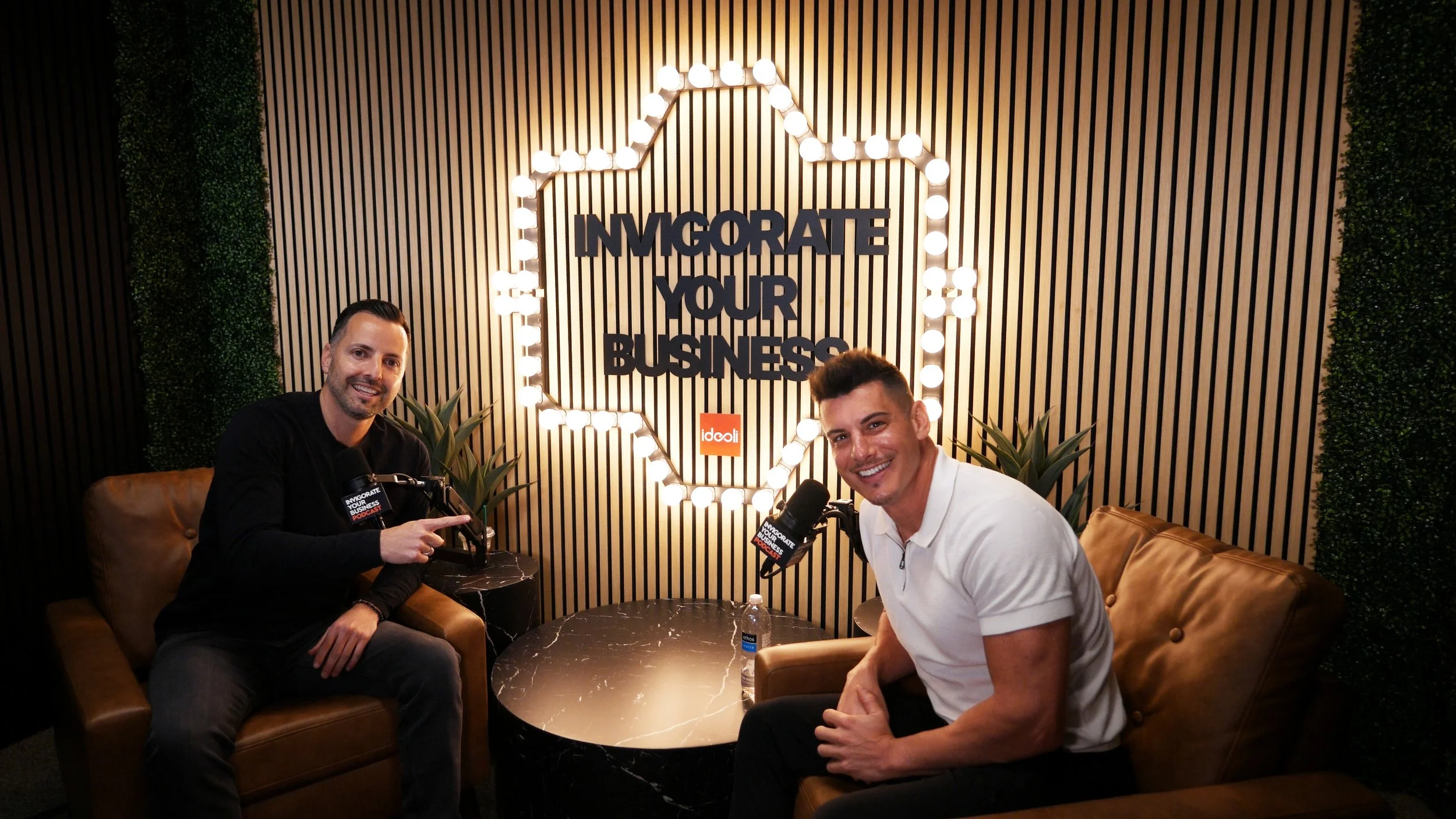
George Stroumboulis sits down with Nick Regina, a Toronto-based entrepreneur who went from promoting nightclubs to building a financial services company. Filmed in Newport Beach, they discuss entrepreneurship, the realities of the nightlife industry, financial discipline, and the role faith plays in leadership and life.
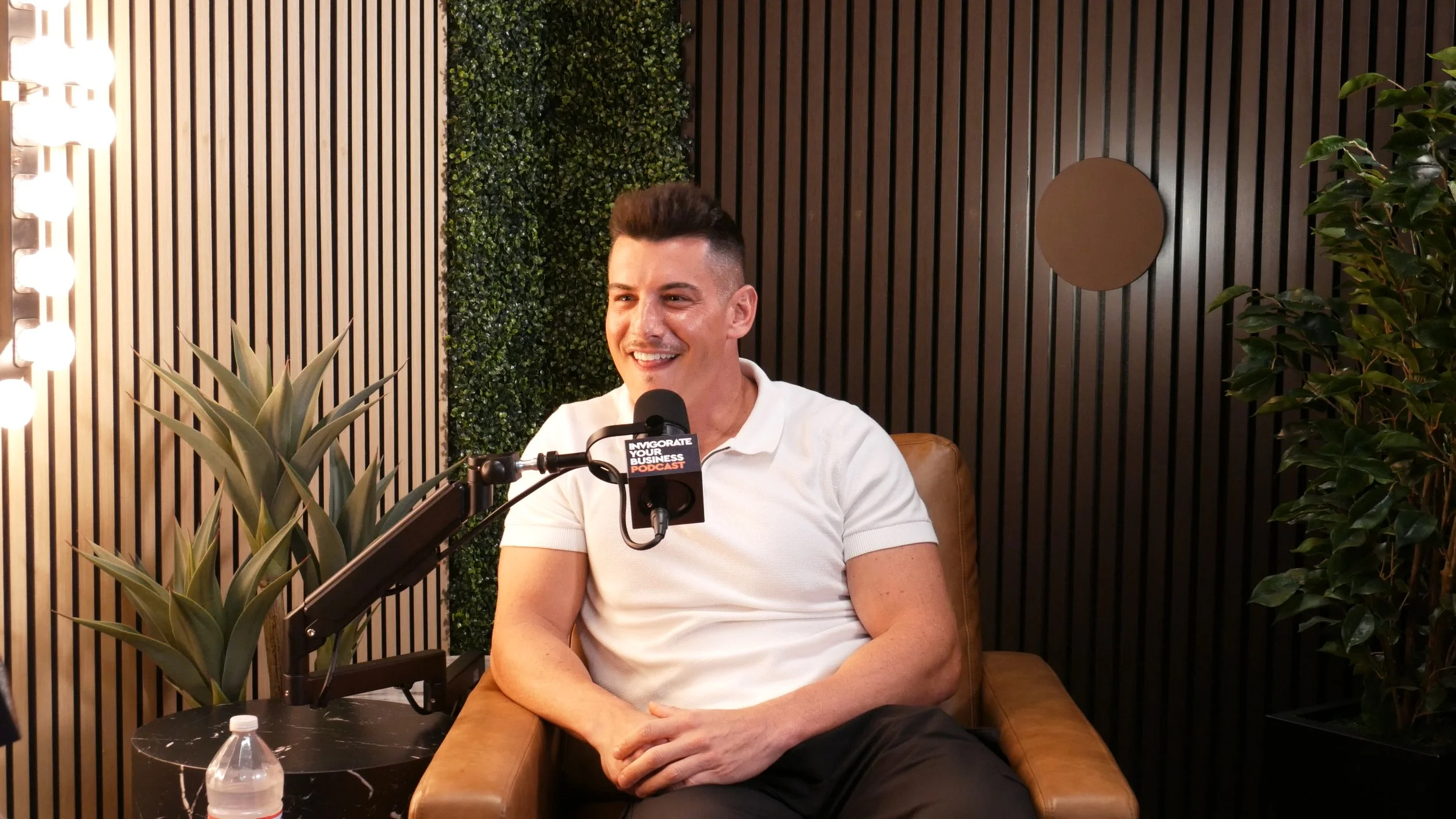
George Stroumboulis sits down with Nick Regina, a Toronto entrepreneur known for his early success in nightclub promotion and his later pivot into finance. Filmed in Newport Beach, they explore the transition from nightlife to wealth management, and how discipline, faith, and relationships shaped his path.
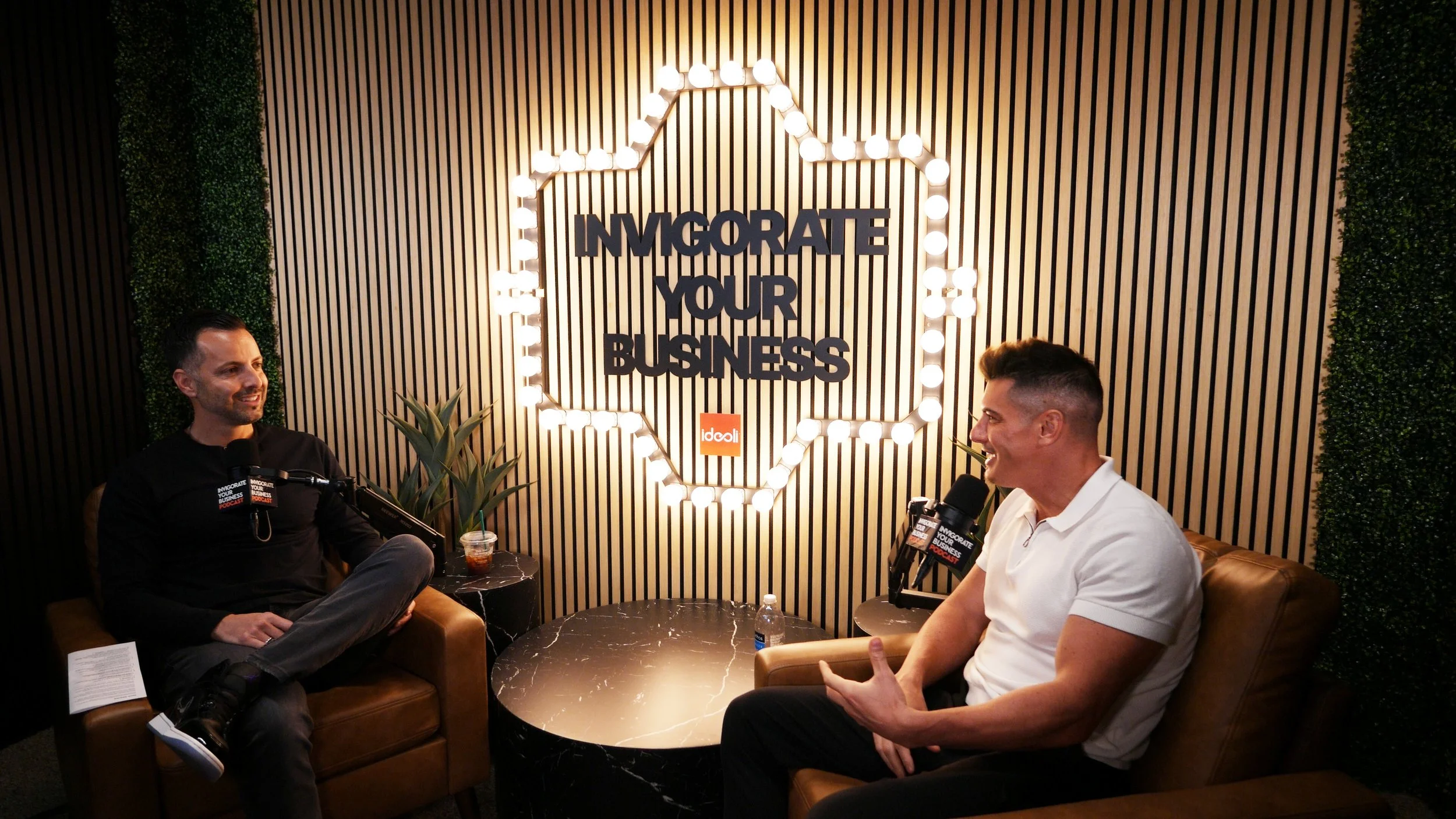
George Stroumboulis sits down with Nick Regina, a Toronto entrepreneur who transformed his career from the nightlife industry into building a financial services company. Filmed in Newport Beach, they discuss entrepreneurship, personal growth, faith, and what it takes to reinvent yourself.
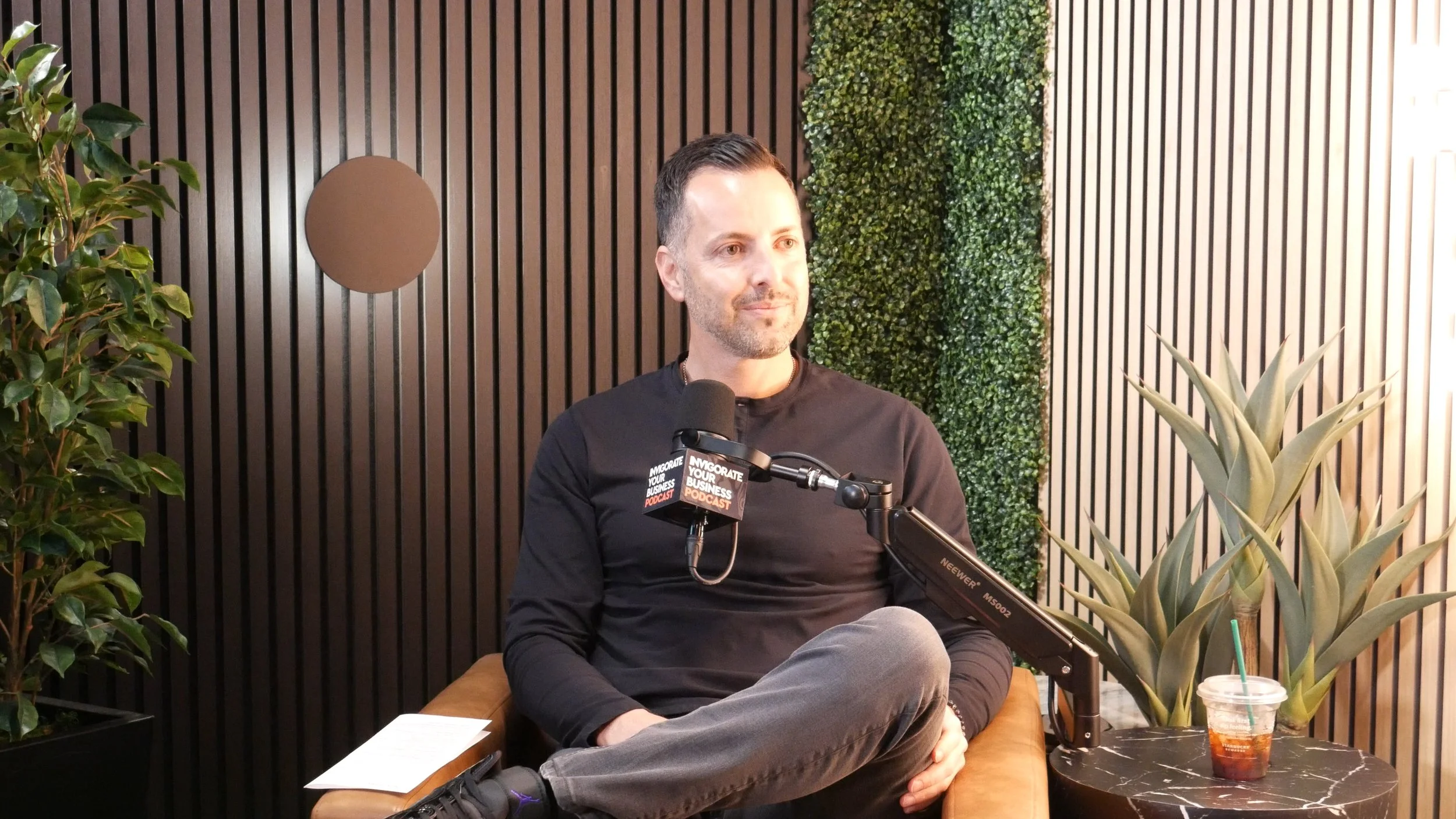
George Stroumboulis sits down with Nick Regina, a Toronto entrepreneur who built a powerful network in the nightclub world before launching Spark Financial Group. Filmed in Newport Beach, they explore business, money, mindset, and how life experiences can shape a new chapter.
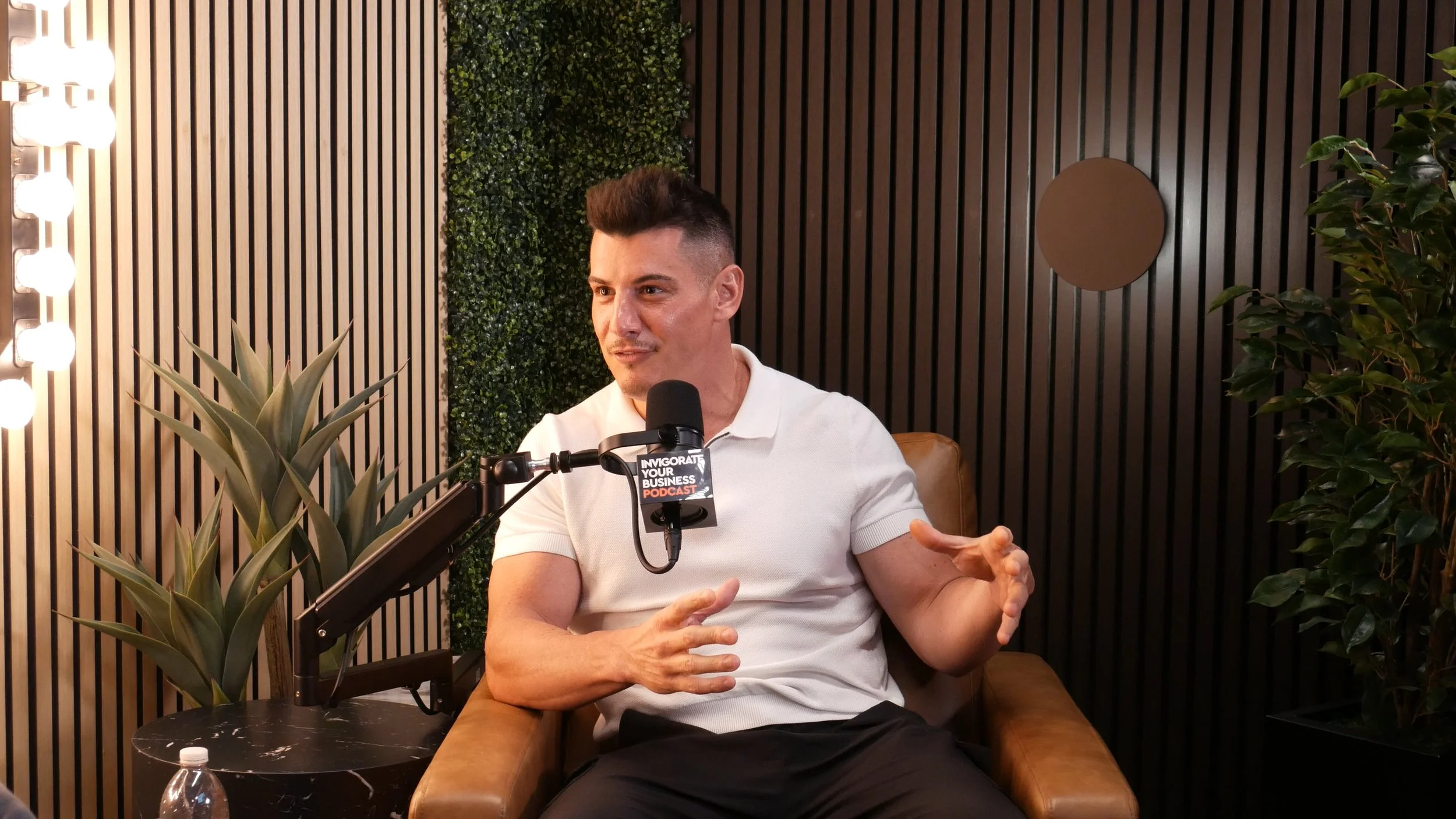
George Stroumboulis sits down with Nick Regina, a Toronto entrepreneur who built a powerful network in the nightclub world before launching Spark Financial Group. Filmed in Newport Beach, they explore business, money, mindset, and how life experiences can shape a new chapter.
ABOUT THE “INVIGORATE YOUR BUSINESS” PODCAST
The Invigorate Your Business with George Stroumboulis podcast features casual conversations and personal interviews with business leaders in their respective fields of expertise. Crossing several industry types and personal backgrounds, George sits down with inspiring people to discuss their business, how they got into that business, their path to the top of their game and the trials and tribulations experienced along the way. We want you to get inspired, motivated, and then apply any advice to your personal and professional lives. If there is at least one piece of advice that resonates with you after listening, then this podcast is a success. New episodes weekly. Stream our show on Spotify, YouTube, Apple, Amazon and all other platforms.
ABOUT GEORGE STROUMBOULIS
George Stroumboulis is an entrepreneur to the core, having launched several ventures across multiple industries and international markets. He has held senior-level positions at progressive companies and government institutions, both domestically and internationally, building an extensive portfolio of business know-how over the years and driving profit-generating results. George’s ability to drive real change has landed him in several media outlets, including the front page of the Wall Street Journal. George was born in Toronto, Canada to his Greek immigrant parents. Family first. Flying over 300,000 miles a year around the world puts into perspective how important family is to George’s mental and emotional development. With all this travel to global destinations, the longest he stays even in the most far-out destination is 3 days or less - a personal rule he lives by to make sure he is present and involved in family life with his wife and three daughters. To read about George’s global travels, stay connected with his blog section.
STAY CONNECTED WITH GEORGE STROUMBOULIS
STREAM & LISTEN TO THE PODCAST:
SPOTIFY: https://open.spotify.com/show/1rW2CmxQoiJNEPOZupJlvd
YOUTUBE: https://www.youtube.com/user/Stroumboulis
APPLE iTUNES: https://podcasts.apple.com/us/podcast/invigorate-your-business-with-george-stroumboulis/id1607693240
AMAZON MUSIC: https://music.amazon.com/podcasts/8fc03929-71b3-483a-a64e-153e30b3d462/invigorate-your-business-with-george-stroumboulis
STROUMBOULIS SITE: https://www.stroumboulis.com/podcast
PODCAST SITE: http://www.invigorateyourbusiness.com
FOLLOW GEORGE STROUMBOULIS:
INSTAGRAM: https://www.instagram.com/georgestroumboulis/
YOUTUBE: https://www.youtube.com/user/Stroumboulis
LINKEDIN: https://www.linkedin.com/in/Stroumboulis/
TWITTER: https://twitter.com/Stroumboulis
FACEBOOK: https://www.facebook.com/georgestroumboulis
TIKTOK: https://www.tiktok.com/@georgestroumboulis
CONTACT GEORGE DIRECTLY: https://www.stroumboulis.com/connect
FULL SHOW CONTENTS
00:00:00 Meet Nick Regina
00:03:32 Flying Private And Doing It Right
00:05:55 Italian Roots And Community Connections
00:08:18 Learning Business From His Dad
00:10:39 From Bartending To Club Ownership
00:20:14 How Promotion And Hospitality Win
00:26:35 Burnout Addiction And Rock Bottom
00:31:55 Building Spark Financial Group
00:40:05 Canada US Scaling And Real Estate
00:43:16 The 30 Day Blazer Charity
00:46:15 Fatherhood Balance And Final Takeaways
FULL SHOW TRANSCRIPT
George Stroumboulis 0:00
In this episode, I get to sit down with Nick Regina. Nick built one of Toronto's largest promotional companies and has been voted year after year after the promotional company in Toronto. Helping clients across North America. Nick is a social media influencer, a mentor, and a philanthropist. He has started one of the coolest charities that we're going to talk about on this episode as well. If you really want to learn how to connect with people and make lasting impressions and lasting relationships, you're going to want to listen to this episode starting now. My name is George Stroumboulis, and I'm extremely passionate about traveling the world, meeting new people, and learning about new businesses. Join me as I sit down with other entrepreneurs to learn about their journeys. This episode of Invigorate Your Business Starts Now. Alright. Cool. So we're starting this, man. Ready to rock? Yeah, man.
Nick Regina 1:05
Yeah, ready to rock, bro.
George Stroumboulis 1:06
Okay, so we're uh we're in Newport Beach. You're fresh from Toronto. Yeah. From the snow. We're doing some big things here. We're gonna get into that, but I'm gonna start off reading an intro to introduce you, and you're gonna tell me how close we are here. But uh pretty pretty dynamic guy. I'm sitting here with uh Mr. Nick Regina, okay? So today's guest is Nick Regina, a Toronto-based entrepreneur, investor, and founder of Spark Financial Group. Nick first built his reputation in Toronto's nightlife industry, where he created one of the city's largest promotion networks and became known for his ability to connect people, build brands, and drive massive crowds into venues. After years in hospitality and entertainment, he made a successful transition into the financial world, launching Spark Financial Group to help entrepreneurs and families build smarter financial strategies and long-term wealth. Today, Nick is also known for his work in mentorship, philanthropy, and faith-driven leadership, using his platform to speak about discipline, purpose, and giving back. Joining us today from Toronto and recording here in Newport Beach, welcome Nick Regina.
Nick Regina 2:09
Thank you very much, brother. That was amazing. You hit it out of the park. I feel uh feel very grateful for that intro. And uh I might need to take some of that material from you and put it on my boat page. Yeah, it should be a good idea. You did a better job than I did.
George Stroumboulis 2:23
But we didn't capture a lot of what you're doing on the charity side. We'll we'll get into that. But yeah, uh, we connected a few days ago. I've been following you. You're you're a force, right? Whether it's on the financial side, the nightlife, like you you are a media personality, and I've been following you for the last several years and what you've been doing in Toronto and and so on. Um, and then you had posted that you were coming here to LA, Newport Beach area, and we connected, and it was just like, no bullshit. Yeah, can you, yeah, this time let's get together. Awesome. Yeah.
Nick Regina 2:57
Oh man, so cool. I'm very grateful for the opportunity to to speak on this podcast. And yeah, right when I right when I seen the DM, I was like, yeah, let's get it. I I know I have a little bit of tight timing with the travel today, but we made it work. We pulled up at 7 a.m. You had uh what a welcoming too, man. I walked in from the front door, you had my picture and the videos playing throughout the whole office, beautiful setup, probably the nicest podcast studio I've been in to date. So you could you could tell you put a lot of time, love, and care, you know, into what you do, and and and that kind of hospitality and making people feel that way is something that people never forget, right?
George Stroumboulis 3:32
Yeah, that means a lot coming from you. Really appreciate that. Uh so talk to me, man. You you have a flight coming up uh on a nice PJ back to Toronto, direct shot in the Toronto?
Nick Regina 3:42
Yeah, yeah, direct shot into Toronto. Shout out Mark Wade, right? He's uh he's my mentor and he's someone that I came down here to see. So it's uh it's his it's him that's uh putting us in the jet to get over here and and back. But it was actually my first time flying private too, and it was uh quite the experience, man. Pretty cool. Yeah, yeah.
George Stroumboulis 3:59
So so like just tell me about the benefits of that, like what what yeah?
Nick Regina 4:04
I remember when when uh when I was talking to him and we were going uh we were going over the itinerary for the week and what we had going on down here, and then we started to talk about the flight. And he's like, Yeah, you know, it's this part of the airport at Pearson, and like you know, the flight leaves at 12. I'm like, okay, cool. I'm like, so you want to film me in a little bit on how that works, like you know, but where is that part of the airport? What time should I be there? You know, and he's like, ah, he's like, it leaves at 12. You can get there at about 1145, right? Yeah, I was like, 1145. He's like, Yeah, man. He's like, it's cool, it's casual. You drive right in and uh they can take your car and they keep it there for the time that you're you're traveling, and then when you when you touch back down, uh you hop in your whip and you bounce.
George Stroumboulis 4:48
And that's it. You need like three hours just literally, yeah.
Italian Roots And Community Connections
Nick Regina 4:54
Yeah, yeah, yeah. Because there's just that, you know, the whole check-in, and then especially if you went with the family and the kids, you want to make sure you're there a little earlier. So that was definitely new. Um, I made sure that I picked up some real authentic Italian food for all the boys on the plane. Mark Wade loves it that you know, his guys are always eating good. So he called me, he goes, Nicky, I'd love if you could take care of some good authentic Italian food for all the gentlemen on the plane. I said, Absolutely. So I brought some veal sandwiches on and some pizza and cannoli. So we were we were eating good as well. But the jet the J was a beautiful bird, man. I think it's a G550, if I'm not mistaken. Yeah, $25 million plane, apparently, and it it just was it was it was an awesome experience. Starlink, so it was like the reception was better than than it is when I'm on the ground, right? It was it was awesome. Yeah, pilots were cool, um, flight was smooth, the air in the cabin too. You know, I noticed that it's just it's a lot, it's a lot cleaner, and it just feels like yeah, it's uh cool. That's an expert, man.
George Stroumboulis 5:56
Yeah, really quick though. So you're you're Italian, Italian culture in Toronto. What what what are you bringing? Like from where? Where's the go-to spot when you're bringing Italian sweets and food?
Nick Regina 6:05
Like Yeah, so I'm I'm a big rustic bakery guy, a very good friend of mine um from childhood. His name's Joey. I went to high school with him. Him and his family own and operate uh a local uh a local bakery in our neighborhood, and they're just amazing all across the board, right? They do amazing pastries, custom cakes, they have a hot table, they have an espresso bar, they got the real authentic Italian products that you know are from Italy where you can even do your shopping there as well, and it it brings our community together in more ways of of just you know being able to go there and eat or pick up food, right? It's it's kind of a hangout, and it's nice to see you know people that you know and people that you grew up with and went to school with on an ongoing basis, and and Rust that keeps us connected.
George Stroumboulis 6:51
That's amazing.
Nick Regina 6:52
Yeah, so it's uh but they know what they're doing, man. They're pros, they're experts, you know. One of the one of the sons is in the back baking all the bread, and he's got some custom bread that's just badass, and and everybody loves it. And Joey, the other the other son is is baking the cakes and is doing the the pastries, and then you got you know, yeah, you just got the family working it and and and you could you could taste the difference and you could feel the difference when it's that family run business that puts their all into it, you know.
George Stroumboulis 7:18
Are you kidding me? And uh that's in Woodbridge or uh no.
Nick Regina 7:21
Well, I'm so I'm in Toronto and it's at the Keel and one Keelan 401 area. Okay, gotcha. So it's called Rustic Bakery, yeah.
George Stroumboulis 7:28
Where did you grow up? Toronto.
Nick Regina 7:29
Uh du Dufferin St. Clair, so Cor Corso Italia there, a little uh yeah, little little strip there, you know, little italy, and uh you know, I was always in the downtown neck of the woods between College Street and Sinclair and whatnot, but then um moved out a little bit further north into the the rustic and Raven area.
George Stroumboulis 7:47
Okay, gotcha. Yeah. Kids, you start adding more kids, you start moving out a bit, right?
Nick Regina 7:51
Yeah, yeah, yeah. And and a lot of my friends from high school lived in that ab neighborhood. It's nice too because the highways right there, it's a little bit more central. Yep, right. But um, yeah, and and uh all the boys moved out of the hood that were on Sinclair, right? So everyone uh everyone kind of went their own ways, right? A few guys went into that pocket, but I thought it would be a nice place to raise a family. I love the lot sizes there, I love the community and um yeah, it was good times.
Learning Business From His Dad
George Stroumboulis 8:17
That's amazing, man. So look, you you were the guy in the nightlife in Toronto, right? You built uh a large company, filling up the nightclubs, your name is synonymous. Like just talk to us before even getting there, talking about the finances where you're at today and what you're doing. Like where where did entrepreneurship start for you growing up?
Nick Regina 8:36
Yeah, great question. Um, so uh you know, my dad is is one of my mentors and and my biggest title, you know, outside of JC and God. But um he's like the coolest guy when it comes to just life all across the board, and and even in business, he was like that too. Like he was so awesome, you know, with all of his guys and everyone that he worked with. If you worked with him, if you worked for him, if you worked around him, he was just inspiring, he put out a good energy, and um he ran a tight ship and and I really enjoyed you know watching him move and shake and listening to him in the passenger seat when we were on our way to hockey or to the job site, just the way he would handle business on the phone and um on the job sites, and the way he would, you know, just rock and roll was was was cool. And that was where I caught the entrepreneurial bug, right? And where I knew that, you know, I'd want to do my own thing one day and I'd want to kind of go to the beat of his drum, but you know, with my own custom tailored approach, right? And yeah, without me knowing I was learning a lot, and I was taking in a lot of knowledge and information that I would then later on apply in my career in in the entrepreneurial space, I was right, and I was taking it in. So I give a lot of credit to you know the the foundation that I've built in this space to to my pops. Absolutely.
George Stroumboulis 9:53
What line of work was he in?
Nick Regina 9:55
Yeah, he was a general contractor, yeah, yeah, and he had a mill workshop as well, right? So they would do a lot of commercial and you know, pubs, nightclubs, restaurants, yeah.
George Stroumboulis 10:05
Yeah, and not easy, right? Because you're dealing with different trades, different people, different cultures. Yeah, yeah. Probably saw a lot of action through there.
Nick Regina 10:12
Yeah, yeah, for sure, yeah. A lot, a lot of different walks of life. And that's when when he came here, because uh my parents were well well, my grandparents were immigrants, right? My mother was actually an immigrant as well from Italy. Okay. Um, but what they when they came here, um, yeah, I think uh it was it wasn't too soon after he was done school that he got into the trades as a drywaller and then you know worked his way up and broke off on his own. So amazing man. Yeah.
From Bartending To Club Ownership
George Stroumboulis 10:38
And then you went from there, so you got into the service world as so you you bartended at one point, right?
Nick Regina 10:43
Yeah, so started off as a bus boy at 13 years old at at a restaurant called the News Cafe. Yep. That was off of uh DuPont. Yeah, six bucks an hour in the kitchen. Um and you know what? I I loved it. All the club owners from downtown, and this is when Toronto's nightlife scene was thriving, right? And and it was just like, I don't know, I don't remember, it was like a hundred or a hundred and twenty clubs all within like, you know, a couple kilometer radius, right? It was wild. And and um, yeah, so I was the bus boy and I was in the back of this restaurant, but all these you know cool guys and girls would come by because they would they made this spot, I guess one of their spots that they would come eat before they went to the clubs. So I'd see all these guys and girls dressed up nice, you know, and they were just they just had this cool swag about them, and I just like I was like, you know, that wow factor, that shock value, you think they're so cool. And uh I'd I remember I'd make my way out to the tables and I'd shine, like I'd I'd put some extra shine on the glass with the towel, and I'd put it in front of them with their silverware, and they were just they'd always buzz up with me and just be like, yo, this kid's cool, you know what I mean? Like, who is this guy? Uh I'd wear a full O, you know, dress shirt and and I'd like, yeah, and I didn't have to because I was a busboy, right? But I just w I just loved it. I loved serving, I loved being hospitable, I loved being around it. So that's where I kind of caught the bug. And then it wasn't too long after that that I made my way to bartender, a little lounge on College Street called Eat My Martini. Okay, and uh yeah, I bartended there, and outside of the network I built in sports and in school and you know, where I grew up, I also built a network um down there on College Street, right? So yeah, it got to a point too where I was bringing so many people to that bar just to serve them as the bartender. And um I always you know had a passion and and had a love for the industry since I had started, and it was just like this dream come true to be able to potentially hopefully own a nightclub one day.
George Stroumboulis 12:42
That that was so when you were bartending, your dream was to eventually own a nightclub.
Nick Regina 12:46
Oh, dude, when I was thirteen and I'd see these club owners come in, you know, before they'd go to their clubs that they owned, they would come there to eat. And I just like from there I wanted to own a club. I wanted to be like those guys. But why?
George Stroumboulis 12:57
Just the way they carried themselves.
Nick Regina 12:59
Yeah, just they you know, they're young, they're cruel, they had the swag, they had the girls, the way they were dressed. They're just cool guys, too, right? So I was like, yeah.
George Stroumboulis 13:06
But hold on, at 13 though, like what what were you personality-wise, what were you developing at 13 to be able to communicate to people? Because then you said you were bartending and then you were bringing crowds to come drink from you, but he gets a drink anywhere. Like, why were they following you?
Nick Regina 13:21
Yeah, I just I just I I I love people. I love talking to people. I love just you know, just figuring out, you know, like about every different walk of life, and and I gotta I gotta say, like I'm an extrovert, I'm very social. It's always been something that you know I've I've just felt has come natural, right? And that I enjoy, you know, having good conversation, finding out more about people and having a laugh. I like to laugh, I like to joke a lot, and you know that always that always helps you when you're when you're I guess building your network, right? Because, you know, people like to laugh too, right? Absolutely. So so yeah, it was it was that, right? And I think I I think I you know did a good job with that. And again, without even knowing I was building a big network for something that once upon a time I could leverage, I was doing that, right? So whether it was, you know, doing during doing the bus boeing or in school or hockey or the bartending, that's what happened. And then from there, I started I made the jump and uh I started the promotion company NRG, the Nicholas Regina Group. And I mean, long, long, really long story short, um, it was it was it was a success, right? And and I had a a nine-year run, uh sorry, ten year run. How how old were you when you launched this? When I launched it, I was 21.
George Stroumboulis 14:38
Oh, geez, okay.
Nick Regina 14:40
Yeah, I started bartending or busboarding 13, bartending at 18, 21, and started the promo company. And yeah, we went on to win Promoter of the Year at the Toronto Nightclub Awards nine years in a row. At, you know, uh, because it got to one point where at 25 years old we had over 55 guys that were bringing in, you know, crowds that work directly for NRG, and we were just pretty much slamming every club that we'd work at. So at that point, you know, the the next uh level up was to own the club, right? And that that's what happened, right? There was some great opportunities that came about because the club owners knew that you know, if I was partnered with that club, I would, you know, plug the promo company exclusively into that club and slam it on an ongoing basis. So I had made partner um in a lot of clubs. I I own five in Toronto and two in Miami.
George Stroumboulis 15:31
Come on. Yeah, 20s.
Nick Regina 15:33
Oh well, 25 I I owned my first club. So then from 25 to 30, I'd own seven, yeah.
George Stroumboulis 15:38
25 to and we're just give a little context. Listeners here from around the world, Toronto, the club scene at this time, like Toronto's notorious, has great, great clubs. Miami, obviously, you know, known around the world. But just tell people about the Toronto club scene when you were doing energy.
Nick Regina 15:55
Yeah, it was it was awesome, man. Like the culture was really cool downtown, you know, it was in the downtown core, right? You talk about Adelaide, Richmond, King West was big as well. Now it's moved its way to Yorkville and it's kind of spread out a little bit more, but it was it was more so concentrated downtown on those on those strips. But it was like club after club after club after club. Like I was saying, I think it was like a hundred, hundred and twenty clubs and something like a two, three kilometer radius. And it was just it was just like, you know, every Friday and Saturday night there'd be like thousands of people out on the streets, and every club had, you know, big lineups in front of them, and entertainment was just popping. There was a lot of international talent coming in from all over the world, whether it was to do a performance or what if they were a DJ or they were uh a singer, a rapper, you know, a lot of athletes, you know, were in town, and and then that was also when Drake was blowing up. And I actually I was one of the few guys outside of Live Nation that did a show with Drake. Because him and his yeah, him and his crew, Chubbs and Future and all the boys, Charlie B, they'd all come into my clubs ongoing, right? I had a really notorious hip hop night on the Sundays called Made Sundays. And that was bloken forth. Okay. I was at King and Spadina. So whoever was in town um playing the Raptors, because the Raptors had some games on Sundays, all the you know, all the big names would come by, and um, you know, whatever rappers were in town or whatever people were big in the music industry would would be at that night. It was kind of like an industry night. Uh we would host celebrities, athletes, and and the rest of the city that had the night off. And um, yeah, so anyway, long story short, it was just it was an awesome time, you know, for the Toronto nightlife scene. And you know, it was when obviously bottle service was popping off and Drake was putting the city on the map, and there's a lot of exciting things happening with the Raptors, and uh yeah, it's just this is this good times, man. So it was it was cool, and it was it was something to experience. Are you kidding me?
George Stroumboulis 17:57
So when when uh when a club hires energy, right? Come into a club, like what does that business model even look like? Like so they they hire you, I own a club. Yeah, what what is it? Like what are you charging? What do you bring in? What's the cut?
Nick Regina 18:12
Yeah, yeah, great question, man. Great question. I don't get asked that all the time, but I I love when I do. It's it's a very layered approach. So I mean, you could be a host, you could be an individual host, you can have a promo company that has a few hosts working for it, you could be on the marketing side, you could be on the talent. And what happened is I learned all facets of the business and then strategically brought people in that were experts. And and when I'd go into a club, I'd take care of not only bringing in all of NRG, which we were the biggest promo company for nightlife in Canada at the time, where we had fifty-five guys behind NRG, but then I would bring in other companies that had their guys, right? I would take care of all the marketing side of things, so the digital assets, the videos, the online digital presence, and I would do their their international talent booking as well. Right. Yeah, the whole the whole programming was set up. So I'd walk in, I'd slam your club, I'd make sure the music was good, I'd make sure you were popping with your talent, and I'd make sure you know the digital infrastructure and the marketing side of things was where it had to be, because it, you know, you you needed all that, right? Like the the competition was fierce. As as much as I did some really good work in that space, there was also some amazing guys that had their own portfolios of companies and and um were running their shows and we were we were competing, and you know, you had to be the coolest, the coolest club on the block, and and a way one of the ways that you would be able to do that is through the marketing side of things and your talent booking, right? So you had to yeah, you had to look cool, you had to sound cool, you had to stay in people's faces. Because the life expectancy of a club is anywhere from three to five years.
George Stroumboulis 19:51
Three to five years. Three to five years, yeah. Just so based on, hey, shine your object on the block, they want to do it.
Nick Regina 19:56
That's it, man. And the next guy comes around, right, pumps a good amount of money in hint into his spot, brings on the hottest promoters, books some international talent, and then you know, you start to fall down on the ranks, right? So you gotta you gotta keep the jets on, right?
George Stroumboulis 20:09
Dude, that's hard. So when you have ownership in one of these, you know that, hey, if I take on ownership, I have a good three, four-year window and capitalize on this.
Nick Regina 20:18
Yeah. Right? Yeah, yeah. Like where you're gonna be hitting your highest gross gross sales amounts is probably within that window.
George Stroumboulis 20:24
Yeah. So you had over fifty people under you, where their job was, hey, through their network to bring people in. Like what's what's some advice for people in that space? Like obviously people are hungry, they want your job, they want to start their own promotion company. Like, what's advice where you would see someone be like, oh, this this kid has it?
Nick Regina 20:43
Yeah, I mean, like and and the question being like him wanting to go start his own thing.
George Stroumboulis 20:48
Starting his own thing, or like even for working for you, like what did you look? Obviously, have to be presentable, good looking, but like for people to want to work for you, what what would you look in those people to have? Like certain characteristics, style, you you know.
Nick Regina 21:00
Yeah, c client comes first. If you could provide a seamless experience and really make that client feel good about you having their back and you know, getting them in at the front door, making sure that you're checking in on them multiple times throughout the night, that they're having a good experience, you know, making sure that they're getting home safe, texting them the next day and thanking them for coming out. These are the little things that you know I think you know are easy to forget that in the hospitality space that'll set you apart. So you really gotta just give a shit about your clients because they make up your book of business. And you know, be humble, be cool, remember to don't get high on your own supply. So you're not you're not there to drink, you're not there to party, you're not there to do drugs, you're there to service your clients, and you're there to make sure that they have a good time, right? So make sure that you're you know you're keeping it straight and that you're on the ball. And whoever's working for you, whoever your soldiers are, whoever you're putting on, make sure you take care of them, make sure you're generous with them, make sure you're paying them well. And make sure that, you know, you you genuinely are are pouring into them everything that you can to mold them into the best host and promoter that they could be. Yeah. And take care of them.
George Stroumboulis 22:10
Yeah, man. And you were telling me offline you had certain individuals working that had aspirations to go and start their own thing and it was as long as they were good to you, it was total support from your end. Which is incredible to hear, right? Like that mentoring side of it. Yeah. You don't see that too often.
Nick Regina 22:25
Yeah, but hey, look, man, it's that's part of the journey, right? Like guys are gonna want to go and they're gonna want to spread their wings and they're gonna want to go do their own thing, and and you can't hate on that, right? Like that's that essentially, you know, that's how I started, right? I had to leave and and uh under my you know father's wing or under the you know the club's wing in which I was bartending for and and spread my wings and and do my own thing. And that's something that I think you should be excited about because if you put a lot of time, love, and care into these people and and you watch them spread their wings and you watch them go, I think there's a lot of rewarding feeling that that comes with that because you know you were a part of that process. You helped them do that. And remember, the road is long too, right? So there's so many other things that you could connect on as that individual grows and prospers and and evolves into an entrepreneur that can, you know, do some pretty cool things, right? And if you're still running your show or your portfolio of companies, there's always gonna be a way that you could do business in the future, right? Yeah, absolutely. Yeah.
George Stroumboulis 23:26
So when you were in a couple more on this one, but when you had seven clubs under you, right? And you're firing on all cylinders, like were you getting burnt out? Because light life is not a nine to five, it's the opposite. Yeah. And then it comes with vices and influences and everything. Yeah. Like talk talk about like the burnout phase where you're like, okay, I think I need a plan to get out of this.
Nick Regina 23:47
Yeah, yeah, for sure. No, a hundred percent. So I had actually I had purchased a condo that was at one point in time I had two clubs on King West, which was arguably the hottest nightlife strip in Canada, and um I lived across from one of my clubs and just down the street from the other. And at the end of the day, it was just like I was immersed in my business, and I was there day in, day out, seven days a week. So for me, it became a lot. And uh yeah, surrounded by my vices, right? I I I kept it clean for a lot of years, but then at the tail end, I did get, you know, involved and was doing too much drinking, and I was doing drugs, and I was doing stimulants like Adderall to stay up during the day so I can operate, you know, the corporate side of the business, and then being there at night um using, right, to host my guests and the celebrities and my friends and people that would come see me. So it was it was total burnout.
George Stroumboulis 24:37
Yeah. So I'm I'm just curious, is it um like when you start using in the club scene, is it to fit in with the celebrities because you you your name became so big, or was it just uh just to stay alert and awake? Yeah you know what I mean? Like what when you start going down that path, what was it for you?
Nick Regina 24:54
So yeah, so it was all that, right? Like you want to host the celebrities, they want you to be there and they want you to take care of them because you're the owner and they know you're gonna give them that white glove service, and then you know, when your friends or family would come by, they want they're coming by to see you, right? And your promoters are there hosting their guests, they want you to be potentially a part of that, right? And helping them, and then you know, during during the day, right, all the back end stuff would need to happen as well, right? With the marketing aspect, the lining up of the nights and and the weeks moving forward with the programming. So yeah, it was it was super intense, right? You were kind of all over it, right? And as I over that at that time, I had over 120 people working for me as well, you know, some full-time, some part-time, but still, right? Like your your presence is required, and and there's just certain things that you can't miss out on, right?
George Stroumboulis 25:44
Yeah, absolutely. So then you you transition, right? So now, fast forward today, you know, happily married, family man, three beautiful kids, right, thriving business. What how did you transition? Like, did you want a family when you were in that nightlife and just said, hey, this is not the solution?
Burnout Addiction And Rock Bottom
Nick Regina 26:01
Yeah. Yeah, no, I I always wanted a family, and uh it was something that I knew um if I wanted to be the best version of myself and a good father that's leading by example, I couldn't have it be that I was in that industry. I mean, you're out at nights, you're out on the weekends, the holidays, all the time that you would get to spend with your family, you're gonna have to be, you know, at your clubs, right? And you know, just not being around and not being able to be there for my kids, just the thought of that was just like, no, this isn't gonna work. So yeah, I had come to a low point in my life as well, right? Like I had felt like I had hit rock bottom and uh it got to a point where I just I couldn't handle it anymore, right? And I was just I remember falling to my knees crying one night and just being like, you know, whoever you are, whatever you whatever you are, if you're out there, I I need your help. I need your help now, right? And I and I felt something enter into me, and and I know that was God, I know that was the day that I was saved. And um yeah, I started following the nudges ever from that day, uh, ever since that day, and uh it led to me it led me to where I am right now, right? And that's you know, totally transitioned out of that industry. I'm in the finance space right now. You know, I have a portfolio of companies in which I'm working on and I'm building and I'm growing, and still still a lot of work to do, but there's a lot of work that has been done, and I'm I'm proud of what we've accomplished thus far. And uh yeah, I got three little ones and and I'm there, I'm present, and and I'm able to be the best version of myself because I got out of that space, right?
George Stroumboulis 27:31
Yeah, I was telling uh telling Nick earlier to talk with my wife, and I sent the profile. I'm like, oh, just check out who I'm gonna be meeting with in the next couple days, and she comes back, she's like, So who is he? Whatever. I'm like, Well, what do you think? And she's like, just great energy, you know, family man loved what she saw of your wife. Like, it's just great seeing that because that's truly who you are, right? It's your family, it's about all this. Really quick. So uh when you hit rock bottom, finances weren't an issue, right? You're at the top of your game, you're owning clubs, you're doing all this. Like it wasn't about money at that point, right? You just wanted to get out and just just get out of that space. How do you transition into finance? Like now now you have a successful smart financial, right? Portfolio of companies, you know, your your immediate personality, like how do you make that transition from there and be so successful quickly, right?
Nick Regina 28:24
Yeah, yeah, no, great question. I you know, the finance space, I always wanted to learn more about the way money works. You know, essentially I'm just selling money when when I'm on the brokering side of things, right? And I never really understood the money game. I never understood how to build and structure companies, how to do capital raises, how to leverage debt, um, you know, and how to allocate just yeah, my my my my investments to maximize the potential of what I could build with equity appreciation and passive income and all that. I was good at operating that business and making money, but then knowing what to do with it and knowing how that side of the game works always fascinated me. So yeah, it was something I just plugged into and I had no experience, no background, and no real ecosystem that knew me that I could plug into. So I was like a little bit of a lone wolf with my partner, and we kind of navigated the space on our own and figured it out.
George Stroumboulis 29:18
And you figured it out.
Nick Regina 29:18
So finding well, we're still figuring it out, but yeah, yeah, yeah.
George Stroumboulis 29:22
Uh partnerships. Yes. I want to talk partnerships. Like, so you have a partner at Spark Financial. Like, how do you find each other? How is it? Advice on partnerships, because I have a partnership at my company, and a lot of times you hear partnerships fail because of this, this, this. Like, why is yours working and thriving?
Nick Regina 29:39
Yeah, so it's really, really great question is as well, right? It's it's it's really hard, you know, to make a partnership work. In my opinion, there's three pillars, right? There's trust, there's vision, and there's work ethic. And if you're missing one of those, it's gonna be pretty difficult to maintain and sustain a healthy partnership. So all three have to be in check at all times. And uh me and Mikey took a liking to each other, and he was my he was my wingman and right hand man in the last three years that I was running NRG. Okay. And I know I was gonna pass everything on to him, right? And he didn't want that when I told him, I said, listen, but I gotta check out of this industry and you know, I gotta uh I gotta make my exit. You know, I I can't see myself doing this long term, and I know you put in the work and I know you put in the time, and you know, you're next up on the throne. I gotta pass it over to you. So let's start that process. Um, you know, because there was a lot going on, so it just doesn't happen where you pick up one day and you leave. So I was like, what does that integration look like for to get him ready and to get him up to speed? And he said, Nick, I dotta you know, I I want to come with you.
George Stroumboulis 30:43
What a compliment.
Nick Regina 30:44
You know, and I said, Wow. I said, Okay, I said, Well, I you know, he was nine years younger, you know, so thinking that this is what he wanted, as I did once upon a time when I was a younger man, and no, it wasn't. It was it was to to join forces with me and to to make a go of it in the finance space. So I said, Yeah, sure, I'd love to, you know, go back to back with you and give it a shot in the finance space and uh yeah, the the rest is history, right? I mean, obviously there's been the ups and the downs and you know the turbulent times and the the um the struggles like every you know entrepreneurship and partnership, but it you know it's it we we always know that you know we we always know that he's got my back, I got his back, we have each other's best interest, we put our hearts on our sleeve, and those three things are aligned, you know, the trust, the work ethic, and the vision. And no matter what, right, we're just gonna we're we're just gonna do whatever we gotta do to make it work. And now it's been six years as partners, right? In the finance. Yeah, right. So nine years working together total, but six years as partners in finance. And uh yeah, every everything I do and everything he does, where there's a 50-50 partnership.
Building Spark Financial Group
George Stroumboulis 31:51
That's a big deal, dude. Yeah, that's a big deal. Um so we're talking about partnerships. Now, just really quick so people understand, when you say financial services, like what's your typical client or people you're trying to attract?
Nick Regina 32:03
Yeah, so we have three subsidiary companies under the portfolio. One is a mortgage brokerage, one is an insurance brokerage, and one is a private fund where we take on capital from investors and we lend it out onto real estate and secure that capital through the form of a mortgage, right? That's amazing. Okay, yeah, so I mean one kind of feeds into the next, and it was an easy little vertical integration. Um, you know, five years developing it, but here we are, small boutique firm headquartered in Toronto, have a brokerage in Florida as well, okay, and a small setup in Lauderdale. And I mean, it's uh anyone that you know needs a mortgage or needs to refinance, needs to purchase purchase uh a property, we facilitate that with Schedule A banks, B banks in the private market. Um, on the insurance side of things is general insurance, so home and auto, right? We're a brokerage, so you know, nine times out of ten we could beat out the pricing of a provider direct because we shopped the deal. Yep. And then, you know, ideal client for our fund is is anyone who wants to invest their money and make passive income and have it be that you know they know it's it's being invested into the real estate market on the debt side of things. I mean, we're we're a fairly conservative fund. I'd rather make uh a few less points, knowing that you know, the way we place the money is a lower loan to value, it's inner city properties and it's something that um we're all sleeping at night with. Yes, right?
George Stroumboulis 33:28
Yep.
Nick Regina 33:28
Um and yeah, most recently, too, really exciting, um, but my mentor is has really helped me reposition and structure the company so that we could have built out this division that we just did and we just launched that's gonna have to do with security lending. So in a nutshell, you know, we we leverage your your equity position and and we get you some liquid on that, right?
George Stroumboulis 33:51
Okay, yeah, and this is your mentor based here in California.
Nick Regina 33:54
Yeah, my mentor Mark Wade can't say enough about the guy, definitely change your trajectory of my trajectory of my life personally and in business. Yeah, he's just he's a rock star, man, you know, and he's a super humble guy. He just knows what he's talking about, you know, with anything when it comes to business and finance, and he's gone so deep and he's built some amazing companies and he's mentored and partnered with and worked for and with some amazing, amazing people. And uh even on the personal side of things too, you know, he's always got this big, vibrant energy about him, and every room he walks into without even him even opening his mouth, like you just feel his presence, you know, and he wants what's best for everyone. Like you see all the guys that you know are are working with him and and for him and are surrounded by him, like they're just inspired by him. We're all inspired by him, right? To just have that, you know, big energy and that optimistic perspective, and you know, like we'll get through it kind of vibe, and and just uh yeah, the way he sets everything up, bro. He's brilliant, man. When he when he when he talks, you listen, you know.
George Stroumboulis 35:01
But that's amazing coming from you because you were that for a hundred plus people, right? Like it says a lot for you to want to find a mentor, right? You had a hundred plus employees under you, you were the leader, they're listening to what you say, you're trying to get to the next level, you find that guy. So, how do you even come across finding a mentor that fits for you?
Nick Regina 35:21
Yeah, great question. So, uh my life, my life performance coach, right? Um, I I have a lot of I've done a lot of work with a gentleman by the name of Zark Fatah, and he's an amazing life coach. Okay. And um Wade is in his network. Mark Wade was one of his investors in his project and hospitality and stayed close with Zark. And him and him and Zark have an awesome relationship. And Zark actually asked him to come speak at an event that he was doing for all the people that were coaching with him and and people that follow him, as he's a pretty popular coach and he could pack up a room. And uh Wade was on the panel. So he was on the panel and he was the headliner. And uh Zark asked me if I'd love to do the honors in uh interviewing him in front of the crowd. And I said, absolutely, right? Huge, yeah. So yeah, so I interviewed him and and I went deep on you know, preparing the questions and doing a background search on him and just understanding about you know um his journey, yeah, right. And I think he liked the questions that I asked him and and and and understood that I kind of went, you know, a little deep on it, and that kind of made him feel like, oh, cool, this kind of this kid kind of did a background search on it. He cares and cares, right? Yeah, and uh we just hit it off from there. Awesome, you know, and and I remember it not being too long after that that we were on a full-blown kind of mentor mentee relationship, and and he does it out of the goodness of his heart, and he does it because he wants to give back and he wants to, you know, see me me win. Yeah, right. And and there's there's so much, there's so much that I've learned from him personally and in business, and now we got this venture where you know my company is essentially um being powered up by his company with this one division, um, OC Private Credit, and what he's put together and what he's assembled, not only in regards to his team of rock star bankers and and experts in the space, but the products that they've developed that you know there's nothing out there like them. And and uh they're just gonna take you know the world by storm with them, in my opinion, when it comes to the capital and equity markets, right? So that's huge. Yeah, I'm I'm I'm pumped up and and excited to be a part of that.
George Stroumboulis 37:30
Yeah. Before we jump into your charity, what what you start? I want to I I'm pointing here because it was up on screen, but Canada, you're a proud Canadian, right? Italian background, proud Canadian, born and raised, right? Do you need the US to go to the next level? Like w whatever career, like from your opinion, you know, proud Canadian as well, right? But like to go to the next level, you know, you want to scale up, you want to do stuff. Like what relationship do you have with the USA?
Nick Regina 37:58
Because you've had it in business and I mean I I think for me it's like because we can we can um focus on the digital side of things, right? And if we have a strong enough, you know, digital infrastructure and we have we've we've done a good job building our personal brands and our businesses and you know, with our websites, our social platforms, and the way that we could connect on a global scale, right? It's it's irrelevant, you know, in in my opinion, right? Because if I'm headquartered in Toronto, right, a lot of the calls that I'm doing right now with uh you know a bunch of guys that are in the equities markets that are CEOs and executives are across border. Yes. And some of the um the conversations that are evolving now into deals, excuse me, they don't live anywhere close to Canada. Right. Right, and we're still getting business done and and we're still gonna be getting paid our commissions and you know there's uh yeah, there's business that can be done, right? Yeah, so now the the like it's it's awesome to be down here south of the border, like when I'm here in Laguna, when I'm in Florida and Miami, I had the the two clubs there. When when I'm down, I get so inspired, you know, the way that you guys think and and how everything's just so much bigger, and you guys are just like really ambitious and and I feel you know um a lot a lot of seasoned entrepreneurs that you know are from Toronto or from Canada, once they get to a certain level, they do end up, you know, moving south of the border or elsewhere in the world for tax purposes and for expansion a hundred percent, right? But there is you know still a lot of business that we could do um being headquartered in Toronto. But I I I would eventually like to depart from there and and move down here one day. That'd be a little dream come true. However, for the time being, you know, we can get her done.
Canada US Scaling And Real Estate
George Stroumboulis 39:47
Yeah, absolutely. Look, and Toronto has so many benefits, right? Like it is a powerhouse city, right? There's a lot of pros there. My business, again, I'm Canadian, I'm American as well now. It's tough politically, you know, with the tariffs and all this BS going on, like there's a lot of companies that we work with in Canada that you know don't want to work with us because we're headquartered in New York and vice versa. And and again, it's all politically driven, but when you strip it apart, it's very similar cultures, right? We're all just trying to do what we need to do. Yeah, um, really quick, the housing market in Canada, there's a shortage of houses. Like, can you talk to us from a mortgage standpoint? What what is going on in Canada?
Nick Regina 40:25
Well, I mean, you know what? Like, so it's it's interesting because you know, there's different economists that are awesome that are saying different things from one another, right? And and experts in the space, you know, you you listen to and you hear them out and you're looking at data and analytics and and stats, and it's I think the information's a little all over the place, right? And what people think to be a shortage really isn't. There's a lot of inventory on the market right now in Toronto, you know. Statistically, the lowest amount of properties were sold in the month of January in Toronto real estate since I don't know, it was like ten years back or something. I've seen that stat. Well, you know, I think there's there's a lot of um of people that think that that's an issue right now, but it really isn't, right? There's a lot of inventory on the market. The condo market is suffering, it's it's plummeted, and uh there's no sign of it, you know, from what it looks like anytime soon that that's gonna pick back up. It's doing absolutely horrible.
George Stroumboulis 41:25
Was it getting too crazy though, the market? Like we're we're talking, you know, big time studio condo over a million dollars. Like it got crazy.
Nick Regina 41:32
Price per square foot like just went through the roof, right? And even if you were going in the suburban areas outside of the GTA, they were high and it was expensive and it was getting, yeah, really ridiculous, right? I mean the cap rates are no good, you're right. You couldn't cash flow, especially at those prices, right? So, you know, you're it was it was hard. It was hard to make money and and justify you expanding a portfolio in certain areas of the real estate space that made sense for not only the the passive income component, because these things were negative cash flow, but the equity appreciation is like how much higher can this spike, right? When we were in our our peak at 2022, you know, 2023. And yeah, yeah, no, it's a in my opinion, it's a little bit of a correction going on, right? As the rates came up and now they're they're starting to drop a little bit, and there's a little bit of stabilization, but buyer confidence isn't there, right? And uh people are struggling. People are struggling right now. It's hard to make it, everything's very expensive, you know, gas, food, water, living costs. So it's uh I I think I think I think we need another couple years, you know, before things start to turn around in a bit.
George Stroumboulis 42:44
And that's what I'm hearing from a lot of the developers we work with up there. It's you know, in two years there's gonna be another boom. But Canada is extremely expensive. The GTA is so expensive from everything, right? I'm there every few weeks for work and family, and uh it just blows my mind. Like, you know, with American dollar going there, you may not see it as much. But if you're making Canadian dollars in Canada and those are the prices, it it's very expensive.
Nick Regina 43:07
Yeah.
George Stroumboulis 43:08
I I don't know how you're buying property, raising families, you know, on your basic income.
Nick Regina 43:13
Yeah, it's bad.
George Stroumboulis 43:13
It's bad, yeah.
Nick Regina 43:14
It's bad. It's very bad.
The 30 Day Blazer Charity
George Stroumboulis 43:15
Yep. So talk to me. I I feel like this is your legacy. This is what truly inspires you, is what you're doing on the philanthropy side, right? The charity and yeah. Talk talk to us. I I heard uh incredible story of you taking a trip to Texas, your baggage got lost or routed, and it kind of sparked this this whole movement that you're doing right now. Yeah. So start start from the beginning, what what you're doing.
Nick Regina 43:37
Yeah, for sure. So I mean, where it all started was when the when when I was saved and you know, I I I really plugged into my faith. You know, I had made when the dust had settled and I was better and I was thinking clearly, I had made a promise to God and I said, you know, for you helping save my life, I'm gonna dedicate the rest of my life and and a good amount of time and effort towards trying to help as many people as I can, right? Um so it was a promise that I made to the big man upstairs. And uh yeah, essentially I wear a blazer every year for thirty days in a row and I can't take it off, and it all goes towards different children's charities every year.
George Stroumboulis 44:14
Wait, so the the jacket and the blazer, where did that come from? So thirty.
Nick Regina 44:18
Yeah, flight flight um to Texas, they lost my luggage. Okay. And I'm an optimist, right? So to turn a bad situation good. I had this real funky flower flannel shirt on, and I turned the camera around, I went on the gram. I said, guys, I'm not gonna take this shirt off until my luggage gets here. So I had a bunch of fun with it. They dared me to do a bunch of things with it, the Instagram, and I did. And I attached a link, and on that link, you know, I said, guys, just make a donation if you dare me to do something, and we'll donate it all to the Canadian Cancer Society. And that's what we did. They dared me to go swimming in it, take a shower in it, and I did all that stuff. Um, but we had so much fun that by the time when my luggage came, I was like, okay, dude, you know, like we gotta we gotta keep running this. So I ran it for 30 days. Amazing. And then yeah, we made it a thing every year. So I wear a different blazer every year for 30 days. We choose a different children's charity and we donate all the funds to that charity.
George Stroumboulis 45:12
That's incredible. 100%. Whatever's raised goes there.
Nick Regina 45:16
Yeah, yeah. Well, this year was there were 65 people that for the first year ever we called it the Good People Army that joined along with me, but they could pick their charities of choice or the blazer and have those funds go to those charities. And and you have to keep it on straight. Well, I do, yeah, but I mean people could join in somewhere for a day, two days, a week. Some went hardcore and they wore it the whole month, but we want to expand that good people army, right?
George Stroumboulis 45:41
So where do you see this charity 10 years from now? Is that is that like a global thing?
Nick Regina 45:46
You know what, bud, I'm just taking it one day at a time, and it'll be wherever God wants it to be, right? And if he wants it to be big and he wants it to have it be that it's a global thing, then it will be. Yeah, absolutely. So I'm just having fun with it. We're spreading love, good for you, raising awareness, we're bringing up people's vibrational frequency, we're creating good community, and we're giving back to those in need. And that's important, right?
Fatherhood Balance And Final Takeaways
George Stroumboulis 46:12
That's amazing. Yeah, I know you gotta get on a plane and get out of here. I I want to just talk last thing, family. How how important? How do you handle being present, being like a a father, a husband, running a business that's expanding globally, doing all these things, and still having time to have lighthearted, you know, social media and creating that personal brand. How do you balance that? Like what's keeping you?
Nick Regina 46:36
Yeah, you know, right? I'm I'm I'm big on biohacking. I love to work out, I love to stay healthy, I love to um, you know, just make sure that I'm allocating the right amount of time for friends, for family, for career, for faith, and achieving, you know, a little bit of balance with all that and making sure that I'm having fun and I'm enjoying whatever it is I'm doing, because then it truly doesn't feel like work, right? So I make sure that I have fun, I make sure that I laugh, I make sure that I surround myself with good people like you, and that, you know, I just I just want to uh do the most that I can while I'm here and take it all in. I just want to take life in, I want to make the most of it, and I love to be busy, right? If I'm not busy, I'm not a happy camper, right? So I'm happy to have this all going on. And uh yeah, my my kids are my biggest inspiration, you know, and they're who I go hard for, and they're who I want to be the best version of myself for. So, you know, by adding them into the mix, it's only helped me elevate my game personally.
George Stroumboulis 47:36
Absolutely. And how old are your kids?
Nick Regina 47:38
Eight, six, and four.
George Stroumboulis 47:39
Eight, six, and four, okay. Mine are four, seven, ten. So it's a it's a busy time, right? Running, taxi, this and that. It's it's magical, man. Oh, yeah. Right.
Nick Regina 47:48
The best, man. Unconditional love. Yeah, there'll never be anything as beautiful as that in this life, right? Absolutely, man.
George Stroumboulis 47:53
I'm I'm very fortunate that we got to connect, dude. I I really appreciate it. You got uh incredible energy, very easy to just chill with, talk with, and uh continued success. And thank you.
Nick Regina 48:04
Yeah, thank you, bro. Again, very, very grateful for this experience. I was pumped up when I seen that DM from you and excited to be here. Thank you for all the beautiful hospitality, the screens, the pictures, the little combo we had prior to the Potter. And thank everyone who made it to the end of the episode. That's awesome that uh you wanted to hear the story. Absolutely. Appreciate all you guys as well.
George Stroumboulis 48:25
Incredible story, man. Thank you so much. Thank you. You're awesome. You too, buddy. That was good. Thanks for listening to this episode of Invigorate Your Business with George Strombolis. So please hit the subscribe and like button and follow me on all the main podcast streaming channels. Also, please share your comments when you can. I appreciate your help and this network into a worldwide audience.
WHAT DOES IT TAKE TO BE A NIGHTLIFE PROMOTER IN TORONTO
Toronto is one of the most dynamic cities in North America, and its nightlife scene reflects that energy. From upscale lounges in Yorkville to packed dance floors in the Entertainment District, the city’s nightlife industry is driven by one key figure behind the scenes: the promoter.
But what does it actually take to be a nightlife promoter in Toronto?
Many people assume the role is simple—invite people to a party, fill the room, and enjoy the night. In reality, the job requires discipline, strategy, resilience, and an incredible ability to connect people.
Building a Network Is Everything
At the core of every successful promoter’s career is a strong network. Promoters are constantly building relationships—with guests, venue owners, DJs, performers, and other promoters. In a city as diverse and competitive as Toronto, knowing the right people and maintaining those relationships is essential.
The best promoters understand that their network is their business. It’s not just about filling a room once; it’s about creating an audience that trusts them and shows up again and again.
Marketing Before Social Media—and After
Years ago, promotion meant flyering streets, making phone calls, and personally inviting hundreds of people. While social media has changed the game, the fundamentals remain the same.
Today’s promoter must be part marketer, part brand builder, and part community leader. Instagram, TikTok, and messaging platforms allow promoters to reach thousands of people instantly—but the real challenge is creating an experience people want to attend.
A successful promoter doesn’t just sell a party. They sell a vibe.
The Grind Behind the Glamour
To outsiders, nightlife promotion looks glamorous: VIP tables, music, celebrities, and packed venues. But behind the scenes, it’s a grind.
Promoters spend their days coordinating with venues, confirming guest lists, organizing talent, managing partnerships, and constantly promoting the next event. Nights often stretch into the early morning hours, only to start again the next day.
Consistency is everything. The industry rewards those who show up week after week and deliver results.
Reputation Is Currency
In nightlife, reputation travels fast. If a promoter consistently delivers a great experience, venues want to work with them. If they fail to bring people or overpromise, opportunities disappear quickly.
Trust is the real currency of the industry. A promoter must build credibility with both guests and venue operators.
Turning Hustle Into Opportunity
For many entrepreneurs, nightlife promotion becomes a launching pad into other industries. The skills required—marketing, networking, event production, brand partnerships, and audience building—translate directly into business.
Many former promoters have gone on to build successful companies in hospitality, marketing, finance, and entertainment.
The ability to bring people together is a powerful skill in any industry.
More Than Just a Party
At its best, nightlife promotion is about creating experiences. It’s about building moments people remember, introducing new connections, and shaping the culture of a city.
In a place like Toronto—one of the most multicultural cities in the world—the nightlife scene becomes a reflection of that diversity, bringing people from different backgrounds together under one roof.
And behind many of those unforgettable nights is a promoter who spent countless hours making it happen.
Final Thoughts
Being a nightlife promoter in Toronto takes far more than charisma and connections. It requires vision, persistence, and the ability to build communities around experiences.
It’s a career built on relationships, reputation, and relentless effort.
WHAT DOES IT TAKE TO LEAD A NEW FINANCE COMPANY IN CANADA
Launching and leading a new finance company in Canada requires far more than simply understanding numbers. It demands leadership, discipline, regulatory awareness, and the ability to build trust in one of the most heavily regulated industries in the country.
Canada’s financial sector is known for its stability and strict oversight. For entrepreneurs entering this space, success comes from combining strong business instincts with a deep understanding of compliance, risk management, and long-term strategy.
Understanding the Regulatory Landscape
One of the first realities any finance company must face in Canada is regulation. Federal and provincial rules govern everything from lending practices to interest rates and consumer protection.
Leaders in this industry must ensure their businesses operate transparently and responsibly while adapting to changes in policy and legislation. The ability to navigate these regulations while still delivering competitive financial solutions is critical.
Building Trust With Clients
Finance is built on trust. Whether working with individuals, families, or entrepreneurs, clients are placing their financial futures in the hands of the company they choose.
Leaders must prioritize transparency, ethical practices, and long-term relationships. The strongest finance companies succeed not because they offer the fastest solution, but because clients believe in their guidance and integrity.
Creating Smart Financial Strategies
The role of a modern finance company extends beyond lending or advising. Today’s leaders must design financial strategies that help clients grow, protect, and manage wealth in a constantly shifting economic environment.
From interest rate changes to economic cycles, leaders must think ahead and position their companies to help clients make informed decisions.
Building the Right Team
Behind every successful finance company is a strong team. Analysts, advisors, compliance specialists, and operations leaders all play critical roles.
A strong leader understands that talent drives growth. Building a culture of accountability, professionalism, and continuous learning is essential in an industry where precision and trust are everything.
Discipline and Long-Term Thinking
Unlike many industries driven by short-term trends, finance rewards discipline and patience. Leaders must remain focused on long-term stability while navigating market volatility and economic uncertainty.
The companies that succeed are those that focus on sustainable growth, responsible lending, and strong client relationships.
Leadership Beyond Business
Many leaders in Canada’s financial sector also recognize their responsibility beyond profits. Mentorship, community involvement, and philanthropy are increasingly important components of leadership in finance.
The most respected financial leaders understand that success is not only measured in returns, but also in the impact they have on their communities and the people they serve.
Final Thoughts
Leading a finance company in Canada requires vision, resilience, and a commitment to doing things the right way. It’s about balancing opportunity with responsibility and growth with stability.
For those who embrace the challenge, the rewards extend far beyond business success—they include the opportunity to help individuals and families build stronger financial futures.
WHAT DOES IT TAKE TO START AND LEAD A NEW CHARITY TO HELP KIDS
Starting a charity dedicated to helping children is one of the most meaningful ventures a person can pursue. But turning that vision into a sustainable organization requires far more than good intentions. It demands leadership, commitment, and the ability to build a movement around a cause that truly matters.
Helping kids means addressing real challenges—education, health, mentorship, opportunity—and building programs that create lasting impact.
A Clear Mission and Purpose
Every successful charity begins with a clear mission. Leaders must define exactly who they are helping, how they are helping them, and why the work matters.
When the mission is focused and authentic, it becomes easier to rally volunteers, attract donors, and inspire partners who believe in the cause.
Building Trust and Transparency
Charities operate on trust. Donors, supporters, and communities need to know that the organization is using resources responsibly and delivering real results.
Strong leadership means maintaining transparency, accountability, and integrity in every aspect of the organization—from fundraising to program delivery.
Creating a Network of Support
No charity succeeds alone. Volunteers, community leaders, business partners, and supporters all play a role in helping an organization grow.
Great leaders know how to bring people together around a shared purpose. They build networks of individuals and organizations that are passionate about helping the next generation succeed.
Turning Passion Into Structure
While passion may start the mission, structure sustains it. A charity must operate like a professional organization, with clear goals, governance, fundraising strategies, and operational systems.
Strong leadership ensures that the charity remains focused, efficient, and capable of scaling its impact over time.
Inspiring Others to Get Involved
A powerful charity doesn’t just provide help—it inspires others to become part of the solution.
Whether through mentorship programs, community events, or partnerships with schools and businesses, leaders must constantly find ways to engage people who want to contribute to a better future for children.
Measuring Real Impact
The most effective charities focus on outcomes. Leaders must continually ask: Are we truly helping children? Are we creating real opportunities? Are we improving lives?
Measuring impact ensures that the organization stays aligned with its mission and continues to grow in meaningful ways.
Leading With Heart and Responsibility
Helping children requires empathy, patience, and responsibility. The leaders of these organizations carry the trust of families, communities, and donors who believe in their work.
When that responsibility is taken seriously, a charity can become far more than an organization—it can become a force for lasting change.
Final Thoughts
Starting and leading a charity to help kids is not just about raising funds or organizing programs. It’s about creating hope, opportunity, and a path forward for the next generation.
With the right leadership, vision, and community support, even a small idea can grow into a movement that changes lives.
BLOG POST
Nightlife To Net Worth
How Nick Regina Built Crowds Then Built Wealth
A Toronto Club Promoter Reinvents Himself In Finance
Lost Luggage Started A Charity And A Blazer Habit
What If Your Best Network Is Built By Serving
He built massive crowds, owned clubs in Toronto and Miami, and had the kind of “Promoter of the Year” run most people only hear about. Then Nick Regina hit a wall, and the story gets far more real than nightlife highlights. From Newport Beach, we talk through the behind-the-scenes pressure of running venues, the long hours, the vices that come with always being on, and the moment Nick knew he had to change his life if he wanted to become the husband and father he envisioned.
We trace the full arc: learning entrepreneurship from his father’s example, building a relationship-first network as a busboy and bartender, and scaling a promotion company into a serious operation that handled marketing, programming, and talent. Nick breaks down what “client experience” actually means when your reputation depends on it, plus the hard truth that the life span of a club can be short if you stop executing.
From there we shift into the finance world. Nick explains how Spark Financial Group is structured across mortgage brokerage, insurance brokerage, and private real estate lending, why he’s obsessed with understanding how money works, and what he looks for in a partnership that lasts. We also cover mentorship, cross-border opportunity between Canada and the US, and Nick’s blazer-based charity challenge that’s grown into a community of donors and doers.
Subscribe to Invigorate Your Business, share this with a friend who’s building under pressure, and leave a review with your biggest takeaway.
BLOG POST
Nick Regina’s story is a masterclass in entrepreneurship, networking, and personal reinvention. He starts in Toronto hospitality as a teenage busboy and later becomes a bartender who pulls people in through genuine conversation, consistency, and service. That early lesson matters for anyone building a personal brand or sales career: people remember how you make them feel. Nick describes learning business by watching his father run a tight ship as a general contractor, then applying that same discipline to relationship-building. From nightclubs to boardrooms, the core skill stays the same: create trust, show up, and follow through.
That foundation becomes fuel in Toronto’s booming nightlife era. Nick builds NRG, a promotion company that scales to dozens of hosts and wins Promoter of the Year repeatedly. He explains what many outsiders miss about nightclub promotion and event marketing: it is not just posting flyers or being seen. It is programming, talent booking, digital marketing assets, and relentless client experience management from the front door to the follow-up text the next day. He also highlights a brutal reality in nightlife operations and club ownership: trends move fast, competition is fierce, and many venues have a short life span, so reputation and execution become everything.
Then the conversation turns to the cost of that pace: burnout, addiction risk, and the pressure of always being “on.” Nick shares how success and money do not protect you from reaching a low point. His turning point is deeply personal and faith-driven, and it becomes the catalyst for an industry exit and a new mission. For listeners in high-stress industries, his takeaway is clear: if your environment constantly pulls you toward vices, you need a plan to change the environment, not just your intentions. That shift sets up a healthier identity centered on family, discipline, and purpose.
Nick’s next chapter is building Spark Financial Group and a broader financial services portfolio, including mortgage brokerage, insurance brokerage, and a private credit style real estate lending fund focused on conservative loan-to-value and risk management. He explains why learning “the money game” matters: capital structure, debt, investing, and passive income can turn earned income into long-term wealth. He also lays out partnership advice in plain terms: trust, shared vision, and work ethic must all stay aligned. Finally, he connects business to philanthropy through a simple but powerful charity challenge: wearing a blazer for 30 days to raise donations, growing into a community-driven “Good People Army” that supports children’s charities while keeping giving visible and fun.
MORE EPISODES



George Stroumboulis sits down with Garrett Patten, entrepreneur, filmmaker, producer, and fourth-generation business leader. They discuss his journey from the Caterpillar boardroom to Hollywood films, the realities of building a multigenerational business, the economics behind filmmaking, and what it takes to reinvent yourself and succeed in an entirely new industry.