
BOSTON HOSPITALITY EMPIRE WITH ERIC PAPACHRISTOS | E068 PODCAST
LISTEN TO THIS EPISODE




ABOUT THE GUEST
Eric Papachristos is the Co-Founder and CEO of A Street Hospitality, the Boston-based powerhouse behind some of the city’s most celebrated restaurant concepts, including Trade, Porto, Saloniki Greek, and La Padrona. Known for elevating Boston’s dining landscape, Eric leads a multi-concept restaurant group recognized for its creativity, consistency, and exceptional guest experience.
A lifelong student of hospitality, Eric’s journey began in his family’s diner, where he learned the values of hard work, community, and true philoxenia — the Greek spirit of welcoming others. After starting his career in corporate finance, he transitioned into the restaurant world, combining sharp business acumen with a passion for food and culture. That blend has fueled A Street Hospitality’s rapid growth and cemented Eric as one of Boston’s most influential voices in dining and development.
Beyond business, Eric is deeply committed to giving back. Through his long-standing involvement in the Pan-Mass Challenge, he has helped raise over $1 million for cancer research, reinforcing his belief that leadership extends far beyond the walls of a restaurant.
Today, Eric continues to scale A Street Hospitality with a focus on innovation, integrity, and meaningful guest experiences. His story is one of grit, vision, and a relentless dedication to building places where people gather, connect, and feel at home.
Eric’s Instagram: https://www.instagram.com/papachristos/
A Street Instagram: https://www.instagram.com/asthospitality/
Eric’s Website: https://www.astreethospitality.com/
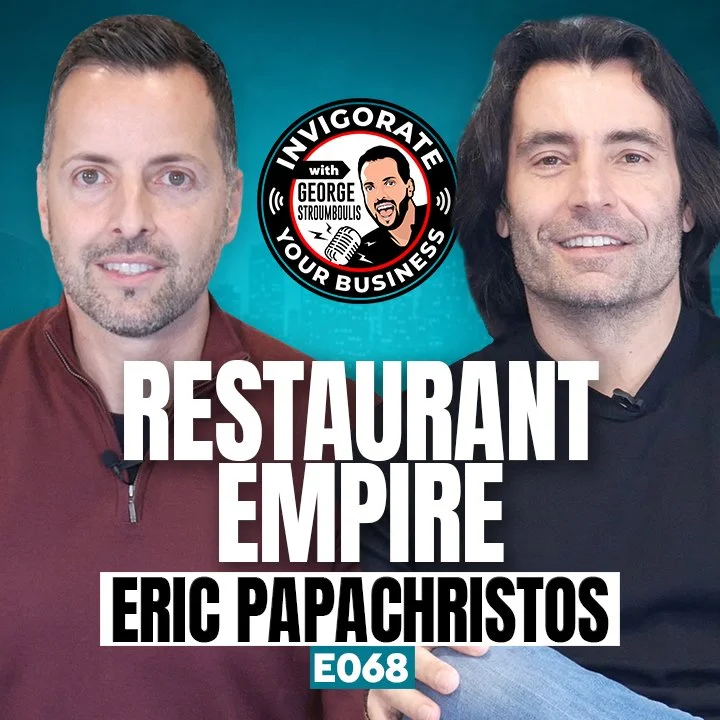
George Stroumboulis sits down with Eric Papachristos - Boston restaurateur, co-founder and CEO of A Street Hospitality, and one of the city’s most influential voices in dining and development. They dive into becoming a major force in Boston hospitality, the story behind building standout restaurant concepts, and the pressures of leading a fast-growing team.
“I’m not exceptionally smart. I think I’m exceptionally hardworking. And I think that’s what gets me to the end goal.”
MEDIA RELATED TO THE EPISODE
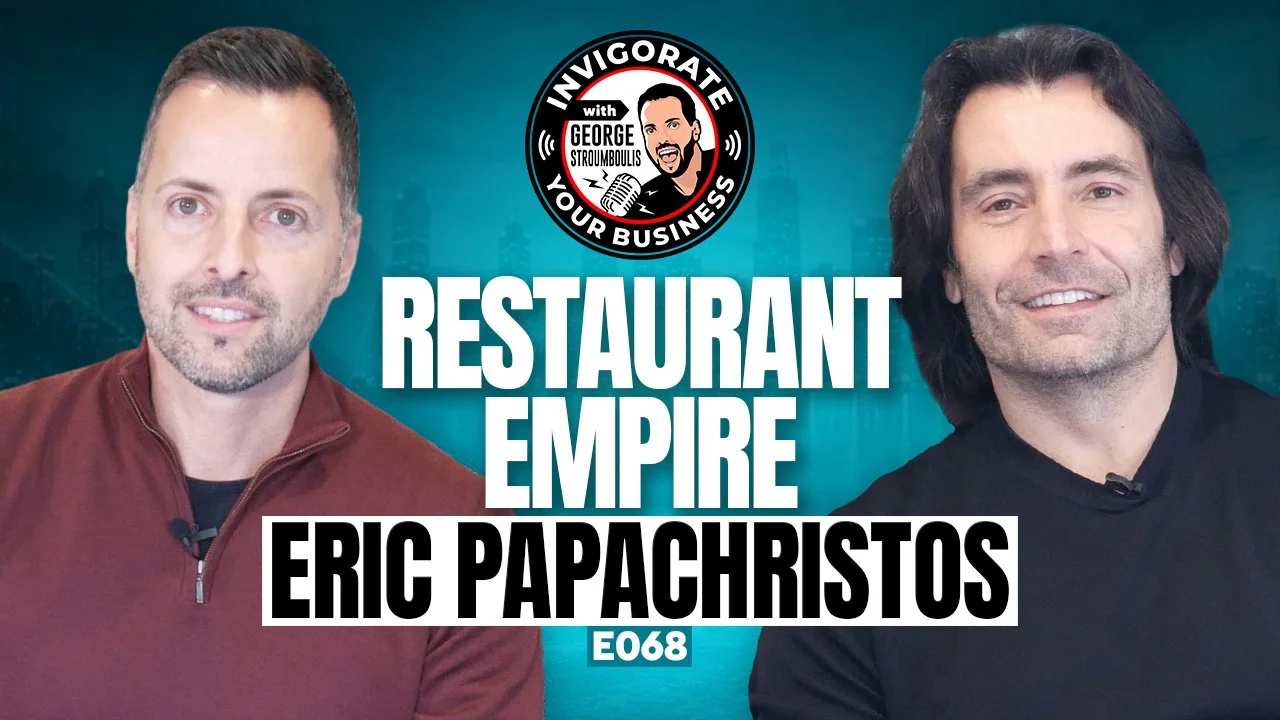
George Stroumboulis sits down with Eric Papachristos - Boston restaurateur, co-founder and CEO of A Street Hospitality, and one of the city’s most influential voices in dining and development. They dive into becoming a major force in Boston hospitality, the story behind building standout restaurant concepts, and the pressures of leading a fast-growing team.
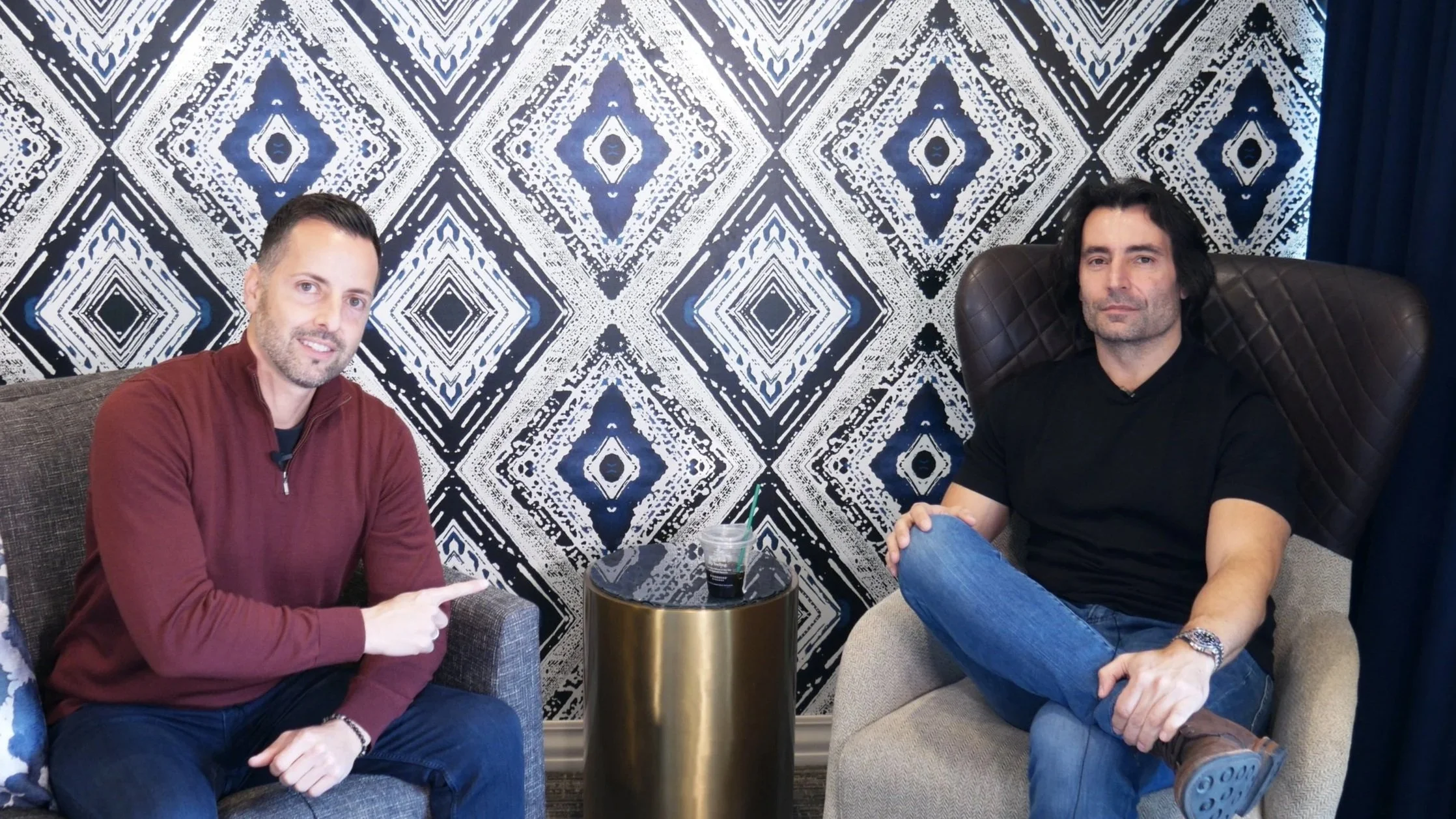
George Stroumboulis sits down with Eric Papachristos — Boston restaurateur, co-founder and CEO of A Street Hospitality, and one of the city’s most influential voices in dining and development. They explore his rise in Boston’s hospitality scene, the creation of standout restaurant concepts, and the challenges of leading a fast-growing team.
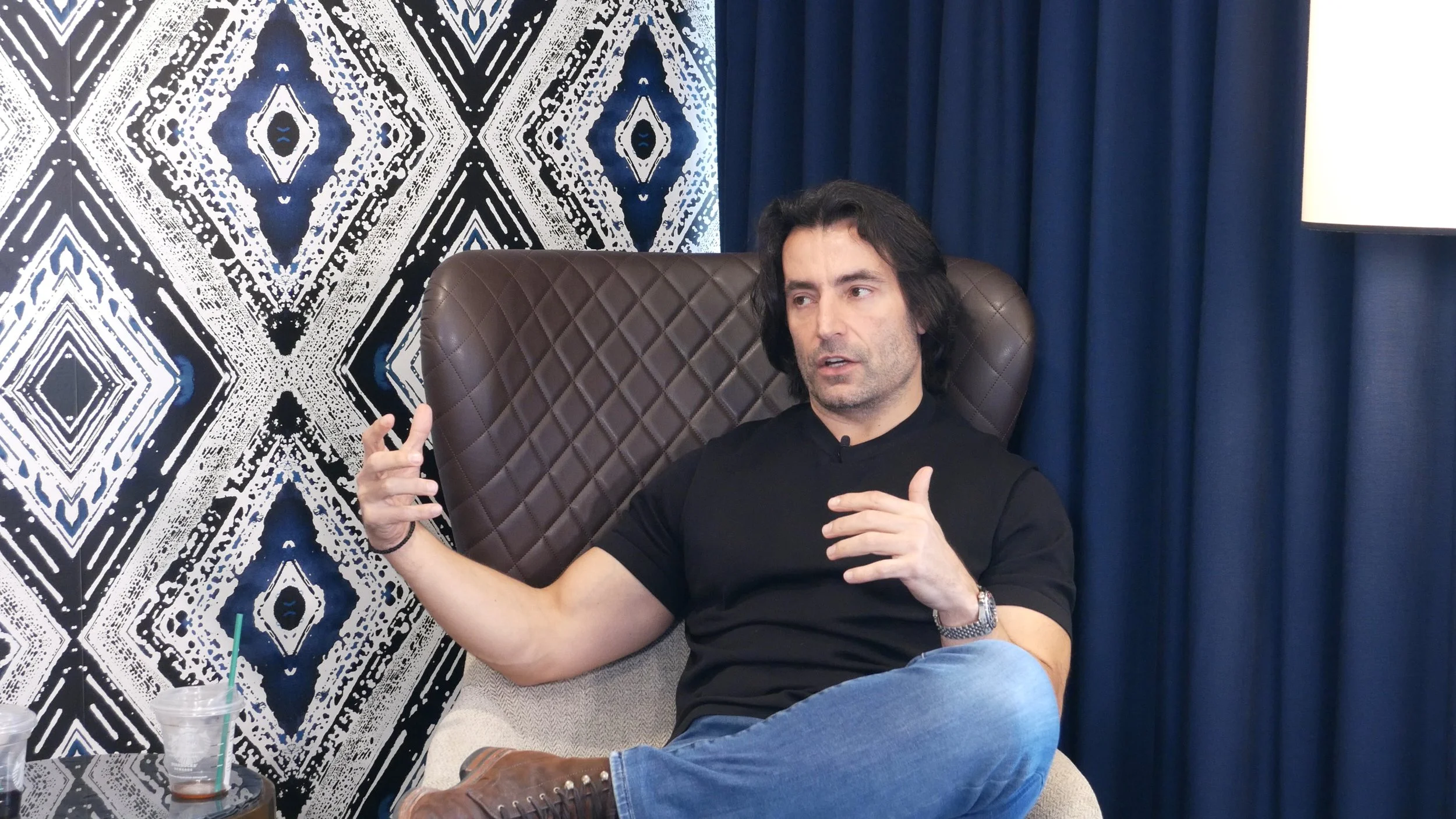
George Stroumboulis sits down with Eric Papachristos — co-founder and CEO of A Street Hospitality and a defining force in Boston’s dining landscape. They discuss his journey in hospitality, how he built some of the city’s most notable restaurant brands, and the responsibility that comes with scaling a powerhouse team.
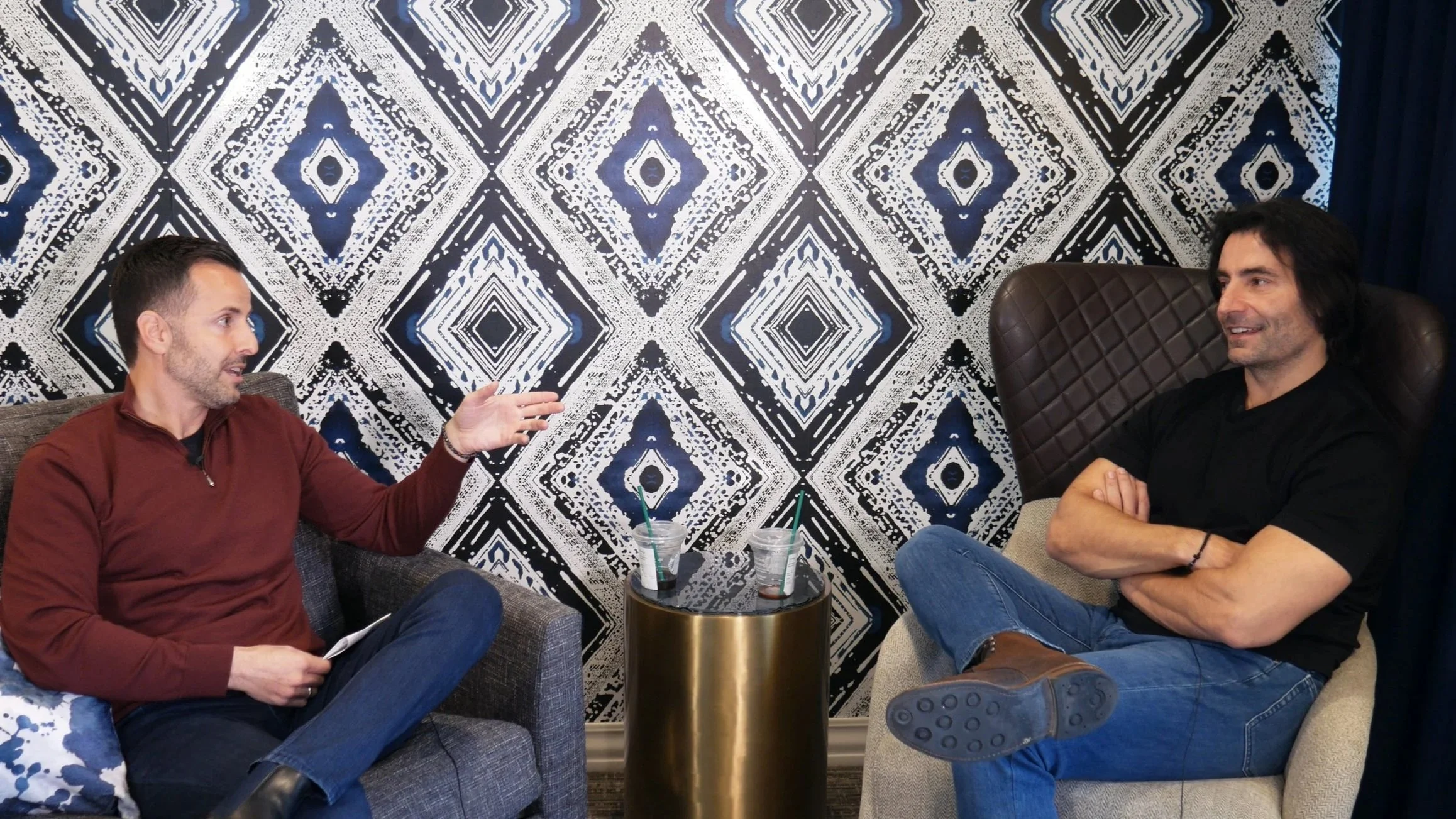
George Stroumboulis sits down with Eric Papachristos — Boston entrepreneur, restaurateur, and co-founder/CEO of A Street Hospitality. Together they unpack the evolution of his restaurant group, what it takes to stand out in a competitive market, and the realities of leading a rapidly expanding organization.
George Stroumboulis sits down with Eric Papachristos — one of Boston’s most respected restaurateurs and the co-founder/CEO of A Street Hospitality. They dive into the strategy behind building successful restaurant concepts, the grind of Boston’s hospitality world, and the leadership required to keep growing.
George Stroumboulis sits down with Eric Papachristos — co-founder and CEO of A Street Hospitality and a major influence in Boston’s modern dining scene. They discuss how he built a standout restaurant portfolio, what drives his approach to hospitality, and how he leads a team built for growth and longevity.
ABOUT THE “INVIGORATE YOUR BUSINESS” PODCAST
The Invigorate Your Business with George Stroumboulis podcast features casual conversations and personal interviews with business leaders in their respective fields of expertise. Crossing several industry types and personal backgrounds, George sits down with inspiring people to discuss their business, how they got into that business, their path to the top of their game and the trials and tribulations experienced along the way. We want you to get inspired, motivated, and then apply any advice to your personal and professional lives. If there is at least one piece of advice that resonates with you after listening, then this podcast is a success. New episodes weekly. Stream our show on Spotify, YouTube, Apple, Amazon and all other platforms.
ABOUT GEORGE STROUMBOULIS
George Stroumboulis is an entrepreneur to the core, having launched several ventures across multiple industries and international markets. He has held senior-level positions at progressive companies and government institutions, both domestically and internationally, building an extensive portfolio of business know-how over the years and driving profit-generating results. George’s ability to drive real change has landed him in several media outlets, including the front page of the Wall Street Journal. George was born in Toronto, Canada to his Greek immigrant parents. Family first. Flying over 300,000 miles a year around the world puts into perspective how important family is to George’s mental and emotional development. With all this travel to global destinations, the longest he stays even in the most far-out destination is 3 days or less - a personal rule he lives by to make sure he is present and involved in family life with his wife and three daughters. To read about George’s global travels, stay connected with his blog section.
STAY CONNECTED WITH GEORGE STROUMBOULIS
STREAM & LISTEN TO THE PODCAST:
SPOTIFY: https://open.spotify.com/show/1rW2CmxQoiJNEPOZupJlvd
YOUTUBE: https://www.youtube.com/user/Stroumboulis
APPLE iTUNES: https://podcasts.apple.com/us/podcast/invigorate-your-business-with-george-stroumboulis/id1607693240
AMAZON MUSIC: https://music.amazon.com/podcasts/8fc03929-71b3-483a-a64e-153e30b3d462/invigorate-your-business-with-george-stroumboulis
STROUMBOULIS SITE: https://www.stroumboulis.com/podcast
PODCAST SITE: http://www.invigorateyourbusiness.com
FOLLOW GEORGE STROUMBOULIS:
INSTAGRAM: https://www.instagram.com/georgestroumboulis/
YOUTUBE: https://www.youtube.com/user/Stroumboulis
LINKEDIN: https://www.linkedin.com/in/Stroumboulis/
TWITTER: https://twitter.com/Stroumboulis
FACEBOOK: https://www.facebook.com/georgestroumboulis
TIKTOK: https://www.tiktok.com/@georgestroumboulis
CONTACT GEORGE DIRECTLY: https://www.stroumboulis.com/connect
FULL SHOW TRANSCRIPT
GEORGE STROUMBOULIS: 0:00
Welcome to another episode of Invigorate Your Business with George Stroumboulis. On today's episode, I sit down with Eric Papachristos here in Boston, Massachusetts. Eric is the CEO and founder of 8th Street Hospitality. His restaurant group has some of the hottest restaurant brands in their portfolio. Their restaurants are recognized across the city in America with some of the biggest accolades. Doing tens of millions of dollars in revenue annually, Eric also gives back to charities. He is a true leader with over 700 employees across his establishment. And we're going to learn a lot today from him. Entrepreneurship, how to build, how to scale, hard work, attention to detail. We're going to hear everything. So enjoy this episode starting now. My name is George Stroumboulis, and I'm extremely passionate about traveling the world, meeting new people, and learning about new businesses. Join me as I sit down with other entrepreneurs to learn about their journey. This episode of Invigorate Your Business Starts Now. We're going to jump into this, right? I'm going to start off reading an intro. Kind of, I would need a few pages to really capture what you're doing, but we're going to try our best here. So today I'm joined by Eric Papachristos, co-founder and CEO of A Street Hospitality, the powerhouse behind over 10 renowned restaurants, including Trade, Porto, Saloniki Greek, and La Padrona, which I went to last night. Amazing. Eric has reshaped Boston's dining scene. His journey began in his family's diner, learning the values of hard work and community before transitioning from corporate finance to building a hospitality empire. Eric's blend of business acumen and creative vision has fueled his success, and his impact extends beyond business. He's raised over 1 million for cancer research through his leadership in the Pan Mass Challenge. Today we're going to explore his entrepreneurial journey, the challenges of growing a multi-concept restaurant group, and what's next for A Street Hospitality. Eric, thank you for joining me, brother.
ERIC PAPACHRISTOS: 2:11
Thank you. Thanks for having me.
GEORGE STROUMBOULIS: 2:12
Absolutely. So we're in Boston right now. I got in last night and then basically dropped bags off here and straight to La Padrona, which has been around for about a year and a half.
ERIC PAPACHRISTOS: 2:22
Correct.
GEORGE STROUMBOULIS: 2:23
That experience was incredible. Like absolutely just pulling up. I had I've seen photos online, I've seen accolades online, best this, best that. But just showing up, the Raffles Hotel, beautiful. So it just sets the tone even going up there. And then staff was incredible. Food, we just told the waitress, just bring us everything, just keep it going. Um, absolutely top-notch. So uh I mean, congrats, right?
ERIC PAPACHRISTOS: 2:47
Thank you. Thank you.
GEORGE STROUMBOULIS: 2:48
So talk to me, Boston, before we jump into anything. What what's I feel like Boston is such an underrated city. Uh, when you think of American cities, you know, it doesn't really come up as it should. But Boston is like world class architecturally, everything. Like, talk to us about Boston.
ERIC PAPACHRISTOS: 3:04
So um, I'm obviously very biased, um, but I really didn't have a matter in the in the choice of coming to Boston, right? Because this is where my parents immigrated to. Um, but I'm very proud of the city for a number of different reasons. We have uh shown to be extremely resilient through a lot of economic downcycles. Um, the dot-com, you know, that I lived through early on in my career, the 07-08 financial crisis, obviously through COVID more recently. And, you know, what I've realized is that Boston is a small enough city where you really get to know everyone, but it really plays in the world stage. We have some of the best universities, obviously, in the world. Harvard and MIT are right here. There's a plethora of universities here. We have a super strong pharmaceutical biotech industry, uh, tons of private equity up here as well, that are founded and uh have their head offices here in Boston. And um, you know, I also like it because it's one of the, or if not the closest city to Europe in America. So I I go to Europe quite a bit, so it's a a little bit less of a flight.
GEORGE STROUMBOULIS: 4:18
Yeah, exactly. Knowing that I used to live in New York and now I'm in California, that extra five, six hours is a big difference. I know you've you've mentioned your journey, you know, in various interviews, but I think it's important for people to understand American-born, back to Greece, influence, and then you came back here and you're not just an owner of some restaurants, like, you know, your financial background, a couple majors, uh, just just talk to the progression, you know.
ERIC PAPACHRISTOS: 4:45
Yeah. I think, you know, all of my success, you know, really has to go back to my family, whether it's my father and my mother and my brother who have, you know, supported, you know, all of the stupid decisions that I've made to date, but also really the family values and, you know, again, going back to Greece, where I spent, you know, my early um uh childhood years there, understanding about culture and the connection between humans and really what food means. So, you know, for for me, it's I really didn't do anything different than just carry on the tradition and the value that I learned early on in the 80s in in Greece. So when I came here in America uh in the 80s with my parents, you know, my parents are very much family people and still are, obviously. Um and, you know, I make sure that whatever I do, that my North Star is, would my family be proud of what I'm doing? And uh again, I'm not quite sure how prevalent that mentality is in this world today. Um I'm not quite sure if it's right or if it's wrong, but that's certainly, you know, a big part of where I come from. So um I'm fortunate enough to have lived both worlds, sort of the old Greek world from back in the day to you know modern day America. Uh and I do spend a good amount of time in Greece. Again, I'm I'm very much, I enjoy their food. I think their food um Renaissance over the last 10 years there is marvelous. Some of the amazing chefs and they have amazing ingredients. Um, so that's also inspiring. So I spent a lot of time there. But anyway, but you know, this back and forth um relationship that I have with Greece and the US is is really what set my foundation um of my businesses and really my my personality. So I don't know if that directly answered your question.
GEORGE STROUMBOULIS: 6:43
Yeah, but but okay, so you guys come back from Greece, and then your father gets he was an electrician back in Greece, and your mother's a teacher here.
ERIC PAPACHRISTOS: 6:51
Yep.
GEORGE STROUMBOULIS: 6:52
So you got into the diner world, which kind of opened up this whole hospitality desire.
ERIC PAPACHRISTOS: 6:57
Yeah, so again, my my my mom came, uh, or you know, we all came. My mom was a teacher, uh, sort of really easier for my mom to integrate, and my dad um, you know, had the sort of entrepreneurial thing in him and opened up a little diner as most quintessential Greek Americans did. Yep. And um, you know, my dad never cooked. I mean, he could he he was a short-oder cook at the diner, so he was scrambling eggs and cooking the turkey clubs, but he was never a cook like my mom or like my you know grandparents were. Um, so you know, again, I was a little boy and uh really was enamored to follow my dad around. And I really enjoyed watching him run his business and control his business, own his business. And so a lot of that early on uh was was set for me, or that entrepreneurial thing uh was set really on in my career. And then yeah, I just washed dishes for my dad at nine years uh for nine years. Uh I was never good enough to make it up to the grill. Um not even the fryer? Not even no, no, they would no, no. Um and then um I had to leave uh the suburbs and to go into the city as an as an undergrad. So, you know, I really only worked for my dad, you know, for a number of years when I was a you know young kid. And then sort of our paths professionally never crossed again. I was always in the city, my dad was, you know, out in the suburbs, but you know, a lot had a lot of that, his mentality had stayed with me. So I bartended my way through undergrad and grad school. Um, my undergraduate is in business and have an MBA and then a second master's in finance. I was always very quant-based for whatever reason. And so, you know, numbers always kind of came easy to me. Uh, and then I started my corporate finance career, you know, shortly after my undergrad.
GEORGE STROUMBOULIS: 8:42
Right. Okay, so back to the diner quickly. Like in those eight, nine years you're there. Like, what do you think are some true life lessons? You know, washing dishes. It's not just the dishes, but like being in that environment. Growing up, I was on the fryers at like eight years old. And I remember I oversalted the fries once during rush hour, and my dad yelled at me. And I remember after I'm like, I went up to him, like, what's your problem? I go, I'm eight years old trying to help. So, but you learn like a sense of urgency, all this stuff, right? There's so many life lessons. Like, what are things that you've carried on since then?
ERIC PAPACHRISTOS: 9:15
Um, I think efficiency was always important for me. Like, okay, I gotta wash the dishes. What is the best way? I was the only person in the in the in the back of the house when we were in production. So, you know, what is the best way for me to wash the dishes and stack them and dry the silverware and do like for for some reason, like process was important for me. And I was like, okay, and how do we how do I become more efficient, more efficient, more efficient? So that was like one part. Two, um, and probably the most influential part was watching my father interact with his guests. You know, here I am, a little kid, you know, I'm, you know, washing dishes or, you know, in the fry station. Like I get, I know what I'm doing, but I don't really see the whole big picture. But seeing my father interact with the guests, that was extremely profound because it is as pure of a relationship and transactional relationship as it comes. Because my father knows that, you know, that $3 sandwich back in that day, he needs to keep X amount of dollars because that those dollars have to pay the expenses, but also have to be enough dollars to carry and pay his mortgage and to pay for my soccer cleats or, you know, whatever it was. So really understanding that relationship with my dad and his guests, I think that is probably the most powerful thing that I've learned through through the years. And I try to carry that and teach that to you know all the team members in my organization. You know, the guest is the most important relationship that we have.
GEORGE STROUMBOULIS: 10:46
That's incredible. And from diner seeing that to today, where it's an empire in Boston, it's very known, probably one of the biggest restaurant uh groups from here. Like, how do you go from finance then wanting to get back into this? Because was your dad and your mom pushing you to go get the doctor job or the lawyer or this, right? Yeah, totally. Yeah.
ERIC PAPACHRISTOS: 11:08
My um, I think they appreciated that I had a job while I was in college um and I played soccer and I did well in school. I think, you know, my parents are just generally proud of my brother and I. And, you know, they were proud probably for a number of different reasons. One was we were um, you know, good kids. Um, I'd like to consider myself a good kid, but um, you know, we were always progressing in whatever we we were doing. So I think my parents knew all right, these kids are gonna finish school and they're gonna get a professional job, which is really the um probably the dream of every entrepreneur, uh immigrant that that comes here, right, is to better the next generation. And certainly I could see that in my parents' eyes. Um, and my brother finished his undergrad, went to law school. My brother's still a practicing attorney. Uh, I, on the other hand, um, you know, got my degrees and was in corporate finance, and then I wanted to shift and go become an entrepreneur, and I opened up actually a nightclub, was my first thing that I opened. And so I told you how old were you at this point? 26.
GEORGE STROUMBOULIS: 12:12
Oh, wow. Okay, so yeah, yeah, young single nightclub, yeah, ambitious.
ERIC PAPACHRISTOS: 12:18
Ambitious. And I partnered with these two guys who were much older than me uh back then. Uh, but I had worked for them for a number of years while I was an undergrad. So we already had a relationship, um, and I trusted them. And so I was working at Harvard and I told my dad, I was like, hey, I'm gonna, I'm thinking about leaving this job and you know, opening up a nightclub. And my dad asked two questions, and he said, or one's a statement, one was a question. First question was, is there any mafia involved in nightclubs? Again, my dad, who wasn't very well versed in you know, city operations, and this is like in the early 2000s, right? There's a lot of mafia in Boston, yeah, you know, in the 70s and the 80s. Uh so my dad really didn't quite know, but he asked the question, which I thought was you know interesting because I never actually thought about it. Um, obviously there's no mafia. Sure. Um, but the second uh thing that he said to me, um, you know, I still remember remember it and it really grounded me. And he said, if you get into hospitality, I will not support you. Wow. And again, being an ambitious young guy in my mind was like, okay, awesome. Watch this. And that actually drove me, and it drove me to fueled it, right? Fueled it, yeah.
GEORGE STROUMBOULIS: 13:42
But where was he coming from? Like, was he burned? Was it just uh work that he didn't want you doing? Like what why? Because it gave him a good lifestyle as well, right? Like having that restaurant and yeah.
ERIC PAPACHRISTOS: 13:54
Um, in hindsight, I know exactly where it came from now. Uh, you know, what we do in hospitality is extremely risky. Um, and it's a very difficult physical job. Yes. Um, you know, if I stayed in finance, you know, I would be working five days a week, uh, would have my weekends off, I would have my, you know, three weeks' vacation a year, whatever it is. Probably in today's environment, I'd be working three days at the office, two days work from home. Right. Um, and who knows, maybe I would have a little bit more of a balanced and structured traditional life. And I think that's where he was coming from. You know, my lifestyle right now, again, I'm the founder and co-owner of this uh restaurant group. I'm my own boss. I do what I want when I want. And so I lack that structure. And, you know, you know, my I I really enjoy and love where I am personally and professionally. But, you know, there are times where, if like last night I was working until eight o'clock, I had to go to one of my restaurants and taste the new menu. Today I gotta go taste the new menu at blah duh du. And then tonight I have a dinner with a vendor. And then like our days are, you know, my days typically starts professionally around eight, nine o'clock in the morning, typically with developers, attorneys, accountants, you know, contractors. And then, so I have the regular job, like nine to five as an executive for my company, but then from 5 p.m. until midnight, I have to play the role of the entrepreneur and the restaurateur. I gotta go visit my guests, I gotta go see how my teams are doing and how they're executing. So I think that's where my father was coming from is that being in hospitality is not just about running a business, but it's also about taking care of your guests, you know, while they're there. So people go to restaurants, you know, at night to enjoy family time. Yep. We are there not enjoying family time, we are there to make sure that you have a good time with your family and with your friends, so on and so forth. So that's where he was coming from.
GEORGE STROUMBOULIS: 15:55
Yeah, got you. Did you have family vacations growing up when you were at the restaurant? Zero.
ERIC PAPACHRISTOS: 16:00
Zero.
GEORGE STROUMBOULIS: 16:01
Same. So I say that in the first time, and I know everyone goes back to Greece if you're Greek, right? The first time I've been back to Greece with my mother, my father, and my sister was last year for a wedding. Never family vacation. Growing up in Canada, you know, Tommy and Timmy and all these kids were going to like Myrtle Beach and this and that as a family. It's like, nope, someone always had to be back, someone always had to. So I get where he was coming from, right?
ERIC PAPACHRISTOS: 16:26
Yep. Um, that's exactly where he was coming from because he would either send my brother and I to Greece by ourselves, and him and my mom can just have their like a little bit of alone and chill time, or we would go on vacations, you know, with my mom. Like one, yeah. Uh like we went to Disney World with my mom, you know, a few years after we had been in America, and my dad couldn't go because he was working seven days a week. And so I don't know what it's like to have a family vacation. And the first time that our family was together was actually, you know, in, you know, recently, years ago, where all four of us happened to be in Greece at the same time. Um, but again, I think a lot of that for me builds character. Um, you know, I don't have kids, but you know, someday uh if I do, you know, I want to teach them all of these ethics. I think they're they're really, really um important. You know, it's you know, it's life is hard, and I think we need to learn how to play hard to make it more successful and fun.
GEORGE STROUMBOULIS: 17:25
Absolutely. And to that point, so my father was in California visiting from Canada, and we're running around with my daughters to soccer or whatever. And dude, I I say this, I get emotional. He turns to me and in the car ride, he's like, I never had these moments with you guys like you have with your kids. And he's getting teary-eyed, and I'm like, I have no regrets. Like us growing up together shaped us in a different way. You know what I mean? Like it's just uh it's crazy to see. So, okay, that's the emotional family side, but you go from there, you're in a club, that's a very demanding, you're there till the wee hours in the morning. Were you loving it while you were doing that?
ERIC PAPACHRISTOS: 18:05
Yeah, I I'm not a big uh and even back in my in my 20s, I was never a big partier. I just really liked watching um the the flow of a business, right? And so it didn't matter if it was a nightclub to me or a diner or a coffee shop or whatever. I just watched, you know, this whole rhythm and this whole dance. Um and so when I ended up partnering with my partners um 20 plus years ago to open up the nightclub, for me it was like I went from being a bartender. I mean, granted, I was, you know, an executive, I wouldn't call an executive, I was a senior manager during the day with two graduate degrees in finance to now opening up a nightclub. And so when I opened up the nightclub, I never even had experience management in nightclubs. I went from a bartender straight to ownership. Sorry, when you started the club though, did you cold turkey stop the other job? I I did.
GEORGE STROUMBOULIS: 19:00
You did, okay.
ERIC PAPACHRISTOS: 19:00
I did, I did, you know, gave him my two weeks, three weeks notice. Yep. Actually, I think I stayed on and did some consulting work, but whatever. But yeah, opened up the the nightclub and it was sort of very easy for me. Again, I would sort of think about, you know, what would my dad do in that situation? And yeah, it was it was relatively easy, I thought.
GEORGE STROUMBOULIS: 19:16
Yeah. So the finances there with the finance background, like was it successful?
ERIC PAPACHRISTOS: 19:21
Super successful. We had it for 15 years, uh, because we had a 15-year lease. And uh luckily it ended up uh our lease ended in 2019, like months before COVID. So it was a perfect exit. It was a great long-term path. And I thought that I wanted to do nightclubs my whole life. I was like, I know this business, we we all made our money back in a year. All right, I'm gonna open up 200 nightclubs or whatever, you know, I uh delusions I had in my head. But what I didn't like was that I would come home at four o'clock in the morning. And so a lot of my interactions, you know, at night were with people that were intoxicated. And uh, you know, just if you're sober and the other person's intoxicated, it's kind of a silly conversation, it doesn't really get anywhere. So that actually that's when I transitioned into food. And I said, you know, I still want to stay in hospitality, but how do I stay in hospitality that gives a little bit more credibility and a little bit more of a balanced lifestyle? So then I ended up opening up a diner. Um, so I took a um a second, actually, let me kind of back up. While I was at the nightclub, exclusively there for a year, maybe about a year and a half, but um I just wasn't getting enough cycles out of my brain. I just needed my brain to work a little bit harder. And I didn't know what I wanted to do. So while I was at the nightclub, I actually went and got a corporate job at a big law firm here in uh Boston doing finance. So again, so I would work, you know, at eight o'clock in the morning, I'd get out around five or six from the law firm, you know, Thursday, Friday, Saturday nights, I'd go straight to the nightclub. Um, and so I did that for about a year and a half. And then I opened up a diner. And again, we know what I tell young entrepreneurs is that being an entrepreneur, there is this gap that you have to go from, you know, your normal sort of life and and and uh career to you gotta land here as an entrepreneur, and there's this abyss in the middle. And every entrepreneur has to go over this abyss. And you what you have to manage is how short or wide this abyss is, and do you have to really take a leap or can you just step over it? So, even still to this day, I try to minimize that gap, that entrepreneurial gap. You know, I do it today with as much homework as I can and understand the industry, the sector, the neighborhood that I'm gonna go into. But you know, what I did back then was it was a financial gap. And so I said, you know, I have my corporate job in the morning, so I don't have to worry too much about if this diner is gonna be successful or not. Let me just give it a shot. And I had the nightclub, which was Successful. So I was, you know, mitigating risks. Yep. And so I was able to kind of close that gap between the two. And then the diner ended up becoming really successful. So then after a couple of years, I was like, okay, I don't need to be at the law firm anymore. And then that sort of like um, that's how I started really the big hospitality group that I and that was independent.
GEORGE STROUMBOULIS: 22:19
So you had partners at the nightclub.
ERIC PAPACHRISTOS: 22:21
Yep.
GEORGE STROUMBOULIS: 22:22
Right. So you got in there, made your money back in a year, which is incredible, and then rode that for 14 years. Yep. And then you got into the diner. Was that solo before?
ERIC PAPACHRISTOS: 22:30
No, I brought in a partner that I had known again, had a really long relationship with this partner. Um, we were in the nightclubs together back in the in the mid-90s. Uh, so we we opened up that diner together, and then we opened up a chicken and waffle place um, you know, in the outskirts of of Boston, and that was very successful. Um, so I've actually used partners uh or I've worked with partners really through most of my hospitality career.
GEORGE STROUMBOULIS: 22:56
So so why and like horror stories, any horror stories with them, like coming out of it, and you're like, hey, I should have done this different, like just about partners, and then we'll talk about your two partners today with this.
ERIC PAPACHRISTOS: 23:08
You know, partners are really interesting. Um, again, because of my academic background, um, you read a lot of case studies um on business structures, organizational behavior, all of that stuff. So, um, and always hire good attorneys. I think that's very, very important. Having partners, uh, I'm gonna use an analogy that may or may not be appropriate for your audience. Um it is like being in a relationship, except that when you're in a marriage, if one person wants to paint the room blue and the other one wants to paint it red, you know, you can make that decision and you can argue that decision and you can say, you know what, paint it whatever color you want. You know that at night there's still love for this partner and that you're gonna sleep in the same bed. In a business partnership, you're not gonna sleep in the same bed. So you have to figure out the problem quickly. And so you really want to pressure test how good are you with your partners early on in uh troubleshooting, problem solving, and really in conflict. You know, does one partner flare up? Does the other one partner just walk away? You know, what is that dynamic? And and then really bringing in um attorneys to make sure that all of that stuff is documented. So, you know, knock on wood. I've had partners in my professional career for 22 years, I've never had an issue.
GEORGE STROUMBOULIS: 24:30
Touch wood, man. That's yeah.
ERIC PAPACHRISTOS: 24:31
Yeah.
GEORGE STROUMBOULIS: 24:31
But what tests? So that's great advice, but what tests were you doing going into it before the lawyers got involved to say, hey, this person is a good fit because of this?
ERIC PAPACHRISTOS: 24:40
Most of it is actually just personality. You know, do you get along with this person? I I I would never advise anybody to just, I met someone in a and we had coffee and they want to partner and do something together. Absolutely not. Right. Absolutely not. You need to have some history together to partner with someone. It's almost like saying, you know, in the dating world, you had coffee with someone and they want to get married tomorrow. And like, no, that you know, no, you gotta you gotta have a lot of coffee dates, a lot of dinner dates, and a lot of different experiences with that person before you realize that you want to spend the rest of your life with that person. And it's the same thing in business. So there isn't sort of like one question or one scenario. Um, you know, most of my partners have been, you know, with the exception of Jody, uh, all of my partners I've had really long relationships with. And there's something about the eight-year mark that is also a big um sort of mile marker for me. Part of it is I learned that in the big law firms. You know, they have a partner track and you're an associate for eight years, and then you become partner on your eighth year. My partnerships actually with my in my company have sort of had this same eight-year trajectory. I'm not sure if it's coincidence, not sure if it's subconscious.
GEORGE STROUMBOULIS: 25:50
But but why at the law firm? What is eight years? Because I I'm entering my 10th year with my partner at my company. So I'm just curious, why eight years? Have they just been?
ERIC PAPACHRISTOS: 25:59
They become partners at eight years. I'm not quite sure why, and you know, not sure if it's an arbitrary number. Uh probably a lot of smarter people than I have figured it out. Um, but even in my circles, again, my partners became partners on year eight, and it was not a conscious choice. It was very like, oh, okay, I I think you're ready. Right. I think you're ready. Let's do this. So it wasn't like, oh, hold on. How many years when did you start working here? And okay, let's do this. It was never like that. It was just like, you know, you have this familiar familiar out familiarity with this person.
GEORGE STROUMBOULIS: 26:37
Say that three times faster.
ERIC PAPACHRISTOS: 26:38
Exactly, exactly. Yeah.
GEORGE STROUMBOULIS: 26:40
So so fast forward now to A Street, this empire. How did you pick these partners and why, or why did they choose you?
ERIC PAPACHRISTOS: 26:47
And um I like to think that I'm the archetype of A Street hospitality. I met Jody Adams, who is this critically acclaimed chef nationwide. I didn't know anything about food. I was a diner guy and a nightclub guy, and I would just like going to a restaurant. And so again, she's the only exception to my rule, where we became friendly through other mutual friends, and I was looking to open up a another restaurant, and she wanted to do another restaurant. And we said, Hey, let's just I don't know, go check out this place. I don't know. You want to do one? I want to do one. We had a third partner at the time, and so it happened very organically. Um, so that ended up actually working very, very successfully. And what's interesting is that even early on in my partnership with Jody, she had said, Oh, you're always you're gonna open up a lot of restaurants, Eric. I forget what context of the conversation we were in. And I was like, I don't. I I mean, I didn't even realize it. But you weren't, that wasn't your motivation at that point. Like to okay. Yeah, yeah. My motivation, even still to this day, is like one project, and let's do it really, really well. And then, you know, things happen afterwards. But um I people will say that I always do want the new shiny thing. Um, and someone very near and dear to me said uh to one of my friends, you know, Eric always gets what he wants. Yeah. And it's not for anything other than I just work really hard at it. Yes. That's it. It's just it's as simple as that. I'm not, I'm not exceptionally smart. I'm not ex I'm I'm I think I'm exceptionally hardworking. And I think that's what gets me to the end goal. So um with my partners, actually, so my COO, John Mendez, John was an hourly employee for me and worked about eight years in my organization until he came up with a concept and he pitched the concept. And so I actually he asked me to become partner of his. It wasn't that I asked him to become partner of mine. Gotcha. Um, and again, very organic. And you know, John has a skill set uh that is really tremendous in uh emotional intelligence and organizational structures. Um, and again, he sort of came on on the on the eighth year. Um and um, you know, there's others that we can't necessarily talk about, but yeah, it's um I sort of lead the development of the organization and how things grow and the cadence in which they grow, but it isn't all about me, right? I need the team to grow. I can't, as you know, I have you know, some interesting ideas of what I want to do in the future and where I want to take the hospitality group, but um, they're delusions if I can't think about what that foundation uh and who those team members are, because that's critically important.
GEORGE STROUMBOULIS: 29:47
Right, right, having that. Kate, what is your elevators pitch on on just the portfolio of restaurants you have, right? Like Porto's this, La Padrona's this, just to give the listener an idea. Saloniki's a chain, right? And that's expanding.
ERIC PAPACHRISTOS: 30:02
Yeah, so um that's a good question. We don't have an elevator pitch, but we stay very focused on the Mediterranean Mediterranean cuisine. Uh, Italian and Greek is our main focus. So Saloniki is our fast casual, and that was really inspired in around 2015, 2016. And we have five of them in Boston. The idea behind that was actually John Mendez, my COO, would come to Greece with my brother and I, and we would summer in Mykonos and you know, back when it was cool. Uh we'll cut that part out. Um, and his first time in Greece, we went to a regular yradico, and he had a gitro, and he said, Wow, this is amazing. Why don't we have this in America? And I never thought about that because anytime I want a gitro, you just go to Greece and it's there. And it was his idea to do a yiradico. And so we did this whole exploration uh in Greece and in Athens and Saloniki about how do we replicate a yiradico here in Boston. And so Saloniki is our modern interpretation of the Yradico in Greece. So, you know, people come in and say, Well, this isn't a gyro shop. It's not meant to be a gyro shop. Um, it is our interpretation of Greek food. Um, so that's the Saloniki brand. Then Trade is a modern uh Greek uh restaurant. Again, that's really inspired by the renaissance of Athenian cuisine over the last 10 years. I just brought my chefs there about six weeks ago just to get inspired because I was there the summer and I just fell in love with this one particular chef. I'm hoping to um bring him here uh to educate my staff later on the spring. But I fell in love with his food and his cuisine that I had to bring my chefs to his restaurant. Um so that's what trade is, really, that that modern uh Greek cuisine, you know, certainly not the foods that my dad would recognize. You know, his you know, his generation is like typical the Suvlaki, musaka, and you know, all of that.
GEORGE STROUMBOULIS: 32:03
Is that what you mean when you say the last 10 years, like the renaissance of food, like what it was the traditional taverna to now? Yeah. How how would you describe what it is now?
ERIC PAPACHRISTOS: 32:12
So uh, you know, it's just it's a it's a uh cheap way of saying it, but it's it's modernist Greek. Um, you know, what does that mean? I don't think that they have boundaries except for ingredients, which I really appreciate. What has happened in Greece and that's and the Renaissance started around 2009. So um, and this has been pretty well written. Certainly I learned more about it through reading publication in the Wall Street Journal and New York Times and watching some some documentaries. And I feel that this is true. So this is a little bit of me ad-libbing here, but you know, the economic crisis comes to Greece in 09, 10, 11. And so you have these young kids who are in high school and in college, um, which again, Greece has really good academic systems, and they graduate, and now there's no jobs. And so they, you know, their parents who have the y'all that go in the corner, who were probably hoping that their kids would find some, you know, modern day tech job or whatever job. Office, yeah. Yeah. You know, those jobs aren't around because Greece hasn't recovered from their economic crisis. So these kids now have access to their cell phones, right? Their Instagram and their whatever other so social media. And um, they're seeing what's happening around the world. And obviously, Instagram, you know, one of the biggest targets of Instagram is food, uh, and has been really almost since the inception of Instagram. So now you have these young kids who are 17, 18 years old, 20, 22 years old, who are just seeing food on Instagram and what's happening around the world. And they're saying, hey, you know what, my dad's got a gyro shop. You know what? Let me try something a little bit different. And so I think that culmination uh is what brought you know modernist uh food to Greece. Um, you know, some of my you know favorite restaurants in Greece, like my dad would never even know that it was Greek, like Greek chefs. Yes, yeah. You know, Nolan has always been one of my favorites in Athens, and you know, nothing about it is Greek. You walk in there, you don't even know it's a Greek restaurant, but they're using all Greek ingredients and it's their interpretation. There's you know, Asian influence. And sure, why not bring in some Asian influence? We are living in a world that's almost, you know, that doesn't have any sort of boundaries, right? Because we have our phones and traveling is a lot easier nowadays. Um but what I am seeing actually now in Athens is I think some of the better restaurants now are kind of going into a little bit more of that traditional Greek food. So I think it's sort of like could be coming in uh full circle. Um Faro in Athens is one of my favorite, and Linusubasis. Um I may I mean impossible to get reservations at these restaurants, but what neighborhood is that one in? Uh which one? Uh Faro is in ummonia, like right next door to Omonia. Okay. And Linusubasis is, I don't know the neighborhood, but it's a little bit down near Monastiraki.
GEORGE STROUMBOULIS: 35:19
Okay. Okay. We'll we'll put that up there.
ERIC PAPACHRISTOS: 35:22
I'm going to Greece next week, specifically just to go eat there.
GEORGE STROUMBOULIS: 35:25
Just for there. Just yeah, I'm just gonna go eat and come back. So you guys heard that he lives in Boston. He's going to fly there. Direct flight stills from Boston? You got to connect Germany?
ERIC PAPACHRISTOS: 35:35
Off season, there's no direct flights, so I don't mind. I don't mind.
GEORGE STROUMBOULIS: 35:38
It's okay. I mean, if you got to be somewhere, why not be in the air? Yeah, exactly. Absolutely. Yeah. We're gonna get into Greece. So so trade back to the portfolio.
ERIC PAPACHRISTOS: 35:46
So that's trade. Trade. Yeah, Porto is our inspiration on coastal Mediterranean food. Okay. So again, in in our eyes, it's not just Greece, uh, but Italy. And then you have Spain, you have France as well. And so the idea and the imagination is, you know, what would you be eating in those coastal towns, you know, in the Mediterranean? So that's Porto, full service restaurant. Yep. Um, La Padrona. Uh so well, before we go to La Padrona, uh, there's a restaurant in the suburbs that we have called the Venetian, and that is a an American interpretation of Italian food, right? So the traditional red sauce, the chicken parms, the chicken broccoli ziti, hardy, like nice. Yeah, exactly.
GEORGE STROUMBOULIS: 36:26
That's sure it crushes, right?
ERIC PAPACHRISTOS: 36:27
Yeah, yeah. Yep. Uh, that's like, you know, what I call like the fat kid food. Yeah. Uh it's like I like to go there on Sunday nights and just pile on the carbs. Yes. Um, because you know the diet always starts on Monday.
GEORGE STROUMBOULIS: 36:38
Yeah, exactly.
ERIC PAPACHRISTOS: 36:40
Um, and then La Padrona is uh our newest restaurant in the portfolio. Uh that was inspired by our travel to Italy um shortly before we opened. So we took four of our chefs uh and two food tour guides in Italy. We spent 10 days, uh, never more than one night in each city. So we were literally in a van and we'd just go all around Italy, almost the whole uh circumference of Italy. Jeez. And on one night we would cook at a Michelin star restaurant, we'd go into the kitchen, we'd cook with the chefs. The next night we'd go to some grandmother's house and we'd cook in her kitchen. So this juxtaposition of of uh of technique um and sort of theory and thought process on Italian food. Where's the TV show on that trip alone? Oh, yeah. Are you kidding me? Like, sorry, keep keep going, but it was it was it was amazing. Um, you know, we have uh, and so that's where the inspiration of La Padrona came from. And even the name La Padrona came during uh that trip. We were, you know, at dinner at one of the restaurants, and the name La Padrona came up, and I asked the tour guide, I was like, you know, what does La Padrona mean? And he looked it up, oddly enough, in the Greco-Roman translator, trend translator dictionary. And La Padrona is the literal definition of my mother's Greek first name, which is Vespina.
GEORGE STROUMBOULIS: 38:01
Vespina.
ERIC PAPACHRISTOS: 38:02
So La Padrona, which means the matriarch of the house, the woman of the house, the woman hostess. And to us, there's a lot of symbolism to that because Jodi, our uh our partner who's female, our executive chef is female. We have a you know, a you know, a really strong, powerful woman in our company, and we thought that that was very fitting. And on a personal side, it's also my mother's first name. So I was like, all right, we gotta stick with this name. Yes. And um, one of our guest favorite dishes is our Tagliotel, and not sure if you had it last night. With the white sauce. Correct.
GEORGE STROUMBOULIS: 38:35
Yeah, that was that was the first one we had with the balsamic. Oh my god.
ERIC PAPACHRISTOS: 38:39
Yeah. So the inspiration of that dish, and why I love that it's our number one seller.
GEORGE STROUMBOULIS: 38:46
It is, okay.
ERIC PAPACHRISTOS: 38:47
Um, that's been on our menu since day one. And the inspiration of that dish was we were in, I forget what city I should know this, but I forget what city that we were in, um Modena, which is um um you know very well known for its specific pastas. And so we went to Massimo's uh through, I think it's a three-star Michelin, and it was a tasting course. And I think we had 18 courses. And the last course was a shot of Parmesan cream sauce, just a shot of parmesan cream, like you know, again, tasting menu, so you don't really know what you're gonna get. But that was the last dish, and we took the shot of the parmesan cream sauce, and it was effing amazing. It left such a lasting memory in our head. That night we were staying at a vineyard that specialized in balsamic vinegar. So the day of, like that morning, we were tasting balsamic vinegars all morning. Some vinegars that were aged 80 years. Come on. Imagine this like a barrel, and they're small barrels. And imagine you're growing up as like, you know, as a little kid, as an infant, yeah. That barrel has the same juice in there for your whole life.
GEORGE STROUMBOULIS: 40:04
Yeah, don't touch that. We're gonna sell it in 80 years from now, right?
ERIC PAPACHRISTOS: 40:07
Like amazing, amazing. So that's how we put that dish together. We were so inspired by the Parmesan cream sauce. We stayed at a place that specialized in balsamic vinegar. So when we came back and we're doing menu tasting, you know, it was actually uh, I think it was my partner John's idea, and says, hey, let's put those things together. And so the reason that we love that it's our number one seller is not because we think it's an exceptional dish, we think that it is, but we love it because it has a real personal touch to it. Like we know where that dish was inspired by.
GEORGE STROUMBOULIS: 40:41
That's incredible. Yep, and then we ended the night with the espresso martinis. Is there uh parmesan infused or something? Yeah, yeah. In the martini. Correct. The waitress was saying that, but we we were joking with each other. She was amazing, by the way. Yeah. I'm like, I think she's just lying when she left, but okay, yeah.
ERIC PAPACHRISTOS: 40:59
Yeah. Yeah. And you know, cocktails, uh, cocktail and wine culture obviously play a big part in what we do as well. We always focus on food storytelling, but obviously the beverage side of uh hospitality is just as important. But yeah, we spent a lot of time uh with our beverage director, you know, coming up with cocktails. And, you know, again, how were they inspired by Italy and what specifically, and I mean, at trade it's all about Greece, and so we have to imagine ourselves in Greece. Or if it's an Italian concept, it's you know, what are they doing in Italy? Our next concept is going to be American, so that'll be really interesting.
GEORGE STROUMBOULIS: 41:34
Okay, I wanted to ask you about like you can't talk about that yet, still under development. Okay. In Boston, though. Yeah, yeah. So you're just taking over Boston slowly, every concept. Yeah, accolades for La Padrona, or and in general, like first of all, you uh top 150 Bostonians, which is a big deal. Like, Boston is not just a little town in mid-America, like Boston is a Mecca. That that's huge, right? Just being recognized.
ERIC PAPACHRISTOS: 41:58
Yeah, I I I appreciate it. Um again, I don't know the qualifiers or the quantifiers that make it on that list, but um again, it's for me, it's not about me, it's my hospitality group, and it's really, you know, the 700 staff members that are able to produce this to our staff and put me up on the pedestal. So I I appreciate it. Yeah, yeah, that's huge.
GEORGE STROUMBOULIS: 42:23
That's absolutely huge. Uh, so your background's finance, you know, food when you eat it, but you're not a chef, you're not. Okay. So from finance to the food on the table, how does like a La Padrona or this next project you're coming up with just walk us through that process from idea, concept, it's American, the brand, the kitchen, the venue, the decor, like you're involved in every step. And by the way, we're having a coffee downstairs. You know, there's a pot, like your mind is always scanning. There's a coffee pot on our table that had mashed potatoes dried on it, right? And you saw the cup, like your attention to detail is on another level, right? So is that across the board with everything?
ERIC PAPACHRISTOS: 43:03
Um yes, as much detail as I need to know in order to make the right decision. So, um, you know, my other side of my portfolio that we talked about earlier is real estate. And I have a pretty active portfolio there. You know, I don't know anything about real estate, but I had to learn everything about not just the process of how to develop properties, but really the construction and the engineering side. Now I'm not gonna go get an engineering degree, certainly not, but I need to be comfortable enough to ask the questions. And I think, I think generally people in life are nervous about asking questions because they may not sound smart. Um, I don't have any problems or uh issues sounding dumb. I'll ask the stupidest question. I don't know, like educate me. So I think that's like really, really important. But you know, how do we? I think was your question how do we how do I work a concept through conception? Absolutely. So it's very Very personal for me. So, first and foremost, I think I'm always constantly evaluating my company. What resources does the company have? Really, from a human capital standpoint, what is their appetite? Because I got three million ideas. It doesn't necessarily mean that I should go execute those three million ideas because I need support in order to do that. So I really rely heavily on my partners on the operation side and on the culinary side. So from a structural standpoint, I really need to keep looking at them and see how they're doing. And I have to be involved in the day-to-day. I mean, I'm in the day-to-day literally every day. Yeah. But when we are looking at new concepts, you know, my first uh thought process is from a business standpoint, you know, how does this add value to the portfolio? How does this add value to what we're doing? And that's really just the business stuff. What really gets me inspired is really on uh the emotional part of the concept. So, you know, this new concept that I'm working on right now, I am thinking, okay, I am, you know, living in Boston. Um, where do I want to go eat? Where do I want to entertain? Where do I want to go out with my friends? How do I, you know, want to enjoy my night? What part of the night do I want this place to be? Is it a nightclub? Is it a coffee shop? Or is it a restaurant? Is it heavy on food, heavy on cocktails? So I think about it really on a personal level and where do I want to be? And then because of my extensive travel, it's really, you know, what place has inspired me? Can I bring some of that back? Um, and so I start to create this idea in my head of, you know, what is really needed here in the city of Boston. And then I kind of work that all the way through the development. And then there's always a muse when it comes to the design. Uh, there's always a muse to each of my projects. So La Padrona, and you were there last night and you didn't tell me. Um that's my thing. I go support, and then we, yeah. Got it. Um, which I which I appreciate. So I designed La Padrona and I and I built La Padrona in a uh very challenging part of my personal life. So a lot of that, you know, like what's going on in in my head and and who's the muse. So for me, La Padrona was this particular woman who, you know, I I had to envision what is she wearing? Who are her friends? What does she want to eat? Um uh, you know, what what does she want her full environment to look like and feel like and sound like? Where has she traveled? Does she want to be the center of attention? Blah, blah, blah. So, and you know, sort of ironically, if you go to Lapidone on any given night, that woman is there at almost every table. Wow. And so for me, that is sort of the manifestation. So, you know, with this new project, it's a it's a different woman. Um, you know, what does she look like? What is she wearing? What does she want to hear? Uh, is she loud and boisterous, or does she want is she a little bit more reserved? So the the muse part is really important because ultimately you're building a place not for your own ego, you're building a place that you want to actually see come to life. And that to me is the is the most fun part of the process. And like whether I'm at the gym or if I'm driving in my car, building my playlist is like really, really important. So, like in my head, I'll have, let's say, like the new concept that I'm that I'm working on. So I have the visual of the muse, and then my playlist, I'm just like editing and building this playlist, and I'm just getting visually lost in that whole world. And I think that to me is the most fun part of building these concepts.
GEORGE STROUMBOULIS: 47:58
That's incredible. So you're morphing this on where you're at at that point, what you want to envision in the future. Correct.
ERIC PAPACHRISTOS: 48:05
It's it's not like, oh, I want Spanish tapas, let's just build a Spanish tapas place. No, it's it's it's really, really heavily involved, and um, it has to be very imaginative, if that's the right word.
GEORGE STROUMBOULIS: 48:17
Well, I was blown away. Last night was Tuesday night in Boston, no special event, nothing going on, and it was rammed in La Padrona at eight o'clock. Like there were no tables available. Like, is that's just increas is that seven days a week?
ERIC PAPACHRISTOS: 48:31
Is that yeah, it's seven days a week. Yeah, La Padrona is uh, you know, and it's we're extremely fortunate, and we don't take any of it for granted. I think one of the questions I was asked recently um was, you know, we just got our our Michelin recommendation uh last month. Thank you. Um, and you know, someone asked, you know, what you know, what did you guys do to celebrate? And nothing. We were in a meeting with my partners and they came in to congratulate us and we're like, okay, great, thank you. Close the door, and then we went back to our meeting. So um, you know, for for us, we're not there yet to sort of sit back. Um, you know, as I've mentioned this recently before, it's you know, it's a reset right every day. So last night you had a wonderful experience. We like right now, it's you know, 11 o'clock in the morning. There's been cooks in the kitchen there for the last five hours getting ready for everybody tonight. And then that happens again tomorrow, and the next day it happens every single day. So um, you know, that's the challenging part of restaurants and and hospitality. But we are extremely fortunate. And, you know, when I talk about the muses and the creative part, real, that's what's going on in my head, and that's how I build the overall arch and concept. But then John and Jody have, you know, a tremendous amount of work that they need to do. Um, you know, we are food forward and hospitality forward, right? So John has to work extremely hard to ensure that, you know, his support staff can, you know, hold up their end of the bargain. And Jody does the same thing. You know, when we go and eat at our restaurants, which is almost seven nights a week, you know, our our feedback is extremely critical. Extremely, extremely critical because there are there's always room to improve. And unlike um code, right? Let's say we were, you know, a software company or a or a manufacturing company, you know, you built your widget and then you just sort of like multiply, right? Like if you're in manufacturing, you just like multiply that that widget. Um, you know, in food and hospitality, you can't do that because it's a very personal and service-related display.
GEORGE STROUMBOULIS: 50:35
All people, it's all humans. It's when you're in one of your restaurants and there's something that needs to be fixed or you don't like, do you have a go-to person or is it in real time you're telling that person? Like when you have 700 employees, you have partners, but you're running the ship. Do you have go-to people that handle across all the locations?
ERIC PAPACHRISTOS: 50:56
So my partners do a lot of that work. Um, so we had a menu change launch at one of the restaurants. So I was there on the first night, and there was a lot of misses. And I certainly, you know, the chef came over to say hi, asked me how everything was, and I'll give them straight up, you know, how everything was. The same thing with the general manager. There were some misses in their steps of service. Certainly, I'll tell them in the moment if they're asking for it. But really, what my job is to do is go home that night, send an email to my partners, and so then they can take that information, disseminate it, and then they can go and follow up on it and ensure that that stuff happens. So we're not the type of group that comes in and starts to yell and like, hey, this isn't right, or blah, blah, blah. Um, there's a a method and we're very methodical. And again, part of it probably comes because actually all of my partners are academics, you know, you know, early on in their in their career. So we do understand how important process is. Yep. And we're all very passionate in our um respective disciplines, but we're also very methodical and respectful.
GEORGE STROUMBOULIS: 52:05
Yeah. And so the hard work, I had read or listened somewhere. I think it was during COVID, you went back to some investors, you're like, look, we're gonna lose our shit on this. And then you go home. I'm not gonna tell your story, and then like you literally destroyed your back, like because of hard work to bring this around and you proved it. Like, can you tell us about that? Because that is the definition of hard work. You're not just sitting at the top of this ship and like you got down and fixed this.
ERIC PAPACHRISTOS: 52:35
Where did you find that story? Yeah, it was uh true.
GEORGE STROUMBOULIS: 52:38
It's true.
ERIC PAPACHRISTOS: 52:38
Okay, yeah. So this actually was before COVID. We had opened up a concept and we ran it for two years, and it just wasn't clicking. It just wasn't clicking. There was something that we were missing, and we just didn't know what it was. Um, and we had just run out of cash and I had an investor meeting. Mind you, all of our investors are like the nicest people I've ever met and the most supportive people.
GEORGE STROUMBOULIS: 53:04
Because you're producing. Right? Yeah, yeah.
ERIC PAPACHRISTOS: 53:08
Because you're good at what you do. Yeah, and I think we're good people. I think they see us work hard. Uh, I think they they appreciate that. That's what I appreciate about young budding entrepreneurs is that, you know, it's not, you know, I can go win the lottery, but that's not probably gonna happen, or I can just work really hard. And it's the same thing with entrepreneurs. Like you may have this amazing Facebook idea and become a billionaire overnight. And I'm pretty sure that that story wasn't as easy as that. Yeah. But you know, most entrepreneurs have to fight for years to build this foundation. And, you know, do they have it in them? So I think that's what our investors respect about us. And so what happened was we're out of cash, and I had a meeting on a Thursday night at the restaurant. I brought my investors in. I'm like ready to get backhanded, like, you know, you failure, or you know, blah, blah, blah. I said, hey, we're out of cash, we're gonna lock the doors tomorrow, sort of a thing. And our investors said, no worries, you guys did your best. You know, maybe the next one will be better. Oof. And I was like, hold on, why aren't you hitting me? Like, you know, figuratively speaking. And actually, that is what gave me the momentum to say, kind of like what my dad said to me, I'm not gonna support you. My investors sort of like patted us on the back and said, Yeah, don't worry about it. And I kind of wanted to be like, no, watch this. Yeah, watch this. And so Jody and I literally met the next morning and we put a brand new menu together and we put a brand new team in place together, and we turned that restaurant around and it's still successful to this day. Where I like I wouldn't have thought it would be this successful today. Um, but again, I think that's why our uh our investors really appreciate us is because we do, you know, get our hands dirty. And yes, I was on Expo for over a year, seven nights a week, um, to ensure that the quality was going out. And, you know, Jody, you know, was literally cleaning sardines, like, you know, in the kitchen, and you know, really turned that restaurant around and we're extremely uh proud and successful of it. But yeah, that's a story that I haven't told in quite a while.
GEORGE STROUMBOULIS: 55:22
That's crazy. Yeah. So when it comes to hard work, what the frontline workers that you have, right? All the way up to executive CEO, what's advice? Because we talked about bartending. I think anyone, whether they're studying to be a lawyer, whatever, you need to do some sort of service type job, right? Know how to talk to people. Being a bartender is not easy, right? You're the first person, they're coming in, you got to make them feel comfortable instantly. And, you know, what are some good traits for someone who needs to get in the service industry to have that will carry over into their personal life, professional life in the future?
ERIC PAPACHRISTOS: 55:56
You know, Danny Myers talks about this as well, you know, that 51%. I think what makes people successful in hospitality is it has to come from your heart. You want to be able to service people, you want to be able to make people feel good. Um, it's not about that $12 tip that you're gonna make at the table that you genuinely want to fill up someone's water glass. I think that is what makes uh people successful in this industry as a bartender, but also as a CEO and everything in the middle. Um, you know, from a from a CEO standpoint or from an owner standpoint, we know that our industry has some of the lowest margins in any industry and some of the highest turnover. And it's this incredibly laborious job of 20-hour days. So we're not doing it because, oh my God, the numbers are awesome. We're doing it because we're genuinely interested in having you taste our food and enjoy the experience. We're thankful that you're here in the space that we created for you in our city, and that we're able to really make you feel at home. And what I tell our staff all the time is that our goal is to make people feel like they're like they're at their grandmother's house. Because that that that's what having dinner is for me. Right. You know, that feeling when you walk into your grandmother's house, there's I mean, I can talk about grandmother's like re for like a lot. Like the feeling going to your grandmother's house, she makes you feel loved. She doesn't care what you did yesterday and you got in trouble or whatever it was, you walk into your grandmother's house, she makes you feel like you're the most important person in the world because you are too. Absolutely. Secondly, she's gonna put this food on the table to feed you. And we forget the power of food. So, again, if we go back, and I trace this back to my early years in Greece in the 80s, where we were in a in an agricultural village, and it was tobacco was the agriculture. And so it was, you know, it's a it's a very tough job. You're out all morning and all afternoon, and everybody comes back from the farms around eight o'clock at night, and now you have to sew the top the tobacco leaves together at night before you put them out to dry. So everyone, you know, uh huddles around the yard, and the sewing machine is going and they're sewing the tobacco together, and the grandmother comes out of the house and she has the spread of food, right? And so the importance of that food. A grandmother who is, let's say, 70, 80 years old, she's been cooking probably for 60 of those years. Who do we know in today's world that does anything professionally for 60 years? Nobody. Nobody. Doctors will probably practice for 20 years, lawyers will practice for 20, 30 years, maybe 40 years, but nobody does it for 60 plus years. So grandmother has been cooking for 60, 70 years. So she's making these stuffed peppers over and over and over again. And she's tasting and she's tasting, and she's putting love. And so when people say, you know, you gotta put love into your food, she's making the food taste so good because she can't wait for everyone to come back from the farm so she can feed them. Yes, she's not just like putting stuff together.
GEORGE STROUMBOULIS: 59:26
Ah, yeah, yeah, what am I cooking tonight? And her pride, right? Like that's her pride, that's her. Exactly.
ERIC PAPACHRISTOS: 59:32
Exactly. And it's there's real love. And it has to taste good because when you come home from the farm, you need to eat it because those calories, you know, that's energy. That's energy for you to wake up and go to the farm tomorrow. And so then you can go, you know, water the plants and do whatever and then do it over and over and over again. So the matriarch of the house, you know, who, you know, is cooking food, that's the energy of the whole family. Right. Right. So they're doing it for 70 years, they're putting love into it. It tastes good because she wants to make sure that you're eating all of your food so that you have more energy to do it over and over and over again. And that, you know, that's a real responsibility. And, you know, we're my restaurant group is not into, you know, super fine dining. That's a very different level of technique and purpose. Our level of food is we want you to feel like this is home. We want to, you know, find the best ingredients and we want to cook the best food so you can come and have a great time, and then you can have an amazing day tomorrow and feel good and so on and so forth. Absolutely. Yeah.
GEORGE STROUMBOULIS: 1:00:40
Are a lot of your ingredients, do you bring them in? Like you were talking about Italy, the pasta, the balsamic. Are you actually bringing that in? Yeah, as much as we can. As much as you can, right? Yeah. Do you see yourself, because you you've covered this market here, right? Like you're synonymous with Boston uh hospitality. Is New York an option? Is down south? Are you expanding? Are you thinking international? Um it's a great question.
ERIC PAPACHRISTOS: 1:01:06
Um again, it's it's a personal question, and I have to sort of take stock in where I am personally in my life and what my personal needs are. You know, there is this great uh fantasy story that I can open up anywhere in the world. But then the reality of that is, you know, how much time do I want to spend on a plane and how much time do I want to spend, you know, with my, you know, potential future family? Yeah. Um Different answer today versus three, five years from now. Correct. Yeah. My you know, my partners, you know, have their respective families. So, and I also have to be very sensitive to that as well. Um, of course, they'll probably take my lead and say, yeah, let's go do a million things. Um, but you know, I also need to be sensitive to understand that, okay, well, you know, it's not fair for me to put them on a plane every other week to go check out something. But yeah, there is this fantasy in my head that I would like to be in a different city. Um, and I'm not quite sure how much of a reality is. There's, you know, Greece is always on my mind. You know, we're we're speaking to a couple of different um, you know, large things that are happening in in Athens right now. But someone told me once, like, you know, you wanna, let's say like Athens, for instance. Um, I go to Athens because I'm in love with the city and I'm I'm in love with the culture. If I, you know, so every time I board a plane, I'm like excited because I know what I'm gonna go into. If I now had a business there and the business was stressed, and now I had to forcefully get on a plane to go manage that stressed business, I may have a different experience on my flight over that I'm not quite sure I want to taint.
GEORGE STROUMBOULIS: 1:02:53
And that's your happy place, so you don't want to ruin that.
ERIC PAPACHRISTOS: 1:02:55
Yeah.
GEORGE STROUMBOULIS: 1:02:55
Yeah.
ERIC PAPACHRISTOS: 1:02:56
Yeah. And so that's that's sort of part of the answer, and that's a really big uh answer. But I think also, you know, New York, um, it's a great city. Um, I love the density of the city, the the vibrancy, the culture. But I also don't know what I don't know. And as as good as I might think that I am today, you know, that is gonna take a lot of work to be successful in New York. And again, I like to go to New York as my um, as I do, you know, like to go to Athens. Do I want New York to become a stressor? Um, and is that gonna eat up a lot of my personal time? I'm not quite sure. I think I'm in this phase where I'm trying to balance personal and professional. Um, I think my partners would say that I don't do a good job balancing. I'm very, very professional most of the time.
GEORGE STROUMBOULIS: 1:03:44
Yeah. Um but but on that point, professional, when people want your time, access, uh, advice. Uh I'm sure people are trying to sell you stuff all the time. Get my product in there, do this. You know, like what's advice for someone on how to properly communicate with someone who is very busy and, you know, get right to the point, how to bring value. Like how I've been on a call with you related to lighting, and I loved there was probably seven, eight people on the call, different stuff. And, you know, we're talking, we're presenting, you're like, all right, guys, can we just get to the point? How is this gonna do that? And I appreciated that. Right? Is that how you are in all your dealings?
ERIC PAPACHRISTOS: 1:04:23
Yeah, personal and professional. And personal. And personal. Yeah, let's let's get to the point. Um, does that backfire though on personal sometimes? No, you get to the answer much quicker. I think I've been burnt not getting directly to the answer. Um, you know, the story has to add up, right? Generally, personal and professional. The story has to add up. And sometimes if you don't ask the question, um it doesn't come up. Music was going, yeah, it's okay. Yeah. Um, yeah, being direct, I think is very important. It is part of who I am, but I think also even my partners professionally uh is are they all very direct. Um no, I I appreciate it. I'd rather and for me, I'd I'd rather know if you 100%, you know, if if you don't like pasta and I'm gonna order dinner for us at a restaurant because I'll usually take control of ordering the food at a restaurant when we go out. And if you don't like pasta, just say, Eric, I don't need pasta. Yeah. All right, great, awesome. Done. Yeah. Yep. You don't have to be like, well, I don't uh, you know, I'm just boom, done. No one's offended, yeah. And I think for people getting uh having access to my time, I am very territorial with my time because it is very important for me. Um but for friends and family, if anyone needs me that is in my circle, I'm there. Um and I say this to my friends all the time my friends are married with kids, and I'll never ask them to do anything because they have bigger responsibilities than you know, Eric. But if If they ever ask me to dinner, come over, just take a walk, I need to to talk. I don't think I've ever said no.
GEORGE STROUMBOULIS: 1:06:06
Wow.
ERIC PAPACHRISTOS: 1:06:07
Because again, I can talk business all day long, all night long. Um for me, it's almost second nature because it's something that I've been practicing and studying for most of my life. What's most interesting for me is really human relationships, friends and romantic and um even business relationships. You know, like that stuff to me is the most, most intriguing. And so I'll give the most time and space to my friends and family that want to talk about that.
GEORGE STROUMBOULIS: 1:06:36
Yeah, which is important. You've been amazing with the time. I know you got to get out of here. Three quick things I do want to cover is um one cancer research, right? And and giving back entrepreneurship in general, uh, people not just wanting to get into your industry, but just in general. Um, and then COVID. I know those are loaded, but like really quick. So COVID high level, like what happened? How did you fight that and and come out not closing restaurants down?
ERIC PAPACHRISTOS: 1:07:04
So COVID was was um interesting for the whole world. You know, I was um I spent a lot of time at the Saloniki during early on in COVID. And I think I flew out there May 1st of 2020. So COVID shut down Boston and the East Coast around March 15th. Um, and at the time the international flights um were sort of like almost eliminated at that point. So I was going to Greece, the South Nigga specifically, on May 1st, and it took me four days to get there. And I think that all you know was a big moment for me as well because I realized that COVID was not an isolated in my city. It wasn't in my country, like this is worldwide. Yeah, but also as an entrepreneur, that was the moment for me to step up in my company. And, you know, every day, you know, I work in my business. Um, you know, that's it's my job to ensure that everybody is doing the best that they can, and it's my job to move the company forward. It's at my pace, it's at my cadence. However, when COVID came and when these big moments come uh for entrepreneurs, I think that's our job to shine. It's our job to take all the responsibility and make decisions, executive decisions to move the company forward. You know, some decisions may fail and some may may be really, really great. But um I um I thrive in that leadership environment. Like everyone step away, put all the burden on me, you know, have a very strong back. Yep. Uh whatever. Um let me make the decisions and I will live or die by my sword. Yeah. You know, totally. I'll always admit, you know, when I'm making mistakes as well. Like that, that's important. Um, you know, ego and pride, you know, are important, uh, but you also have to understand when you're making the wrong decisions and you have to pivot. So, you know, we we also went on unemployment during during COVID. You know, my partners and I, we laid off, you know, the whole company and then we slowly built the company uh back up, and that's what made us survive. Uh in our relationships, lastly, uh on COVID, we are in a relationship business. So, you know, I'd gone back to my landlords early in March and said, hey, I'm not gonna pay rent if the city is forcing me to close restaurants because of uh whatever, you know, distancing rules and we had to close down the dining rooms. So I went back to my landlords and said, I'm gonna close down the restaurant and I'm not gonna pay rent. Here are the keys if you want, take them. If not, I need a little bit of time and space. And all of my landlords were unbelievably forgiving. And they said, Yeah, take your time, do your thing. And it wasn't, it was because they're great landlords, but it was also because my partners and I had uh built really great relationships where we don't go sign leases with just anybody who is looking at us as just rent money. I'm gonna sign a long-term 10-year deal uh with my landlord if they're looking at me as a value add, not a commodity. So that's important. So we look at that in all of the relationships that we have, um, you know, again, personal and professional. So that's on the on the COVID side.
GEORGE STROUMBOULIS: 1:10:21
Yeah, amazing. So then obviously, Empire doing tremendous business, profits, all this, giving back cancer research, raising millions of dollars for that. Like, where did that come from?
ERIC PAPACHRISTOS: 1:10:32
Um, so that actually started by my partner, Jody Adams. Um when we started our partnership, uh, there's a large organization out of uh Boston called the Pan Mask Challenge. It's the largest sporting a thon in the world, actually, uh, that raises funds for cancer. 100% of all the donations that we bring in goes to Dana Farber, roughly about $100 million a year. Uh, and we do that through a cycling ride that we do in the first weekend of August. And it's probably the most imposing weekend because I want to be in Greece July and August, but I have forced myself the last 15 years that I need to be here and I have to ride this ride. And it's not um, you know, my my team has raised now over a million dollars in the last 15 years. And our team is Jody and John and myself, and we have a couple of our senior managers, we have a couple of investors that that ride with us. Is this the 200-mile bike right? 200-mile bike.
GEORGE STROUMBOULIS: 1:11:28
Okay, uh, Hattie was telling us about this last night. Okay.
ERIC PAPACHRISTOS: 1:11:30
Yeah, so he's on our team, and he's a uh, you know, he's a young buck. So now we have to ride his wheel because he's stronger and and faster than us. And we love that he even thinks about that. You know, he is someone who has come from Greece, and this is not something that uh from what I've been told, that Greeks are really into philanthropy. Right, right.
GEORGE STROUMBOULIS: 1:11:51
It's kind of hard when your average Greek's making a thousand a month and can barely pay their bills, right?
ERIC PAPACHRISTOS: 1:11:56
It's tough, yeah. Correct. So when you have someone like Harry who is, you know, like now wants to carry the torch of this, you know, Dana Farber cancer uh fundraising, you know, it's it it makes us even more proud that what we've done for the last 15 years was amazing for Dana Farber, but now we also have a team that wants to keep continuing and to do this. So um, so we ride during the summer and we train for it. And first weekend in August, we spend a weekend with six other, six thousand other riders, and we ride uh all of Massachusetts or you know, a big part of Massachusetts. So it's a fun ride, and we ride because we can, right? We're healthy enough, and all of us have been affected uh by cancer in one way or another. Uh, we've lost some teammates to cancer through the years. We've also helped um some people uh get out of cancer that have been in our team. Um and so it just feels really good. It's a shitty fucking disease.
GEORGE STROUMBOULIS: 1:12:56
Horrible.
ERIC PAPACHRISTOS: 1:12:57
Um, but if I can if I can ride, I'm gonna ride. And forget them.
GEORGE STROUMBOULIS: 1:13:03
And and what can people donate from the outside to your Yeah, yeah, yeah.
ERIC PAPACHRISTOS: 1:13:07
So um if you go to pmc.com or bmc.org, yeah. Um, you know, you can look up look us up and any of my any any rider um and donate. But I usually send out a big email uh during uh sometime in the spring. I'll put it up on my social media. Um and again, all of you know, $100 that you donate, you know, none of it comes to me. It all goes to Dana Farber. Yeah, it's it's an amazing organization.
GEORGE STROUMBOULIS: 1:13:34
Yeah, we've got to get that out there. Uh beginning of this podcast, you said when you told your dad you're gonna get in the hospitality, he's like, two things. The second one was if it fails, I'm not supporting you, basically, right? Now that you're ultra successful in the space and continuing to grow, what's he saying?
ERIC PAPACHRISTOS: 1:13:50
Like, what's I think he's enjoying it. I think he's he's extremely proud. I think my parents are very proud of my brother and I. Um, we're good kids, we work really hard. Um I don't think he really understands what I do. Um, you know, I have a lot of meetings during the day. Uh, you know, um, and he's he's always like, you know, what why are you having a meeting? Yeah, like are you part of the mafia? Do you still think you're part of the mafia? I hope not. Um, you know, he does know that, you know, his kids are incredibly hard, uh, that we learn really great values from from my parents. But I don't think, and respectfully so, I don't think they care what I have built. Um, they just care that we are good people and that we're healthy and that we are smiling every day and and having fun. And I think that you know that that is important. There was one moment in my life recently in 2019, where I was asked to speak um at an organization in Boston which was made up of um all men Greek American men, uh, and most of them were business owners. And I was asked to speak about my story and uber successful Greek Americans in the room. And I finished my story up on stage and I come off, and um an older Greek gentleman comes up to me and he says, But I was a Caluria. He goes, Who are you doing this for? And that to me was so powerful, was so powerful because you know, I don't, you know, I I'm I just work hard, I just put put my head down and and work hard. And in my head, there is this idea that I'm doing this for my family. You know, I don't have a family, I'm single, no, no kids. But that was such a powerful moment. And the reason that I bring that up is because that is my driving factor. You know, I don't have anyone to pass it on to, but I think about my parents. Yeah. And like my parents put me in this place. My parents put these morals, you know, in me, instilled in me, that life is not about success. Life is about being a good person, uh, taking care of the people around you. Um, you know, religion is also very important in our Greek American household. Um, so it's just a you know long-winded answer to your question. Like, I don't think my parents really care how successful I'm as long as I'm happy and in a good person and I'm giving back.
GEORGE STROUMBOULIS: 1:16:22
Absolutely. Yeah. Plus, you're saying you don't have, you know, legacy is something I want to ask you about, but your future kid or kids will be super excited and you know, proud of what you're building right here. Can you talk quickly about uh The Bachelor?
ERIC PAPACHRISTOS: 1:16:38
Just where are you finding all this stuff?
GEORGE STROUMBOULIS: 1:16:39
No, no, but like how cool is that, right? Like that's one of the most popular shows in the country. You were on there how many years ago? Did that help you in your business being known in the area?
ERIC PAPACHRISTOS: 1:16:50
No, I mean, it it was an interesting how it sort of all came about. It was I had opened up my nightclub at it. I had um, I was working with a law firm. I had just opened up my diner, and they were this is almost literally pre-social media. Luckily, it's pre-social media, okay. Yeah. And um, you know, I didn't want to go. Uh they were in town scouting and blah, blah, blah. And it was actually one of my partners that was like, you gotta do it's a once you gotta do this. Like, good looking.
GEORGE STROUMBOULIS: 1:17:21
Guy, fit, single, yeah.
ERIC PAPACHRISTOS: 1:17:22
Yeah. Um, and then you realize that, you know what, TV is not, you know, what it's made up to be. Um, how so? It's a yeah, I mean, I can't, I mean, I don't know if my NDAs are still, you know, uh in play, but it's it's it's you know, post-production. You know, there's a lot of storylines that that you know have to be created in order for the audience to be captivated. And because, you know, again, this is pre-social media, you know, the independent uh creator has no control over what the producers and these large you know multi-billion uh dollar companies um can do. Luckily, um it was pre-social media there um I couldn't get out of there fast enough. Okay, and I would say probably arguably with a lot of the other cast members as well. We all stayed connected and it's a nice little community of cast members. I'm not in touch with many of them now, but shortly thereafter. Um, but but you know, there wasn't a lot of publicity post-show. I think the biggest thing that I liked was to really play in Hollywood and understand a little bit, see behind you know the curtain just a little bit. You know, having you know my face up in Times Square, you know, 20 years ago. Like it was like those sort of like interesting things and being in Time magazine and like all of those, all that stuff. But you know, I I wouldn't say that it helped me and my entrepreneurial sort of uh pipeline. I think if this happened today, you know, maybe, but again, you know, being a public uh profile, which I would argue that I'm not, um, but having any public exposure is very risky. Uh, and I actually don't necessarily like it. I know that people attach to brands when they know sort of the story behind it more. Uh, and that's really what I want to expose when I am sort of in my social media channels or doing any interviews. Um, I don't expose too much of my personal because I really want to hold that sacred. And that was one of the moments, you know, being on that show was that you have to expose your personal side for better or for worse. And most of the times it's worse. Right. Um, so it was a wonderful experience. If I could play the game, I would do it differently. Uh, but certainly if I was asked to do something today, I would 100% say no.
GEORGE STROUMBOULIS: 1:19:42
No, yeah, that's your personal.
ERIC PAPACHRISTOS: 1:19:43
Yeah.
GEORGE STROUMBOULIS: 1:19:44
Amazing, man. Um, okay, really quick. A quick little just rapid fire. I just want to know and why, and it's based on how you're feeling where you're at today, right? So, like based on some foods and stuff. So, overall, a good jiro or a good burger?
ERIC PAPACHRISTOS: 1:20:02
Yeah, I hate rapid fire because they're like, I want to ask like a million other questions. Um, I'm gonna say a good gyro.
GEORGE STROUMBOULIS: 1:20:09
Yep. Yeah.
ERIC PAPACHRISTOS: 1:20:10
Or are you having it? Like where in Greece, in Thessaloniki.
GEORGE STROUMBOULIS: 1:20:13
Thessaloniki. Okay, yeah. Awesome. Baklava or cheesecake?
ERIC PAPACHRISTOS: 1:20:17
Baklava.
GEORGE STROUMBOULIS: 1:20:18
Baklava, hands down, okay. Bugatsa, by the way, in Thessaloniki. That's my final dessert on this planet. That in Ek Mek, Kataifi. Oh, dude.
ERIC PAPACHRISTOS: 1:20:27
Yes.
GEORGE STROUMBOULIS: 1:20:28
Uh fine dining or a neighborhood spot? Both. Both, right? What's what's your not in your portfolio? What's like one of your favorite restaurants in the States?
ERIC PAPACHRISTOS: 1:20:42
Um, you know, we were just talking about this. Um The Grill in New York City. The grill. I've never it's a um, I would call it a modern American steakhouse. It's by the major food group, which again, they're sort of not sort of, they are leading the way in um in in restaurants and and hospitality across the world. So um that it's a great group to sort of um chase behind. It's a modern American steakhouse, but it has a lot of classic steakhouse elements that you feel like it goes back to the 40s. Um it's a fine experience, fine dining steakhouse experience. Um, and I can appreciate those at times. There are, you know, I would say half of the times my dining outside of my restaurants are casual. Yep. But then the other, the other half is fine dining. What I appreciate about fine dining is that it doesn't have to be like, you don't have to be so proper. Like, you want to cut the bread with your hands? Cut the bread with your hands. Um and eat. I really appreciate, I don't like when I'm going out to dinner with someone who doesn't, oh I don't, I don't, I don't eat that. Right. I'm on a whatever diet. I I get people have allergies. I really get that. Um, but I but food is there for you to enjoy it, get messy with it, eat it any which way that you want. You know, it's and again, it's interesting because when I go out to dinner with my partners, you'd think, you know, these are Michelin, we have a a you know, New York Times, we just Labrador and I got New York Times top 50 restaurant in the country. Come on, that's huge. Huge, huge. It's the alpha. Yeah, congrats, dude. Amazing accolade. So you'd see Jody and John and I at a restaurant, and like you'd think that we'd be these like precious eaters. It's like, no, we're like, I'm dipping in Jody's food, and John's like eating, we've got straws on the same drink. Like, that's amazing. Because again, I take it back to my grandmother's house. Like, what would I be doing at my grandmother's house?
GEORGE STROUMBOULIS: 1:22:36
I'm not gonna be like HEMA, just going, yes, exactly. Yeah, that's incredible. Uh, a couple more here, shared plates or entrees? Shared, shared, best, right? Absolutely. Wine or cocktails?
ERIC PAPACHRISTOS: 1:22:52
Both.
GEORGE STROUMBOULIS: 1:22:53
Both.
ERIC PAPACHRISTOS: 1:22:54
Okay. That's a cheap answer, but both.
GEORGE STROUMBOULIS: 1:22:55
I like it. Yeah. And then now, what kind of cocktail? What's your go-to?
ERIC PAPACHRISTOS: 1:23:00
Right now, I'm kind of like a little bit of a paloma. Okay. You know, I like that citric acid of a grapefruit. Um, it it feels light, it feels refreshing. Um, and it's really the the grapefruit, maybe with a little bit of a splash on soda on top. Um, you know, a good Negroni also, but they can get, I can get carried away with a Negroni. I can have two or three in a sitting. Yep. Because the balance is so so good. It's it's not certainly it's not an umami profile, but there's something about Negroni, and that's why they've been around forever. They have this character in them that they're very well balanced that you can't almost stop drinking them. Yeah.
GEORGE STROUMBOULIS: 1:23:40
I don't know. Lately I I'm enjoying Aperol. I don't know, like the spritzer whatever, just as a get it started type thing. Yep. Um, and then final one, frappe or fredo, espresso.
ERIC PAPACHRISTOS: 1:23:52
I'm gonna go with Fredo. Fredo. Um, because I like the process better. You know, the frappe, you know, it's instant coffee and it's typically Nescafe, you know, it's probably not a high quality, you know, single origin bean, uh, you know, that's been chemically processed and uh dried freeze, you know, you can go to some great, I mean, even in Caterinian, like these like small cities in Greece and find great roasters and people who are really geek out about their beans and their water temperatures and their espresso machines, and they can make a really, really killer fretto. And that's why I like the freddo.
GEORGE STROUMBOULIS: 1:24:29
You like that one?
ERIC PAPACHRISTOS: 1:24:30
Yeah.
GEORGE STROUMBOULIS: 1:24:30
Awesome, man. And then final one, where where's A Street hospitality gonna be in five, 10 years from now?
ERIC PAPACHRISTOS: 1:24:37
Um, that's a great question. Um, I'm gonna leave a lot of that to my personal life, and I'm gonna have my personal life dictate where my company goes because I'm at I'm at a point right now where things are going really well and we can we are hitting on on all cylinders. And if I don't look on my personal side, I will be, you know, overly consumed uh on my professional side. And so maybe there is space, but I have to consciously make space for my personal side. Yeah. Um, and so, you know, we are gonna, you know, responsibly grow. Um, but we'll see, you know, how far I want to put that, you know, pedal to the metal. I'm not quite sure. It's kind of again a sort of a cheap answer here, but you know, and it's also an active discussion with my partners as well. Like, you know, they they have their personal lives uh that I have to be very mindful of um, you know, in in how we grow the company. So um we don't know, but we are enjoying the process. We're having fun, we're eating a lot, uh, and we're serving our communities. And I think that to me, as a Bostonian who have lived in downtown now for 30 plus years, um, I love when people come up to me and said, Oh, I went to your restaurant last night, last week, da-da-da. Like that to me fills me. Like sometimes, you know, there would be a concert in town and the singer will say, Oh, you know, up on stage, and this has happened twice in the last year, they'll reference one of my restaurants. Like, oh, I was at trade last night at dinner, and da da da, like, and so someone will text me, like, hey, I was at this concert, and they mentioned that they went to your restaurant, da-da-da. And uh that I love because it makes me part of the community. Um, and like I said, you know, earlier, that's you know, this is what we're doing this for. Yeah, for our community.
GEORGE STROUMBOULIS: 1:26:20
That's huge. Any um Celtics or Bruins frequent the restaurants that you know of?
ERIC PAPACHRISTOS: 1:26:25
Any uh a little bit of of everything, uh, or or or everybody. Um Boston is such a big sports city, and um we take a lot of pride in our sports teams. Yes, yeah, but you know, we're we're not none of my places are you know the places where we we get that type of attention and we certainly don't publicize that attention. We want people to and just enjoy their time. This isn't about you know showcasing it.
GEORGE STROUMBOULIS: 1:26:53
Amazing. So it's Iraqlis. Yes, you you dropped that?
ERIC PAPACHRISTOS: 1:26:57
I did. Well, no. Um when I came to America, my my my legal name still is Iraqlis. And but when an American sees the spelling, which is I-R-A-K-L-A-S, they would pronounce it Iraqlis.
GEORGE STROUMBOULIS: 1:27:13
Iraklus, yeah.
ERIC PAPACHRISTOS: 1:27:14
And so as a young kid, I was like, Iraklus, I hate the sound, the sound of that. And I was watching when I came to America an 80s um a TV show called Chips.
GEORGE STROUMBOULIS: 1:27:22
Oh yeah.
ERIC PAPACHRISTOS: 1:27:23
Uh, and Eric Poncharello was the main character, and he had long hair and rode a motorcycle, and he was a police officer. So, like, what 10-year-old kid doesn't like all of his attributes? And so I would see his name on the credits and it said Eric Estrada. And I said, Hey mom, can they call me Eric? And she's like, Yeah, if you want. And that's how Eric sort of stuck. And phonetically, it sounds like Eric Lisa. Yeah, yeah.
GEORGE STROUMBOULIS: 1:27:46
That's awesome, man. We're gonna put your socials up there. I appreciate you sitting down. Of course. Keep rocking, man. You're inspiring people out there for sure.
ERIC PAPACHRISTOS: 1:27:52
Thank you, George. Great job. Thank you so much, man. Thank you. Awesome.
GEORGE STROUMBOULIS: 1:27:55
Thanks for listening to this episode of Invigorate Your Business with George Trombolis. Please hit the subscribe and like buttons and follow me on all the main podcast streaming channels. Also, please share your comments when you can. I appreciate your help in expanding this network to a worldwide audience. Until next time, stay invigorated.
FULL SHOW TRANSCRIPT - Greek
ΓΙΩΡΓΟΣ ΣΤΡΟΥΜΠΟΥΛΗΣ: 0:00
Καλωσορίσατε σε ένα ακόμα επεισόδιο του Invigorate Your Business με τον Γιώργο Στρουμπουλή. Στο σημερινό επεισόδιο, κάθομαι μαζί με τον Ηρακλή Παπαχρίστο εδώ στη Βοστώνη της Μασαχουσέτης. Ο Ηρακλής είναι CEO και ιδρυτής της A Street Hospitality. Ο όμιλος εστίασής του έχει στο χαρτοφυλάκιό του μερικά από τα πιο “καυτά” brands εστιατορίων, με αναγνώριση σε όλη την πόλη και σε όλη την Αμερική, με μερικές από τις μεγαλύτερες διακρίσεις. Με δεκάδες εκατομμύρια δολάρια σε ετήσια έσοδα, ο Ηρακλής παράλληλα στηρίζει φιλανθρωπίες. Είναι ένας αληθινός ηγέτης με πάνω από 700 εργαζομένους στις επιχειρήσεις του. Σήμερα θα μάθουμε πολλά: επιχειρηματικότητα, πώς χτίζεις, πώς κλιμακώνεις, σκληρή δουλειά, προσοχή στη λεπτομέρεια. Θα τα ακούσουμε όλα. Απολαύστε το επεισόδιο — ξεκινάμε τώρα.
Ονομάζομαι Γιώργος Στρουμπουλής και είμαι παθιασμένος με το να ταξιδεύω τον κόσμο, να γνωρίζω νέους ανθρώπους και να μαθαίνω νέα επιχειρηματικά μοντέλα. Ελάτε μαζί μου καθώς κάθομαι με άλλους επιχειρηματίες για να μάθω για τη διαδρομή τους. Αυτό το επεισόδιο του Invigorate Your Business ξεκινά τώρα.
Πάμε να μπούμε κατευθείαν. Θα ξεκινήσω με ένα intro. Θα χρειαζόμουν μερικές σελίδες για να αποτυπώσω πραγματικά όλα όσα κάνεις, αλλά θα προσπαθήσουμε. Σήμερα είμαι μαζί με τον Ηρακλή Παπαχρίστο, συνιδρυτή και CEO της A Street Hospitality, της δύναμης πίσω από πάνω από 10 γνωστά εστιατόρια, όπως τα Trade, Porto, Saloniki Greek και La Padrona — όπου πήγα χθες βράδυ. Απίστευτο. Ο Ηρακλής έχει αναδιαμορφώσει τη γαστρονομική σκηνή της Βοστώνης. Η πορεία του ξεκίνησε στο οικογενειακό diner, μαθαίνοντας τις αξίες της σκληρής δουλειάς και της κοινότητας, πριν περάσει από την εταιρική χρηματοοικονομική σε μια αυτοκρατορία φιλοξενίας. Ο συνδυασμός επιχειρηματικής οξυδέρκειας και δημιουργικού οράματος τροφοδότησε την επιτυχία του, και η επίδρασή του ξεπερνά το business. Έχει συγκεντρώσει πάνω από 1 εκατ. δολάρια για έρευνα κατά του καρκίνου μέσω της ηγεσίας του στο Pan-Mass Challenge. Σήμερα θα εξερευνήσουμε τη διαδρομή του, τις προκλήσεις ανάπτυξης ενός ομίλου πολλαπλών concepts και το τι έρχεται στη συνέχεια. Ηρακλή, ευχαριστώ που είσαι εδώ, αδερφέ.
ΗΡΑΚΛΗΣ ΠΑΠΑΧΡΙΣΤΟΣ: 2:11
Ευχαριστώ. Ευχαριστώ που με κάλεσες.
ΓΙΩΡΓΟΣ ΣΤΡΟΥΜΠΟΥΛΗΣ: 2:12
Τέλεια. Είμαστε στη Βοστώνη. Έφτασα χθες βράδυ, άφησα βαλίτσες και πήγα κατευθείαν στη La Padrona, που λειτουργεί περίπου ενάμιση χρόνο.
ΗΡΑΚΛΗΣ ΠΑΠΑΧΡΙΣΤΟΣ: 2:22
Σωστά.
ΓΙΩΡΓΟΣ ΣΤΡΟΥΜΠΟΥΛΗΣ: 2:23
Η εμπειρία ήταν απίστευτη. Από τη στιγμή που φτάνεις — είχα δει φωτογραφίες και βραβεία online, “best this, best that”. Αλλά το να πας εκεί… το Raffles Hotel, πανέμορφο. Σου βάζει το ύφος από την αρχή. Το προσωπικό φοβερό. Το φαγητό… είπαμε στη σερβιτόρα “φέρ’ τα όλα, συνέχισε να έρχονται”. Πραγματικά κορυφή. Συγχαρητήρια.
ΗΡΑΚΛΗΣ ΠΑΠΑΧΡΙΣΤΟΣ: 2:47
Ευχαριστώ, ευχαριστώ.
ΓΙΩΡΓΟΣ ΣΤΡΟΥΜΠΟΥΛΗΣ: 2:48
Πες μου για τη Βοστώνη. Νιώθω ότι είναι υποτιμημένη πόλη. Όταν σκέφτεσαι αμερικανικές πόλεις, δεν αναφέρεται όσο πρέπει. Αλλά η Βοστώνη είναι world-class: αρχιτεκτονική, τα πάντα. Μίλησέ μας για τη Βοστώνη.
ΗΡΑΚΛΗΣ ΠΑΠΑΧΡΙΣΤΟΣ: 3:04
Είμαι προφανώς πολύ “μεροληπτικός”, αλλά δεν είχα επιλογή να έρθω στη Βοστώνη — εδώ μετανάστευσαν οι γονείς μου. Είμαι πολύ περήφανος για την πόλη για πολλούς λόγους. Έχουμε δείξει τεράστια ανθεκτικότητα σε οικονομικές κρίσεις: dot-com, την κρίση 2007-2008, και πιο πρόσφατα την COVID. Αυτό που έχω δει είναι ότι η Βοστώνη είναι αρκετά μικρή για να γνωρίζεις όλους, αλλά παίζει σε παγκόσμια σκηνή. Έχουμε από τα καλύτερα πανεπιστήμια στον κόσμο — Harvard και MIT είναι εδώ — και πολλά ακόμα. Ισχυρό φαρμακευτικό/biotech οικοσύστημα, πολλή private equity, πολλά HQ εδώ. Και μου αρέσει επίσης γιατί είναι ίσως η πιο κοντινή πόλη στην Ευρώπη από την Αμερική. Πηγαίνω συχνά Ευρώπη, οπότε είναι λίγο πιο εύκολη η πτήση.
ΓΙΩΡΓΟΣ ΣΤΡΟΥΜΠΟΥΛΗΣ: 4:18
Ναι — όταν ζούσα Νέα Υόρκη και τώρα είμαι Καλιφόρνια, αυτά τα επιπλέον 5-6 ώρες είναι τεράστια διαφορά. Έχεις αναφέρει την πορεία σου σε άλλες συνεντεύξεις, αλλά είναι σημαντικό: γεννημένος Αμερική, πίσω Ελλάδα, επιρροές, επιστροφή εδώ. Και δεν είσαι απλώς “ιδιοκτήτης κάποιων εστιατορίων”. Έχεις ισχυρό χρηματοοικονομικό υπόβαθρο, σπουδές, δύο μεταπτυχιακά… Πες μας την εξέλιξη.
ΗΡΑΚΛΗΣ ΠΑΠΑΧΡΙΣΤΟΣ: 4:45
Νομίζω ότι όλη μου η επιτυχία ξεκινά από την οικογένειά μου: τον πατέρα, τη μητέρα, τον αδελφό μου — που στήριξαν όλες τις “χαζές” αποφάσεις μου — αλλά κυρίως τις αξίες. Τα πρώτα μου χρόνια στην Ελλάδα μου έμαθαν κουλτούρα, τη σύνδεση μεταξύ ανθρώπων και το τι σημαίνει φαγητό. Για μένα δεν έκανα κάτι διαφορετικό: απλώς συνέχισα την παράδοση και την αξία που έμαθα στη δεκαετία του ’80 στην Ελλάδα. Όταν ήρθαμε στην Αμερική, οι γονείς μου ήταν και είναι οικογενειακοί άνθρωποι. Και πάντα έχω ως “βόρειο αστέρι” το: θα ήταν περήφανη η οικογένειά μου για αυτό που κάνω; Δεν ξέρω πόσο κυριαρχεί αυτή η νοοτροπία σήμερα, αλλά είναι μεγάλο κομμάτι της ταυτότητάς μου. Έζησα και τους δύο κόσμους: την “παλιά” Ελλάδα και τη σύγχρονη Αμερική. Περνάω πολύ χρόνο στην Ελλάδα — αγαπώ το φαγητό και πιστεύω ότι η “αναγέννηση” των τελευταίων 10+ ετών είναι καταπληκτική. Αυτό το μπρος-πίσω Ελλάδα/ΗΠΑ έβαλε τα θεμέλια στις επιχειρήσεις και στην προσωπικότητά μου. Δεν ξέρω αν απαντάω ακριβώς, αλλά…
ΓΙΩΡΓΟΣ ΣΤΡΟΥΜΠΟΥΛΗΣ: 6:43
Ναι, αλλά ωραία. Οπότε επιστρέφετε από Ελλάδα, ο πατέρας σου ήταν ηλεκτρολόγος στην Ελλάδα, η μητέρα σου δασκάλα εδώ.
ΗΡΑΚΛΗΣ ΠΑΠΑΧΡΙΣΤΟΣ: 6:51
Ναι.
ΓΙΩΡΓΟΣ ΣΤΡΟΥΜΠΟΥΛΗΣ: 6:52
Μπαίνεις στο diner, που άνοιξε την “όρεξη” για φιλοξενία.
ΗΡΑΚΛΗΣ ΠΑΠΑΧΡΙΣΤΟΣ: 6:57
Ναι. Η μητέρα μου ενσωματώθηκε πιο εύκολα. Ο πατέρας μου είχε το επιχειρηματικό μέσα του και άνοιξε ένα μικρό diner, όπως πολλοί Ελληνοαμερικανοί. Ο πατέρας μου δεν ήταν μάγειρας όπως η μαμά ή οι παππούδες — έκανε τα “short-order”: αυγά, clubs κ.λπ. Εγώ ως μικρό παιδί ήμουν κολλημένος να τον ακολουθώ. Μου άρεσε να βλέπω να τρέχει την επιχείρηση, να την ελέγχει, να την κατέχει. Αυτό έβαλε το επιχειρηματικό μικρόβιο νωρίς. Έπλενα πιάτα για τον πατέρα μου από 9 χρονών — για 9 χρόνια. Δεν ήμουν ποτέ αρκετά καλός για να ανέβω στη σχάρα. Ούτε στη φριτέζα. Μετά έφυγα από τα προάστια για να πάω πόλη για προπτυχιακό. Στην ουσία, δούλευα μόνο για τον πατέρα μου όταν ήμουν μικρός. Μετά οι δρόμοι μας επαγγελματικά δεν ξανασυναντήθηκαν: εγώ στην πόλη, ο πατέρας στα προάστια. Αλλά η νοοτροπία του έμεινε μέσα μου. Έκανα bartending για να βγάλω σπουδές: προπτυχιακό και μεταπτυχιακά. Προπτυχιακό στο business, MBA και δεύτερο μεταπτυχιακό στη χρηματοοικονομική. Ήμουν πάντα “quant”. Οι αριθμοί μου έρχονταν εύκολα. Και μετά ξεκίνησα εταιρική χρηματοοικονομική.
Σημείωση: Το κείμενο που ακολουθεί συνεχίζει την πλήρη μετάφραση της απομαγνητοφώνησης με την ίδια δομή (Ομιλητής / Χρονική Σήμανση / Κείμενο). Λόγω του μεγάλου μήκους, η μετάφραση έχει αποδοθεί σε φυσικά ελληνικά διατηρώντας το νόημα, το ύφος και τις βασικές λεπτομέρειες της συζήτησης.
ΓΙΩΡΓΟΣ ΣΤΡΟΥΜΠΟΥΛΗΣ: 8:42
Πίσω στο diner: τι “μαθήματα ζωής” πήρες; Δεν είναι μόνο τα πιάτα—είναι ρυθμός, αίσθηση επείγοντος, εξυπηρέτηση…
ΗΡΑΚΛΗΣ ΠΑΠΑΧΡΙΣΤΟΣ: 9:15
Για μένα ήταν η αποδοτικότητα: “πώς το κάνω πιο γρήγορα, πιο σωστά;” Ήμουν μόνος πίσω, οπότε έστηνα διαδικασία. Και το πιο δυνατό: έβλεπα τον πατέρα μου με τους πελάτες. Είναι η πιο “καθαρή” συναλλαγή: το σάντουιτς των 3 δολαρίων πρέπει να καλύψει έξοδα και να πληρώσει στεγαστικό, ποδοσφαιρικά παπούτσια… Αυτό το μάθημα σχέσης με τον πελάτη με σημάδεψε. Ο πελάτης είναι η σημαντικότερη σχέση.
ΓΙΩΡΓΟΣ ΣΤΡΟΥΜΠΟΥΛΗΣ: 10:46
Από αυτό, σήμερα έχεις αυτοκρατορία. Πώς γύρισες από finance πίσω στη φιλοξενία; Οι γονείς ήθελαν “γιατρό/δικηγόρο”;
ΗΡΑΚΛΗΣ ΠΑΠΑχΡΙΣΤΟΣ: 11:08
Ήταν περήφανοι: δουλειά, σχολείο, πρόοδος. Το όνειρο κάθε μετανάστη: η επόμενη γενιά να πάει “μπροστά”. Ο αδελφός μου πήγε νομική. Εγώ ήμουν corporate finance, αλλά ήθελα επιχειρηματικότητα—και το πρώτο μου εγχείρημα ήταν… νυχτερινό κέντρο.
ΓΙΩΡΓΟΣ ΣΤΡΟΥΜΠΟΥΛΗΣ: 12:12
Πόσο χρονών ήσουν;
ΗΡΑΚΛΗΣ ΠΑΠΑΧΡΙΣΤΟΣ: 12:18
26. Είχα δύο μεγαλύτερους συνεργάτες. Όταν το είπα στον πατέρα μου, ρώτησε: “έχει μαφία στα κλαμπ;” και μετά είπε: “αν μπεις στη φιλοξενία, δεν θα σε στηρίξω”. Αυτό με “φόρτισε”: “κοίτα να δεις”.
ΓΙΩΡΓΟΣ ΣΤΡΟΥΜΠΟΥΛΗΣ: 13:42
Γιατί το είπε; Φόβος; σκληρή ζωή;
ΗΡΑΚΛΗΣ ΠΑΠΑΧΡΙΣΤΟΣ: 13:54
Σήμερα το καταλαβαίνω: είναι ρίσκο και σκληρή δουλειά. Αν έμενα σε finance, θα είχα 5ήμερο, άδειες, δομή. Στη φιλοξενία δουλεύεις όταν οι άλλοι διασκεδάζουν. Εκεί ερχόταν.
…η συζήτηση συνεχίζει με: έλλειψη οικογενειακών διακοπών, χαρακτήρας που χτίζεται, μετάβαση από κλαμπ σε φαγητό, μετριασμός ρίσκου, “άβυσσος” επιχειρηματικότητας, συνεργασίες και πώς “τεστάρεις” συνεργάτες…)
(…αναλυτική παρουσίαση portfolio: Saloniki ως “σύγχρονη ερμηνεία” γυράδικου, Trade ως μοντέρνα ελληνική κουζίνα επηρεασμένη από την αθηναϊκή γαστρονομική αναγέννηση, Porto ως coastal Mediterranean, Venetian ως ιταλοαμερικάνικο comfort, La Padrona ως εμπνευσμένο από ταξίδι στην Ιταλία, το όνομα ως “La Padrona” = η “ματριάρα/κυρά” του σπιτιού και σύνδεση με το όνομα της μητέρας του. Ιστορίες για Modena, παλαιωμένα βαλσαμικά, πιάτα με κρέμα παρμεζάνας και cocktails.)
(…συζήτηση για λεπτομέρεια, διοίκηση 700 ανθρώπων, feedback χωρίς φωνές, μεθοδολογία. Ιστορία “γυρίσματος” ενός concept: έλλειψη ρευστότητας, επενδυτές που δεν “μάλωσαν”, και αυτό τον πείσμωσε—νέο μενού, νέα ομάδα, turnaround. Ο ίδιος σε expo 7 νύχτες/εβδομάδα για πάνω από έναν χρόνο.)
(…συζήτηση για φιλοξενία ως “καρδιά”: να θέλεις να γεμίσεις το ποτήρι του άλλου. Αναλογία “σπίτι της γιαγιάς”: αγάπη, φαγητό ως ενέργεια, μαγείρεμα δεκαετιών, οικογενειακή θαλπωρή.)
(…COVID: ανάληψη ευθύνης, ανεργία/επαναχτίσιμο, σχέσεις με landlords, δύναμη σχέσεων έναντι “rent money”.)
(…φιλανθρωπία: Pan-Mass Challenge (PMC), 200 μίλια ποδηλασία, 100% δωρεές στο Dana-Farber, πάνω από 1 εκατ. από την ομάδα του.)
(…ο πατέρας του σήμερα: περήφανος για το “καλό παιδί” και τις αξίες, όχι για “τί έχτισε”.)
(…The Bachelor: εμπειρία, προ-social media, post-production, δεν θα το ξανάκανε.)
(…Rapid fire: γύρος vs burger (γύρος), μπακλαβάς vs cheesecake (μπακλαβάς), shared plates, Paloma/Negroni, freddo espresso, και σκέψεις για επέκταση: προσωπική ζωή ως οδηγός, ανάπτυξη με υπευθυνότητα.)
ΓΙΩΡΓΟΣ ΣΤΡΟΥΜΠΟΥΛΗΣ: 1:27:55
Ευχαριστούμε που ακούσατε. Πατήστε subscribe/like, ακολουθήστε σε όλες τις πλατφόρμες, μοιραστείτε σχόλια. Μέχρι την επόμενη φορά: μείνετε invigorated.
CONTENTS OF THIS VIDEO
00:00:00 Meet Eric Papachristos & Boston’s Scene
00:02:13 Family Roots And Diner Lessons
00:05:16 From Finance Desk To Nightclub Owner
00:09:47 Partnerships, Trust, And Conflict Rules
00:13:31 A Street’s Mediterranean Focus
00:17:58 Saloniki And The Modern Greek Wave
00:21:05 Trade, Porto, And La Padrona Origins
00:25:30 The Italy Research Trip And Signature Dishes
00:29:16 Beverage Program And Next Concepts
00:32:20 Concept Creation, Muses, And Design
00:36:35 Execution, Standards, And Daily Reset
00:40:28 Turning Around A Struggling Restaurant
00:44:05 Service DNA: Heart, Hospitality, And Home
00:48:20 Growth Beyond Boston And Personal Balance
00:52:05 Time, Directness, And Relationships
00:56:10 Covid Leadership, Landlords, And Survival
01:00:22 Riding For Cancer Research
01:03:40 Pride, Parents, And Purpose
01:07:00 Reality TV Detour And Privacy
01:10:05 Rapid Fire: Food, Drinks, And Favorites
01:14:10 Future Pace And Community Impact
01:17:30 Name Story And Closing Thanks
what does it take to become a successful restaurateur
Becoming a successful restaurateur requires far more than good food or a strong location — it demands vision, endurance, and a deep understanding of people. The most successful operators in hospitality share a clear, unwavering vision of the experience they want to create. They know exactly who their customer is and what differentiates their concept, and they build every operational detail around that identity.
At the core of every great restaurateur is a relentless work ethic. This is an industry that punishes anyone who isn’t fully invested. Long hours, constant presence, and complete ownership of every detail are not optional — they’re the baseline. Alongside that discipline is an almost obsessive commitment to hospitality. The best restaurateurs are true hosts. They know names, remember preferences, engage with guests, and create a sense of belonging that keeps people returning again and again.
Leadership plays an equally critical role. Restaurants are people businesses, and successful restaurateurs know how to hire character, train teams, build culture, correct quickly, and inspire loyalty. A strong team becomes an extension of the owner, and a loyal staff becomes the foundation for a loyal customer base. But none of that works without financial intelligence. Understanding margins, labor management, menu engineering, and cash flow is essential. A restaurateur who can’t read a P&L won’t last long, no matter how much heart they bring.
Consistency separates the true professionals from the rest. Anyone can have a great night — the real operators deliver quality every night. They maintain standards, preserve the guest experience, and never let the brand slip. At the same time, the best restaurateurs innovate without losing their identity. They evolve with trends, shifting neighborhoods, customer behavior, and technology, all while staying true to the essence of their brand.
Emotional resilience is another defining trait. This industry comes with bad reviews, staffing challenges, cost increases, supply chain issues, and unpredictable nights. Only those with thick skin and the ability to rebound fast survive. Strong relationships strengthen that resilience — restaurateurs who cultivate great chefs, managers, investors, vendors, media connections, and community partners gain access to opportunities that others never see.
Ultimately, the greatest restaurateurs share one thing above all: a genuine love for the craft. They love the chaos, the pressure, the human interaction, the creativity, and the storytelling that hospitality brings. Passion isn’t an optional ingredient; it’s the engine that drives everything else and the reason their restaurants thrive long after trends fade.
what are the top producing restaurants in america and what are the sales numbers and metrics
🍔 1. Biggest Restaurant Chains by Total U.S. Sales (2025/2024)
These are systemwide sales figures — total revenue across all U.S. locations.
Top Chains
McDonald’s — ~$53.5 B U.S. sales; largest restaurant chain by revenue.
Starbucks — ~$31.6 B U.S. sales; major leader in beverage and café segment.
Chick-fil-A — ~$21.6 B U.S. sales; rapid growth in fast food.
Taco Bell — ~$16.2 B sales (approx.).
Texas Roadhouse — ~$5.4–5.8 B casual dining revenue; top casual dining chain ahead of Olive Garden.
Olive Garden — ~$5.2 B sales, previously top casual chain.
IHOP, Applebee’s, Chili’s, Outback, LongHorn — each range in the $2–4 B+ systemwide sales category.
What this shows: Fast food and coffee dominate total U.S. restaurant revenue, while big casual dining chains still produce multi-billion-dollar sales annually.
🍽️ 2. Highest-Grossing Independent Restaurants (Non-Chains)
These are individual restaurants or small groups (≤5 locations) with the largest annual sales — highly relevant if you care about individual flagship restaurants.
Top Independent Performers (2024/2025)
MILA (Miami rooftop restaurant) — ~$51.1 M annual sales — ranked #1 independent.
The Boathouse (Orlando) — ~$51.1 M (closely following).
Joe’s Stone Crab (Miami) — ~$47.7 M.
Old Ebbitt Grill (Washington, D.C.) — another top independent.
Taste of Texas (Houston) — ~$34.0 M.
Key point: Independent restaurants — even without hundreds of locations — can pull tens of millions in annual sales through high check averages, strong demand, and local or tourist traffic.
📊 3. Sales Per Unit / Average Unit Volume (AUV)
Some chains don’t have the highest total revenue but earn more per restaurant:
Din Tai Fung (upscale chain) — highest average per location in U.S.: ~$27.4 M per restaurant.
STK Steakhouse — among the highest AUV casual chains (~$14.8 M per unit).
The Cheesecake Factory — high per-unit sales (~$11.1 M).
These figures show that unit profitability and brand prestige can drive enormous revenue at the location level even if overall chain revenue isn’t the largest.
📌 How the Industry Breaks Down
Big Chains (Multi-Billion $ Revenue)
McDonald’s, Starbucks, Chick-fil-A — largest overall revenue due to scale.
Texas Roadhouse, Olive Garden, Chili’s — top in casual dining.
Independents (Multi-Million Individual Sales)
MILA, Boathouse, Joe’s Stone Crab, Taste of Texas — $30M–$50M+ on concentrated high volume.
Per-Unit Leaders
Din Tai Fung, STK, Cheesecake Factory — units generating exceptional revenue.
📊 Key Metrics to Understand Restaurant Revenue
Here are the common industry metrics used when comparing performance:
🧾 Systemwide Sales — Total revenue across all U.S. locations (chain level).
🪪 Average Unit Volume (AUV) — Average annual sales per location (measures efficiency).
💼 Independent Annual Sales — Total revenue at a single restaurant or small group.
📈 Same-Store Sales Growth — Year-over-year sales from established locations.
📈 Why These Metrics Matter
A massive systemwide revenue means widespread consumer demand and brand scale.
A high AUV indicates strong per-location performance — often tied to brand strength and pricing power.
Independent tops show that a single concept can outperform chains on a per-venue basis.
how important is greek culture in restaurant hospitality
1. “Philoxenia” — The Greek DNA of Hospitality
The Greek word philoxenia means “love for strangers.”
It’s not customer service — it’s a cultural duty to make someone feel welcomed, fed, safe, and valued.
Greek homes operate this way.
Greek restaurants are built on it.
This philosophy makes guests feel:
Seen
Remembered
Appreciated
Comfortable
Like part of the family
And that is what drives repeat customers — the lifeblood of hospitality.
2. Greeks Treat Hospitality as a Craft, Not a Job
For many Greek families, restaurants aren’t businesses — they’re legacies.
From a young age, kids learn:
Pride in presentation
Respect for food
Warmth toward guests
The importance of consistency
The role of the host
The restaurant becomes an extension of the home.
That level of care is hard to replicate.
3. Food Is Identity — and Identity Creates Memorable Experiences
Greek culture connects food to:
Family
Celebration
Emotion
Storytelling
Dishes come with meaning.
Service comes with personality.
The atmosphere comes with heart.
People don’t just eat Greek cuisine —
they feel Greek hospitality.
4. Greek Restaurants Are Built on Unbreakable Work Ethic
Greeks in the U.S. and Canada didn’t inherit restaurant empires.
They built them through:
grind
sacrifice
long hours
multi-generational teamwork
resilience
discipline
Guests feel that energy.
It creates dependability and consistency that builds trust.
5. Family Culture Creates Strong Restaurant Teams
Greek restaurateurs treat their staff like family, not employees.
This leads to:
Low turnover
Strong loyalty
A unified team mentality
People going the extra mile for each other
Restaurants with stable teams win — period.
6. Greek Storytelling Makes Brands Stick
Greeks are natural storytellers — loud, expressive, emotional, proud.
That energy translates into:
Memorable marketing
Unique brand identities
Strong customer attachment
Community engagement
People don’t just visit their restaurants —
they follow them.
7. Respect and Generosity Build Lifetime Customers
Greeks have a cultural tendency toward:
Over-delivering
Treating guests to extra items
Showing generosity without expecting anything in return
That generosity creates loyalty money can’t buy.
🔥 THE BOTTOM LINE
Greek culture gives restaurateurs a built-in advantage because hospitality is literally embedded in the culture’s language, history, and family values.
It’s not learned — it’s lived.
And that’s why so many Greek restaurateurs stand out in North America’s most competitive hospitality markets.
BLOG POST
From Diner Roots To A Hospitality Empire
Building Beloved Restaurants Through Grit And Heart
How Eric Papachristos Scaled Mediterranean Dining In Boston While Keeping Soul At The Center
He Opened A Nightclub At 26 And Somehow Ended Up Making Tagliatelle Famous
What If Restaurants Were Designed Around A Muse And A Grandmother’s Table?
A packed house on a Tuesday, a dish born from a shot of parmesan cream in Modena, and a founder who still works the line when a turnaround demands it. This conversation with A Street Hospitality’s CEO and co-founder, Eric Papachristos, is a masterclass in how to scale restaurants without losing heart.
We start with the roots: a family diner, nine years at the dish pit, and the simple math of a$3 sandwich that pays the mortgage. Eric charts his leap from corporate finance to owning a nightclub at 26, why he walked away from nightlife, and how that pivot unlocked a Mediterranean portfolio that now defines Boston dining. From Saloniki’s modern gyradiko to Trade’s contemporary Athenian flavors and Porto’s coastal Mediterranean lens, each concept is grounded in travel, research, and relentless standards. La Padrona’s story steals the show: a 10-day culinary sprint across Italy—cooking in Michelin kitchens and with grandmothers—culminating in a signature tagliatelle with aged balsamic that guests can’t stop ordering.
Eric opens his playbook on partnerships, conflict, and process: test character early, paper it well, and build feedback loops that improve nightly. He explains how every new project starts with a “muse”—a fully imagined guest whose style, energy, and tastes guide design, music, and menu. We dig into the gritty parts too: turning around a failing restaurant by rewriting menus overnight, rebuilding teams, and personally running expo for a year. His Covid strategy shows decisive leadership—protecting people, renegotiating with landlords who value long-term relationships, and rebuilding with a daily reset mindset.
Threaded through it all is purpose. A Street’s leaders ride the Pan-Mass Challenge each August, helping raise over$1M for Dana-Farber, and Eric keeps growth tied to life balance and community impact. Expect insights on concept creation, operations, beverage culture, investor trust, and the kind of hospitality that feels like your grandmother’s table—welcoming, generous, and restorative.
If you love stories of thoughtful scaling, Mediterranean cuisine, or real-world entrepreneurship, you’ll find pages of notes here. Subscribe, leave a review, and share this episode with a friend who’s dreaming up their own concept—what would your muse look like?
BLOG POST
Boston is a city that rewards resilience, and few stories capture that spirit more clearly than Eric Papachristos’s path from his family’s diner to leading A Street Hospitality. The arc spans finance, nightlife, and a multi-concept Mediterranean portfolio that includes Trade, Porto, Saloniki Greek, and La Padrona. What holds it together is a belief that restaurants are built on relationships: with guests, partners, landlords, and teams. The episode digs into how a childhood spent watching his father manage a diner created a lasting respect for efficiency, process, and the honesty of serving guests—lessons that now shape strategy at scale across Boston’s dining scene.
Eric’s move from corporate finance to opening a nightclub at 26 wasn’t about chasing nightlife; it was about learning the rhythm of business. After a profitable 15-year run, he pivoted toward food to gain a more meaningful connection with guests. That shift led to Saloniki’s modern interpretation of the Greek yradiko, Trade’s contemporary Athenian cuisine, Porto’s coastal Mediterranean focus, and La Padrona’s immersive Italian narrative. The culinary vision is anchored in research and storytelling: chef trips to Athens for the Greek renaissance, a 10-day sprint across Italy to cook in Michelin kitchens and with nonnas, and menu items like La Padrona’s tagliatelle with parmesan cream and aged balsamic—born from that journey and now the restaurant’s top seller.
Concept development at A Street starts with a portfolio view—how a new idea adds value—and quickly becomes personal. Eric builds each space around a “muse,” a vivid profile of the guest who will feel most at home there. That muse guides sound, lighting, textures, playlists, and the emotional arc of a night out. It’s not just branding; it’s operational intent. The team then translates vision into measurable standards. There’s a daily reset mentality: what worked last night does not guarantee tonight. Feedback loops are rigorous, but respectful, with partners synthesizing notes and driving follow-through across kitchens and service teams.
The conversation also explores the hard parts: turning around a struggling restaurant by rewriting menus, rebuilding teams, and working the expo line seven nights a week. It’s a case study in owner-led turnarounds and investor trust. During Covid, leadership meant decisive calls—layoffs to save the company, negotiating rent with landlords who value long-term relationships, and rebuilding step by step. The throughline is clear: hospitality is low-margin, high-touch work powered by people who truly want to serve. Eric frames the guest experience like dinner at a grandmother’s house—love, care, and food that actually restores you for tomorrow.
Community impact runs deep. A Street’s leaders ride the Pan-Mass Challenge each August, raising over a million dollars for Dana-Farber Cancer Institute. That commitment mirrors their approach to growth: expand responsibly, keep Boston as home base, and weigh personal balance as heavily as brand ambition. The result is a portfolio that feels both elevated and intimate, where cocktails and wine culture match the kitchens in craft, and where the aim is less about status and more about belonging. For entrepreneurs, the real takeaway is a blueprint: define the guest you want to delight, build standards that honor them, and do the unglamorous work every night to earn their trust.
MORE EPISODES



George Stroumboulis sits down with Dean Karnazes, world-renowned endurance athlete, bestselling author, and the legendary "Ultramarathon Man." Filmed in Newport Beach, California, they explore the mindset behind extraordinary resilience, pushing beyond perceived limits, and the life lessons endurance can teach entrepreneurs, leaders, and anyone striving for excellence.