
SCALING A MEDIA EMPIRE WITH ANTHONY SORELLA | E065 PODCAST
LISTEN TO THIS EPISODE




ABOUT THE GUEST
Anthony Sorella is the co-founder of The Neighbourhood, a media and marketing agency he built with his partner from the ground up, focused on entrepreneurship, culture, and creating content that actually connects. What started as an idea evolved into a full-scale agency, and during a time when many people were pulling back, Anthony and his team doubled down.
During the pandemic, instead of waiting for things to return to normal, they launched the Money Buys Happiness podcast - a separate platform created to explore the real relationship between money, mindset, success, and fulfillment. Since then, Anthony has sat down with major guests across business, real estate, finance, and entrepreneurship, having conversations that aren’t scripted, aren’t polished for approval - just honest, direct dialogue..
Together, they’ve grown The Neighbourhood into a new media and marketing hub in Toronto - producing long-form podcasts, short-form content, and campaigns at scale. Across their channels, their work has generated billions of views, not because it’s manufactured, but because it’s real, raw, and resonates.
What I respect most about Anthony is that he says it exactly how he sees it. No filter. No fluff. He speaks openly about ambition, money, discipline, and the trade-offs that come with building something meaningful. In an industry full of polish and posturing, that honesty stands out.
Anthony’s Instagram: https://www.instagram.com/anthonysorella/?hl=en
Anthony’s Podcast: https://www.instagram.com/moneybuyshappiness/?hl=en
Anthony’s Company: https://www.neighbourhoodcreative.co/

George Stroumboulis sits down in Toronto with Anthony Sorella — co-founder of The Neighbourhood Agency and co-host of the Money Buys Happiness podcast. They dive into his early career, how he and his partner built a no-BS media machine, why they launched MBH during the pandemic and how raw, unfiltered storytelling turned into billions of views
“Authenticity will take you places you could never imagine.”
MEDIA RELATED TO THE EPISODE

George Stroumboulis sits down in Toronto with Anthony Sorella — co-founder of The Neighbourhood and host of the Money Buys Happiness podcast. They unpack his early career, how he and his partner built a no-nonsense media company, why MBH launched during the pandemic, and how raw, unfiltered conversations scaled into billions of views and a thriving Toronto media hub.
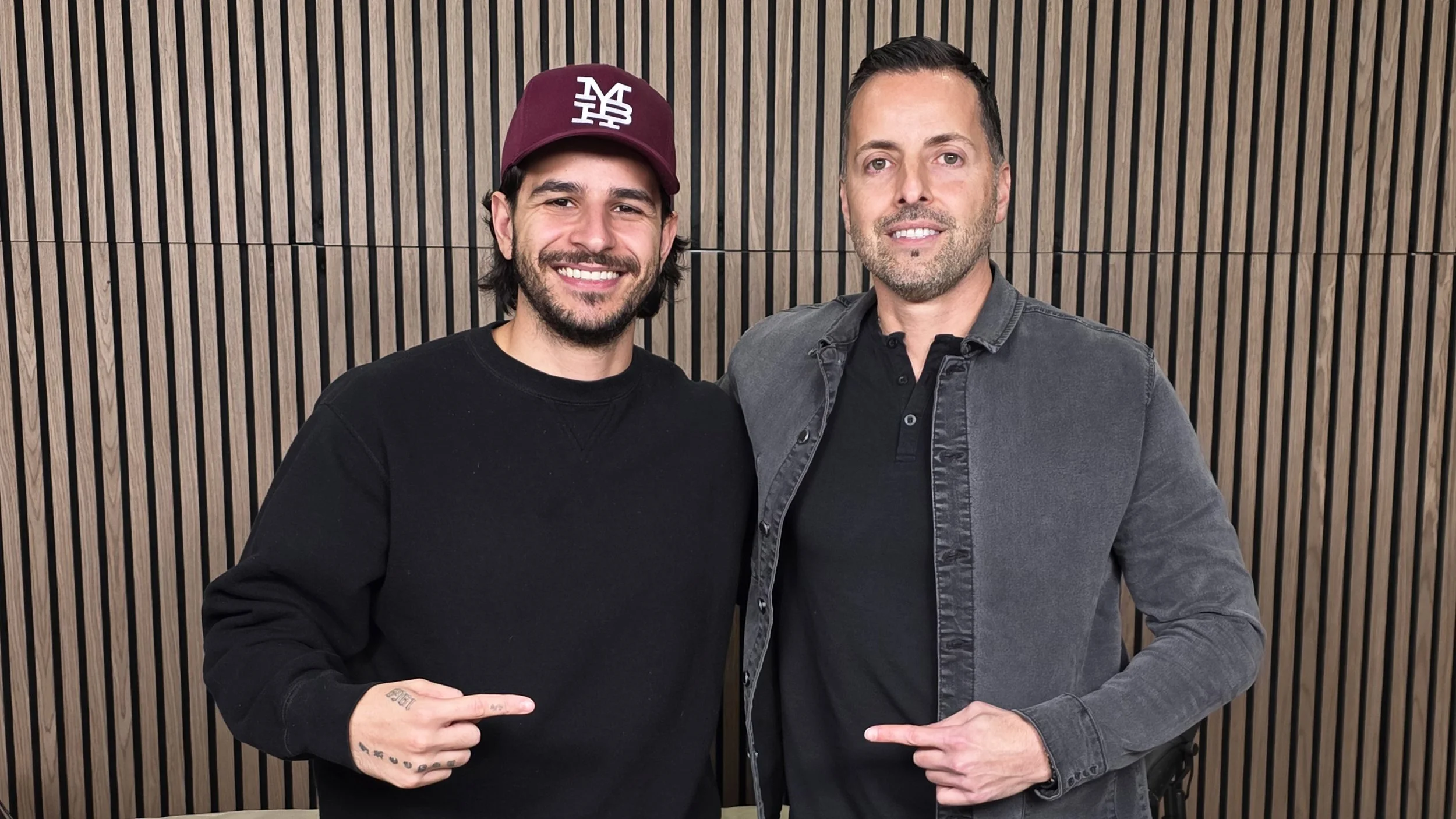
In Toronto, George Stroumboulis sits down with Anthony Sorella — co-founder of The Neighbourhood and voice behind the Money Buys Happiness podcast. From launching MBH in the middle of the pandemic to building a media machine that racks up billions of views, this episode breaks down what it really takes to win in modern media.
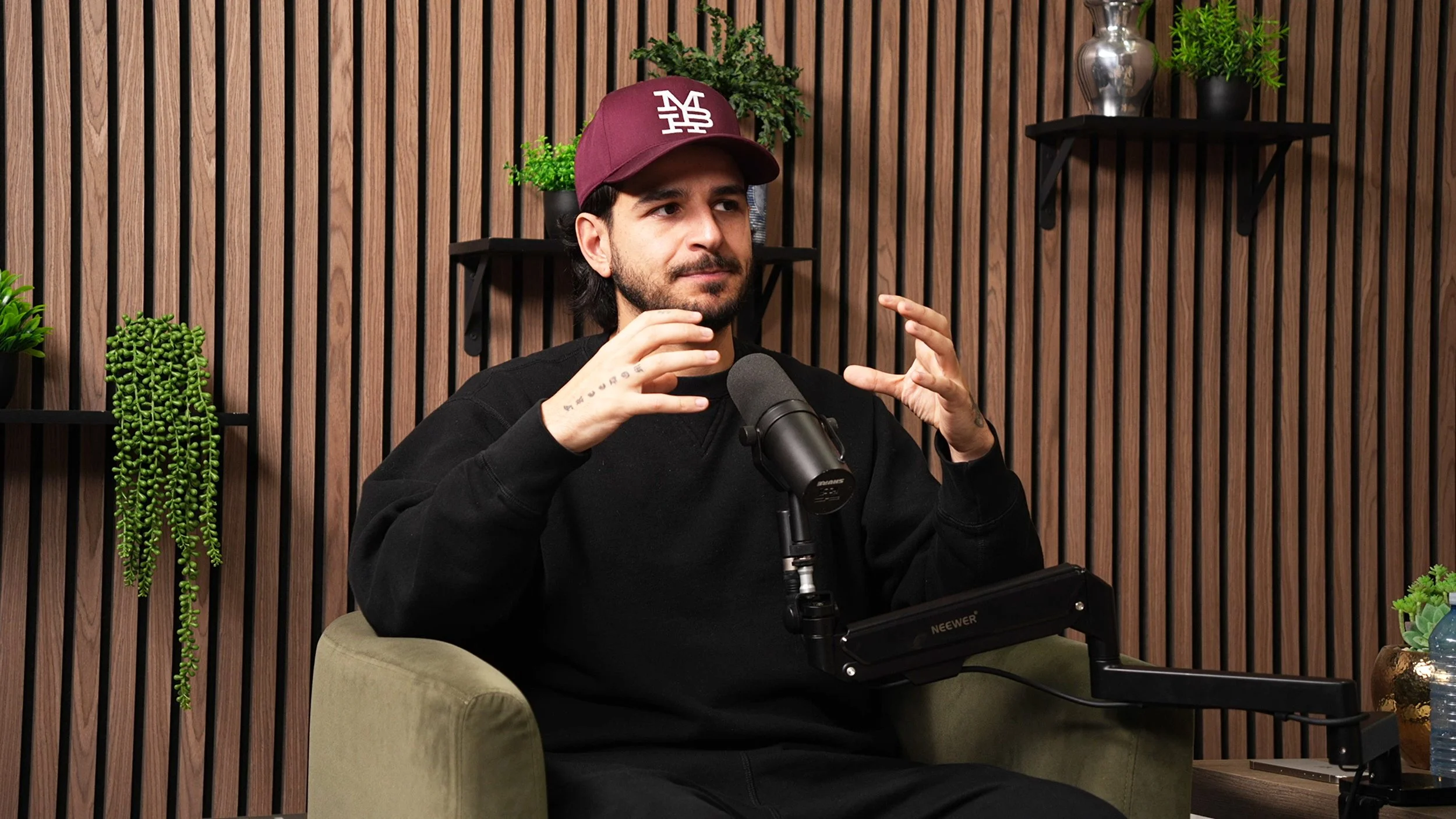
George Stroumboulis meets Anthony Sorella in Toronto — co-founder of The Neighbourhood and host of the Money Buys Happiness podcast. They talk early hustle, building a media brand with his partner from the ground up, launching a podcast when the world shut down, and why authenticity — not polish — is the real growth engine.

Recorded in Toronto, George Stroumboulis sits down with Anthony Sorella — co-founder of The Neighbourhood and host of Money Buys Happiness. The conversation explores how a pandemic-era podcast evolved into a major media platform, how top guests are booked, and why speaking raw continues to outperform traditional media.
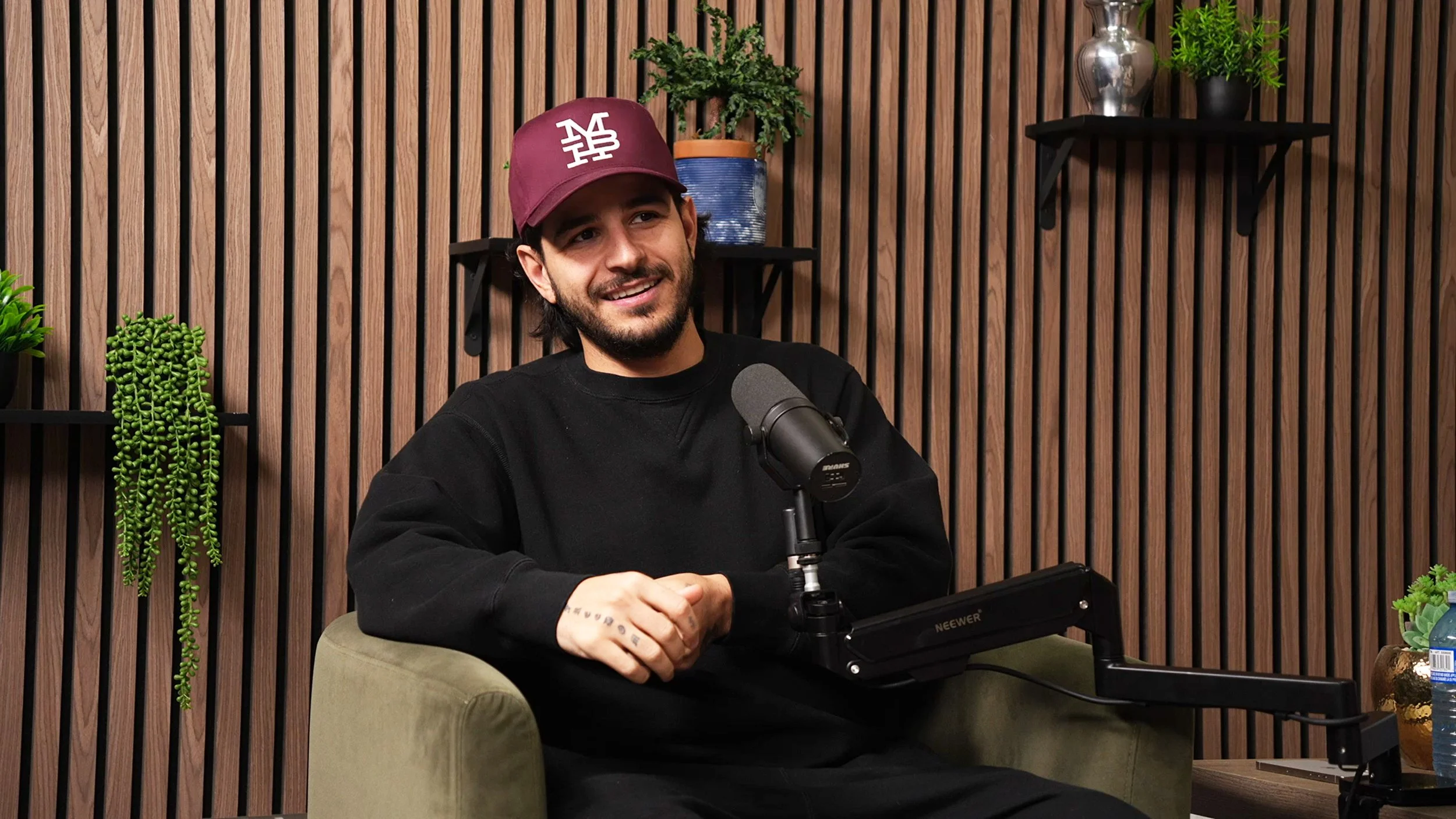
George Stroumboulis sits down in Toronto with Anthony Sorella — co-founder of The Neighbourhood and host of the Money Buys Happiness podcast. No filters, no fluff. From starting out to launching MBH during the pandemic, this episode breaks down how real conversations, major guests, and relentless consistency built one of Toronto’s fastest-growing media platforms.
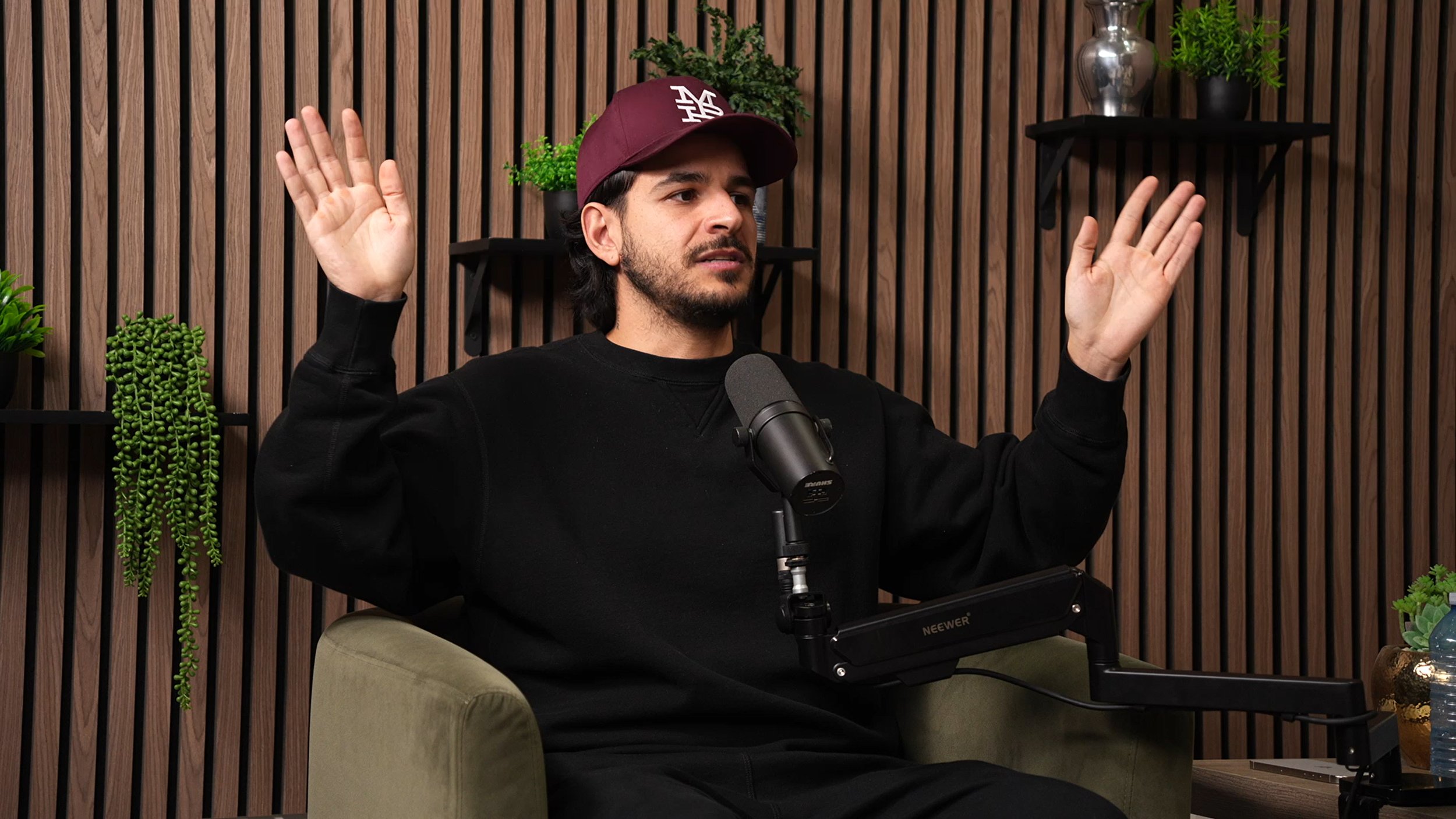
George Stroumboulis sits down in Toronto with Anthony Sorella — co-founder of The Neighbourhood and host of the Money Buys Happiness podcast. No filters, no fluff. From starting out to launching MBH during the pandemic, this episode breaks down how real conversations, major guests, and relentless consistency built one of Toronto’s fastest-growing media platforms.
ABOUT THE “INVIGORATE YOUR BUSINESS” PODCAST
The Invigorate Your Business with George Stroumboulis podcast features casual conversations and personal interviews with business leaders in their respective fields of expertise. Crossing several industry types and personal backgrounds, George sits down with inspiring people to discuss their business, how they got into that business, their path to the top of their game and the trials and tribulations experienced along the way. We want you to get inspired, motivated, and then apply any advice to your personal and professional lives. If there is at least one piece of advice that resonates with you after listening, then this podcast is a success. New episodes weekly. Stream our show on Spotify, YouTube, Apple, Amazon and all other platforms.
ABOUT GEORGE STROUMBOULIS
George Stroumboulis is an entrepreneur to the core, having launched several ventures across multiple industries and international markets. He has held senior-level positions at progressive companies and government institutions, both domestically and internationally, building an extensive portfolio of business know-how over the years and driving profit-generating results. George’s ability to drive real change has landed him in several media outlets, including the front page of the Wall Street Journal. George was born in Toronto, Canada to his Greek immigrant parents. Family first. Flying over 300,000 miles a year around the world puts into perspective how important family is to George’s mental and emotional development. With all this travel to global destinations, the longest he stays even in the most far-out destination is 3 days or less - a personal rule he lives by to make sure he is present and involved in family life with his wife and three daughters. To read about George’s global travels, stay connected with his blog section.
STAY CONNECTED WITH GEORGE STROUMBOULIS
STREAM & LISTEN TO THE PODCAST:
SPOTIFY: https://open.spotify.com/show/1rW2CmxQoiJNEPOZupJlvd
YOUTUBE: https://www.youtube.com/user/Stroumboulis
APPLE iTUNES: https://podcasts.apple.com/us/podcast/invigorate-your-business-with-george-stroumboulis/id1607693240
AMAZON MUSIC: https://music.amazon.com/podcasts/8fc03929-71b3-483a-a64e-153e30b3d462/invigorate-your-business-with-george-stroumboulis
STROUMBOULIS SITE: https://www.stroumboulis.com/podcast
PODCAST SITE: http://www.invigorateyourbusiness.com
FOLLOW GEORGE STROUMBOULIS:
INSTAGRAM: https://www.instagram.com/georgestroumboulis/
YOUTUBE: https://www.youtube.com/user/Stroumboulis
LINKEDIN: https://www.linkedin.com/in/Stroumboulis/
TWITTER: https://twitter.com/Stroumboulis
FACEBOOK: https://www.facebook.com/georgestroumboulis
TIKTOK: https://www.tiktok.com/@georgestroumboulis
CONTACT GEORGE DIRECTLY: https://www.stroumboulis.com/connect
CONTENTS OF THIS VIDEO
00:00:00 Introduction to the Episode ft. Anthony Sorella
00:03:30 Building the Creative Hub in Toronto — Anthony Sorella’s Insights
00:08:45 From Business Show to Culture Voice — with Anthony Sorella
00:14:30 Speaking Out During Lockdowns — Anthony Sorella Responds
00:22:30 Host-Only Episodes & Momentum — Anthony Sorella’s Take
00:27:30 Landing A-List Guests & Preparation — Anthony Sorella Breaks It Down
00:34:30 The NELK Deal: Access & Lessons — from Anthony Sorella
00:42:30 Launching MBH TV & Failing Fast — Anthony Sorella Explains
00:49:00 Turning the Lights Back on Themselves — Anthony Sorella’s Perspective
00:54:30 Internet Money, Community & Brand Deals — with Anthony Sorella
01:02:30 Honesty, Tough Talks & Mental Health — Anthony Sorella Opens Up
01:12:30 Partnerships, Conflict & Alignment — Anthony Sorella’s View
01:22:00 Canada, Culture & Policy Critiques — Anthony Sorella Discusses
01:30:30 Closing Thoughts — Anthony Sorella
FULL SHOW TRANSCRIPT
GEORGE STROUMBOULIS: 00:00
Welcome to another episode of Invigorate Your Business with George Stroumboulis. On today's episode, I sit down with Anthony Sorella. Anthony is a force in the media space. He is the co-founder of the Money by his Happiness Podcast and the neighborhood marketing agency based in Toronto. Through their videos and their platforms, they have over billion views across all their videos. They are creating this media empire together with his partner, and his podcast is in the top 1% on Spotify, which is remarkable. Anthony is someone who speaks his heart. He is truly transparent and authentic, and he'll teach us and show us how being that way translates into revenue for your business, your brand as you grow. So enjoy this episode starting now. My name is George Stroumboulis, and I'm extremely passionate about traveling the world, meeting new people, and learning about new businesses. Join me as I sit down with other entrepreneurs to learn about their journeys. This episode of Invigorate Your Business Starts Now. Dude, I'm excited to be sitting down with you. I've been following what you and your partner have been doing over the years. You guys are building an empire. The main thing I love about watching your content is you just say the shit that I want to say.
ANTHONY SORELLA: 01:24
Okay.
GEORGE STROUMBOULIS: 01:25
Public, like you just say it where I'm like, did he just say that? Because I feel that. Uh-huh. But it's a combination of maybe like my business, the balls, whatever. I don't share that. But I fucking laugh. Every time you're like, you'll go on rants, you'll do this. Like, it's powerful, dude.
ANTHONY SORELLA: 01:39
Oh, I appreciate it.
GEORGE STROUMBOULIS: 01:40
Um, we're gonna I have an intro I want to read, just kind of give the listener, you know, uh, an idea of who you are. Okay. Uh, my audience, um, there's a lot of international, uh, there's a lot of people in Europe, right? So I I want to introduce them to who you are. Cool. Um, so let me let me jump out with that and then we'll talk about where we're doing this, right? Okay. Um, so today's guest is someone who didn't just talk about building something. He went out and built it. Anthony Sorella is the co-founder of The Neighborhood, a media and marketing agency he built with his partner from the ground up, focused on entrepreneurship, culture, and creating content that actually connects. What started as an idea involved into a full-scale agency. And during a time when people were pulling back, Anthony and his team doubled down. During the pandemic, instead of waiting for things to return to normal, they launched the Money by Happiness Podcast, a separate platform created to explore the real relationship between money, mindset, success, and fulfillment. Since then, Anthony has sat down with major guests across business, real estate, finance, and entrepreneurship, having conversations that aren't scripted, aren't polished for approval, just honest direct dialogue. Together, they've grown the neighborhood into a media and marketing hub in Toronto, producing long-form podcasts, short form content, and campaigns at scale. Across their channels, their work has generated billions of views with the B, not because it's manufactured, but because it's real, raw, and resonates. What I respect most about Anthony is that he says exactly how he sees it. No filter, no bullshit, no fluff. And that's awesome, especially in this day and age. So, Anthony, welcome to the show. Wow, man. In your studio.
ANTHONY SORELLA: 03:18
That was awesome. Yeah, yeah, in our studio. First of all, thank you. That was an incredible uh uh intro. I appreciate it. I don't think anyone's ever done that for me. So that was a big boy. That was a big one. Just facts, man. Yeah, for sure, for sure. And uh yeah, welcome. Grid studio. It's awesome. Yeah, here in Toronto.
GEORGE STROUMBOULIS: 03:33
Yes. So tell, I mean, there's a lot. I want to talk about culture, Canada, U.S., like your but your hustle story. I've listened to some of your content recently. Um, just like your story, where the hunger for money came, your background, all this stuff. So, first of all, talk to us where are we sitting right now and like what what's so special about this space and what you guys are building?
ANTHONY SORELLA: 03:52
Yeah, yeah, for sure. Uh so we're sitting inside Grid Studio, which is inside our sort of creative hub here in Toronto, Canada, that is sort of built off the backbone of Neighborhood Creative, which which you mentioned, which is our marketing agency. Um, this is the evolution across seven years of building this thing. Like you mentioned in the intro, uh, myself and Ernesto um had the idea for an agency, went through many different ideas, concepts, how we build it. You know, you build the uh you build the uh the business, you put the business on paper and then you never actually follow that plan. Right. And long story short, we're here. So it's special, it's special because it is a space that I always dreamed of having. You know, this is 4,000 square feet. Um our idea started in Ernesto's basement, you know, maybe a couple hundred square feet to an office that was about 800 square feet, and to an office that was like 1,400 square feet, and then here. So the evolution's been awesome. Um, you know, definitely through some wavy times here in Canada. I know across the world, but here in Canada specifically with COVID and all that. And uh so yeah, it's super special because it's a space that we've worked a lot for. We worked very hard and um and never took no for an answer on the way.
GEORGE STROUMBOULIS: 05:07
Yeah. So well, so a couple things. You like you you become synonymous with like Canadian culture, like you guys are representing Canadian culture. Like as a Canadian born and raised here up until 19 and now living outside. Like I I go to you know, the Money by Happiness podcast, your content to kind of feel plugged in from the outside, what's going on in Toronto? Cool. Even though you guys are doing stuff outside the world, yeah. Um, there's a few podcasts, a few people that I follow where I'm like, okay, I know what's going on, these are the issues, yeah, which is great. Well, like, was that your intent? Like to be a culture hub?
ANTHONY SORELLA: 05:39
Uh you know what? Not really, if I'm being honest. Um, it kind of transformed into that out of like necessity. We felt like it was it was necessary. Like, you know, you mentioned the agency is very like we're we're B2B, you know. We work with businesses, help them grow on social media. We launched that in 2019, and that was just supposed to be a marketing agency. You know, there's millions of marketing agencies across the world, and none of them tap into politics or social issues or anything like that. So that that was neighborhood, and then money buys happiness, like like you mentioned, when we launched it in 2020 during COVID.
GEORGE STROUMBOULIS: 06:10
Um that was during like like COVID happened in March. And then when did you guys actually launch March?
ANTHONY SORELLA: 06:15
Oh, like literally, like it was it was two weeks into lockdown, everything shut down, the world shut down. We had some money in the bank account, and I looked at Ernesto and I said, if everyone's gonna be on their phones now more than ever, but all of our clients don't want to poke pay to be posting anymore, like that sounds like the stupidest thing. So, at least in the meantime, why don't we just be more online than ever so that at least one day when the world does come back, they're gonna remember our faces. And so the idea for Money Myers Happiness initially was it was a business marketing podcast. Like, if you go back and look at our first, I'd say 20 to 40 episodes, it was very business focused. Yeah, we were sitting down with other entrepreneurs we knew in our network doing all that. Um but then as things continued to progress with COVID, um, and Toronto and more specifically Canada was just in these like insane lockdowns and nothing was making sense, and you gotta stay home, but myself as the prime minister, I'm gonna fly everywhere and go on vacation. I'm looking around saying, what the fuck is going on here? Like sorry, can I swear?
GEORGE STROUMBOULIS: 07:22
I mean, absolutely. It's urged.
ANTHONY SORELLA: 07:25
All right, I'm like, what the fuck is going on here? This is not not making sense. And obviously things are happening, vaccines, you gotta get a fucking, you gotta get 20 shots, you gotta do this, you gotta wear a map, you gotta go to a restaurant, put a fucking mask on when you walk in, sit down, take it off, and you have to go to the bathroom, put up. Does the does the virus only live at uh five feet, not but not at three? So, anyways.
GEORGE STROUMBOULIS: 07:44
And you couldn't even question, like so, like not even to jot dive into that. Yeah, you had all these mandates and you couldn't even just ask the question, hey, does that make sense?
ANTHONY SORELLA: 07:52
Well, that's where I started. So I started saying, I started going on social media, and my first sort of like break breaking into like saying whatever the fuck was on my mind idea, like that that sort of uh persona, I guess if you want to call it, was just being like, why? Why can't we do that? Or why do we have to get this? Or why do we have to shut the restaurants down? Or why can't I go see my grandma? You know, whatever. And the responses I was getting were crazy. You're a grandmother killer, you're a fucking idiot, you don't know anything. You listen to the scientist, listen, who the hell are you? And that was just like my villain arc. I was like, Oh yeah? Oh, this is so who the fuck are you?
GEORGE STROUMBOULIS: 08:29
Exactly.
ANTHONY SORELLA: 08:30
You so who are you to tell me I can't ask questions? So when I started getting that response, that changed everything for me. So I started off very like, I want to say innocent, like just being like, Well, why are things like that? And I was asking innocently. I wasn't asking like as if I was trying to get a certain answer. I was genuinely asking what I believed were very normal questions to ask in a situation like this. We're in a quote unquote worldwide pandemic, no one wants to ask what's going on. Like, I don't know. That that's kind of that seems that seems weirder to me than actually asking the questions.
GEORGE STROUMBOULIS: 09:01
Exactly.
ANTHONY SORELLA: 09:01
So that that's when kind of things started. So to your question about money by happiness, well, it started off as very business focused, but then I started on my personal brand via my stories and stuff, asking questions and then getting certain responses, and then that pushed me harder on my personal social to start asking even more questions. And then that I started getting even a bigger blowback. Was it more blowback than support? At the beginning, it was 90% blowback, 10% support. Right. And and but that motivated me more. Like, I was like, Oh yeah, like okay. I I was liking the engagement. I was like, Yeah, fucking you did, eh? Most people would be like, All right, I'm gonna back down now. And dude, everyone telling me, like, you know, my girl telling me to stop. Right. My sister, stop, you know. My you know, at that time, then we had brought on some business partners, Ernesto's sister, my sister came on neighborhood as minority business partners. You're gonna ruin the business, you're gonna fuck everything up. I said, We don't have business now, anyways. Yeah, exactly. Our clients are all gone. So what's the fucking difference? And then the and the way it's looking is like Canada wants to destroy business anyways. So if they're gonna if they're gonna take me down, I'm gonna go down swinging.
GEORGE STROUMBOULIS: 10:06
Exactly.
ANTHONY SORELLA: 10:07
So you know, and then Ernesto kind of jumped on the on the bandwagon with me. Was he more reserved like during that in the beginning? Uh I mean, we were we were having a lot of conversations, but I think at the beginning I was a little more open to going on social media and saying it because his Ernesto's image on social media is especially at that time was very positive. Like everyone loved Ernesto, right? And they still do. I was just like kind of there in this, like, I don't even know. I was just living in this world on social media. I was kind of this guy, kind of that guy. Um, which doesn't help. If you wanna if you want people to love you, you gotta be very um adamant on who you are, and you need to be opinionated because there are else people are gonna love you or hate you, but you need to have opinions, and I didn't have any. But this was really I felt really strongly about this. So I decided said, fuck this. I'm going super hard on this opinion because it's something I believe in. And again, if no one's gonna do it, I don't care, I'll be the guy and kill my business, kill everything. I don't have anything, anyways. That was kind of my mindset, and that sort of transformed into the pod. So then eventually started we started doing like host episodes, me, just me and Ernesto, which we had never done before. First, it was always always having a guest on, but then I'm like, dude, we have so much to talk about with this COVID shit. Like, and and based off of like I'm showing him my DMs, like, dude, look at these DMs. Like, I'm getting thousands, and I had maybe 18, 19,000 followers, but I'm getting thousands of DMs. I go, the engagements on this is crazy. Like, this is the hot topic. Let's not yeah, mostly hate. But but again, I was like, fuck it, like let's go, like let's hate. And so then we started doing host podcasts, yeah. And that kind of just was me and him talking about this. I'm talking about you can only go to the park, all this crazy shit, right?
GEORGE STROUMBOULIS: 11:44
Um, I was plugged in even during the host ones during that. I was I was plugged into like those episodes, like just people started loving us for that. And really quick, you know why it was so important for me? Because I'm Canadian, I'm living in California, and California is kind of crazy in its own right. But I live in a bubble where we had two weeks lockdown. Yeah, the rest was like I'm at the beach every day with the girls, my daughters, but my sister and her sons, who are teenagers, are going through it here. So, like, I was plugged in through your podcast, kind of getting a feel on like where are these like-minded people going at, you know?
ANTHONY SORELLA: 12:16
No, of course. And and and there wasn't many of us at the beginning, and so we went to the pod and we excuse me, we created that sort of outlet for a lot of people, and then that's what really transformed us into like more of like a cultural brand rather than just being like very like only entrepreneurs, like sharing those stories, which we still do, but that transformed us into that world. So, again, I know I did a big loop, but to get back to your answer, the plan was never that. Um, it just happened organically, and I think that when things like that happen organically, that's the best way.
GEORGE STROUMBOULIS: 12:47
Absolutely.
ANTHONY SORELLA: 12:48
Because you're not really trying. I wasn't trying too hard. I was just giving my opinions, talking about what was happening around me. And then people like yourself, Canadians outside, were like, holy fuck, dude, it seems like you're in prison. I'm like, Yeah, I am. Like, take the fucking shackles off. And then the people who were here that were feeling the same way, slowly. I was telling you, it was 90% hate, 10% love, slowly that started to change. 70, 30, you know, uh, 60, 40. It started to change because people were waking up, opening their eyes, and then a lot of them were saying, Ah, this guy's saying out loud what I'm too scared to say because I don't want to lose my job, I don't want to lose business, uh, my family won't speak to me, whatever the case was. And so we became an outlet for those people. And I think that's where Money Buys Happiness and Anthony and Ernesto were really born as brands and as people who were well respected and in in some sort, right, to certain people, was because we did that. Absolutely. And so I think that's when it really started to um come to life. Like at least my brand and the brand in general.
GEORGE STROUMBOULIS: 13:47
Well, and you guys are super relatable, right? Like even now, like we've chat on social media outside grabbing a coffee with you, or not just like normal dudes, you know, but you guys have become a voice, and like you've sat down with some of like the biggest guests, yeah. Like, think about like let's stay on the podcast really quick, and then we'll jump into like the business side. But like, so you guys build this, you have a huge following, you're sitting down with like names, Gruppman and all these big names, right? Patrick Bet David and huge, like how what was that evolution and like where are you guys going from here?
ANTHONY SORELLA: 14:18
You know, yeah, it was uh man, it was really it was surreal, you know. These are people that we looked up to um and who are just massive names, massive brands, you know. There's they can walk into rooms or you know, uh places and have thousands of people swarming them for autographs and uh advice and this and that, and we were being uh granted, you know, two, three hours alone with them. So just getting that opportunity felt incredible, right? It was you you kind of have at the beginning when it first started happening, we started getting into these rooms, there was a lot of like imposter syndrome. Like, do I even belong here? Like, what the fuck am I doing in a room with Patrick Bed David? What the fuck am I doing in Dave Gruppman's condo while he's on FaceTime with Kim Kardashian? Insane. And I'm seeing this, I'm seeing it live. I'm three feet away, and I'm like, Who the fuck am I? Like I started asking myself that question, right?
GEORGE STROUMBOULIS: 15:16
But as time goes, what did you answer though? On like that first situation where you like, let me fake something, or was it locked dude?
ANTHONY SORELLA: 15:23
There's no other the only way I can explain it is lock the fuck in.
GEORGE STROUMBOULIS: 15:26
Okay.
ANTHONY SORELLA: 15:26
Like you, I'm an athlete, like as a kid, I was a big athlete. So soccer, okay, huge. So it was like the only all I kept telling myself was like I'd get that thought, but then it would just be like, bro, it doesn't matter. Like, just lock the fuck in. Like you, you're getting like 60 minutes with this guy, like on camera. If you're lucky, like nothing else matters other than that. Absolutely. You know, so just like dial in. Obviously, we're not stupid guys, we come prepared, we have questions, we know exactly the way we want the conversation to flow, what he's gonna ask, what I'm gonna ask. If things go this way, how are we gonna, you know, we we treated it like a every every conversation with somebody that big was it was like we had a business plan with like 50 different ways that it could have gone.
GEORGE STROUMBOULIS: 16:08
Oh, you approach it like that.
ANTHONY SORELLA: 16:10
Yes, every every episode was approached by like this is we want it to go this direction, but if it goes here, we know exactly what we're gonna do. If it goes here, we know what we're gonna, you know. So, anyways, we we always had those plans. So I although you get that imposter syndrome a little bit at the beginning, it was just like, dude, lock the fuck in. Like, there's no other way to put it. I know that's like a cliche thing, but that was the mindset was just lock the fuck in. You got Dave Gruppman, he welcomed you into his house, he forced you to eat. Fucking guy forced You did that at his house. We did it at his house.
GEORGE STROUMBOULIS: 16:40
What background for those that don't know David Grubman, they don't know hospitality or top venues in North America, right? Or the world.
ANTHONY SORELLA: 16:47
Yeah, uh man, you're talking about everything Komodo, Gecko, you're talking about uh live, like these are the biggest clubs and restaurants in Miami that like the most famous people in the world frequent.
GEORGE STROUMBOULIS: 16:57
Yes.
ANTHONY SORELLA: 16:58
The biggest soccer players in the world when they haul when they go to holidays in Miami over the over the break from soccer, they're going to his restaurants. Like the everybody, the the Kardashians, they love him. Like this is their guy. Like he's the guy. So when when everyone comes to the States and either goes to they either go to Miami or or LA usually, yeah, New York as well. When they're in Miami, he's the guy that owns every single venue, restaurant, club, nightclub, bar that these famous people want to go to, he owns it. Just as a just as a reference. So we're in this guy's condo. It's a ridiculous fucking condo. I've never seen anything like it, you know. And so yeah, you're just you're talking about a guy. I'm just like, dude, I'm just a guy from Toronto that's like, I had this fucking podcast. I was talking about COVID. How the hell did I get here? Right. You know, so and quickly, right?
GEORGE STROUMBOULIS: 17:42
Like two weeks into COVID, you guys weren't like, huh, three months in, let's figure this out. Two weeks, you guys fucking pivoted, created this podcast, and then what within a couple years you're talking to David Gruppman and his friends.
ANTHONY SORELLA: 17:53
Yeah, within, yeah, within a year and a half.
GEORGE STROUMBOULIS: 17:55
That's insane.
ANTHONY SORELLA: 17:55
But I mean, man, that just comes down to like what kind of person you are, you know. Like I I I I it started as a like as an athlete. When I was a kid, I was an athlete. That's where it started. I started to get that dog and that dog mentality, and then you just you know, bring it into business, and then in business, you know, I have a bunch of ventures and that's how I act, right? So it was when when COVID happened and everyone was like, oh, finally a break. I'm like, what fucking break, dude? I'm an entrepreneur, like I don't have time for a fucking break.
GEORGE STROUMBOULIS: 18:22
Right, right, right.
ANTHONY SORELLA: 18:23
I think I took like one day, and then I was still at the office every day with Ernesto trying to figure out like what the fuck are we gonna do here? Even though we had no like where's the world going, we were like, we gotta figure something out, right? So that that that just comes from being a dog, like how bad do you want to succeed, right?
GEORGE STROUMBOULIS: 18:36
And Ernesto was on the same level.
ANTHONY SORELLA: 18:38
That's why we work so well together. You know, we we have different strengths, but our mentalities are very aligned, right? So that you know, that that that's a whole other conversation, but yeah, so so that was it, man. It was dog mentality, COVID happened. Fuck it, let's start this podcast. And starting the podcast, and it was speaking my mind, which you know still to this day is very important to me. And then that, you know, that opened up a world that I couldn't have planned for that, right? And I think that's what a lot of people don't understand is authenticity will take you places you could never imagine, right? When you when you when you speak and act with authenticity, you'll find yourself over time in places you could have never dreamed. And there's no plan. You can't plan that, right? So a lot of times what I tell people is like whether it be in business or just in life in general, like if you don't want to be in the same place you were yesterday, the first thing you need to start doing is just being honest. And it starts with yourself, like being honest with yourself, being authentic with yourself. Because that that's the first thing people do. Every people wake up every day and lie to themselves. Well, I love this job that I work, or I fucking love this girlfriend that I have, or this boyfriend that I have, but meanwhile, you fucking hate them. Yeah. Or you know, oh, I love doing this. Like, you don't, dude. You don't, but you lie to yourself every day. You wake up in the first the first act. Imagine this 99% of people wake up every day, and the first act they do is lying to themselves. True. Let me ask you this though. Sure.
GEORGE STROUMBOULIS: 20:00
You realized that during COVID. COVID was the big awakening for me when it comes to that. So your realization though was publicly. So, hey, I'm speaking my mind. I'm getting a response. The response is helping me and my business partner build a business. We're getting in front of some people. Financially, things are taking off. What about the average person that doesn't have that platform and is not going to see those results? It's easy for you to sit in that chair or me and be like, change it, speak your mind. But to your average person working in an office, like, how do you do that?
ANTHONY SORELLA: 20:27
Oh, it's very, it's very simple. Like it doesn't, again, speaking your mind doesn't have to be publicly on social media, like grabbing your phone and going, like, oh, I fucking hate this, this, you know, this politician.
GEORGE STROUMBOULIS: 20:36
Yep.
ANTHONY SORELLA: 20:37
What about the people around you? Wake up. And if if the person you live with, you know, your husband, your wife, your boyfriend, your girlfriend, or does shit you don't like, be straight up with them. I'm not saying go out there and blast them or you fucking suck and stop doing this, but start having honest conversations. Oh, you your your family member treated you like shit for so long and you took it. Fucking stand up for yourself. Go tell them. Again, doesn't mean you have to fight that person. Doesn't have to be an argument, but start having honest conversations. Your boss treats you like shit. One of your coworkers never does his fucking job and it gets put onto you. Speak.
ANTHONY SORELLA: 21:12
Yeah.
ANTHONY SORELLA: 21:12
Start talking. Like, and and and that's the number one thing. So that's why I'm saying so it's it doesn't have to be publicly on social media to see the results. I bet you they see better results like that. The guy who wakes up and hates his fucking job or wakes up and maybe he maybe he's okay with his job, but his boss treats him like shit and his co-workers don't do their work. And do you know how good that guy's gonna feel if he just wakes up and starts being honest with people? Absolutely. Just that. You start tapping into your authenticity. What happens from there? Things start to change. People start looking at you, they start having more respect for you. You start gaining confidence in yourself. Holy fuck. Then maybe you might actually quit that job because you've gained the confidence to say, I deserve better than what's around me. Right. Right. And so for me, it was publicly online, and I realized I deserve better than what's around me, right? In the positions I'm putting myself in the rooms I'm putting myself in. But for an everyday person, that's just done through what's, you know, what's around you. Your job, your your significant other, your family. That's where it starts.
GEORGE STROUMBOULIS: 22:08
Would would you say like that's where you're building? I know you're still young, right? You're in your 20s. 29. 29. But like when you're looking in a future, like that's sounds like your legacy, right? You want people to speak up for themselves.
ANTHONY SORELLA: 22:19
Dude, a hundred men, there's nothing more, like, there's nothing more important. That's why I say it's like people, you know, I see all these people on social media, these young guys, I'll speak to young guys, right? Who want like they have the feeling that they want to succeed. They want, I gotta be this rich guy, yachts, cars, whatever. That's great. And everyone wants it. Believe me, I want it too. But none of that fucking matters. Learning how to trade crypto or do email marketing or teaching business, you know, selling AI, none of that fucking matters if you can't be honest with yourself. Right. So the first step in being successful is learning how to be honest with yourself, which means being honest with everyone around you, at least that you care about. You don't gotta go and you know, give the world's best advice or go blast somebody that you don't give a fuck about. But it starts with the people you love, your friend, like your good friends, your siblings, your family, stuff like that. So that's the ground level. That's where it starts. I happen to practice on strangers. Fine, that that was my way of doing it, but that made me feel better. You know, you like you know, I I had a I had a moment, I don't know, a couple years ago, where I was just going mental and and my girl was like, dude, like I was I was having depression, I was feeling anxious, I want to leave my house, like whatever. During COVID. Uh no, post-COVID, post-COVID, um, maybe like two, three years ago.
GEORGE STROUMBOULIS: 23:39
Yep.
ANTHONY SORELLA: 23:39
And a lot of it was because I just wasn't having my my last stage in in the whole like being honest with people was like like I'll say my family, but like my immediate like the like my my my mom, my dad, my sister, people really close to me. And I was refraining from having tough conversations with them that I've just because I was always like, whatever, just make sure they got like that they're happy, that they're taken care of, right? Like a lot of what I do here is to take care of my family. Yeah, beyond everything, beyond the nice cars and everything. Like I work first for my family. And so they were like, my hardest thing for me was the or the last stage of it was having suit. I'm talking like not like tough things, like you said a mean thing to me, or I didn't like it. I'm talking like going back on like my childhood and like being like, yo, I don't like the way that this happened. Oh, rehashing that and yeah, and re-bringing things up because that shit, I believe, at least stays deep inside of you. And as years go on and you don't tackle things like that, it it'll eventually get to you. And so I started having like these random heart, heart pains. And I dude, I was like, I was doing uh tests on my heart, like I was going like to the max from a medical level, and they're like, dude, there's nothing wrong with you. Stress, just internal internal stress that was causing these things that were like mimicking heart attacks. It goes, fuck things I never spoke about. Yep, and uh ultimately it came down to me having to be honest with certain people, like literally, like that actually fixed my life.
GEORGE STROUMBOULIS: 25:01
But who made you bring that out though? Like that's not easy, dude.
ANTHONY SORELLA: 25:04
Yeah, I mean, I mean it's a little bit of just self-reflection, which I think is like what does that look like? For me, it looks like it's long drives. Like, I'll just I'll be like, hey, I gotta go do my own thing, and I'll take like an hour drive and just like literally in silence and just think and think and think. Um, and then I have one really good friend. Shout out my fucking my my my best friend from uh elementary school, he's my longest friend. We got baptized on the same day. Lou, I love you, bro. Uh, he's like very philosophical, he's a super philosophical guy, and one of the smartest guys I know. And I always go to him with my issues, and I'm going through this, and he's like, dude, I think you just have a lot of tough conversations to have. And I'm like, fuck yeah, that opened up the the door to thinking, and then I that that pushed me to where I had to go. And then I came back to him like, okay, I think you're right, and I have all these conversations I want to have, but dude, it just feels like I have so much to say to so many people, like I don't know what the fuck to do. And the best advice he gave me was when you when like you when you have a to-do list and it feels like huge, tackle things one by one. So go have these conversations and just knock them off your list one by one. And that's what I did. I started going to the easy dude. When my mom started telling her about things she did, you know, whatever. And I told her, listen, I'm not trying to bring up the pat, but boom, my father, my sister, my girl, like just knocking off things that I've been holding on to for so long, and my life changed. Like again, so I so I I learned how to be open and honest about my opinions and my thoughts with strangers, and then people like the I'd say the secondary levels, like my co-workers, my business partner. But I was missing that final level of like, I'm talking like real deep conversations with the people I love, you know, sitting down and just saying, like, this is how I feel. I'm not telling you that it's right, but I'm telling you just what's on my mind. Yeah, and I'd love to hear what you have to say about it, you know. That's mature, man. Dude, it is tough, but but I I think what people are scared of those conversations as I was. Like, I like I didn't even realize I was, but you know, the the way that the relationship grows after conversations of that level, you know, I have the best conversations, I have the best relationships in my family that I've ever had.
GEORGE STROUMBOULIS: 27:13
Really?
ANTHONY SORELLA: 27:13
Because of that, of course, man. Of course. Like imagine with your wife, right? Like, you know, I I always talk to my girl about this. I say, like, me and her will like dissect our issues to like, I'm telling you, to like the point of no return. Really? Like, we will try to get to the deepest bottom of why something may have happened or why we're having a certain conversation or a certain disagreement. Like, we will we'll spend one dinner, two and two and a half hours, and again, it's not arguing, it's but she's giving me her points, I'm giving her points, and I'm actually trying to put myself in her shoes. And she's actively trying to put herself in my mind and get to the bottom of something. And sometimes we do and sometimes we don't. But what I believe that does is that tells the other person, like, I actually love you this much that I'm really trying my best to understand, truly trying to understand why you feel that way about what I did, or vice versa, or the thing I said, right? And so when you approach the relationships with the people you love at that level with that much respect, there's like you're you're just building the relationship to a level that like it it can't break. Nothing, nothing can get get between you two, right? I'm I'm speaking about a wife, but that could be a mother, a mother and son, a father and son, a sister and brother, whatever, right?
GEORGE STROUMBOULIS: 28:34
Dude, that's huge. I I mean I'm much older, I'm 44, and like I'm very direct in ways with you know, if I want to tell my mom something, or my dad, very direct, like my sister would be like, sometimes you're a hard ass, but it's like I get to the root, but in like the relationship side, I guess the point is where I could leave it for me, is like there's always room to grow. There's always always room to grow.
ANTHONY SORELLA: 28:54
Always, man. Always, always. And yeah, I think that's but but but that but that mentality in life itself is what's important. Like we don't know everything, you know. Like we we don't have the answers to everything, and sometimes I'm like I'm like you, I'm very straight to the point. Now it's like, dude, like you piss me off, you do something I didn't like, or I think you should be doing something a different way. Like, I don't care, I'll tell you fucking dead straight. Like, I have no my mom, my dad, my sister, it doesn't matter. Yes, but I've also learned that like sometimes I'm not always right, so I'll spit my point at you, but then I actually want you to like come back and tell me maybe why you think I'm wrong. Sure. And let's go. That's right. Let's debate, like, let's go back and forth, right? And not the the key to that though is not doing it like with an angry tone, which which was my problem. Because I'm very much like, no, no, no, I'll I'll get heated in debates, right? Um which removes the whole message, right?
GEORGE STROUMBOULIS: 29:50
Anytime we get heated or the passive aggressive or destroys everything, right?
ANTHONY SORELLA: 29:54
Destroys everything. So I know I'm going into loops here. I know we were on a loops are good, dude. Loops are good. I know we're gonna have different conversations, but yeah, these are all the things I learned from just telling shit how it is, yeah. You know, which which will take you to a into the stratosphere. You know, take you to the stratosphere.
GEORGE STROUMBOULIS: 30:11
So, okay, this is great. Podcast to close the loop there. Yeah, please. Sorry, I keep opening loops. No, no, man. Loops are this is good. So MBH explode top 1% in the world on Spotify, like just huge, dude. Right, like absolutely huge. Talk to me a bit for those that are Nelk fans, yeah, right, with Kyle Forgard, and like you guys ended up having an agreement or they they saw what you guys were doing, like tried to bring you in. Yeah, like just talk about that. Like, that's a huge achievement as well. Yeah, right, and where it went?
ANTHONY SORELLA: 30:40
Sure. Yeah, yeah, yeah. So uh again, being smart guys, strategic guys, everything we do is with a purpose. We never just do things just to do them. We brought on uh 905 Shooter, which was their like OG videographer who had never done a podcast, who was exiled from their group for sending unsolicited picks to people. Okay, we've been there, done that. Yeah, yeah, yeah. I don't know, I've never done that, but hey, whatever. Uh I've only sent solicited ones, but um so whatever. And and he never had a chance to speak. So in my mind, we always knew we wanted to get Kyle on because he had never really done a podcast other than his own. So that was being the goal. So, how do we get his attention? Well, why don't we get his exiled member on, who is from our city that we live in, and who would probably be open to talking about the situation because no one's given him the floor.
GEORGE STROUMBOULIS: 31:31
Yes.
ANTHONY SORELLA: 31:31
The last thing was he did this bad thing, he's exiled, and now fucking guy's suicidal.
GEORGE STROUMBOULIS: 31:37
Yep.
ANTHONY SORELLA: 31:38
So we bring him on again with that intention, a to give him a chance to speak, which was a cool sort of outlet for him, and vice versa. And we we also wanted to get his attention. So we did that, we end up getting his attention. Um, and long story short, we get his attention back and forth for months and months and months and months and months. Um, when I say back and forth, months and months and months and months and months, I was talking to him more like I was just annoying him. Like I'm very persistent, especially when it comes to business. I knew what a partnership with Nelk could do for the podcast. So I would voice note him daily, text him daily with no responses, by the way. Like I had no fucking shame. I didn't care.
GEORGE STROUMBOULIS: 32:14
Good.
ANTHONY SORELLA: 32:15
Back, back, back and forth, back and forth, back and forth. Finally, we end up getting him on the pod. I guess before he signs us, he wants to come on the pod, meet us in person, see what the whole situation's like. He comes on, episode releases, million views in like 24 hours. Our biggest episode, Miami. Yeah, and uh it goes crazy. Long story short, he's like, Yeah, this was awesome. We'll sign you guys. They sign us, and that's what ended up putting us in rooms with guys like Patrick. No, uh, Patrick, but they even know was later Dave Grupptman, Sugar Sean, you know, UFC champion, guys of that stature. And uh that experience was incredible. The the the incredible part of it was being able to get in those rooms, like that gave us the initial bump to get in the rooms, then we did the rest of the legwork, obviously. Um but other than that, it was no dream, if I'm being completely honest.
GEORGE STROUMBOULIS: 33:02
Like how how?
ANTHONY SORELLA: 33:04
Like from because it just we we were just promised things that we didn't get, yeah. Um, which is fine. Like when we said that, a lot of they they have like a very hardcore fan base. So if like you say one night, you could come with like full-on receipts of like something bad that they did, and their fan base would find a way to be like, it's your fault, right? So they're passionate, right? Like they're very passionate, which I respect, right? Um, so yeah, we just things things that were agreed upon we just didn't get. Um and yeah, so it it it fell they fell short in what they owed to us, and we were over delivering on what we were expected. So that's not a good relationship. Right. Who likes that kind of relationship? I'm doing more than I should, and you're not doing at least the minimum of what you said.
GEORGE STROUMBOULIS: 33:49
Abs absolutely. And and the luster of like milk and that whole empire doesn't matter if you're working and not getting what you correct.
ANTHONY SORELLA: 33:55
Yeah, it didn't matter, right? Listen, again, uh about it was a 12-month deal. About three months in, we found out very quickly that this was going to be a very one-sided partnership. But again, mouth shut, kept working, and then we just did our best to utilize our connection with them to get more uh uh bigger guests. Yeah, hey, we're we're signed to them, we're signed to them. We just kept saying that, right? It helps open doors, yeah. Of course, it opened a ton of doors. So in hindsight, it's like, yeah, like at the end of the day, we didn't get what we wanted out of the deal, but we were opport were opportunistic, and so we used that signing to open a million doors that we would have never opened, or maybe would have taken us a much, much longer period of time to open. Sure. So yeah, that's pretty much that. That was pretty much that. And yeah, coming to the end of our deal, we could have stayed on another year or whatever. Oh, you still stuck out your deal, your original deal. We stuck out the 12 months.
GEORGE STROUMBOULIS: 34:46
Class act, man.
ANTHONY SORELLA: 34:47
We gave them we gave them their portion of whatever money via the brand deals that we brought in. Right. All good. Uh again, we we when we sign a contract and we agree to terms, we agree to the terms. That's how we do business, like it or leave it. Uh so that's how we that's how we are. So they could never say anything negative. Like that. That was always our goal. Like we leave this, they could never say we didn't do something that we were supposed to do. At least on our side, we could say that. Absolutely. That's how we go into for not even just this business interaction, but every business. That's how you have to be, right? Um, no dirt on your name ever. And so that's kind of that's the way that ended. And we had our opportunity to go for another 12 months. We obviously opted out of it uh and took things back into our own hands and started building from there. Good for you, man. Uh so again, very grateful for the fact that we even got signed and the doors that that opened. But if I had to look at that partnership as a whole, I think it was a net positive for us at the end of the day. Um, but yeah, it just wasn't, I guess, what I thought it would be. Yeah.
GEORGE STROUMBOULIS: 35:47
You know, who makes that call though? Is it Kyle himself or is it the Empire around him?
ANTHONY SORELLA: 35:51
No, Kyle made that call himself.
GEORGE STROUMBOULIS: 35:53
He made that call. Okay.
ANTHONY SORELLA: 35:53
But again, like now look I look back, dude, like that was maybe two and a half, almost three years ago. Like I look back on that and I honestly just think he might have done it because I was so fucking annoying. Like I was so persistent on making it happen because I knew what would come from it, that I gave him no choice. Uh a part of me felt like I gave him no choice. Although, again, he had a choice, like he could still say yes or no. Like, I made it, it was like he thought it was a good idea, and I didn't let him forget that.
GEORGE STROUMBOULIS: 36:24
Yes, right? Plus, like his comments on the episode you guys had with them, like praise you guys, right? Like uh what you're building. So, like clearly they saw the potential as well. Yeah, of course. But like the business side, who who's the guy that started the podcast with them? Um uh Bob Menry. Bob Menry, because he he had complaints about the contracts as well, but you never take this guy seriously, right?
ANTHONY SORELLA: 36:44
That's the problem. Now, as time has gone on, there's a lot of excuse me, people in that world that have said certain things about them uh and the way that they do business that I I'm not gonna speak to the comments directly, but that I listened to it, I'm like, yeah. It at I saw that. You've seen it on the internet. I've seen it, yeah, yeah, I've seen it. I've or you know, been a part of it.
GEORGE STROUMBOULIS: 37:08
Dude, like another thing, like what's so great about you, net positive. You're not just looking at the dollars. It was like, hey, net positive that experience was awesome. Amazing. Like just seeing that next chapter. Yeah. And then since then, you guys have uh MBH TV, right?
ANTHONY SORELLA: 37:23
Yeah, so we so we launched, so the idea leaving them was okay, let's go for something bigger. Yeah. So let's shoot for the stars. We launched MBH TV, which was us basically going out and acquiring other shows, buying other IP, um, and trying to help them build, right? Yep. Via like just more more uh content output, bringing sponsorship in, all that type of stuff. Uh so we went out and acquired a lot of fucking shows. We spent a lot of money. Jeez.
GEORGE STROUMBOULIS: 37:49
Um one out of every 10 making sense, or like what what is it?
ANTHONY SORELLA: 37:54
Oh no, we I I if I had to say, I'd say like I'd call it a fail. I honestly say we failed. Uh and and and I'll but but there is like a there is more to that. I gotta give context to saying we failed. What I learned was no one works as hard as me. So I if I'm gonna go invest a hundred thousand plus into somebody, they gotta be willing to work as hard as me. So I have certain expectations of them, and if they can't meet them, that's a fail.
GEORGE STROUMBOULIS: 38:22
Yeah.
ANTHONY SORELLA: 38:22
Right? And so I didn't what what what took me a while to understand was I can put as much money into a brand as I want, but I'm not leading the brand because I'm not the face of it. So if I'm going and acquiring the IP of a show, but the hosts aren't ready to film three episodes a week and do extra social content on their personal and and and put this together and show up here and go to these events and do this stuff, I could spend a million dollars on them. It doesn't matter, right?
GEORGE STROUMBOULIS: 38:51
Absolutely.
ANTHONY SORELLA: 38:52
And so we learned that lesson. Spent a lot of money on a lot of shows that we never recouped, which was fine. Again, so I think a fail, you know, I you call it a fail for me, it was just a lesson. Like I just learned, and so I I had I had one day where I sat down with our nest and I said, We gotta turn the lights back on us. That's what I said. Uh that was sort of the I the terminology I used, which basically meant like we're stop, we should stop spending energy and time on trying to shine lights on all these other stars. Like, we're the stars. Yeah, people like us, we're the ones bringing in the most money. Like, we had shows and influencers that were 10 times our size that were bringing in a fraction of the money that MBH was. I said, dude, what the fuck are we doing? Yeah, exactly. Like I get it. We were trying to build something that could live without us, but fuck it. Like, we're the stars. If people want to hear us talk, people want to hear what we have to say, people want to follow for us, right? Brands want to work with MBH more than these guys.
GEORGE STROUMBOULIS: 39:39
Yeah.
ANTHONY SORELLA: 39:40
So fuck it.
GEORGE STROUMBOULIS: 39:40
And you guys are young and have a future, so it's like capitalized on it. Capitalize, exactly.
ANTHONY SORELLA: 39:44
And so, you know, again, this is life, right? So a couple hundred thousand here, a couple hundred thousand drain there. What the fuck are you gonna do? Like, don't cry about it. We didn't sit and cry about it. So, all right, turn the lights back on us, right? The lights up here, turn them back on us. And so that we we we ran that for about a year and a half, two years before we. Like, sort of cut the court on it, I'd say. However, we didn't fully cut the court on it. We cut the court on the idea of investing in other people to run these shows. But now, as you saw, I showed you in our office, we launched like the new soccer betting podcast, which is fucking exploding. And I'm the host of it. And I brought on a new co-host, but I'm still leading that now, right? So the network is still alive, but it's a network of things that we have more control of. Yeah. Brands that we are still the faces of to some extent that we get to control. So if I want to blow a hundred grand into this brand, I can.
GEORGE STROUMBOULIS: 40:36
It's on you.
ANTHONY SORELLA: 40:37
Because I know exactly, because I know who's leading the ship. Yes. Right? So yeah, when we left NELK to tie that all together, we left Nelk, we launched the network, we we acquired a bunch of IP that ended up being worthless, which is fine. Uh because the lesson that I learned and ultimately said, okay, we'll launch more shows, we'll launch more series, but they're gonna be again focused on us.
GEORGE STROUMBOULIS: 40:58
Do you so I love that you admit, like, yeah, we tried, it didn't work because of this. Right? Like, I it's something so refreshing about that. Even with myself, I've launched multiple things where I'm like, yep, this didn't fucking work. Yeah, it just didn't work. The best part is just you know, launch quickly, you know, fire quicker, right? Or whatever the grammar is on that. Like if it's not working, pull it. Do you think a lot of the IP that you acquired, or what are you seeing with like younger people, do they want to be instant fame? Like they want the grind that you guys put in the last five years, they wanted that overnight. Of course, they thought it would be easy.
ANTHONY SORELLA: 41:32
Of course. They think it's they think it comes in two seconds, you know. And and like I I could show you, like we we have the 300 episodes, I have the 5,000 Instagram posts. Like I did all that, right? You know, only to be here, like, and that's what that took. A lot of people just think it comes quick, right? But but to your point about the whole failing thing, I think you know, that's the problem with social media is a lot of now successful people never want to tell people how many times they fucked up, how much money they spent fucking up.
GEORGE STROUMBOULIS: 42:02
Absolutely you know, dude.
ANTHONY SORELLA: 42:04
I'm I'm probably I'm probably um at least at a million dollars of fucking money that I just basically threw into the fire. Again, that's a horrible way to put it because I learned a lot of lessons, but sure from the outside looking in, you'd probably think I just threw this fucking a million dollars in the fire. Yeah, maybe I did. However, you want to see it. For me, it was a lesson learned. But yeah, like, dude, fail about failing's fucking normal. Like, not every single venture you ever try is gonna be uh a 10 out of 10. It's gonna crush right away. I think that there's a balance of like the issue where people find it hard is it's very hard for them to understand. Okay, I tried something new. How long do I have to give this thing until I realize like this ship is not gonna sail? Right.
GEORGE STROUMBOULIS: 42:47
Like all hands on deck, the investment to see if it's gonna flip it.
ANTHONY SORELLA: 42:50
Yeah, like how how long do I have to see it through before I say, okay, this is either working or I'm almost right there, or it's not. Depends on the business. Depends on, you know, it's hard. There's no right, exact, perfect answer to that question. It's very much so on also where you're at in your life. For example, it's like, if I got nothing else going for me, then maybe I gotta give whatever I'm trying a little bit longer to go, right? For the for the younger audience. But if you're guys like us, where maybe you have one or two or three successful uh ventures that are making you money, right, and bringing dollars in, and you try the fourth, you're not gonna give the fourth three years to go.
GEORGE STROUMBOULIS: 43:25
Exactly.
ANTHONY SORELLA: 43:26
Because fuck it, the energy you're putting there, maybe if you just put it back into one of the three that you have on the side here, yeah, you can double, triple, or you know, raise your fucking top line red by 20%, whatever. Yeah, right.
GEORGE STROUMBOULIS: 43:36
And then hold on and then throw kids into the mix. I don't know what your future plans are, but the minute you add kicks kids into the mix, you become even more laser focused on right, like this and that. Like even like me personally, my podcast isn't massive. I do this for you know, sitting down with cool people, hustling, whatever. But the fact that you're sitting down with me, like this is awesome. We're gonna spend an hour together. It's it's time. Everything I do now is like just time. And it's not just dollar, it's hey, sitting down an hour with you, I'm gonna learn two things about the space where you're an expert at. You know what I mean? Like it's not not everything's tied to money. Correct, yes, right? That's a good point. Not everything matters about the exact dollar return you're getting from it. Right. But like the Nelk thing wasn't the money you'd expect, but what you learn on there, like can you put really put a dollar amount on it or what it opened up?
ANTHONY SORELLA: 44:23
No, dude, the networks, just as an example, the networks, yeah. So I looked and I said, fuck, we didn't get the the money or the fame that I was so like for sure that we were gonna get. But yeah, the the the the network I gained is a fucking billion dollar network. Absolutely. That's the thing. So not even a million, it's a billion-dollar network. So yeah, then essentially the money was there when you look at it.
GEORGE STROUMBOULIS: 44:47
And you're in a tough industry, man. Like you're you're fighting for people's attention. It's the hardware. We listen, everyone's fighting like for the marketing, you want people's attention, you want their money, like that's how it goes. My business is different. I'm B2B trying to get big brands, and but like to get people's attention, and again, I have nephews that are 18, 20, 22, right? Outside of Toronto, and I see them on their social media, dude, it it gives me anxiety. It's like you'll heal three words, next, next, next. It's like that's what you're fighting with, dude. Yeah, right. So, like it's not an easy industry. Attention spans like like a fucking goldfish, yeah. Yeah, so you guys are sitting there and trying to attract that.
ANTHONY SORELLA: 45:26
It's the hardest business, dude. I uh honestly, like it, you know, people say the restaurant business, this but dude, the the social media game is the fucking hardest. Because like you said, it changes by the hour. Absolutely. Like you you you can't, there's no like blueprint, you can't create a blueprint for it because the second you think you did, it changed already.
GEORGE STROUMBOULIS: 45:45
Absolutely, right?
ANTHONY SORELLA: 45:46
So fight, but but it has the biggest payoff, right? Again, it's risk versus reward.
GEORGE STROUMBOULIS: 45:52
Yes.
ANTHONY SORELLA: 45:53
So it's I have to take this insane risk of trying to get people's attention and hoping that I can figure out and crack the code to some extent. But if I crack that fucking code, the amount of money that's on the other side of it is insane because then then you unlock internet money. And internet money is just it feels f I won't I won't lie to you, it feels fucking free. You know, it does, hey. We have a lot it feels again, it feels free. But if I really look back at the hours spent, yeah, I'm working for five bucks an hour. Exactly.
GEORGE STROUMBOULIS: 46:23
Yes, okay, but how do you how are you defining internet money? How are you defining success?
ANTHONY SORELLA: 46:29
Okay. How am I defining internet money? Well, like again, like consider this, right? Like a brand deal. You know, we've had brand deals that have been, you know, six, seven figures, okay, to post content. Right. Right? That like we could shoot and edit in less than a day.
GEORGE STROUMBOULIS: 46:48
Yep.
ANTHONY SORELLA: 46:49
You know, so if I had to wrap up all those hours and like I'm not doing fucking hard labor, I'm gambling. Yeah. As an example, right? We we've had we've had uh we've had you know casino sponsors that have paid us seven figures over the course of a couple years. Incredible, you know, like that's not hard work.
GEORGE STROUMBOULIS: 47:06
No, no, but they're tapping into the hard work you did to build it.
ANTHONY SORELLA: 47:10
Correct, correct. So but but but it once you've surpassed and you've sort of cracked that code, it literally feels like a money glitch. Like I'm telling you what it is. It feels like a fucking money glitch, like when you're getting the wires to the account and you're seeing numbers that like some, you know, you're seeing a number for one month that it took someone five years to attain because you made a gambling video, right? You're going, what the fuck is this?
GEORGE STROUMBOULIS: 47:37
Is this cheating? What's going on?
ANTHONY SORELLA: 47:38
Yeah, like this is this isn't real, right? So again, but it's risk versus reward because how many people try to crack the quote on attention and never do?
GEORGE STROUMBOULIS: 47:47
Yes.
ANTHONY SORELLA: 47:48
Right? Um, so that's the thing that that's what internet money is to me. And the success of it is exactly the success of it now, is much different. The success of it, let's say, is continuing to build a community because I as now social media is changing, brands want to work with people who have a community. So they don't care anymore if you have seven million followers, even if you have a hundred thousand, but your community's dialed in, right? So every piece of content you post, they're noticing that a similar type of person, a similar archetype is consistently liking, commenting, sharing. Okay, now you know George has a niche within the business space.
GEORGE STROUMBOULIS: 48:28
Right.
ANTHONY SORELLA: 48:28
Okay, cool. So if I'm a business brand, I know that anything he posts, people who are also in the business niche are following. Yes, entrepreneurs are commenting, they're engaging. I want to work with this guy.
GEORGE STROUMBOULIS: 48:39
Yep.
ANTHONY SORELLA: 48:40
For me, if it's gambling as an example, uh, we need more fucking gamblers on our website. Well, fuck, every time this guy posts a gambling reel, he's getting 5,000 shares. The video is getting 300,000 views, 67, 80, 90, 150 comments. Okay.
GEORGE STROUMBOULIS: 48:56
And a big demographic, right? Massive. 18 uh 60 plus probably. Correct.
ANTHONY SORELLA: 49:00
Yeah, for me, it's like 18 to like 45 is like my main demo, right? But 18 you can't gamble, but it I it actually is like 22 to like 40 is like my really peak, right? But you know, I have a I have building a community of guys who like to do what I like to do. Yeah, right? And and and you know, funny story, I'll tell you a story. This this was pretty interesting. I had a guy who was a huge NBH fan who would always hit me up and I would give him advice. He did me up about his girlfriend, and bro, I I need her to be traditional, I need this, trying to make money, whatever, right? And I'm trying to help him without trying to without being crazy. And very recently, a couple weeks ago, he DMs me these paragraphs, and he's like, All you post is gambling now, and you're this, and who are you? Who have you become? You know, gambling is like destroying people's lives, and I'm just trying to be a good friend, and I'm trying to do maybe what no one's like willing to tell you. And he took your advice, to be honest. Which I respected, and so the first thing I said is, hey brother, this is your opinion. I completely respect it. I appreciate that. Thank you for telling me this. Um, but you don't know me, bro. You don't know me from a fucking hole in the wall. That's the reality. I said, Do you know how many people I take care of because I post these fucking gambling reels? Like, do you really know how many people eat because of this? Do you think I'm making hundreds of thousands, if not millions, of dollars and just like keeping it to myself? I don't drive a Ferrari, I could. I don't fucking live in fucking these crazy I could. My mother's on payroll, my sister's on payroll, you know, my dad gets taken care of. I have 30 employees that eat because of me. I said, and part of that is because I post these fucking gambling reels, bro. Do you think I love it? Do you think I'm sitting here like, yeah, I mean, don't get me wrong, I enjoy it. It's fun, but you don't know why I do this. Exactly. And I said, and guess what? If you had the opportunity to feed your family, to put your mother on payroll, she could quit her job and work for you, or your sister quit your job. I said, you wouldn't take it? It's a big deal, man. Dude, get out of here, you know. So a lot of people also, and I what but I respected what he said. So you took the time to respond to him with all that? Of course. Because this is a guy that I had I've I've never met, but I go through our con our conversations and he's asked me for some real advice, and I'd give it to him. I have many people like that, you know.
GEORGE STROUMBOULIS: 51:10
But anyways, hold on, really quick. You guys have gotten to the point. Do you ever feel for like safety access? People know where the office is, the studio.
ANTHONY SORELLA: 51:18
Like, are you guys getting to a point where you're like, uh no, if someone came through that door, I'd fucking kill them. Okay. Shit up.
GEORGE STROUMBOULIS: 51:24
I've no, like, I've not. And there's security and everything. I'm not putting it on blocks. No, no, no.
ANTHONY SORELLA: 51:28
Doors locked, door coded, like we can't get in here. We have cameras, we have everything. Sure. Um, but I'm gonna do with my bare hands. I gotta kill somebody. Yeah, I'm I'm I'm a machine, dude. Yeah, I'm a fucking machine, bro. People don't know. Yeah, so watch out, guys. See these two heads of a machine. No, but yeah, no, no, I'm not I'm not, and also because we don't. Hey, I don't dude, I don't walk I'm not gonna walk around with cash, I got nothing, I have no not one single piece of jewelry on, I got nothing. What are you gonna take? My MBH? I'll give it to you. I'll give it to you. Yeah, yeah, I got $120 Nike shoes on, Zara track pants, Zara this. Yeah, I don't walk around with nothing, bro.
GEORGE STROUMBOULIS: 52:00
Which is the biggest flex, man. I was with my nephews the other day. Uh they got this new belt, and then this, I'm like, guys, the flex is to not have logos on the code. I did that though. I did that. I know, it's all the days. I'm sure you did that too. I did it too.
ANTHONY SORELLA: 52:12
Yeah, we've done it.
GEORGE STROUMBOULIS: 52:13
The older you get, like, that's not the flex.
ANTHONY SORELLA: 52:14
You started realizing, yeah, well, dude, like, you know, even for us, when we started, when I started getting into rooms with like billionaires, like, you know, I always tell this story. One guy showed me, I'll never forget, at dinner, he showed me, and it wasn't to flex, it was because I was asking him questions questions. He showed me his checking account with 200 million liquid in his checking account. Now, I tell that story because this guy to an expensive restaurant we were at the Surf Club, four seasons surf club, which is in Miami. Well, a little bit north. He was wearing Hanes, a Hanes t-shirt with the neck, like you know, like that old shirt that like you maybe go do like yard work like bacon. Like dude, it's like bacon, yeah. Literally, it had like the stains on it. Hanes t-shirt, baggy Nike sweats, like it looked like they didn't fit him. Like, it's like, bro, just at least go put on sweats that fit you. Fucking like ASICs, nothing. Like, you wouldn't know. The guy has 200 million dollars liquid. So I see that, right? And I I had already like learned that lesson, but but I but seeing that at that extreme level, I'm like, yeah, don't get me wrong. He had a $300,000 Patek on. Sure. Okay.
GEORGE STROUMBOULIS: 53:24
There's as you should, as you should, whatever.
ANTHONY SORELLA: 53:26
It's it's his way, and that's fine. I would probably that that was like exactly how I would do it. I'd be like this, maybe with a Patek, you wouldn't even say, yeah, it'd be under, you wouldn't even know. But yeah, you start to realize, but as kids, yeah, dude, I had every fucking Gucci belt, the Nike this, the fuck. You go through that phase, yeah. Of course, but yeah, you can make a little money, you know, it feels good in the moment.
GEORGE STROUMBOULIS: 53:44
Let me ask you this billionaire, right? Uh similar story. I I know a couple where they're just very low-key, but how did he treat people like the wait staff? Like for me, that's the biggest. I don't care what you make. How do you treat the people that don't matter when no one's looking?
ANTHONY SORELLA: 53:58
He was the most respectful guy to the waiters, to anybody, the the valet, like it felt like, dude, like, oh, you don't gotta do so much. And it wasn't because he was trying hard, that's just who he was, right? Right, right. Like, just the most humble, nice dude. Even with me, it was like I was looking around, like I eventually I asked him because we had gone for a couple lunches, and eventually I asked him, I said, Man, like, why are you why are you doing this? Like, why are you giving me so much time? Like, why are you like, bro, like you're you're that guy. Like, why are you giving me so much of your time?
GEORGE STROUMBOULIS: 54:33
He probably appreciated that question, right? He did.
ANTHONY SORELLA: 54:35
He's like, Oh, I was like, I'll tell you. He's like, I see myself in you, I and I I get energy. Like, believe me, you're giving me something. You're giving me life, like you're giving me energies. Like, when I go sit around with these other fucking billionaires, like they're all cocksuckers. All they want to talk about is the yacht they just bought and the trip to Monaco, or they spent $500,000 on a room and da-da-da-da-da. He's like, I don't give a fuck about that. He's not giving a shit. He's like, I have everything, I don't give a fuck, I don't need any of that.
GEORGE STROUMBOULIS: 55:03
He wanted the grind, the hustle to see stuff like that. He did.
ANTHONY SORELLA: 55:05
He wanted he wanted that feeling again, you know, that you lose when you get when you get to that point. Yes. Right? Uh so me asking him all these questions, and I'm telling him about my business, and I'm asking him, how would you like what would your next step be? And that's what he was loving, right? Right. So he was like, You give me that, you give me energy, and I give you information. That's huge. Yeah, so it was cool. It's cool to see, but yeah, and I'm bl I'm fucking blessed to be able to have a guy like that on WhatsApp on SpeedDow that I could just call if I ever wanted advice on something.
GEORGE STROUMBOULIS: 55:32
And I'm sure you don't abuse it, you know what I mean? It's like never.
ANTHONY SORELLA: 55:35
He man, he hits me, he follows up on me, like checks up on me, like, hey, what's going on? I'm like, dude, I'm like, I'm just fucking grinding, bro. Like, and you'll be like, tell me what what's the next what's what's the blockade you're currently at? Like, da da da. Can I help in any way?
GEORGE STROUMBOULIS: 55:49
Like da-da-da, you know, so yeah, and and I'm sure the biggest help, again, from my experience too, it's it's information, it's not money. These guys are used to being hit up for money. Yeah, hey, this, that, or there's a scheme or whatever. It's like just tapping into that. Talk, talk to me about the grind, though. So, like where you were going into COVID and now, like you're doing these six, seven-figure deals. Do you appreciate it more now? Or was it back in the day when you got like your first, you know, thousand dollar, five thousand dollar deal, ten thousand, like chasing the grind? Like, obviously, you love the money, yeah. And we're gonna talk about money, but what talk to me just about the grind and appreciation. And really quick, like Joe Rogan famously said when he got his first hundred thousand dollar deal on some TV, I think it was like Fear Factory or whatever it was, right? That was more than him getting this hundred million dollar deal with Spotify, yeah. Because where he was at the time and where he came from, yes, you know what I mean? It's like that appreciation.
ANTHONY SORELLA: 56:42
Yeah. I mean, the the thing is, is uh like I feel like I still appreciate it the same way. And the reason being is because I've as I've leveled up dollars-wise, I've always continued to add pressure. So it I'm not comfortable. Every time that I've made more money, I've like brought a new family member on payroll. Right. Every time that I've made more money, I've set another like big goal that I have to get to. So I've always continuously added I think just enough pressure to keep me hungry. And I think a lot of people forget that. So it's like yeah, you make this big deal, you get this big deal, and then you become complacent because you stop adding pressure. I think good entrepreneurs continuously add pressure to themselves, which is a way to force yourself to keep grinding. Right. So I I think they I appreciate it just the same, I think, honestly. Uh I I can see the perspective of a Joe Rogan in a similar situation like that. Like I can see where the perspective comes, like, oh, the hundred thousand meant more to me than the hundred million. But for me, the hundred thousand feels the same as the millions, feels the same as the thousand. Like, and and and I think that also is because the way that Ernesto and myself operate is we respect every dollar. So, like, I have respect for money. So, like, I don't say no to small deals, I'll take everything. Right. Because I have respect for money. I don't just blow money to blow money. Like the way the relationship I have, me and money, whoo! Yeah, lots of respect.
GEORGE STROUMBOULIS: 58:16
Talk to me about that. Cause I I heard on a podcast where that not not uh obsession's not the right word, but where that hunger for money came was from like parents talking about it as a kid. Like remind me like Yeah, yeah, yeah.
ANTHONY SORELLA: 58:28
I think I think well the the hunger, the hunger to make money. I mean, like you're you're you're Greek, so you're European. We're we're pretty similar, Mediterranean. Yep, dude, like I money has always seemed to be an issue in my family. Same. Didn't feel like it, you know. Like I'm not saying we were we were far from rich. I lived, I live, my I lived in my grandmother's house. Yep. Like I live with my mom, my dad, my sister, and my grandmother. Like we lived in her house, so believe me, like was not rich at all.
GEORGE STROUMBOULIS: 58:56
Yep.
ANTHONY SORELLA: 58:57
But you know, had you know, mom and dad both had a car. I played soccer, you know. I always had like good clothes, like I was fine. We were middle class, but I don't know if it's a European thing. Like we always talk like we're poor. So my parents always spoke like we had no fucking money.
GEORGE STROUMBOULIS: 59:13
It is a European thing, dude.
ANTHONY SORELLA: 59:15
I'm like, and which I believe held them back from making more. Yes, because you have to speak in a certain way, especially to yourself. That's another that's a whole we I can go a whole pot on that.
GEORGE STROUMBOULIS: 59:24
Yep.
ANTHONY SORELLA: 59:25
But so that it was always that. So I always grew I always grew up hearing like we have no money, oh no money, no money, no money. So like as a kid, I'm just fucking programmed. All I'm hearing is from the people I love the most, my parents, like, we have no money, we have no money, we have no money, I have no money. So like the grind was just like yeah, it was like it was like a software update, it was like updated into me as a kid. Like, buddy, you gotta go make fucking money.
GEORGE STROUMBOULIS: 59:48
Yeah.
ANTHONY SORELLA: 59:48
You know? Um, so at first I thought it would be through soccer, and it didn't end up that way. So I I became an entrepreneur very quickly, like high school. I was fucking selling drugs, like hard.
GEORGE STROUMBOULIS: 01:00:00
Hardcore?
ANTHONY SORELLA: 01:00:02
I got there. I I got to selling like yeah, some more hardcore stuff at some point. It wasn't for a very long time. I started with weed. It was classic. I actually started with weed. Uh actually I started with bus tickets.
GEORGE STROUMBOULIS: 01:00:15
Bus ticket, no way.
ANTHONY SORELLA: 01:00:17
Yeah. Um I would get a really good bulk deal. We'll put it, we'll put it that way. Just leave it at that. Yeah, yeah. I'm gonna get a really good bulk deal on bus tickets. You had the bulk bulk deal. Yeah. And uh I would sell them. So I would have kids that would pay me a set amount every month in high school, and I would deliver them their tickets every month. That's a great started like that. And then I like I was smart. Okay, what do kids my age need? Well, came into high school, they need bus tickets, so I gave them bus tickets. Then they wanted to buy weed, so then I was like, fuck, I'm already giving them bus tickets, I may as well give them weed too.
GEORGE STROUMBOULIS: 01:00:46
Yes.
ANTHONY SORELLA: 01:00:46
Then weed, then then from there it turned to they wanted tickets to like raves like Veld and these these digital, these uh EDM festivals and stuff. I found myself a plug and I started getting them for discount and I'd sell them that.
GEORGE STROUMBOULIS: 01:00:58
Is that how you got into the nightlife?
ANTHONY SORELLA: 01:00:60
Yeah, that was through that.
GEORGE STROUMBOULIS: 01:01:01
Hold on, stay on this track though.
ANTHONY SORELLA: 01:01:02
And then and then it was like, oh, they needed the drugs for when they went to the festivals. So then I would sell them their bus tickets, the weed, the tickets at the festivals, and the drugs they needed for the festivals.
GEORGE STROUMBOULIS: 01:01:12
Full circle, baby. So that was it.
ANTHONY SORELLA: 01:01:13
I was like, I was like, okay, at the time that was my customer base. Yep. I'm gonna sell them everything. Yes. Anything they could ever want, I have it. How old were you at this point? 16. Oh shit.
GEORGE STROUMBOULIS: 01:01:24
Okay.
ANTHONY SORELLA: 01:01:24
So you were sixteen. So, you know, my mom was my mom, I'll never forget. I came home. I came home one day. I don't know if it was a weekend, a weekday, I can't remember. And laid out on my bed was $30,000 of cash and a bag of pills. And I just come home. My mom, all normal. Hey Anthony, how was school or whatever? I don't remember where I was. I go upstairs, go to my room, and I just laid out there. I'm like, oh fuck, here we go. Oh, by the way, I didn't by the way, I didn't hide it well by any means. I just had it like in a in a drawer. But she still had a plate of pasta next to it, too. Can we eat properly 100%? No, so I saw that. And I'm like, all right, here we go. And I go down. And I go, so and she goes, okay. Listen, I just want you to know that I know. And uh my mom is the best. And she's like, I don't care what you do. You want to keep doing it, you want to keep making your money, go for it. She goes, but if you get arrested, do not call me.
GEORGE STROUMBOULIS: 01:02:24
Wow.
ANTHONY SORELLA: 01:02:25
That's the that's the one stipulation.
GEORGE STROUMBOULIS: 01:02:27
That's sharp, dude.
ANTHONY SORELLA: 01:02:28
You do you do whatever you want, but if you get arrested, do not call me. And I said, Okay.
GEORGE STROUMBOULIS: 01:02:34
It's that subtle immigrant, like when they'll say certain words. Yeah.
ANTHONY SORELLA: 01:02:38
Yeah. Although it didn't change anything. I kept going. I kept fucking going because I was too fucking smart. I never got caught and I got in and I got out. Don't get me wrong, I wasn't a fucking kingpin or anything by any means. But it actually made me just be smarter with it and actually it set it helped me set a timeline for like, okay, I'm not doing it for like past this.
GEORGE STROUMBOULIS: 01:02:57
And you could pull out at that point?
ANTHONY SORELLA: 01:02:58
Yeah. Okay, awesome. Yeah, yeah, yeah. So that was it. I was just I eventually made a good amount of money, and then I stopped, and then I went to go work at the bank.
GEORGE STROUMBOULIS: 01:03:08
Get out of here. Yeah.
ANTHONY SORELLA: 01:03:09
It's amazing. Yeah, crazy. Yeah. Anyways, I went to go work at the bank. But, you know, um, that's where the hustle started. The hustle started from hearing my parents always complain about money. I could never understand why.
GEORGE STROUMBOULIS: 01:03:19
Um but is that a bad thing? Like I look at it now, like I have three daughters, and I'll always talk about like, you know, we got to save, and I'll take them to the bank. You know, if they're putting in a hundred bucks each, yeah. But I always make money a thing. Is that bad? Like from your standpoint?
ANTHONY SORELLA: 01:03:33
No, no, but but that's not complaining. Telling you to save is not complaining about the bigger.
GEORGE STROUMBOULIS: 01:03:37
But if they're at the mall, I'm like, hey, why are we there again? Why are we spending? Like there is complaining that comes in because I'm outnumbered four to one in my house. Yeah.
ANTHONY SORELLA: 01:03:43
With women, yeah, fucking. Right and young kids.
GEORGE STROUMBOULIS: 01:03:46
Yeah. And I got a four to five-pound dog male, so I'm like, I got I'm outnumbered, dude.
ANTHONY SORELLA: 01:03:50
Yeah, you're finished. No. Um, I don't think so. I think someone's also got to set the standard. It just like it for me, it was like overly like it was like an Again. I don't know in how it was going up for you. It was just like it was everything. It was like everything was a fucking complaint about money. Everything. Yep. Like for what?
GEORGE STROUMBOULIS: 01:04:09
For what? Yeah.
ANTHONY SORELLA: 01:04:09
Again, like I'm all for a little bit here. Yeah, make sure you save a. We don't need to buy this. We don't need I'm all for that, of course. Like, you also got to teach them the value. There's a balance between this is the value of a dollar and this is just complaining about m a money problem that you don't have. Totally. Right?
GEORGE STROUMBOULIS: 01:04:24
Yeah, yeah, yeah. And just kind of conditioning them for that.
ANTHONY SORELLA: 01:04:27
Yeah, exactly. But but again, it works two ways. Like, some people will hear that and continue on the trajectory of complaining that they never have enough money. Or I took that and said, fuck that. I'm gonna make sure we all have enough money now. Oh yeah, okay, fine. All right, good. You know, my mom, my mom retired eventually. If she worked for the school board, she retired. And, you know, when they retire, the pension's never as high as the pay.
GEORGE STROUMBOULIS: 01:04:50
Yep.
ANTHONY SORELLA: 01:04:51
I said, come over here, come do some work, some light work, some light. She does light bookkeeping for me.
GEORGE STROUMBOULIS: 01:04:56
Amazing, man.
ANTHONY SORELLA: 01:04:57
And I made and I made up the difference. I said, Okay, you were making this, now you're making this. Okay, I'll pay you the difference. So you're basically making what you were making as if you were working. And I need, I need two hours a week from you, something like stupid, you know, and uh, and that's it. So fine. Again, for me it was a blessing. The complaining about money, and I turned it and I used it as motivation. Some kids that might fuck them up. I don't know, right? Everyone, every kid deals with trauma differently. For me, that's how I dealt with it. So that that really built my hunger. And then I think on the flip side of it, it was my dad. My dad was never good with money. I don't think I also don't know how it was in your family. For me, it was my mom was like super on the money. Yeah, and my dad was just like go to work, make the money, and like you decide what to do with it to my mom. And then yeah, I think I I said this in a podcast, but I think outside of the money, like the whole respect and the brand and what I'm trying to build, like on the authority and my voice and who I am as a person. I'm trying to build that. I I I found through a lot of self-reflecting that I'm doing that as like a trying to gain respect for my dad. You know, I feel like my dad was the guy who would do everything for everybody, uh, never asked for a penny, would do things for free he should have never done for people that never respected him. My dad always I I found seeked attention from the wrong people who didn't respect him. And so that just lit a flame in me to be like, I'm gonna be so fucking big and important in this world that like everyone who never respected my dad is gonna be like, Holy shit, look at Tony's son. Yeah, like look at Tony's fucking son. Like this kid became a monster, you know, built whatever, did whatever, whatever, whatever achievements I I get to, you know, they're gonna be like, holy fuck, that came from him. Like he raised him, you know, to be this kid.
GEORGE STROUMBOULIS: 01:06:45
Leaving that mark on the name, right? Exactly, exactly.
ANTHONY SORELLA: 01:06:47
So I think a lot of it is the money stuff comes from the complaining and whatever, again, blessing in in my situation, and the just hunger for wanting more and growing and just being like, I want people to respect me, yeah, is because that's like a way of me saying, like, well, my dad raised me, so if you respect me, you respect him.
GEORGE STROUMBOULIS: 01:07:04
Yes, right? That's huge. We're approaching, I know we have a time limit, like 20 roughly 20-ish minutes, but I want to cover two more things, like partnerships. Okay. Oh, yeah. And I want to talk about Toronto, Canada in general. Like, what's great about it? Like, why are we proud to be Canadian? And then what what's going off the rails? Like, what's happening? But let's talk about partnerships. So you said earlier, you and uh Ernesto started from 200 square feet in the basement, then 1400, then this, then that. Yeah, like where did you guys actually connect? And what why have you guys stayed together all these years? Like, what's keeping it together?
ANTHONY SORELLA: 01:07:41
Yeah, we connected via the nightlife. We were both in nightlife. Um, and he hit me up to collaborate on something. He had a ticketing platform, like, imagine like a mini version of Ticketmaster, but for more like local events. Yep. So any local event they needed, like they didn't want to get destroyed by Ticketmaster with the fees or whatever, they would use his. Um, so he I was hosting events, he hit me up, we connected, and uh, it was like I call it like love at first sight. I went to at the time he had like a little office on Dufferin and Eglinton, like some would call it a little bit of a ghetto area. He had this sketchy little office and he invited me there. And just the fact that he had this office, I was like, whoa, cool. I was really young, so I I had never seen that before. What's the age difference with you guys? We're three years. Okay. So which speaks to how ahead he was. He had this at like his early 20s, and I was like 18, 19, and I'm like, whoa, this is cool. And then it was just like the the the way I could see myself in him. I'm like, oh, this guy like is someone who looks like they grind as hard as I did. So I the same way I would just like bust Kyle Forgeard's balls to get that deal done, I would bust his. Yo, you're at the office today, like can I just like come work there? Can I just come by and work there? And he'd be like, Yeah, come, come, come. And obviously, just the more that we're being around each other, the more we're speaking, the more I'm sharing what I'm doing, the more he's sharing what he's doing. We're finding ways to collaborate. And so it in all of that, we both ended up seeing, or like I'll speak for myself, but we've both said this. Like, we both ended up seeing the one thing we're aligned on for sure is how fucking hard we work.
GEORGE STROUMBOULIS: 01:09:19
Right.
ANTHONY SORELLA: 01:09:20
So we found that alignment. Then the next alignment was like, okay, how big are your dreams and goals? Mine are fucking whoo through the roof. I want this, this, this. I want things that people wouldn't even dream of saying they wanted. Like they'd be embarrassed to tell people that that's a dream of theirs. And it was the same thing for him. Okay, so we have alignment on how hard we work, we have alignment on our goals. Okay. You want to be a nightlife forever? No. Do you? No. Okay. This is pretty interesting. Yeah. And basically those three things all came together, and so we started working together on some of our like events. We would do some like uh special events together. And that was more like it was like an unspoken thing where it was like, let's collaborate and let's see if we actually work well together. And we share, and all these things that we think we're aligned on, actually, we are aligned on. Because we can speak all day, but you need action. Right. And so as soon as we started collaborating, it was game over. It was like, yeah, we both were the first people to the office, the last people to leave. We had all these ideas, we executed on everything. If it took working 24 hours around the clock, he would do it, I would do it. You know, yeah. There was nothing that wasn't aligned. So that was really the birth of everything. And then I think the reason why it's lasted so long to this point is because we see each other as family now. You know, there's nothing I wouldn't do for him, and vice versa. Uh there's just nothing that he doesn't feel comfortable telling me, and there's nothing I don't feel comfortable telling him. How do you guys deal with like disagreements or conflict? We're straight up. Everything everything is a conversation. Like if we don't agree on something, it's just a conversation. And let's debate to the death. Yeah. And we'll we'll find our answer.
GEORGE STROUMBOULIS: 01:11:01
But like, has it like heated moments? Oh, like heated all the time. Okay, let's sleep on it.
ANTHONY SORELLA: 01:11:06
Like, how do you guys not really, not really? We we we we'll just well we'll get here's the thing. When I say heated, it's like because we're both European. Like we like we just get into like a yelling match, but it's not like a you're a fucking idiot yelling match. It's like I'm just yelling my point. He's yelling his point. Like, we're just like that's all it's a card, yeah, exactly. We're just like, you know, some of our team has been around, and to see that, I don't give a shit. Like I'm gonna show you guys what it really is here. Like, this is how much we love this business and and inherently love you guys, right? And care to make sure you guys keep growing. So we'll do it in front of the team. I don't care, but uh, but yeah, it'll get super heated, but we'll always find a solution. We'll always find a middle ground, and maybe sometimes I end up winning the debate and he goes, fuck, you're right. Or vice versa. We're also not afraid to tell each other we're right. Yeah, but he's not he's not afraid to sit me down and say, bro, you're fucking slacking right now. And vice versa, I'm not afraid to be like, dude, where the fuck you been this last three weeks? Like, what the fuck's you good? Like, right. Let me know if you're actually good. And if you need a break or time, you gotta tell me. Just talk. You gotta talk. But you gotta talk, right? Um, and and that's it, man. Honestly, is that we want the same things. We're both willing to like you know risk everything, and uh, and and and there's no goal that's too big, or there's no achievement that seems too unreachable. Like, we'll go for everything.
GEORGE STROUMBOULIS: 01:12:22
Absolutely. You know, so do you do you find that you guys started out together, you're both in the same financial situation? Yeah, like not one of you was sitting on piles of millions, yeah, right? Like I say that I'm approaching 10 years with my business partner in the States, and when we started, it was like new mortgage, new baby, same desire. We're not sitting on piles of cash. So, like the hunger was the same level, yeah. Versus if I went into a partnership with someone who had so much money for sure and I'm busting my like there would be animosity. Yeah. I feel like if you're starting a new partnership, you need to have someone who's kind of mirrored in the state.
ANTHONY SORELLA: 01:12:55
It's the most it's the most beneficial for sure. It's it's the most beneficial for sure. Look, can I say that me and Ernesto uh come from the same situation? No, we don't, but it's not far off. It's not like all like you know, one's over here and one's over here, right? We we don't. So we had that same passion for sure. And when we were two young guys, like at the end of the day, right? He was started working together, he you know, call it 23 and 20. Like, the fuck do you have at 23 and 20? Right, right. Nothing, just dreams, just dreams, that's it. Um, and the fact that our hunger has what feels like only grown since then is just more evidence. But you make a great point. Definitely, I'm not saying it's impossible, but I definitely think the most beneficial partnerships come from when it's you know, two guys, let's say, we're speaking about ourselves, yeah, from two people that are in the same financial situation, the same struggle, because then you know you're both gonna have to work that hard to get to the next level.
GEORGE STROUMBOULIS: 01:13:53
Absolutely. My business partner grew up, his father was an executive at IBM. Okay. My parents, restaurants. Totally polar different. Like in the beginning, we just clicked though at the last startup. Yeah. And then when you're looking at it, it's like, hey, what about you? What about this? But nowhere on paper would that make sense.
ANTHONY SORELLA: 01:14:09
Yeah, fair.
GEORGE STROUMBOULIS: 01:14:10
Right. But if I went in business with another Greek who came from restaurants, we'd probably be out of business a year in together, killing each other, right? Yeah, you know, that's cultural. Talk to me about Canada. Yeah. Right. So uh listen, I was born in Toronto, raised in Niagara, Fort Erie specifically, until I was 19, and I haven't lived back here since, right? Lived international, but I'm Canadian. Like I identify, I mean I identify. I hate even saying that, right? Yeah, yeah. He she they them. But uh like I'm proud to be Canadian for several things, but my family's still here, friends, best friends, all this, and they just always talk about like how it's changed. Yeah. And like the obvious one is culturally, you know, what's happening in Toronto, financially, it's expensive. Uh, but like I want to hear from you, right? Like an ambassador of culture here. Like, what are the top three things that you love about Toronto slash Canada? And like, what are three things where you're like, fuck, we gotta fix this, or is it even fixable?
ANTHONY SORELLA: 01:15:08
Yeah. Um, I don't even know if I can give you three things, but I'll give you your tip right now. I think I think what uh at least what I can say Toronto and maybe Canada has done for me, it's given me the belief that I can be something big, that I can that I can you know break through this market. Like I I'll say Canada, but like my my fucking goat is Drake. Drake is my goat. So when I look at Drake, to me, that's Canada. That's a guy who came from a place that is now a little more respected. I mean we're losing it, but but he was a guy who broke through um, you know, a a barrier that was so tightly put together and that no one was able to break through. Um, and so I grew up on Drake. Uh, and and so like I guess I'm gonna this is gonna be a people are gonna hate me for this, but for me, Drake is Canada. Drake is a uh mixed kid from fine, not the ghetto, but from a middle class area that said, I want to be something and like I'm gonna do it, you know. And I feel like Canada still has glimpses of that. There is still that little bit of energy here. I know a lot of people who hear, whether they're doing it, they're trying, they're in the phase of figuring it out. It does make you feel like you can be whatever you want. I'll I'll I'll say that about Canada. But I at the moment, truly, I know this is gonna sound horrible, but at the moment, that's really the only thing that I can really pinpoint that I that I do love about Canada.
GEORGE STROUMBOULIS: 01:16:38
Right. Period there. Yeah. But like even Drake, which by the way, the best part about him is he's he puts Canada on. Yeah. Still. Like he didn't just go and he's living in Atlanta.
ANTHONY SORELLA: 01:16:50
Like Canada's still he's here, he's home. He's at home. He lives in Toronto, he lives in Bridal Path, like he he's he's here, you know. So I have so much respect. I sometimes wonder why. Then again, when you're the king, you do whatever you want, it doesn't matter where you are.
GEORGE STROUMBOULIS: 01:17:02
Exactly. He's one of 18 homes, one of them's here. Yeah, but but it is amazing. But like, like you said, for you and your aspirations, like the states, most people have to go to states to realize it on that magnitude. Yeah. But he did. He he had to. That was part of him, yeah. So where are we struggling with? Like, obviously, COVID was a big deal. Yeah. Right? Like, on just how Canada handled it. Again, there's gonna be haters that are saying, Well, what do you mean? We did the best we did at the time with the information, and I hate hearing that stuff right now.
ANTHONY SORELLA: 01:17:30
Like, what where else is it going wrong? I mean, Canada's biggest issue, in my opinion. Uh I mean it's okay. Blanket statement, our government, uh everything we do is just half-ass, you know, uh and and and it and it's crazy because some of the decisions they get made from a federal, provincial, and then even a like a uh uh city level here in Toronto specifically, is like some of the decision making you you question like are you that fucking stupid and incompetent? Uh or is this being done on purpose? And it's like it's like a fine line of you can't figure out which one it is, you know. And so I asked that question every time I hear a new law getting put into place or raising the taxes for refugees. I'm like, people already can't fucking afford anything here, right? Um, so again, blanket statement government. Um, but you know, there's a few like a few major problems in Canada. Canada, for one, is a monopoly state, meaning all of the biggest and most important services and things that we have in Canada are run by you know one to three companies. Our telecom is two to three companies, uh our groceries are two to three companies. Um, insurance, car insurance, you know, all that type of shit, same thing, two or three companies. Um, so you have a state full of monopolies, and when you have a state full of monopolies, no one here is going to try to create new things. So we have no great people trying to invent. We have no inventors in Canada because you're not incentivizing them to invent, because the minute they invent, they just get gobbled up by one of the big boys, and then guess what? They take they take the money, maybe they got 10 mil, 20 mil, and they leave.
GEORGE STROUMBOULIS: 01:19:11
Exactly.
ANTHONY SORELLA: 01:19:12
Right? So you have the talent pool here in Canada is so sparse because the minute they look around and say, I have no chance against these big boys, they go to America. Absolutely. Or they're gonna now now they they might go to Dubai or any of these places, right? So they've killed small and medium business here to incentivize for the monopoly because the monopoly lobbies with the government. So they've destroyed business in Canada. Business in Canada is gone, okay? You have that issue. Then the other biggest issue, in my opinion, call me whatever you want. The immigration here is fucking ridiculous, okay? Uh yeah, I know the whole story. We need immigration. We need immigration. If you're going to be honest right now, I don't think we need immigration. What does Canada need more immigration for? We have a don't we have a housing crisis? Exactly. Don't we not have enough homes to house everybody?
GEORGE STROUMBOULIS: 01:20:03
Healthcare.
ANTHONY SORELLA: 01:20:04
Healthcare? Isn't our we just spoke about being in triage for 12 hours? Yeah. How can we keep bringing more people in?
GEORGE STROUMBOULIS: 01:20:10
Absolutely.
ANTHONY SORELLA: 01:20:11
Okay. But you want to get further to that? Fine. You want to keep bringing people in. Who are we bringing in? The bar for getting into Canada has been set so low for immigration. It's fucking ridiculous. What's the screening process? It feels like anybody can come. This feels like anybody can pick up and come to Canada if they want. Come in as an asylum seeker, refugee, and then come. We'll pay you to live here. We'll give you free home. We'll give you free housing. We'll give you uh furniture, debit. Furniture, debit all this. Yeah. What the fuck is going on here? Your people who are born here can't afford to live.
GEORGE STROUMBOULIS: 01:20:44
Yeah. Yeah. My dad, for example, who lived here, right, paid all these taxes, ran businesses, all this stuff, barely gets a thousand dollar pension. Yeah. But people are coming in. And again, I people will say, Oh, is this racist? No, I'm just saying the right people. No different than Trump. Yeah. If I sit there and say, you got to tighten it up. Like I came in legally there.
ANTHONY SORELLA: 01:21:03
Yeah.
GEORGE STROUMBOULIS: 01:21:03
Right? Well, you can't just kick people out, but but you gotta pick the right people. You gotta have some mechanisms. Of course. Here it's like too much too soon. And why? Like, what's the why?
ANTHONY SORELLA: 01:21:13
Just to fill it up? But this is what I'm this is what I'm gonna get. And and and the reason that the reason that the government and this stuff can continue to happen in Canada, the the idiocy that goes on in our government is because there's zero accountability. No matter what decisions any government official makes here, they have no accountability. Trudeau ran our country into the ground for 10 years, turned his net worth from 3 million to 300 million in 10 years off a $400,000 salary. Wow, interesting. Wonder how that happened. And he's all scar-free, dating fucking Katy Perry, doing whatever he wants, right? So politicians know that. So they make decisions that line their pockets from their donors or their, you know, the lobby, the lobby groups. So our public servants don't serve the public. They serve themselves and the dollars that go into their pockets, and they don't care about the mess that that causes for the everyday people because when they get out of their office, whatever their job may be, and they fucking ride off into the sunset, they know they have zero accountability waiting for them. Exactly. So of course, I don't even blame them. Of course they're gonna do that. So the people who are supposed to serve the public here, they don't, they serve themselves with no accountability. What did we expect? What did we think was gonna happen? Of course we were gonna get fucked at some point. And then let's go back to immigration. Yeah, guess what? Where immigrants come from fucking matters. There's a saying, import the third world, become the third world. Canada opened the doors to India in a way you could have never imagined. Show me any fucking liberal here with fucking purple hair protesting with their Palestine flags, doing whatever that's saying Indians are welcome here. I'm not saying any go. Go live in India. Yeah, go, go live there for a year. Let me know if if if it's a place you want to live. Okay. Well, it's not their fault. They're coming here. Okay, but then when they come here, there's no incentive to follow the rule. There's no incentive to um uh what's the word? Um assimilate. Assimilate. Yeah, there's no incentive to assimilate into Canadian culture. Oh, well, what's Canadian culture? What's yeah, I always hear this. Well, well, okay. Canadian culture is the culture that built this beautiful country for the last 90 years or a hundred years before it came a shithole, which was Christian values, which was uh family, which was uh uh being proud of, you know, the the military that fought for us wearing poppies. There is such a thing as Canadian culture, which is being respectful of each other. We have none of that anymore. Absolutely. Crime through the roof, everyone fucking hates each other. There was a time when when as a kid, like I'd leave my door unlocked, my front door was unlocked, and you you were never scared of who lived around you.
GEORGE STROUMBOULIS: 01:23:58
Now it's like every 90 seconds there's a break-in in Ontario. Yes. Do you understand? Like, that's not the Canada we grew up in.
ANTHONY SORELLA: 01:24:04
No, and and that's not from that's not from the people who were living here. This is an immigration problem.
GEORGE STROUMBOULIS: 01:24:10
Yeah, absolutely.
ANTHONY SORELLA: 01:24:11
You know, and and and I don't care what anyone says, it absolutely matters where they come from because the culture that they have, and I'll tell you why, even deeper. If we're not gonna force people to assimilate to our culture, then where they come from matters even more. Because if we're gonna say, come here and keep living under you know the same culture that you were that you were currently living in before, it better be a good culture. It better be one that is even slightly similar to the one that we have here.
GEORGE STROUMBOULIS: 01:24:38
Yeah, absolutely.
ANTHONY SORELLA: 01:24:39
Right? And so, no, the Indian culture is not similar to Canadian on on a on a broad scale. Yeah, I'm sure. Are there wealthy neighborhoods and things like that uh in and around India, Mumbai, and all these places that there are wealthy people? Yeah, but they're they're not the ones coming.
GEORGE STROUMBOULIS: 01:24:55
Well, and then the systems and the schooling and what they're doing with all this. Think about you grew up Italian upbringing, right? But you tried to assimilate growing up. Like I grew up uh Greek household, yeah, but I tried so hard to be friends with Brian and Ryan and all these things. Of course. I wanted to play hockey even though we were soccer, and you wanted to do all this because there is a Canadian culture. Of course, there is. Well, there's no cuisine there. Yes, there is. Yeah, there is, right? Whether you like it or not, there is.
ANTHONY SORELLA: 01:25:21
Yeah. And and I I agree with you. And I don't care. People say it's racist. I don't give a shit. Like I again, what the fuck do I have to lose? You think I'm racist? Okay, you think I'm racist, bro? Like, all right, cool. At the end of the day, my country's being fucking invaded. And again, if you look at the this always say to people, because the the argument comes, the argument usually ends up to I I have like uh the family events and then the debates start when a couple drinks start going around. Well, what about what about your family? What about like your, you know, for me it was my grandparents, because my both my parents were born here. My grand, but but like, you know, speak fluent Italian, whatever, but my grandparents uh uh were the ones that came to Canada. And what about them? What if what if the what if you what if they were treated the way that you're saying towards the Indians now that are coming in in masses? I said, okay. Let's let's uh let's play it out, okay? Let's look at the mass immigration of Italians, Portuguese, Greeks, and even Polish were roughly a part of that that uh period of time. Let's say that was a 30-year period, roughly, maybe a little more or whatever. Call it 30 years. I said, when you look at and we'll speak to Toronto, because we know we know Toronto very well. When we look at the 30-year period where it was Italians, Portuguese, Greeks, and Polish people immigrating to Toronto and w wider Canada, I said, What happened to Toronto during that period of time? The city got built. Infrastructure, the all of the infrastructure that we love about Toronto today and utilize today was built in that 30-year, maybe 40-year period. I said, Okay. From 2020 until however long this period of immigration is from India is finished. I said, We're gonna look back. Do you I said, do you think we're gonna have the same, they're gonna have the same impact, positive impact on Toronto as that 30 or to 40 year period did? Right.
GEORGE STROUMBOULIS: 01:27:18
It's a question, right? It's a question, and it's you know, India aside, any type of immigration, it's if anyone has to come here and the taxpayers' money is going to pay for them to get up and running here. Did your grandparents have anything given to them when they came here? No. My parents, absolutely nothing. Of course. You're actually shit on, more so while they were building the city, working hard, starting their own businesses. Of course. Nobody wanted a dirty Greek working, or you know, the Italians were doing this and that. So it's like, that's not good immigration. For what? For votes? Yeah. And and again, you can't even ask the question because you're labeled this, that, or the other.
ANTHONY SORELLA: 01:27:54
Again, I at the end of the day, when I say India, I'm calling the spate the spade, that that's where majority of Canadian immigration is coming from, right? At the current moment. But again, I'll I can't wait to look back at Canada from Florida, by the way. In in in that, and you know, over the 30-year period, however long this part of immigration happened, and say goes on for a lot as long as this immigration period goes on for, and I can't wait to say, okay, so what were the net positives during this period?
GEORGE STROUMBOULIS: 01:28:22
Right.
ANTHONY SORELLA: 01:28:23
Taxes went up, crime went up, uh, grocery prices, cost of living went up, home prices actually went down, but no one has money, so they can't afford them anyways.
GEORGE STROUMBOULIS: 01:28:32
Exactly.
ANTHONY SORELLA: 01:28:33
We I could I couldn't find I right now I can't find one positive. You know what I mean? So that's that's always my argument. I say, okay, we need time to let this play out, but I can look right now and I can already make a I think a pretty accurate prediction of where it's headed. Absolutely. So two different angles, that's always where I look. So wrapping up your question is is it government incompetency? I don't think so. I think it's politicians who are filling their pockets at the expense of everyone else, and they don't care because there's no such thing as accountability for politicians here in Canada. And then the biggest other biggest problem is the immigration. Then there's things like the wokeness and all that stuff. That comes and goes, and then that's an ebbs and flow thing. But I'm talking about real things that have real negative impacts on Canada and why it's been on such a downward trajectory, and I don't see the light. I don't see when we bounce back. I have no idea.
GEORGE STROUMBOULIS: 01:29:26
Could have been helped if Pierre came on your podcast, Pierre Polyev.
ANTHONY SORELLA: 01:29:29
Hey, we tried, man. Did you guys try? We tried, yeah. Couldn't couldn't make it happen. And hey, listen, I don't know. He at the end of the day, he he he had it in his pocket. I don't know how he lost it.
GEORGE STROUMBOULIS: 01:29:39
I don't know, man. It's kind of a big deal. Um, I know we're wrapped for time, but uh, I mean, on the next one, we got to do it. Like, I want to talk AI with you, I want to talk about media. There, there's a bunch of stuff.
ANTHONY SORELLA: 01:29:48
For sure, man.
GEORGE STROUMBOULIS: 01:29:49
Hey, um, this has been such a good chat, man. Thank you. Appreciate it. Best way to get in contact so people get life and relationship advice from uh Yeah.
ANTHONY SORELLA: 01:29:57
Okay. I don't know if you want that from me. No, no, no. Um at Anthony Sorella on Instagram. Um I'm honestly better at answering. It's funny I tell people if if you have my number, DM me, I'll probably answer faster. Yeah, at Anthony Sorella on Instagram. That's where you find me.
GEORGE STROUMBOULIS: 01:30:11
Awesome, man. Appreciate you. Thank you. Thank you, bro. Awesome. Right there, two minutes left. Dang. That was incredible. Never holding back, man. Thanks for listening to this episode of Invigorate Your Business with George Strombolas. Please hit the subscribe and like buttons and follow me on all the main podcast streaming channels. Also, please share your comments when you can. I appreciate your help in expanding this network to a worldwide audience. Until next time, stay invigorated.
HOW TO LAUNCH A NEW MEDIA AGENCY IN A LARGE CITY AND THRIVE
Launching a media agency in a major city can feel overwhelming. Competition is loud, attention is fragmented, and everyone claims to be a “full-service” solution. But agencies that truly thrive don’t try to outspend or outscale competitors early — they out-position them.
The biggest mistake new agencies make is competing on services. In large cities, everyone offers content, ads, branding, and social. What actually differentiates you is point of view. What do you believe about media? What do you do differently? What won’t you do? Clarity beats capability. Agencies that win choose a lane, take a stance, and say no often.
Authority matters more than sales in crowded markets. The fastest way to earn trust is to become the media yourself. Launch a podcast, publish real insights, interview people your ideal clients respect, and show your thinking publicly. When people already know how you think, sales conversations stop being pitches and start becoming partnerships.
Early success doesn’t come from looking big — it comes from executing loud. Many agencies fail by scaling overhead before they scale momentum. The ones that win start lean, focus on one or two core offerings, and deliver relentlessly. In major cities, consistency builds credibility faster than polish.
Large cities are also distribution engines if you use them correctly. Events, panels, live recordings, collaborations, and real-world presence matter. Agencies that embed themselves into the local culture — instead of hiding behind email outreach — build faster trust and stronger networks.
Raw, honest storytelling now outperforms overproduced content. Audiences and clients are drawn to authenticity, strong opinions, and real conversations. Agencies that stop trying to impress and start trying to connect gain an edge. Being real is no longer a risk — it’s a competitive advantage.
Monetization should be smart, not desperate. Pricing on value instead of hours, creating outcome-based retainers, and choosing aligned clients early protects both reputation and margins. One aligned client in a major city is worth more than five misaligned ones.
Finally, agencies that last build brands, not just businesses. A recognizable voice, consistent messaging, and a public identity turn an agency into something people want to be associated with — not just hire.
Big cities don’t kill agencies. Indecision does.
If you stand for something, execute consistently, speak honestly, and build in public, you won’t just survive — you’ll thrive.
The market doesn’t need another agency. It needs one that actually means something.
HOW TO BE AUTHENTIC ON SOCIAL MEDIA
Authenticity on social media isn’t about oversharing. It’s about alignment. The gap between who you are offline and how you show up online is where trust is either built or lost.
Most people struggle with authenticity because they’re performing instead of communicating. They post what they think will work instead of what they actually believe. Audiences feel that immediately. You don’t need to be louder or more polished — you need to be clearer.
Authenticity starts with knowing your point of view. If you don’t have opinions, values, or boundaries, your content will feel generic. People don’t follow perfection. They follow perspective. Decide what you stand for, what you don’t, and speak from that place consistently.
You don’t need to share everything to be real. Share what’s relevant. The goal isn’t vulnerability for attention — it’s honesty with purpose. The best creators reveal lessons, not chaos. They bring people along for the insight, not the drama.
Consistency builds credibility. Being authentic doesn’t mean being impulsive. It means showing up the same way over time. Your audience should recognize your voice, tone, and values without seeing your name.
Stop chasing trends that don’t fit you. Trends amplify authenticity — they don’t create it. If a format or topic doesn’t align with who you are, skip it. Forced content damages trust faster than silence.
Speak like a human, not a brand. Drop the corporate language. Write how you talk. Share thoughts the way you’d explain them to a friend you respect. Clarity always beats cleverness.
Engagement matters more than reach. Real connection happens in comments, DMs, and replies — not vanity metrics. Authentic creators listen as much as they post. Community is built through interaction, not broadcasting.
Finally, remember this: authenticity scales. You don’t lose it when your audience grows — you lose it when you start filtering yourself for approval. The moment you optimize for likes instead of truth is the moment people stop trusting you.
Be honest. Be consistent. Be intentional.
That’s authenticity — and it’s the only thing that lasts online.
HOW TO LAUNCH A NEW PODCAST AND BECOME A TOP 1% ON SPOTIFY
Most podcasts fail because they launch casually. The ones that reach the top 1% treat their podcast like a business from day one — not a hobby.
The first mistake is starting without a clear point of view. Your podcast doesn’t need to be for everyone. It needs to be unmistakably for someone. Define who the show is for, what problem it speaks to, and why your voice is different. Niche clarity beats broad ambition every time.
Production quality matters, but consistency matters more. Listeners forgive imperfect audio far faster than they forgive inconsistency. A predictable release schedule builds trust, and trust builds audience. Momentum comes from showing up every week, even when growth feels slow.
Guests accelerate growth — but only if chosen strategically. Don’t chase fame; chase relevance. Guests should bring credibility, insight, or access to new audiences. The best guests don’t just appear on the show — they promote it because the conversation was worth sharing.
Distribution is where most podcasters fail. Spotify, Apple, and YouTube don’t grow shows — creators do. Every episode should produce multiple clips, quotes, and written takeaways distributed across platforms. If you’re not repurposing content, you’re leaving growth on the table.
Ranking in the top 1% isn’t about downloads alone — it’s about engagement velocity. Early listens, completion rates, saves, and shares signal quality to platforms. A smaller, engaged audience will outperform a larger passive one every time.
Podcasting rewards authenticity over polish. The shows that break through sound human, opinionated, and real. Audiences don’t connect with perfect hosts — they connect with honest ones. Speak clearly, challenge ideas, and don’t play it safe.
Monetization comes after trust. The fastest-growing podcasts focus first on audience alignment, not sponsors. When the audience believes in you, opportunities follow naturally — from partnerships to products to premium content.
Finally, top podcasts are brands, not episodes. They have a recognizable voice, consistent themes, and a long-term vision. They don’t chase trends — they build equity.
You don’t become a top 1% podcast by going viral once.
You do it by showing up relentlessly, distributing intelligently, and saying something that actually matters.
Spotify doesn’t reward noise. It rewards momentum.
BLOG POST
Speak Your Mind, Build Your Brand
From Lockdowns To A Media Powerhouse: Anthony Sorella On Authenticity, Deals, And Culture
How Being Unfiltered Turned A Scrappy Toronto Startup Into A Top 1% Podcast
He Said What Everyone Was Thinking And The Internet Paid Him For It
Authenticity Is A Growth Strategy, Not A Slogan
If you’ve ever felt the urge to say what everyone else is thinking and worried it would cost you, this conversation will change your mind. George sits down with media builder Anthony Sorella to map the unglamorous steps behind a breakout brand: turning a basement idea into a 4,000-square-foot creative hub, evolving a business show into a cultural force, and landing A‑list guests by pairing courage with meticulous preparation.
Anthony unpacks the pivotal lockdown moment when clients paused and attention surged online. Instead of waiting, he doubled down on honesty—asking the questions most people avoided—and watched a community form around direct talk. That candor led to a top 1% Spotify podcast and opened doors to billion-dollar rooms. He breaks down the real mechanics: treating interviews like playbooks, engineering shareable content, and respecting every dollar so growth never stalls. We dig into the NELK deal too—what it unlocked, what fell short, and why leaving clean matters more than winning internet arguments.
Beyond the numbers, we go personal. Anthony shares how avoiding tough talks with family morphed into stress and how facing root issues rebuilt trust, confidence, and pace. He describes the partnership rules that last—equal hunger, open debate, and different strengths—and how MBH TV taught him to invest where he controls standards and output. If you’re building a media brand or a business, you’ll get practical, repeatable strategies for community-first growth, faster decision-making, and turning pressure into progress.
We close with a candid look at Canada—monopolies, incentives, and accountability—from a builder’s lens. Agree or not, the focus on systems and outcomes will sharpen how you choose where to place your bets. Hit play if you want a clear blueprint: speak plainly, prepare deeply, ship relentlessly, and surround yourself with people who tell you the truth.
If this conversation moved you, subscribe, leave a review, and share it with someone who’s sitting on their voice. What truth are you ready to say out loud?
BLOG POST
Authenticity isn’t a mood; it’s a method. That’s the throughline of George’s conversation with media entrepreneur Anthony Sorella, co-founder of The Neighborhood and the Money Buys Happiness brand. The story starts in a basement and scales to a 4,000-square-foot creative hub in Toronto, a top 1% Spotify podcast, and access to rooms most creators only see on Instagram. The pivot that sparked it all came two weeks into lockdowns: clients paused spending, attention moved online, and Anthony decided to speak plainly. That honesty—sometimes messy, always direct—became a growth engine. Listeners didn’t need polish; they needed someone to ask the why. The backlash came first. Then momentum came fast.
The episode doubles as a masterclass in strategic content. Anthony explains how the show evolved from business chats to a cultural voice by leaning into timely conversations and audience demand. Preparation was the secret behind landing heavyweights like Dave Grutman and Patrick Bet-David. They approached each interview like a playbook with contingencies: preferred arcs, alternative routes, and on-the-fly pivots. The result wasn’t luck; it was repeatable process meeting courage. Then came the NELK signing—useful for doors opened, not promises kept. Anthony’s takeaway is blunt: partnerships should be net positive in leverage and learning, even when money or delivery falls short.
There’s also a rare look at “internet money” without the hype. Brand deals in the six and seven figures arrive only after years of posting, refining, and building a tight community. The algorithm changes; discipline stays. Community, not follower counts, is the new currency: a clear niche, repeat engagement, and content that leads to action. Anthony frames success as earned luck: when the machine is humming, deals feel effortless, but the hours behind the scenes would humble anyone. For creators and founders, the advice is practical—post more than you think you should, design for shareability, and respect every dollar so you never plateau.
The most personal segment centers on honesty as a life skill, not only a brand tactic. Anthony shares how avoiding hard conversations with family manifested as stress and health scares, then disappeared once he faced root issues. Tough talks build deeper relationships, thicker confidence, and better decision-making. That same candor powers leadership—calling out a cofounder when standards slip and inviting the same scrutiny back. It’s how you prevent resentment, set pace, and keep culture clean when pressure spikes. For listeners, the immediate move isn’t to rant on social; it’s to start telling the truth in rooms that matter.
Partnerships, he says, work when alignment is real: equal hunger, shared values, and different strengths. Disagreement is expected; silence is fatal. He and Ernesto debate loudly, decide, and move. The attempt to acquire shows under MBH TV faltered because ambition can’t replace ownership from hosts. Lesson learned: invest where you control standards, output, and cadence. If a bet isn’t compounding, cut it fast and redirect energy to what already returns. That clarity, more than any single viral hit, is why the brand continues to scale.
Finally, Anthony’s take on Canada is provocative: a critique of policy, monopolies, and incentives that he believes erode opportunity and accountability. Agree or not, the business lens is useful—systems shape behavior, and incentives either grow small enterprise or choke it. The broader takeaway is portable: build where your effort compounds, tell the truth early, and make pressure your ally. If you want to grow a brand that lasts, don’t chase moments—engineer momentum. The path is simple, not easy: speak clearly, prepare deeply, ship relentlessly, and keep your circle honest enough to keep you sharp.
MORE EPISODES




George Stroumboulis sits down with Garrett Patten, entrepreneur, filmmaker, producer, and fourth-generation business leader. They discuss his journey from the Caterpillar boardroom to Hollywood films, the realities of building a multigenerational business, the economics behind filmmaking, and what it takes to reinvent yourself and succeed in an entirely new industry.