
NEW YORK’S 1V1 STREETBALL KING WITH GEORGE 'THE MESSIAH' PAPOUTSIS | E064 PODCAST
LISTEN TO THIS EPISODE




ABOUT THE GUEST
George “The Messiah” Papoutsis is a New York City streetball icon known for his explosive personality, fearless style of play, and viral dominance at the legendary West 4th Street “Cage.” Born and raised in NYC to Greek immigrant parents, George’s journey embodies the grit, hustle, and raw authenticity that have defined New York playground basketball for generations.
Before rising to global attention, Papoutsis worked blue-collar jobs — from cab driving to bridge painting — grinding his way through life while remaining anchored to the game that shaped him. Once he stepped into The Cage, everything changed. His high-energy trash talk, showmanship, and tough, physical play made him a standout, earning him the nickname “The Messiah.”
As his content began circulating online, George quickly earned recognition from NBA players, trainers, and basketball personalities who connected with his style and authenticity.
His videos have been shared, reposted, or reacted to across major basketball platforms — earning traction on House of Highlights, Overtime, BallIsLife, Slam, and dozens of global outlets that spotlight the best of streetball culture.
Today, George has built a worldwide following through a blend of electrifying highlights, humor, storytelling, and personality-driven content. He stands as one of the most recognizable figures in modern streetball — a player whose journey from the concrete courts of New York to viral fame reflects determination, cultural pride, and the power of embracing your authentic identity.
Messiah’s Instagram: https://www.instagram.com/thereal.georgemessiah
Messiah’s TikTok: https://www.tiktok.com/@therealgeorgemessiah
Messiah’s YouTube: https://www.youtube.com/@TheReal.GeorgeMessiah
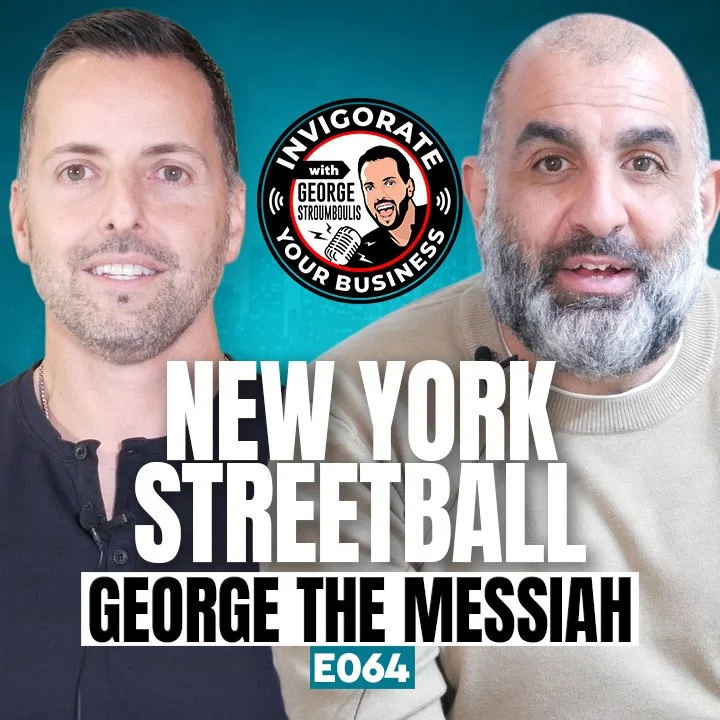
George Stroumboulis sits down with George “The Messiah” Papoutsis — the viral streetball sensation from NYC’s legendary West 4th Street Courts. They dive into his upbringing, Greek roots, hustle-filled journey, streetball culture, social media explosion, and how he turned grit and personality into a global brand.
“I didn’t need the NBA — I needed a place to find my potential. West 4th, Carmine, and the people who gave me a chance… they were there for me.”
MEDIA RELATED TO THE EPISODE
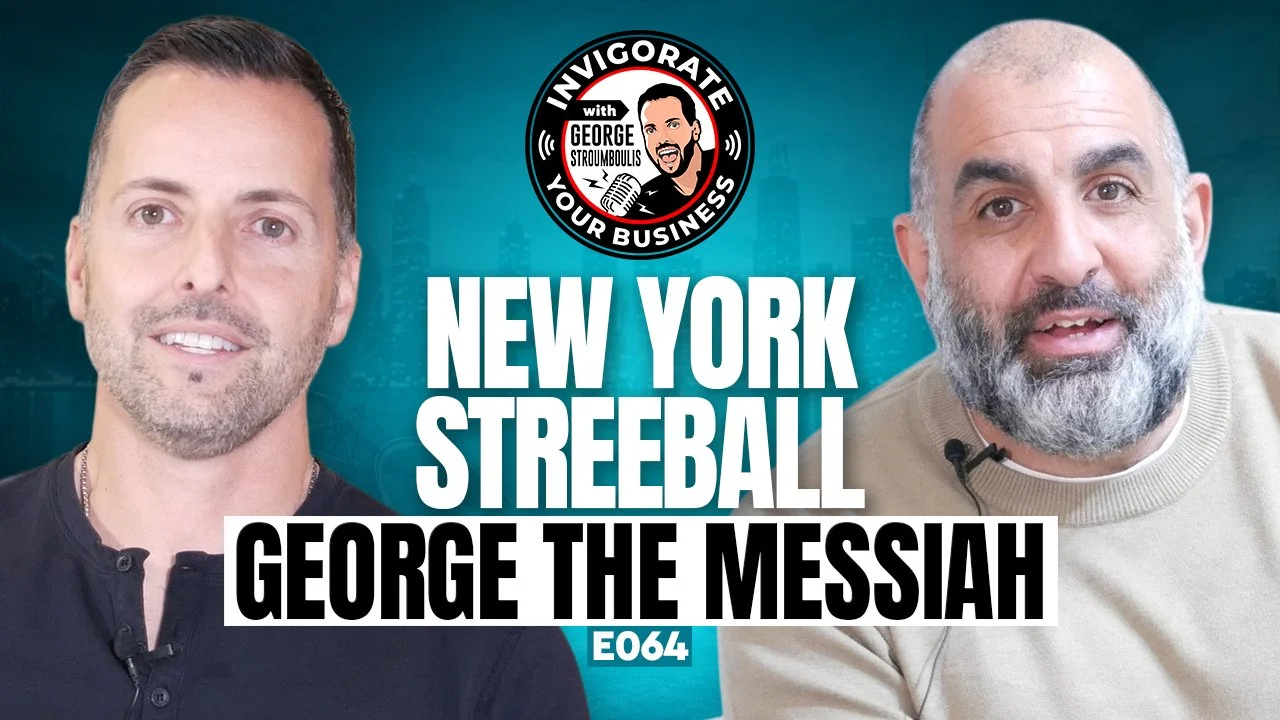
George Stroumboulis sits down with George “The Messiah” Papoutsis — the viral streetball legend dominating NYC’s famous West 4th Street Courts. They dive into his Greek heritage, gritty upbringing, streetball battles, social media explosion, and the journey of turning raw charisma into a worldwide brand.
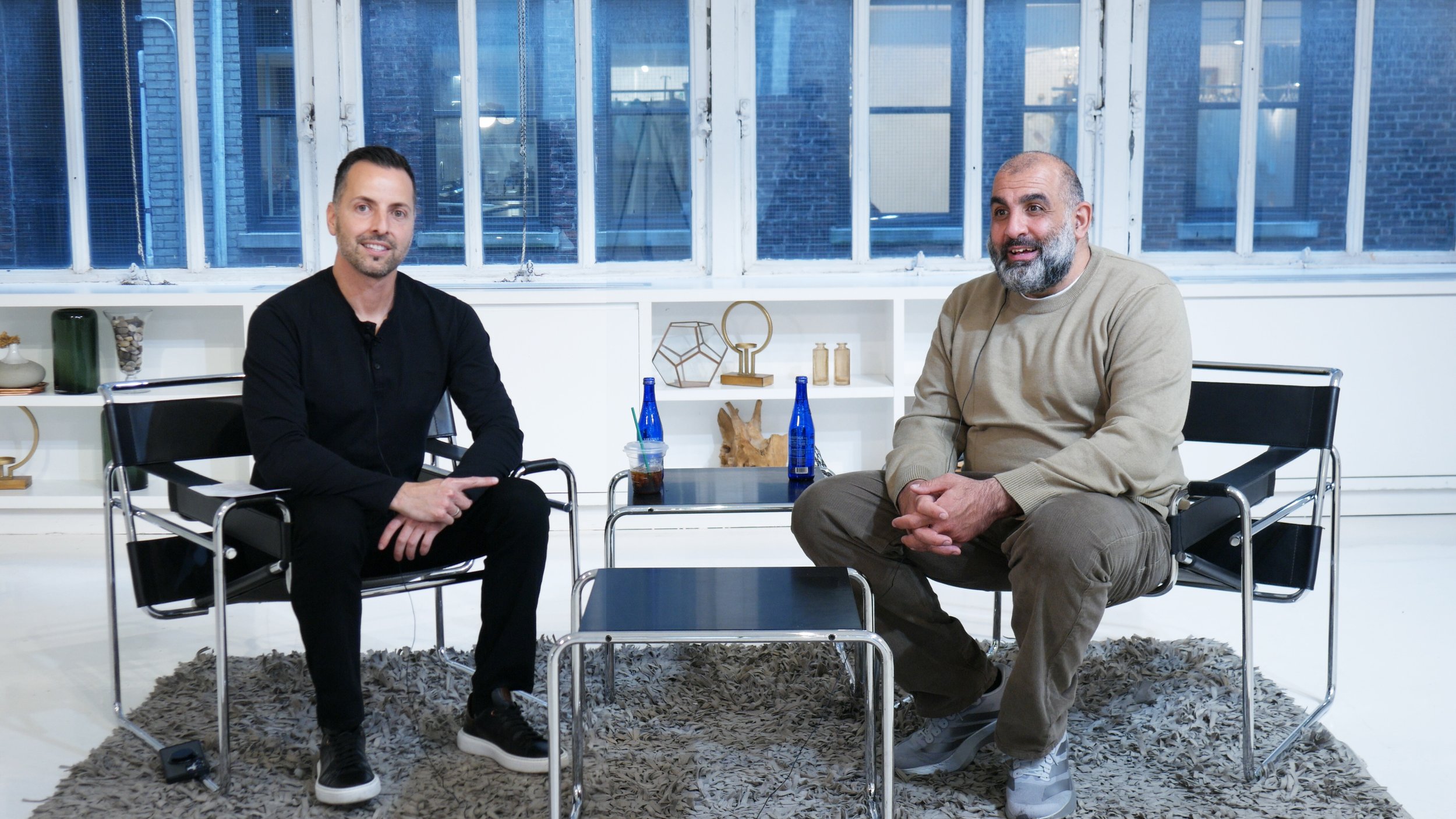
In this episode, George Stroumboulis welcomes George “The Messiah” Papoutsis — the streetball phenom whose rise from NYC’s West 4th Courts to global recognition is nothing short of incredible. They unpack his childhood, Greek identity, hard-earned hustle, deep roots in streetball culture, and the authenticity that fueled his viral success.
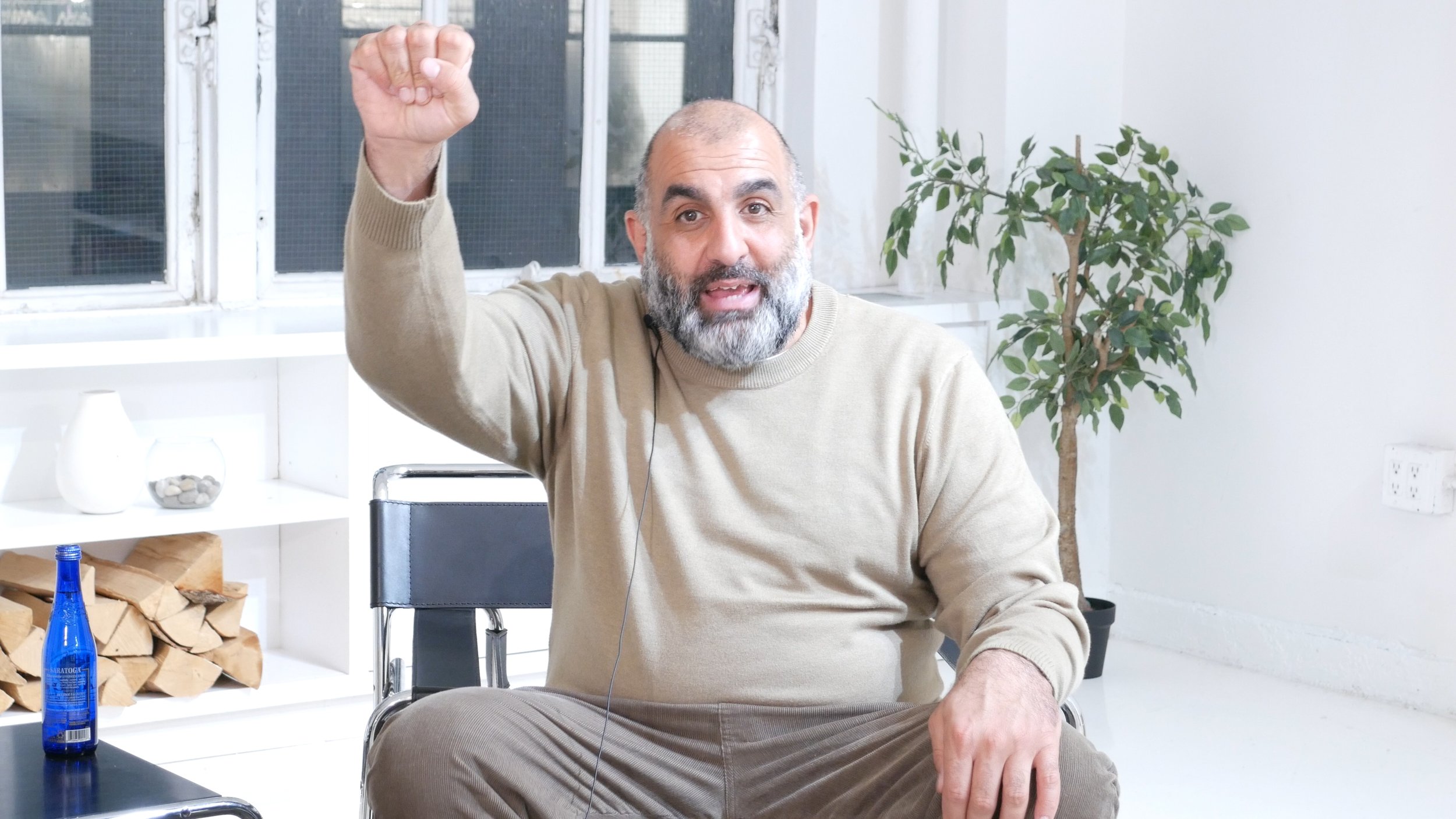
George Stroumboulis sits down with George “The Messiah” Papoutsis — New York’s viral streetball star from the iconic West 4th Courts. They talk through his upbringing, Greek roots, the grind behind the streetball lifestyle, his social media breakthrough, and the strategic branding that turned him into a global personality.
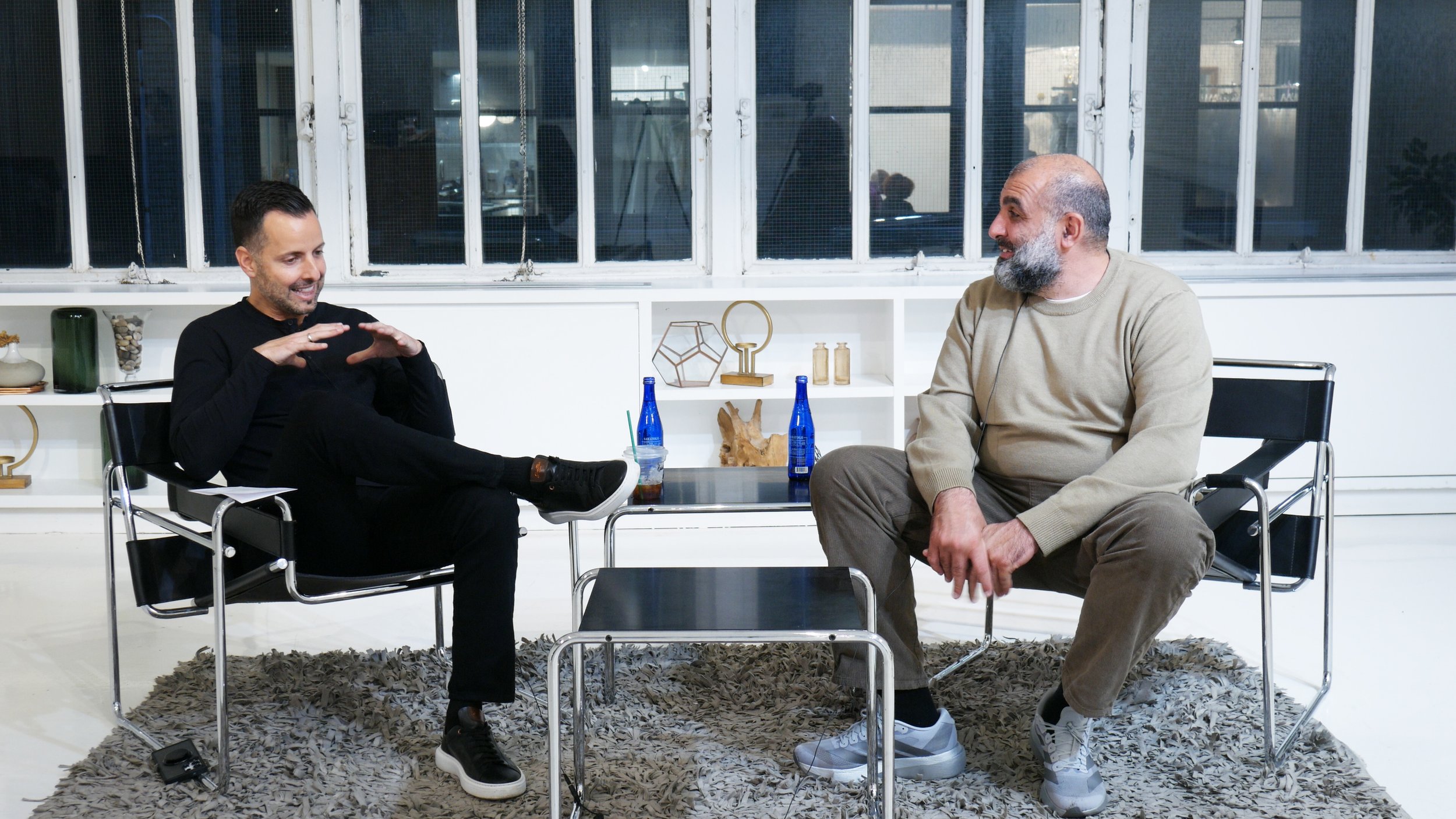
George Stroumboulis sits down with George “The Messiah” Papoutsis — NYC’s viral streetball king. They explore his Greek roots, gritty rise, streetball culture, social media takeover, and how he built a global brand through hustle and personality.
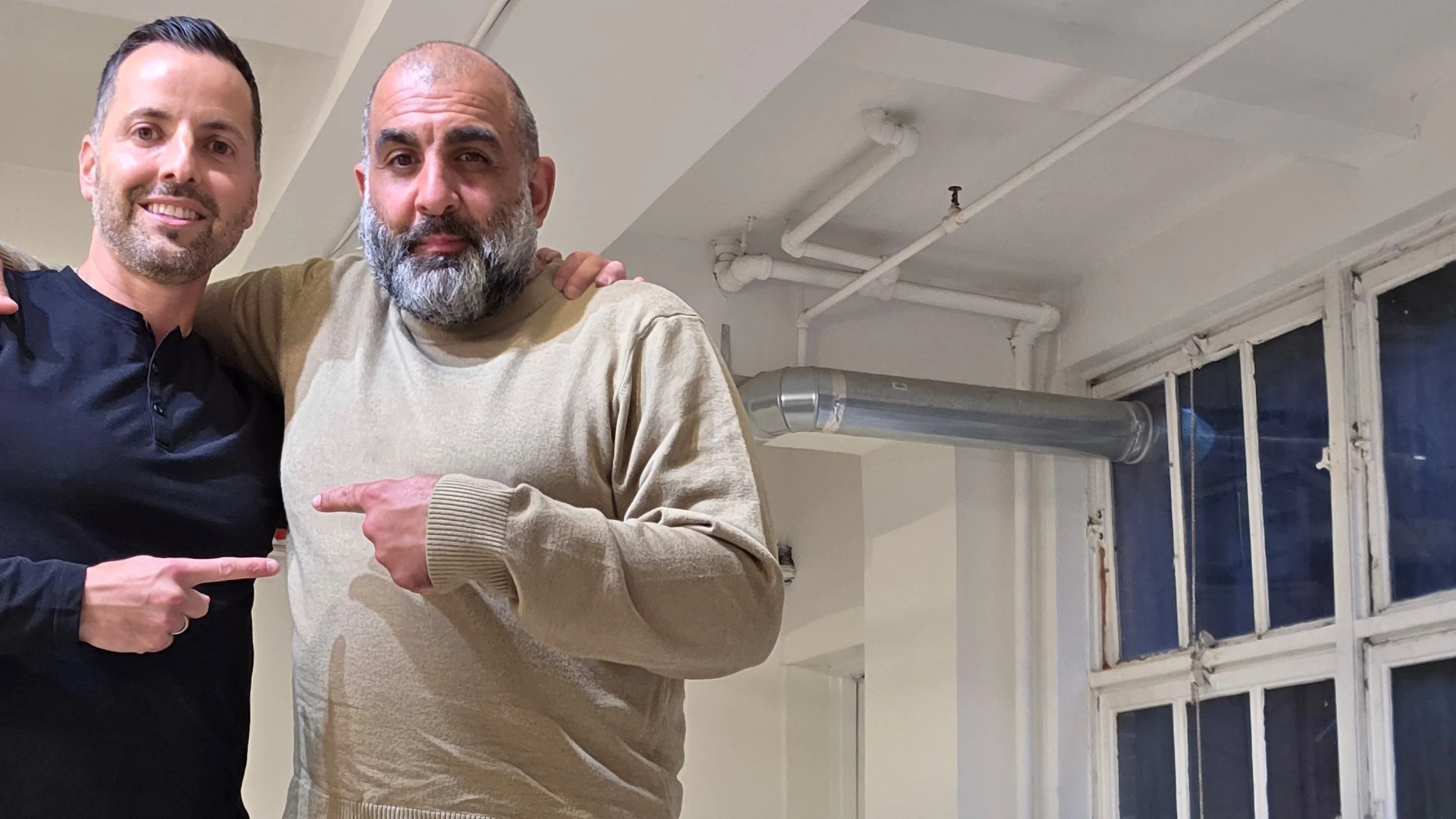
George Stroumboulis sits down with George “The Messiah” Papoutsis — the viral streetball legend dominating NYC’s famous West 4th Street Courts. They dive into his Greek heritage, gritty upbringing, streetball battles, social media explosion, and the journey of turning raw charisma into a worldwide brand.
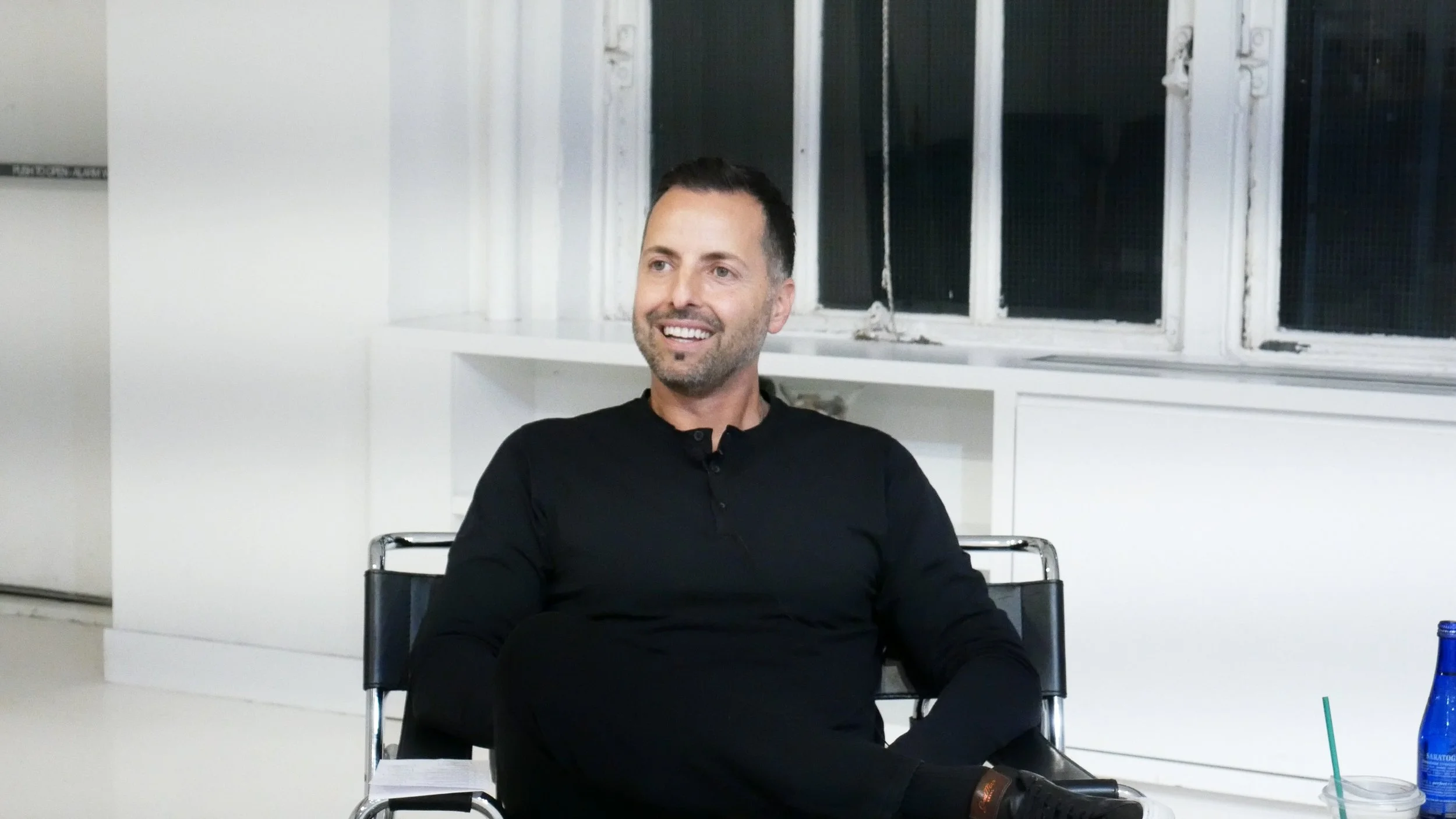
In this episode, George Stroumboulis welcomes George “The Messiah” Papoutsis — the streetball phenom whose rise from NYC’s West 4th Courts to global recognition is nothing short of incredible. They unpack his childhood, Greek identity, hard-earned hustle, deep roots in streetball culture, and the authenticity that fueled his viral success.
ABOUT THE “INVIGORATE YOUR BUSINESS” PODCAST
The Invigorate Your Business with George Stroumboulis podcast features casual conversations and personal interviews with business leaders in their respective fields of expertise. Crossing several industry types and personal backgrounds, George sits down with inspiring people to discuss their business, how they got into that business, their path to the top of their game and the trials and tribulations experienced along the way. We want you to get inspired, motivated, and then apply any advice to your personal and professional lives. If there is at least one piece of advice that resonates with you after listening, then this podcast is a success. New episodes weekly. Stream our show on Spotify, YouTube, Apple, Amazon and all other platforms.
ABOUT GEORGE STROUMBOULIS
George Stroumboulis is an entrepreneur to the core, having launched several ventures across multiple industries and international markets. He has held senior-level positions at progressive companies and government institutions, both domestically and internationally, building an extensive portfolio of business know-how over the years and driving profit-generating results. George’s ability to drive real change has landed him in several media outlets, including the front page of the Wall Street Journal. George was born in Toronto, Canada to his Greek immigrant parents. Family first. Flying over 300,000 miles a year around the world puts into perspective how important family is to George’s mental and emotional development. With all this travel to global destinations, the longest he stays even in the most far-out destination is 3 days or less - a personal rule he lives by to make sure he is present and involved in family life with his wife and three daughters. To read about George’s global travels, stay connected with his blog section.
STAY CONNECTED WITH GEORGE STROUMBOULIS
STREAM & LISTEN TO THE PODCAST:
SPOTIFY: https://open.spotify.com/show/1rW2CmxQoiJNEPOZupJlvd
YOUTUBE: https://www.youtube.com/user/Stroumboulis
APPLE iTUNES: https://podcasts.apple.com/us/podcast/invigorate-your-business-with-george-stroumboulis/id1607693240
AMAZON MUSIC: https://music.amazon.com/podcasts/8fc03929-71b3-483a-a64e-153e30b3d462/invigorate-your-business-with-george-stroumboulis
STROUMBOULIS SITE: https://www.stroumboulis.com/podcast
PODCAST SITE: http://www.invigorateyourbusiness.com
FOLLOW GEORGE STROUMBOULIS:
INSTAGRAM: https://www.instagram.com/georgestroumboulis/
YOUTUBE: https://www.youtube.com/user/Stroumboulis
LINKEDIN: https://www.linkedin.com/in/Stroumboulis/
TWITTER: https://twitter.com/Stroumboulis
FACEBOOK: https://www.facebook.com/georgestroumboulis
TIKTOK: https://www.tiktok.com/@georgestroumboulis
CONTACT GEORGE DIRECTLY: https://www.stroumboulis.com/connect
FULL SHOW TRANSCRIPT
GEORGE STROUMBOULIS: 0:00
We're recording there. So in New York City today, and I have uh a legend. George, the Messiah, the street ball king. No, I'm doing God's work here.
GEORGE THE MESSIAH: 0:10
God gave me a blessing. Let's see how many people I can help. I'm here for the underdog and the new generation. Anybody that gave up on life. Hey man.
GEORGE STROUMBOULIS: 0:18
Let's go, man. Let's go. I'm gonna start off with a little intro, George. Okay? Yeah. You mind if we um we get this? Because for the people that don't know you, they're gonna know. Right? If they haven't seen you online, your clips are viral, we're gonna get into that. But I couldn't do that without God. Without God.
GEORGE THE MESSIAH: 0:35
So I just want to thank God and higher power, whatever you believe in, guys. He blessed me to make an impact and somebody that gave up on life. I was a special ed, man. I wasn't, I never did drugs, never been homeless, but I wasn't taught to pass allegiance. And now in 2027, in the New York City public schools, you don't have to take allegiance. You just show up and you get a high school diploma.
GEORGE STROUMBOULIS: 1:01
Absolutely. This is good. Okay, so ready? Yeah. Today I'm sitting down with a true New York original, a man whose story captures the heart, grit, and personality of this city. George the Messiah Papuchi isn't just a street ball player, is one of the most recognizable faces in modern playground basketball. Facts. Born and raised here in New York City, George grew up hustling, working real blue-collar jobs, grinding day and night, and doing whatever it took to survive. But no matter what life threw at him, he always found his way back to the game. And it was on the legendary West 4th Street Courts, also known as the Cage, where everything clicked. His charisma, his trash talk, his toughness, his showmanship. The city took notice, and so did the world. His eclipse went viral. NBA players started recognizing him. Major basketball platforms began sharing his highlights, and suddenly the Messiah wasn't just a nickname, it was a brand. His energy, his entertainment, his storytelling, he built a global following that most pros never achieved. Today he represents everything we love about street ball passion, personality, and pure heart. Thank you, George, for sitting down with me.
GEORGE THE MESSIAH: 2:12
I just want to thank uh your beautiful family. God bless you for believing in me, giving me a change. He just res. He went to the studio. And for most, I want to thank West 4th Street for giving me, whoever build that architect, whoever build that court. God bless you. I couldn't make the NBA, so that little court saw my happiness. Shout out Blackjack. Bush Park and I made the NBA from West 4th Street. And Sherm Ice that was the general from the park, and I looked up a few Sherm. But when I came back, the way I looked, guys, you didn't, you thought I was, you know, you didn't you didn't see something that you expected to see, but you know, I never did drugs, never been homeless, but I just I was miserable as a cab driver, guys.
GEORGE STROUMBOULIS: 3:04
Absolutely. We're gonna give me one second here. We're gonna this isn't taking away from anything. I just want to make sure we're gonna be here. Yeah. That's great. Make sure we're here, absolutely. Amazing. Okay, so George. I gotta ask you, what does it mean to be from New York? Like your pride.
GEORGE THE MESSIAH: 3:28
Like, it's hard to live in New York City. There's five boroughs, there's 14 million people, and out of a whole pie, you can only get one slice. You gotta be a student of your craft, and you have to believe in yourself.
GEORGE STROUMBOULIS: 3:43
Absolutely. We're gonna go back. So people know you today as the street ball legend, right? You But I couldn't make it without God.
GEORGE THE MESSIAH: 3:50
I I tell anybody I don't want the fame if I can't save nobody. I'm here on this earth to help somebody that gave up on life or is trying to make it.
GEORGE STROUMBOULIS: 4:00
Absolutely. So where did it start? Like, talk about your childhood. Because I want the listener to know.
GEORGE THE MESSIAH: 4:04
Oh, so uh, you know, my mother died from a seizure, she used to pick up cans for me to survive. My father was a deputy dad, feeling like Zadia, cards, OTB, you know the Greek.
Speaker 1: 4:21
Yeah, it's in our DNA.
GEORGE THE MESSIAH: 4:23
And he wasn't a true dad, man. He never took me to the park, never bought me an ice cream cone. And um, when my mother died from a seizure in '96, and we moved to fresh meadows and we got evicted. So in 1996, guys, some lady came to my house in a in a in a small neon blue car and said, We gotta go. I said, Well, what are you talking about? We're leaving, and all my friends were outside in a hoop that we had on Cauchy Street from St. John's Prep, 27th Street at Dip Lines. And my friends said, What happened? I said, I don't know what's going on. So we took our stuff. I don't think we took the beds, we just took the clothes and the little things and uh the paperwork, whatever we needed, and uh we went to Fresh Meadows in 1996. So my son was, she had a small, a neon. She used to drive like 45 to 50 miles an hour. She worked part-time at JC Pennington. So I get there, we lived on 194th Street and 53rd Avenue. So I get there the first day, I get to the corner, they have a hoop. I start playing. I thought it was like, you know, he says, Oh, you can't play here. I said, you know, I'm like 13 years old. You know, my mother died from a severe shock. You know, I never forget that. He said, go down the block. They have a park. It's called Peck Park. I said, okay, I don't know. I just moved here. And uh, they had a pole with a rim, and I met Mark Shu. I never forget this, man. This guy was my brother, man. Like, it was a blessing. Like, he taught me how to shoot. He said, put your elbow straight, dribble this, dribble that. And Mark Shue lived two blocks away, and he had a brother named John Shu. John Shu. He's a big-time lawyer. But Mark Shue was like an assistant coach at DePaul in high school. I think he's an NBA runner now, and uh, that was my brother, and uh, he used to say, Yo, I'm playing on West 4th Street. I said, I don't know what West 4th Street is. So there was a guy in the corner where I lived at 194th Street and 53rd Avenue. It was an Asian guy. He had an explorer. You know, you know those cars, the Pathfinder's back in the day? Oh, yeah. He was the ref. So West 4th Street, they had a budget back in the days. It was like an in-house league where somebody donates five or ten thousand dollars and they keep the kids out of trouble. It's like some of you. So Mark says, yo, go to West 4th Street. I said, okay, uh. So my father, he wanted to go to the coffinas. So my stepmother used to drive my father to Astoria, 31st Street in Denmark. So we used to get off over there, it's called Lefort Pigo. Oh, yeah, Lefgos with the weight, yes. Yes, on the corner, now it's a restaurant. He used to get the frapper of coffee. And he used to always tell me, come back here at 5 45, so I can take you on a train and take you back home. So at first, when he dropped me off, you know, it's summertime, and he says, I'm going to Storia Park, I'm going to Walbonds, I'm going to Salami Park. There's nobody in the park at 8 o'clock. So I'm going to the gas station. Next to the school is PS85, where my nephew goes, Johnny, next door was a gas station. It was Sonoko. It was like a, he had to be like a Moroccan or Arabic guy. So I used to hang out with him two days in a row. He used to wear a hat. And one day he says, Man, I can't take you no more. Go find something to do. So he goes in his thing, he takes his tip of money. He gives me $10. He buys me a rubber basketball. And all of a sudden, I take the rubber basketball. He said, You can't come here no more. Don't bother me no more. So I start going to Soria Park. I started going to Walmart. There's nobody there but the weekend. From Monday through Friday, everybody's working. All my friends go at like four or five o'clock. So one day, Mark says, Yo, we're having a league in West 4th Street. So I look at the map. So I'm in Diplos. I'm looking, you know, my father will beat me with a belt if he catches me over there. So I'm looking at the thing. It says, take the N-train to 34th Street. When I get off, I go downstairs. I take the B or the D one stop to West 4th Street. Or I take the F-train 23rd and 14th and West 4th Street. So I get there. I take a chance. I get there. It's like 9 o'clock. It's like 30 people. I said, yo, I never seen this a day in my life. And I it's like the story is nobody there. All of a sudden, it's like paradise here. So I go to the park. I play the first game. I'm trying to shoot, but I'm so skinny. No vitamins, no vegetables, no water. How old are you at this age? I'm like 13. Okay. Ollie, number two, french fries and soda.
GEORGE STROUMBOULIS: 9:38
That was my game. Jeez. Yeah, and you could chill here. We could talk this way too. Whatever you feel comfortable.
GEORGE THE MESSIAH: 9:46
There's a McDonald's across the street. I think the McDonald's is $2.99. It was like $3.26 after tax. I would get like five to seven dollars a day. But there was a guy across the street. I never I used to get the cup. And uh there was free refills on Taco Bell. And this guy was so nice to me, man. I would take the cup and save it. But I realized to this day maybe ants went inside the cup back in the day. So after that, we used to I used to try to play, I wasn't good enough. It was so intense. If you couldn't play defense or you couldn't play, they throw you off the court. It's all about winning. Oh, legit? They would just tell you to get a hand. It was like Charles Oakley slash Ron Artess slash Anthony Mason. That's how it tends to go. Oh jeez. Slash Dan Dennis Robinson. So I would lose and just watch. And then a couple of weeks later, you had this in-house league that I played in. Mark Shoot was the blessing in the sky. That I I met West 4th Street and uh then when I used to come home.
GEORGE STROUMBOULIS: 10:54
Tell people for who don't know are from New York, like West 4th Street geographically from where you lived.
GEORGE THE MESSIAH: 11:00
So West 4th Street is like an hour away. Yeah. You gotta make the commute, but it's worth it. It's worth every second, every dollar, every moment at the time. Because at 96, you can go to 9, 10, 11 o'clock in the morning. There's 30 people. So our losers like 37 people want to play, and that wasn't good enough. So I had my rubber ball. 5e five. Yeah, 505. So I had my rubber ball and my cup. And uh I used to just watch. I was like an apprentice in a construction side. And uh I think like a couple of weeks later, the in-house league started. I played, I had fun, and then whatever I learned, I would take to Utopia Parkway, 73rd Avenue in uh Utopia, three blocks away from St. John's University, and again, Mark Mark Shu was the blessing to tell me about Utopia. So that was my brother. Me and John had a great connection, but he was very intense. He's a big-time lawyer now, God bless him. And it was it was me, Mike Salamanco, Mark Shue was the trio. So it was a one, two, three punch that could beat anybody in Queens at that time. I knew my role, they knew the role, it was like a brotherhood. And without Mark Shue, man, I would have never discovered West Forth University. God bless you. I know you're an NBA agent now, like you're becoming a scout, but I don't know how to reward you because you live three blocks away from me. And when I met you, I met you at Peck Park, man, and uh you took me under your wing. We had a great connection. John used to always drive us home from Utopia. It was like two, three miles away, nine o'clock in the night. My curfew was nine o'clock. And then he came out with the belt, my father beat me up. You know how Greek Father was in 96. He came with the belt, come run barefooted in the park with the belt. And uh when it rained, you know, I used to go to NYU, John J. or St. John's University. So I never missed a day as a basketball player. And then in the winter, from September to June, I would go to Carmine, three blocks away from West 4th Street, and there was a guy named Ray before he died, God bless his so he was there for kids. And Saturday, Sunday, I didn't have a membership, I was poor. And he opened the open arms and uh they had a league there in uh Carmen on the Sunday, and just I don't know how to reward West 4th Street and Carmine and Mark Shuan the other day because they were there for me. Because you know, it it goes by word of mouth, you know, you could be a great talent, but if somebody can't take you to Chase City Bank, it's uh it's called the word of mouth, and uh it was the right place, the right moment, and uh I think Mark knew I loved basketball, so he knew that I was gonna, you know, strive not to make the NBA, but to find my potential. But I don't know, Mark, if you ever knew I was a special ed, you know, I'm not embarrassed to say this, but I wasn't taught. But you know, I'm here for the underdog, the new generation guys, anybody that gave up on life. I was embarrassed when I was young to tell anybody I was a special ed, but my father was very tough on me when I was a kindergartner. And uh when I took that energy, the kindergarten lady let me, she took a chance on me, she felt bad for me, but not the first grade teacher. And uh I had to go to PSA before. I just made a video and I showed you the school on my Instagram. Uh you know, I was with there with the Astoria Housing, the Ray Wilson housing, and uh Queensbridge housing. And one of my best friends was then on a test. I love you, brother. You know, you took me to see your brother back when I was in 141. Hey, you know, we gotta we can't step up a pride now. I'm 42 years old, I'm born in 1983. I was a specialist, I don't have any regrets, but we don't know. 50 Cent made me was a specialist. Stack Bundles made it, I made it. We can't step up our pride and say, you know, maybe our parents were too tough and we took the energy to the classroom.
GEORGE STROUMBOULIS: 15:29
And some teachers don't like that kind of energy. So what was different, you're saying special ads, like what was different about you to get to where you are today? Because like right now, you have a global following. I think if I was taught feeling it, I would have gone to Harvard.
GEORGE THE MESSIAH: 15:44
I have drugs, I've never been homeless, but I never follow nobody. If you tell me to follow somebody, I said no. I don't like like I was in Vegas. They told me to play the casino. I don't play the casino, I can't beat the casino. Right, right, right. No, I'm scared to fail. Exactly. But you know, feel that back in the 90s, man, the Greek father beat you with the belt. It was no joke, right? And then uh Child Wells used to come to the house and used to send me remarks, but I never could give up my father. No, man, never. He tried, man, but some parents they don't have the skill. They want to make a kid, but they don't they don't know what it takes. First, you're gonna understand the kid. You can't put too much pressure. The kid don't want to play basketball, you play soccer, you play baseball, but you let the kid be a kid. Yeah. And then when he grows older, you find like a judo taqu to develop his passion.
GEORGE STROUMBOULIS: 16:48
So hold on. You said 42 before. Where did that tabby 70 years old come from?
GEORGE THE MESSIAH: 16:52
Oh, some god at the corner beautiful snow. He put 70, and the shit made 102 million, and then the kick shot made another 92 million. I think he was a genius already to click click it. Right. He put a number that people couldn't really.
GEORGE STROUMBOULIS: 17:09
But I look like I'm still you don't, man. I don't you I mean, I'd say you're 42 now, man. So whatever I said, but I'm saying at that time with no haircut rugged and wrong. But I'm starting out with the whites, too. Not to make this about me. The whites, no, but if I have like a no haircut in the beard, you don't shave it off. Exactly, man. But if I had a shave, I wouldn't look like seven. No, man. So don't talk to me. Right now, like you the last since 2019.
Speaker 1: 17:36
Yeah.
GEORGE STROUMBOULIS: 17:37
Full-time basketball, right? Yeah, but I quit October.
GEORGE THE MESSIAH: 17:40
I quit. So I used to listen to the Christmas station from uh six months before October, and I would just listen. I was I used to help kids, but I wasn't happy. I wanted to find something better and become a Hall of Famer. But when you once you drive a cab, you gotta pay $475 a week for the car. You gotta put gas. And you have see, I work the Forest Hills and Queens. If your car is not clean, those people would never come in your car. So every two days I'm I'm going to the car wash. 20 20 bucks right there. It just there's no leverage to get ahead. It's like a recycling machine. You just survive. You have three meals, you have a roof, and that's it. You can buy you know a couple of Christmas presents, and that's it. You go back to the drones, board. But I thought I could do better, so when Uber and Lyft started taking over the streets, I became a dinosaur man. I came a beast, I became like a cassette player. I couldn't survive. So one day I was driving, I couldn't get nobody. It was like October 2000, I just quit. You know what? I will. I see when people don't realize I go on my instinct. Whatever my instinct tells me, I go, but hey, I could fail, but I could win. But I go with my heart, and my heart says this is not for you no more.
GEORGE STROUMBOULIS: 19:05
Oh, wait, George, so the literary to understand, sir, you you were driving cabs. Yeah, black cab, black cab, black cab, and painting bridges.
GEORGE THE MESSIAH: 19:14
No, I started as a bridge painter, but I was trying to be a contractor. So my friends, they they painted at Amazon, $48 million. I'm looking at myself, you know, I'm a basketball genius. I had to start my own company. Then my friend, so Liberty hired me. They wanted to come to Buffalo to for me to paint with the brush and roll, because I'm the fastest brush and roll painter. But I had no uh back in the days, I hadn't had the the phone, so they couldn't find me. There was like no uh it was it was like no phone at that time. So you know what I said, y'all gonna go work? So the Liberty lost the the 59th Street Bridge for $10 million. So Lanil got it, I think uh well, I'm sorry, 15 million. So Liberty Maintenance that I worked for in the Verizonal Bridge, they scored the job for 48 million 2003 to 2003. But Corcon had the insurance bonding. So Corkon was a joint venture. So Corkon had the liability insurance and they had the machine. But Liberty Maintenance is the one that hired you, but they had the fence. They didn't use the deck, they had a pattern on the fence. Because when you have the fence, you just roll it and you save millions. But if you have the deck, you got a screw and this, that, and third. So Liberty and Corkcon, they had a they went, they made 20 million dollars. They the money broke their relationship. Greeks, you know how Greeks are the right? So they made 20 million dollars. Liberty bids on the 59th Street Bridge 187 million. L and L bids a 172. So the rule is when you win the contract, you gotta subcontracted out. So Corcon, the company that George Lyris used to, I used to party with the pop bottles. He used to put me in the human and blow all the red lights. And uh the guy, he's like a brother figure, man. Like George Learis, man, you're a multi-multi-millionaire, but just remember, man, when I worked for you, I gave you 110%. I treated you like family. I never wanted to. I'm sorry, I could have become a bridge painter. I wasn't meant to be, but I see you have a company named Jag now. God bless you and your family. You're from Youngstown, Ohio. I bet you own half of that, Youngstown, Ohio. But uh, feel like George Lewis, yeah, I wasn't I wasn't meant to be to be to be a bridge painter, but you have a special place in my heart. You don't know what I went through as a bridge painter when I left you. So much jealousy and envy. So George Learis, I'll give you an example. When I couldn't work with you in the Benjamin Franklin for 29.7 million, they got the f the Benjamin Franklin Bridge. You know, like and 21, you're not leaving New York, you get homesick. I go to work in the Odyssey painting. So the guy, George Odyssey Painter, Starros, he has the pattern on the olive oil. You know the bottom? Yeah, he's worth 800 million dollars. Okay, he's not serving. No, he has the pattern on the olive oil. Shit. So I'll never forget this. So he got the he had the Greek foreman sandblast him, but they fired him after one day. So the guy Dugman came. The guy was so jealous of me, you know, like once he sees me paint, oh George, you're gonna be the greatest painter ever. Oh and he used to drive me home every day, and he used to give me an extra hour. I said, and then we used to stop at the store. I used to buy whatever he wants. I don't just wanna you're driving me home. I don't wanna, you know, like not buy you nothing. Oh George, I just gave you an extra hour. Do you need a ride? So when I come back the next day, the next year, see, bridge painting is tricky. It's seasonal, it's like baseball. Yeah, yeah. You go from April to like Thanksgiving. Then you go on unemployment. But at that time, out of 405, I used to take the tax off, I used to get 364.50. That's not bad, man. Minimum wage is like 715. So when I came back the next year, and uh, see, I was lost without Coral Clone of Liberty. They went to the Benjamin Franklin, Liberty went to Buffalo, so I'm in the middle of New York by myself. So I go back like March 21st. I always dress nice. I wear a polo shirt, diesel pants, and diesel shoes. So the expector sees me. Great guy, he always liked me. He knew my mother. God bless her. So he said, George, man, you dress nice. I said, yeah, I always dress nice. So the guy doesn't want to hire me, man. I never forget that. He never, he was scared I was gonna take his job. It's okay, I don't have nothing against him. So I go back to the union, I go to patio, I said, patio, the guy don't want to hire me, man. He's he says, Do you have a car? I said, No, I can't afford a car. I'm being realistic. He said, Can you get to Coney Island? I said, Yeah. Just take the train, end train, the steelwell. So he says, uh, when you get there, just call the shop steward. Because every union has a shop steward that protects the men. They get them the hours and the meal. And Mike Sharkey. So I never forget this. So I get there and uh Mike Sharkey's waiting for me. It's like 5:36 in the morning. I think we start at 7. He says, yo, man, Patty Yo, man. I say, yeah, that's my I respect him. I think he's the reason why I made it so far as a bridge painter. And uh, Gus too. So I get there, it's Thomas. Uh, what's his name? Yamadiz Kiska. The guy's so tough, man. He's screaming and yelling. If you watch basketball, he's like a Bobby Knight. He just screams and yells all day. It's called Kiska Construction. Shout out his son, Gus. He runs the DC9 painting, God bless you. Thank you for never giving up on me. But it wasn't meant to be. So uh Did you always want to be in painting?
GEORGE STROUMBOULIS: 25:46
No, like even when you were doing it? So, like when did basketball come in? Because that's the case. It came after cab.
GEORGE THE MESSIAH: 25:51
After the cab.
GEORGE STROUMBOULIS: 25:52
It came after cab, and then then you realize like basketball is my calling. Yeah, yeah. So uh which is insane.
GEORGE THE MESSIAH: 25:58
That's totally I'm in a I'm I'm collecting unemployment. I'm calling this guy, Mike Shocky. I said, yo, I want to paint. He said, man, give me a chance. I said, you he says, why are you so aggressive? I said, I'm the best brush and roll player. So they put me on the on the train, I'm blowing everybody away. And guess what happens now? My mentor, she loses her brother. He dies, he gets shot in the head. Over like, I don't I never knew the I never knew the cause, but when that happened, I walked away, man. I say, yo. I couldn't bury him, man. I was very sensitive, man. I had a I could have made a hundred thousand a year, but I walked away. I said, I was so hurt, man. I didn't have ten thousand dollars, man, and I couldn't bury him. So I stopped. I went back on unemployment. I started hustling DVDs, CDs. I was making like 200 a day, and uh I came back one day and my mentor Audrey, she lost her grandmother and I buried her. So, you know, it wasn't I was so sensitive. I think Rie was the reason why I made it too, because when I met her, she was just she was like she I didn't want to I didn't want to marry her, but she was like something she motivated me, you know. I was hurt when I didn't have the money to bury because but I came back man, I buried a grandmother, you know. I put 10,000. I didn't have that much, but I I went to the union, got the money. But I think God had a plan. And Audrey, man, I love you to death. Maybe when you sleep together, I couldn't marry you. But uh like you said, teach to change, wish to see. You you're a special ed teacher, I was a special ed, and uh you said when you graduated, teach to change, wish to see. But I wish I could have married you, but bridge painting was like the royal rumble. I never had good friends, and uh feeling it was like something you could start the job, but you're not gonna tell me. I wasn't taught to do that, Fila. Right. Hey, if we have eight eight slices, you get four, I get four. I don't I wasn't just bridge painting was tricky. It was like nobody is better than me in bridge painting, like brush and roll, but I wasn't taught to be a sandblaster. Sandblasters make it $700 a day back in 02. Hey, you know the Greeks, you know how the Greeks are. They're not gonna give you the nozzle. Hey, file, I've paid to the amount. Yeah, yeah. But I tried, man. I went back a couple of times. I just want to thank Joe Gus, the guy that runs the union. I wish, listen to me, you have a special heart amount, you never gave up for me as a bridge painter. But I couldn't go water with the Brazilians and the Portuguese. I could take five on a painting. Nobody was as good as me with the brush and roll.
GEORGE STROUMBOULIS: 29:08
Were you always that confident though? Yeah, I always. Because you're the same on the basketball court, whether you're painting, it's something, it's something about life like Philet.
GEORGE THE MESSIAH: 29:18
Like you don't realize back in 02, 03, 04, 05, you couldn't go. If you had nothing, you couldn't go walk around a story. They want to give you a chicken color sandwich. But I just want to thank God, man. God had a plan for me. I never loved myself, but the cab been good because cab, you know, I helped a lot of kids in basketball. Chiplasia, Brown, David, Pepe, Joseph. Yeah, I would never give up on those kids, but so what if you don't make the NBA? You graduated. What more can you want? Right. You got a $200,000 scholarship. You got a free meal, you got a free room. What else can you want?
GEORGE STROUMBOULIS: 30:03
George, were were those your aspirations? To get to get to the NBA? Like when you wanted to get back into basketball, was that the goal?
GEORGE THE MESSIAH: 30:09
No, I wanted to it just I I think streetball, I think I would have been the best streetball player back in the days, but it's a meant to be, you know, I was making nine nine hundred to a thousand a week, 2002 as a bridge painter. I'm not gonna make the NBA, and I'm not gonna go overseas. I had no connection, so I gotta suck up my pride and go to work. But if you get hurt as a bridge painter, you can't cover back and take somebody's spot. So I I went cold turkey. I quit basketball for 20 years. 20 years you didn't touch a ball? No. From 18 to 30 years. You don't know back in the days, man. In Astoria, if you could have paid the rent, they'd throw you out. And you couldn't take your problems to anybody's house. Back in the days, it was too hard. Like the average person could save three, four, five hundred dollars a month. None of us had houses. So if you come in their house and you need help, you're taking their life savings. You don't know if it could be the Christmas, the vacation. You don't know. My first year, when I worked construction, I was making $70 a day back in 01. The only thing I can afford was a dollar franchise with ketchup in Arizona. And yeah, it was hard, man. Like, I tell you, man, God or higher power, he'll protect you. He's not gonna give you what you want. He's not gonna give you a Rolex, he's not gonna give you a Ferrari, but he's gonna give you what you need to strive to survive.
GEORGE STROUMBOULIS: 31:41
And where are you now? Do you feel like you have what you wanted?
GEORGE THE MESSIAH: 31:45
Right now, man, the last couple of months with Tom and Young and Andreas, hey, I never lived like this. Even as a bridge painter making $1,700 a week. You know, I could put my nephew through school, $5,000. How many people can save $5,000? No, I can never save that. But the grace of God, when I used to take Johnny Jr. to CYO and Immaculate Conception, and I used to hold his hand because I used to protect him on the street, you know, like he's a little kid, he's a fourth day. I just I could put him through school off a basketball. And I want to save a million kids. I wish one day I could come back and put a lot of kids through college as a Messiah Foundation. But I gotta grow harder in life.
GEORGE STROUMBOULIS: 32:37
So where does the encore go? So, George, the clips. People are gonna see the clips. You're going one-on-one, you're going raw, you're pulling shirts, you're fouling.
GEORGE THE MESSIAH: 32:47
But this is all uh entertainment, man.
GEORGE STROUMBOULIS: 32:49
It's entertaining. So the question is, like, you're you're great at basketball, clearly. Yeah, but uh I do stuff that I think out of the box.
GEORGE THE MESSIAH: 32:57
So if I'm Chase Bank, you know what I'm gonna do? Shout out Jamie Diamond, because he's Greek like me. Jamie Diamond, he's selling that's like us. Let's go. I'm gonna go give out loans to everybody. I'm gonna find a strategy where I can make this brand look better. You know, it can work or it can't work. But I like to do stuff like nobody ever did. You know, what I do is raw, maybe I take the shirts and things, but you want to play me, so I'm gonna show you who I am.
GEORGE STROUMBOULIS: 33:24
Yeah, and I love when you're just like you rip your own shirt off and you're up on them, like going on.
GEORGE THE MESSIAH: 33:29
But uh, I think that West 4th Street, when I came to that little court, man, I come and all of a sudden like it can it could turn out to two, three hundred people watching me, and uh and just something like New Yorkers, you can get five minutes out of nobody. Just stop and watch me. And I guess shout out Jeff, man. Like, when I was down and out, man, Jeff, man, he came back in the Christmas 2022, and we always play one-on-one. Hey, I don't know how to take him. Like, he used to always give me hundreds and say, George, man, go buy what you need. You need sneakers, you need a metro car to buy some food. He didn't give me 20s, he always gave me hundreds. And when I was down and that was Scalabrini, I just felt I called for Jeff for help. And Jeff said he would have played him, but but I love Jeff, man. Hey, me and him connected to the basketball gods.
GEORGE STROUMBOULIS: 34:27
Yeah. Talk about Scalabrini, like, for the listener who doesn't know, like, how did that come to be? Scalabrini for him right now, guys.
GEORGE THE MESSIAH: 34:35
I started making good videos in West Fort Street, and I guess Scalabrini wanted some spotlight. But Scalabrini, I blocked five six terms of your thing. But once you elbow me, just I'm not here to be betting you by Scalabrini. I can never make the NBA. I can never find your potential. But I hope you found your happiness playing against me because you went mega viral, the whole world's seen that. And uh God had a plan. Whatever you went through in the NBA, maybe you find your happiness playing me.
GEORGE STROUMBOULIS: 35:06
Yeah, absolutely. And you were calling him out in those videos, and you called him out, but he had a strategy.
GEORGE THE MESSIAH: 35:12
Now, when I came in the park, I never played with a thousand people inside the cage. I always played with a thousand people outside of the park. So he just trapped me and pushed me and elbowed me and figured forward me. But hey, Brian Scalabrini, God bless you. I'm not here to be better than nobody. And you know, even if I lost to you 11-0, but God bless you. I wish the best.
GEORGE STROUMBOULIS: 35:42
But it's coming right now. So, like, let's talk about this. You you've played Shaq. You got No, Shaq, I had a I had to touch his skin. He didn't want to play me. He did it. Okay, so what did you do? Where were you? You were at a conference.
GEORGE THE MESSIAH: 35:56
So they were supposed to do it at West 4th Street, but the security wasn't strong enough. So they did it at the Pier Basketball City. So when I got there, I had to play like three high school kids that were real good. I had a, you know, I don't know if I fouled them, but I had to protect, you know, not them to score. So when I beat them, he got mad, and all of a sudden, he came out of left field and wanted to play me. And all of a sudden, when he scored, he's jumping around like, you know, he hit the lottery. Yeah, yeah. He's a big boy. He's a great man. Uh God bless you, Shaq, for giving me a chance. In a million years, I could never make the NBA. And uh, I never knew that social media could find my journey.
GEORGE STROUMBOULIS: 36:40
Absolutely. How important is it? Like you you connect, how important is social media now with how to build it? Hey, I think more people stay on the phone than the TV.
GEORGE THE MESSIAH: 36:50
Yeah. Yeah. One phone could change your life, like Wallow said. When he got a hundred million dollars, he came, he went to jail for 20 years, and he said the phone changed his life. The phone could change your life, man. But you have to attack it like you want it. You gotta have a good spirit, you gotta be positive.
GEORGE STROUMBOULIS: 37:09
And for people to follow you, you gotta have something going good for you. Yeah, absolutely. And you were just on uh you were in Vegas for the hoop bus. With the hoop bus.
GEORGE THE MESSIAH: 37:19
So I didn't work with the hoop bus for a year, but uh I came back, uh, I came back better than ever, and uh you know the hoop bus. Can you explain like what the hoop bus is? The hoop bus is something that touches people's, you know, we go into schools and or we stop on the street and we play, it's something we never seen before. Shout out Nikos, and just I had other people telling me, you know, my value, so I stopped doing the hoop bus, but I regret it. You know, hoop bus is something special, man. We go to the schools, we interact with kids. You know, kids love the school bus. It's something we never seen before. And then we go into NBA arenas and we park the bus there and we play with the fans. Yeah. A lot of things in in New York City around the world, a hoop bus, you can't play in the arenas.
GEORGE STROUMBOULIS: 38:08
Absolutely. Well, and it's giving exposure, right?
GEORGE THE MESSIAH: 38:11
Like and it giving exposure, you know. You know, I had a couple of managers, man, that that had a fire, but everybody says Messiah, you worth too much money, and then I regret not working with the hoop bus because you know the hoop bus is how I made it to in New York City back in 2023-24. How did George the Messiah come to be? Oh, so the Messiah was the name I just made up at West 4th Street. You know what? I said, you know what, if I if somebody's taking a picture of me, I'm doing God's work. So I felt like I never did drugs, never been homeless, but I just gotta thank God and whatever you believe, higher power. Messiah is a big name. All I can do right now is try. I can't guarantee you what I can do in life, but I can try.
GEORGE STROUMBOULIS: 39:01
Amen. When you step into the cage, even now, because you say you play every day aside from weather or whatever, you go in there, there's always people stopping by. They come like you're the guy.
GEORGE THE MESSIAH: 39:11
Hey, I have to sit there, it could be like 12.05, 105, it could be somebody on a their lunch break and want to play me. And it's something, it's like a dream, it's like a deja vu, it's something you don't see every day. Yeah, absolutely. Do you still get excited though doing that? Yeah, just you know, people want it's it's called Star Strike, they just want to be next to me, but I just want to thank high power of God, man. I've been blessed, man. But I helped a lot of people, man. Like I just bring Magus Steve with me to Las Vegas, the Super Tom. And the hoop us gave them a chance because of my name. Yeah, without my name, those two people would have never come to Las Vegas.
GEORGE STROUMBOULIS: 39:57
Absolutely. Absolutely. Speaking Like your name growing, you have people, uh Kevin Garnett talking about it. Kevin Garnett's Andrew Shaw fan talk to me about this.
GEORGE THE MESSIAH: 40:07
I wish one day I could buy him a Rolex, whatever he needs, because yeah, Kevin Garnett touches my heart. There's no NBA player that gives me spec like Kevin Garnett. And you never know, man. Messiah. When I have the Messiah Day when the party, I might throw, you know, you'll be with me and uh I God bless you on your journey. Just got hired by the Minnesota Tomorrow's. Shout out A-Rod. He's my favorite Yankee player ever. I wanted to meet you at the Big East Championship, but the security is too high. I met Spike Lee. But A-Rod, God bless you for meaning for hiring Kevin Garnett. He's my favorite NBA player ever. Hey, there's nobody, no Hall of Fame player and no name like that that shows me love like him. God bless you and your family. Shout out your daughter going to Michigan. I don't know how to reward you. You know, right now, if I was rich, I might buy you a Bugatti. What did he do for you? He just shows me support. He puts me on a story. Messiah, we love you. We love what you're doing. Nobody ever does that. He's a Hall of Fame.
GEORGE STROUMBOULIS: 41:17
He's legendary, yeah.
GEORGE THE MESSIAH: 41:18
Yeah, nobody ever does that. See, people don't realize a lot of people don't have one minute to give you. This guy's always reposting me.
GEORGE STROUMBOULIS: 41:27
And God, me and him connected to the basketball gods. Absolutely. And and you have guys like Andrew Schultz, one of the top comedians, talking about you're gods. Yeah, see?
GEORGE THE MESSIAH: 41:37
You see how people. But you have to feel me. You know, basketball is a very intense sport. Maybe you think I act wild in the park, but feel me, vibe me, understand me, then judge me.
GEORGE STROUMBOULIS: 41:49
Yeah, absolutely. What do you do? Do you do you do uh up to seven? Up to seven. Okay, because there's other guys now. MK, zoom up to five. Okay, so let's talk about MK now. MK, you got my swagger, man.
GEORGE THE MESSIAH: 42:02
God bless you. You're 25 years old, you're pretty boy. Make sure you use protection. Don't get no girls, no present. Because you, you know, you got two million followers. You're on top in the world, but make sure if you want to have a family, you do it with the right person. Because I have a stepsister, you know. And I see kids, you know, you want to be with the person. God bless you, Phila. I'm not here to be better than nobody. I'm here to motivate you. Okay, maybe you got my style. I don't know what you what you went through in life. I want you to win. God bless you on your journey. But just remember, we Greek like together, us three. Amen. And Andreas and Tom. Phila, we want to keep this in the circle.
GEORGE STROUMBOULIS: 42:44
Yes. But but it is school to make it. It is, it is hard to make it. But like when you say MK store your style, that's a compliment though, right?
GEORGE THE MESSIAH: 42:51
No, he didn't stick my hand. He watched me. Yeah. And he's young, he's a pretty boy. He got a nice haircut. He's diesel, Phila. But just make sure, man. Use protection, save your money, invest. Because I'm 42, man. A lot of people can't make it up to 42.
GEORGE STROUMBOULIS: 43:09
So I'm gonna be with him in a few weeks. What's the best for that? So what are we gonna do? When are we gonna get clash? Toronto versus New York. What are we gonna see?
GEORGE THE MESSIAH: 43:21
He deserves the best. I heard that Ponte Cos wants to sign him. Oh yeah, he's he's been he's been fishing for that, right? Listen to me, Philip. Make sure you know your potential, use protection, and you don't chase every girl because the girls are gonna be running after you, Philip. And Atkins and what's the place best place in Greece? I mean, uh the father. You gotta be careful, Philip. He's gonna be out there. I wish the best on your journey. God bless you. I wish I could make a million MKs one day. But you know, we connected through basketball. I would have never met you as a bridge painter. You would have never given me a second, but God had a plan for me. Maybe I maybe I made you a better person in life. Who knows? All your time would tell. Right? Absolutely, absolutely. That's great.
GEORGE STROUMBOULIS: 44:10
Right? So seven up to seven first. He plays up to five. Yeah, but if he plays, if he comes to Europe and plays seven, who's winning that in the game?
GEORGE THE MESSIAH: 44:17
No, but I don't people don't realize that's what happens when you want you don't want to play nobody, you know. You want him to make it in life, find his potential. Totally. You don't want to distract his potential. See, New York is tough, MK. Just they want you to be the best. I don't want to be the best. I just want to be the best I can be. You know? MK, whatever you're doing, try to help somebody that gave up on life. A lot of people need your help. They need my help in New York City. I'm at West 4th Street. None of my friends work all day. They asked me. I buy them food all day. I give all my clothes away. Just that's my name, Messiah, man. Messiah is a big name, but I want to see people winning life. And um, it's not about the Rolex or the Ferrari drop top. It's how many people you can help make it. I made Audrey, I made Pepe, I made Chicklesia, shout out to Luke Brown. I think I helped a lot of people, but I never when I was helping people, I never I never wanted to return. MK, a lot of people need you around the world. It could be Toronto, it could be Greece, it could be around the world. Just motivate somebody that that's going through hard times, that don't have the potential like me and you. And it's so hard, MK, to find somebody from the bottom. The door keeps closing, and some people just give up, and uh you have a platform. You know, you could be a supermodel, cover client, you could be something special.
GEORGE STROUMBOULIS: 45:49
Never give up on your journey. God bless. Oh, that's awesome, man. And talking about I want to talk about your management team, but just I don't think so.
GEORGE THE MESSIAH: 45:57
Andreas is my father, and Tom and Tom is like the Jerry McGuire, a big time agent. Listen to me, the money that they made me, people don't even make in a year. He made me out of two months. And God, Andreas and Tom, you know, I have a big team, but I don't make that much, but at least I'm making something.
GEORGE STROUMBOULIS: 46:19
How did you find these guys? Because you you so uh old that you you've been at this, right? So you've had partners before? Yeah, I had three guys, but they sold me a dream, you know. And and what was different then versus now? Like they they got me one deal, but they couldn't get me over the hump.
GEORGE THE MESSIAH: 46:35
It's like it's like you buy one pair of sneakers and then you gotta wear it for like two months, three months, but you can't get a different pair of sneakers. It just they they say be patient and street ball, you don't make that much. You just gotta keep, you know, keep attacking, but I never made these kind of deals before without Andreas and Tom. I just without Andreas and Tom right now, my nephew would have never gone to private school, I would have never had nothing. Hey, I would just survive and I had like a couple of hundred dollars when I used to play. Social media don't pay you. If you're not going mega viral on TikTok, you're not making no money. Instagram don't pay you. So I paid my rent six months in advance to my stepmother. I gave a down payment of my nephew for braces, and I put my nephew through private school. Hey, and I'm still surviving. Hey, I don't have that much, but just imagine a basketball that could pay you six months in rent, a down payment for my nephew to get braces, and put my other nephew through private school. That's a blessing. That's a blessing, man. Hey, I'm not rich. I'm just like, you know, a couple of months surviving and uh I just live in a house, you know, I have my own room. I lived there for 20 years, eight months. And uh I just want to thank God, man. Uh blackjack was a big reason too in my journey, cuz I was at West 4th Street, and uh he says, George, you want to come on me? I said, Where? They're going to 34th Street with the Knicks. And that day I walked 30 blocks. Every block I was walking, everybody wanted a picture. So when I got there, and uh I was with Wayne Carter, my mentor. And uh I got there, I called Wayne, I said, Wayne, look, the hoop bus is here. So the guy that invited me inside the gate that was like closed off was the Knicks guy, and Blackjack said, yo, we want George to work for the Knicks. And I made a viral video on the hoop bus, me playing against Land Stevenson Jr. So I was dribbling, I wrapped it around his head, I spun, I put it at that, and then I laid it up and it went viral. And then the hoop bus wanted to work for me, you know. I think I needed a hoop bus through my journey. It was something it was meant to be, you know. A lot of people told me not to work, man, years ago, and this George, man, you're bigger than the hoop bus. But I regret it, man, because the hoop bus is something, you know, we're touching kids, and when you hang out on West 4th Street all day, people tell you what to do, and uh after a while, if you keep hanging with them, you be like them.
GEORGE STROUMBOULIS: 49:25
Yeah.
GEORGE THE MESSIAH: 49:26
Yeah.
GEORGE STROUMBOULIS: 49:27
Yeah. There was a saying, I think Mark Wahlberg said, uh, I'll never take fitness advice from someone who doesn't have a better body than me. Like what you're just saying right now. Like if someone's there and you can't.
GEORGE THE MESSIAH: 49:36
I regret that, man. I didn't work with the whole bus one year, and uh I think I came back with a different management, and uh they seem that the whole bus was meant to be, and uh shout out Nikos, man. I don't I love him like a brother, man. But when you're on West 4 Street all day, you have people in your ear all day.
GEORGE STROUMBOULIS: 49:55
Just it's like like Mike Tyson when it's two years off. Talk to me a typical day, right? So it's gonna get better weather in a few months here. You go to the park. Oh, they tell you what to do. I can represent you, I can but tell me like the the day, like you leave your house. What does a day at the cage look like for you now? It just it starts like with diet, what you're wearing, what you do there. Like I I want to get into this.
GEORGE THE MESSIAH: 50:21
I try to dress cleaner. I try to, you know, wear different clothes every day and uh look presentable like a brand. But then after a while, you got some people that come out of the gate, just talk shit and you all day. Does that trigger you? Because then you turn into an animal. And then I become a different side. Now, when I become a different side, I'm losing brand deals now because of my image. Oh, really? No, I'm just saying. Yeah. See, if you don't know who I am, you might not give me a chance. Right. Because they judge your own appearance. Oh, this guy's too raw, he curses, but it's hard, you know, to sit in a little court. All my friends on West 4th Street, they don't want to do nothing, just watch me all day. And I'm willing to give them anything they want. My shirt, food. I want them to win, man. Like, I was the chosen one, maybe. I don't know, but you know, they love me in West 4th Street. Like, this is all said and done, man. Nobody will ever say nothing bad about me.
GEORGE STROUMBOULIS: 51:22
Yeah, that's huge. That's huge. And we're probably gonna get it renamed at some point. Messiah Park? Messiah Dome. Yeah, exactly. But hold on, when you're there, do you do you stay for two hours? And you stay all day. What do you mean? Like seriously? You can have a good idea. Do you ever have any issues with your fame now that people trying to start fights? Yeah, I just uh you know, but the West Forest protects me, man.
GEORGE THE MESSIAH: 51:46
They shout out Air Jamaica, man. That's my brother. I I think the guy the game has a plan for him. He's just fine in his That's the biggest supporter that I had in that park, man. Like he could take anything from me, my my clothes, my ball, because I believe in a guy. He's six foot ten, and when I play, he gives me a lot of energy.
GEORGE STROUMBOULIS: 52:08
You can watch the videos. Yeah. It's amazing. What's your patented move? Like I know you do.
GEORGE THE MESSIAH: 52:14
Also, I do like a crossover behind around your back. Uh I might spin and put the ball under my shirt. Yeah. I fake you.
GEORGE STROUMBOULIS: 52:22
Yeah, you and you go in hard, man. Yeah, I got a lot to lose too if I don't play good. What what what do you have to lose?
GEORGE THE MESSIAH: 52:28
Like what's you know, people then did they they won't if I keep losing up bringing my potential and then people won't believe in me no more. Do you ever back down? Yeah.
GEORGE STROUMBOULIS: 52:40
Do you do you ever back down from anyone? No. Like if someone's calling you out to play, do you ever size them off?
GEORGE THE MESSIAH: 52:46
Even if I lose, I don't care. I just tried. That's what God wanted me to do. I can't listen to me. You can't be better than the world. You just gotta show up and give you your.
GEORGE STROUMBOULIS: 52:56
Absolutely.
Speaker 1: 52:58
Yeah, man, you're amazing. You know, I think I God had a plan for me. I don't want to take no credit. Hey.
GEORGE THE MESSIAH: 53:04
Thank God for Maria, man. She hold me down for 20 years in the house. Like, I never asked her for nothing, but I think that I show what I showed her my true colors, and uh let's call her right now.
Speaker 1: 53:18
Let's do this. Let's call her. Who's Maria? Maria's your my stepmother. Your stepmom, all right.
GEORGE STROUMBOULIS: 53:24
Go call me over there. Call her. Let's do it. That's awesome.
GEORGE THE MESSIAH: 53:34
You know, like she looks over here, huh? Yeah, from an elevator.
Speaker 1: 53:41
From an elevator.
GEORGE THE MESSIAH: 53:43
Yeah, it's gotta give her flouders, man. Oh my god. There's nobody to keep you in the house for 20 years. Yeah.
Speaker 1: 53:55
Yeah. Yeah, yeah, absolutely. Let's call her right now. Let's go, brother. How old's uh Miss Maria? She never wanted to be her age. Oh, she now okay.
GEORGE THE MESSIAH: 54:09
My stepmother. I just you know. You gotta give person the flowers.
GEORGE STROUMBOULIS: 54:16
Hold hold it up to your mic, maybe at all like closer. Yeah, right there, yeah.
Speaker 1: 54:24
The Messiah's calling his stepmother right now. Call my stepmother Maria.
GEORGE STROUMBOULIS: 54:38
Maria's busy right now.
Speaker 1: 55:07
Where are you?
GEORGE THE MESSIAH: 55:08
You have FaceTime?
Speaker 1: 55:10
Huh?
GEORGE THE MESSIAH: 55:23
God bless you, we're doing a popcast. How are you?
Speaker 1: 55:27
Hi, thank you.
GEORGE THE MESSIAH: 55:31
Yeah. We just want to thank you, right?
MOTHER OF THE MESSIAH: 55:36
Oh yeah.
GEORGE THE MESSIAH: 55:41
What's up, Perry? Maria, we're doing a popcast.
Speaker 1: 55:48
Oh yeah?
GEORGE THE MESSIAH: 55:49
We just want to thank you.
Speaker 1: 55:51
Oh my God.
GEORGE THE MESSIAH: 55:52
Why you never kicked me out of the house when I was young? Yeah, yeah.
GEORGE STROUMBOULIS: 55:58
But look, look, the guy's interviewing me. Look. How are hey George George is like saying so many amazing things about you? God bless.
Speaker 1: 56:08
Thank you, Maria.
GEORGE THE MESSIAH: 56:09
Oh why why you never kicked me out of the house when I was young, Maria?
Speaker 1: 56:13
Okay, Georgie.
GEORGE THE MESSIAH: 56:14
Maria. Maria.
Speaker 1: 56:17
Yes?
GEORGE THE MESSIAH: 56:18
Why you never threw me out of house when I was young?
Speaker 1: 56:22
Hello, hola.
GEORGE THE MESSIAH: 56:25
Maria. We're interviewing the the podcast. How come you believed in me, Maria?
GEORGE STROUMBOULIS: 56:35
Georgia.
GEORGE THE MESSIAH: 56:38
Why you believed in me, Maria? Why you never threw me out of the house? I would have never made it without you.
Speaker 1: 56:46
I think I've got enough. Baba. You didn't give her a reason to kick you up. And she's a great person. No, but 20 at a young age, that's tough to take somebody in the house.
GEORGE STROUMBOULIS: 56:56
That's tough. So where do you go? And you've been amazing with the time, but like to close out, and I think this has been an amazing chat, man. I really appreciate you. You're genuine. I only knew you from the online world, right? And it's like that rock.
GEORGE THE MESSIAH: 57:10
This is one of the reasons why I made it. I had a roof. Yeah. Imagine being being in the shelter. I go in a shelter. My mindset, I like to be around positive energy.
Speaker 1: 57:19
Yeah.
GEORGE THE MESSIAH: 57:20
If you're negativity, I can't be around that. I was around that especially. So I made a promise to myself. If I had a chance, I need my own room and concentrate on how I'm going to get better. So when I go in my Maria's house, 20 years, eight months, I have my own room. I have a dog. I bought a dog off Nike. Sabrina gave me $5,000, so I bought a dog. And I named the dog Sabrina. And uh I need to be around positive energy. If I want to help people, I gotta show who I am. If I'm around negative energy, I can't help nobody.
Speaker 1: 57:57
Yeah.
GEORGE STROUMBOULIS: 57:58
And George, just really quick in closing, people gotta understand you're doing some big stuff like big brands. I'm doing God's work.
GEORGE THE MESSIAH: 58:06
Hey, I'm not rich, I don't chase money. I just got enough money to survive. God told me He'll reward me if I keep getting better. Absolutely.
GEORGE STROUMBOULIS: 58:19
And where do you go? So, like with basketball now, like what's the next steps for you?
GEORGE THE MESSIAH: 58:22
I think I need to grow as a brand too. Basketball is good, but I need to show people who I am. Like documentary, a book. You know, it's so hard to survive in New York, man. Like it costs two, three thousand dollars a month to rent an apartment with a family or two.
Speaker 1: 58:41
You, your wife, and kids, it's hard, man. It's a race, man. It's tough. Yeah, it's very tough. Forget about cop college and touch, you gotta save a whole lifetime.
GEORGE THE MESSIAH: 58:52
And you have daycare, you have after school, then in the summer you want to take a vacation, you want to put your kids through camp. It's so hard to survive, so a lot of people watch my videos and get inspired, but let's see what I can do in life. But I need to write a book, I need to make I never did this before. Like, the people I had, they just wanted money. They never told me to do stuff like this. So it's sad, man. It took me three years, man. Like, I did no podcast, I did nothing. I lost three years of my life believing in other people's minds. But so you're gonna gain it back 10 for 10. I lost a thousand uh thousand days in my journey, but but when I hang out on West Force Street basketball, they always tell me what to do. And I wasn't like I always went with my gut feeling. Like Maria, she believed in me, so I went with my gut feeling. I knew if I failed, she could hold me down for one, two months. And uh I was a blessing. You seen her line, right? She was sometimes a call, and my nephew was waiting. And uh good for your man. Yeah, just without Maria 20 years in a house, man. You know, like from the bridge painting to the cab to the to the pandemic when I fell behind. It was just in this day and age, when you fail, they give you one, two months, and that's it, you gotta get it right. But she always believed in me. I was a special ed, and I try to explain to her. I wasn't taught. Yeah. I was taught to fail, I guess, right? But I never failed. And uh I knew how to make a survival as a cab driver, but I never knew how to become a Hall of Famer. As I tell people, I knew how to have three meals a day, right? Three basic meals in a little room. That's it. I dress clean. But if you're telling me about saving people or making a million a year, I couldn't do that. I wasn't good at death. But if I was taught, you never know.
GEORGE STROUMBOULIS: 1:00:57
Only time would tell. So George, I at 42, man, 1983, March 26th, 42 years old.
GEORGE THE MESSIAH: 1:01:07
I I stopped 18, I came back at 31. Wait, March 26th?
GEORGE STROUMBOULIS: 1:01:10
Yeah, March 27th, baby. All right, let's go, man. So guess March 26th. Jan Stockwell. Ah, okay.
GEORGE THE MESSIAH: 1:01:18
Yeah, one of the best part.
GEORGE STROUMBOULIS: 1:01:19
One of the best. Yeah, absolutely. The one, two right there. Let me ask you, um, what's your legacy? So physically, are you gonna be able to ball like this in 5, 10, 15 years? Oh, I think what's the legacy, the messiah legacy, gonna be when we're looking back and I think, I think 20 years now playing basketball, I think God had to play it for me.
GEORGE THE MESSIAH: 1:01:39
You never know. Only time would tell. Absolutely. Uh just I try to sleep good, man. Like, hey, try to sleep good, drink a lot of water, eat healthy, and uh, you know, keep the body, you know, fresh. It's like, you know, you put when you go to the pump, you put gas, you put super. You keep the body, you know, keep the car longer. Exactly.
Speaker 1: 1:02:02
That's all it's gonna change the oil.
GEORGE THE MESSIAH: 1:02:05
You gotta change the oil, change the spark plugs, the battery, just gotta keep the body, you gotta rest your body. When it rains or it's bad weather, I like to sleep. And that's how it was done. I think it was a blessing because the bridge painting was six months, but the cab driving was hard. So I think that my body was adapted for basketball because I didn't work too hard. So I think the six months as a bridge painter, I had six months to relax, so it opened my body up. So it wasn't that way or teared. Now, if you see a 42-year-old, they can barely walk nowadays, like disruption or takes its toll, man. Yeah, it takes a toll. It's just uh it's like a car. Once you put a hundred thousand miles, the car is not good no more.
GEORGE STROUMBOULIS: 1:02:52
George, this has been amazing. I'm gonna come and watch you at the cage when the weather gets better. Yeah, we're gonna stay connected. Yeah, God bless you. Now, hey, we're part of this brotherhood now.
GEORGE THE MESSIAH: 1:03:01
Hey, it's the Greek connection, Philadelphia. Absolutely. Who support the movement? Appreciate it. Shout out MK.
GEORGE STROUMBOULIS: 1:03:10
Are you gonna interview him? We're gonna chat with him. We're gonna chat with him on that. But we gotta get him to uh see what he's getting saying over there, you know. Yeah, I wish the best on the any Greek guy, Giannis.
GEORGE THE MESSIAH: 1:03:21
The Greeks.
GEORGE STROUMBOULIS: 1:03:22
Have you talked with Giannis under the Kuba?
GEORGE THE MESSIAH: 1:03:24
Yeah, yeah. I'm trying to connect. I went to the game last week. I was trying to meet him. I was behind the Knicks thing. It was like zero below, it was a Friday. Oh, geez.
GEORGE STROUMBOULIS: 1:03:33
No worry about I see Giannis. What do you think about the Knicks winning the cup? Like, are you a fan of this cup thing right now? I think that when they beat Milwaukee, they had upper hand. Yeah, but do you think in general, like I I know everyone's celebrating, like it's it's not the championship. But that's a good thing. You could build the confidence for the playoffs. Sure. That could build a momentum. But we can hang out for the year. But are they hanging banners at Madison? I don't think they want to do it or no. I've heard maybe, but I'm like, do you really hang a banger?
GEORGE THE MESSIAH: 1:04:02
You never know. It can it can bring that spotlight to the people. So whenever you're going, whenever you're doing bad or you lose a couple of games, you look at the banner and it could build up your spirit. Good perspective looking at it. Yeah, you never know, man. Little things like that touch your heart. Like when you raise kids, uh when you see the graduate of PhD, that could put a smile on your face after a bad day of work or whatever you're doing in life.
GEORGE STROUMBOULIS: 1:04:27
Yeah. Hey, man. Um, best way to get in contact with you, follow your soul. Follow this guy first. What's your thing?
GEORGE THE MESSIAH: 1:04:33
George Strombolis, but yeah, well, in the name is uh the real George Messiah, I'm not here to be better than nobody. I'm here for the underdog, the new generation. And I just want to see, you know, when I die, I just want to. One person that couldn't give me a flower, that's it. Hey, I'm not, you know, I make some you know tough videos and uh, you know, I throw the ball and I go berserk, but uh I'm not the person you think that's all, you know, it's it's all in the boxing ring, like a boxing challenge. You just I'm not that person you think I am. Hey man, thank you so much, brother.
GEORGE STROUMBOULIS: 1:05:06
God bless you so much and you too. I'll go to death. And Merry Christmas. Merry Christmas, a happy new year, strive for green. Let's go. Let's do it. Yeah, amazing, George. Thank you. God bless. That was awesome. Yeah.
CONTENTS OF THIS VIDEO
00:00:00 Opening And George The Messiah's Mission
00:03:56 What New York Means And Early Values
00:08:09 Childhood Loss, Eviction, And Finding Basketball
00:13:36 Discovering West 4th And Mentors
00:20:46 Special Ed, Tough Parenting, And Pride
00:26:20 Quitting Cab Life And Bridge Painting Stories
00:39:20 Choosing Basketball And Walking Away From Trades
00:47:10 Purpose Over NBA Dreams
00:53:10 Viral Moments, The Cage Persona, And Strategy
01:00:35 Scalabrini, Shaq, And Going Mega Viral
THE HISTORY & IMPORTANCE OF STREETBALL IN NEW YORK CITY
Streetball in New York City is more than a game — it’s culture, identity, survival, creativity, and community all rolled into one. It’s one of the purest expressions of urban sport in the world, and it has shaped generations of athletes, entertainers, and storytellers.
1. Origins: Basketball for the People
Streetball in NYC began in the early 20th century when dense urban neighborhoods needed a cheap, accessible form of recreation.
Public courts became gathering spots for kids, immigrants, and working families.
The game flourished because it required no money, no equipment, no league — just a ball, a hoop, and people ready to compete.
By the 1950s and 60s, NYC had developed a unique streetball identity:
Flair over formality
Creativity over structure
Personality over rules
2. Legendary Courts Became Stages
New York produced some of the most famous basketball courts in the world, each with its own reputation:
• West 4th Street “The Cage” (Manhattan)
Physical, gritty, intimate — fans stand inches from the players.
This is where players like George “The Messiah” Papoutsis built their legend.
• Rucker Park (Harlem)
The birthplace of “mythical” streetball culture.
Kobe, AI, Dr. J, Kareem, LeBron — they all showed up here.
• Dyckman Park (Inwood)
The modern epicenter — part streetball, part festival, part warzone.
These courts became arenas, and the players became local celebrities long before social media existed.
3. Style: New York’s Signature Basketball DNA
NYC changed basketball forever by elevating:
Handles
Flash
Swagger
Trash talk
On-court storytelling
One-on-one battles
This isn’t organized basketball — it’s art, improvisation, and competition fused together.
Streetball is the birthplace of:
The crossover boom
Street-level highlights
Above-the-rim culture
The “mic’d up” street announcer style
Players didn’t just play — they performed.
4. Community + Identity
Streetball courts became:
Safe havens
Social meeting points
After-school hangouts
Summer hubs
They were places where:
Kids learned discipline
Older players mentored the youth
Neighborhoods found pride
Rival communities battled for respect
In tough environments, streetball kept thousands of kids out of trouble and focused on something positive.
5. A Launchpad for Legends
Many NBA stars came through the streetball world:
Kareem Abdul-Jabbar
Kenny Anderson
Stephon Marbury
Rafer “Skip 2 My Lou” Alston (the only streetball legend to jump to the NBA directly)
And countless local legends became iconic without ever needing the NBA:
The Goat
Hot Sauce
The Professor
Main Event
The Messiah
AO
Helicopter
Bone Collector
Streetball proved you didn’t need a league contract to be world-famous.
6. The Importance Today
Streetball in NYC still matters because it represents:
Pure basketball — without referees, rules, or corporate influence
Equality — everyone is welcome, but only the best survive
Culture — fashion, music, slang, swagger all blend on the court
Community pride — courts are neighborhood lifeblood
Storytelling — viral moments often start with a pickup game
And now with social media, streetball legends can gain:
Millions of views
Sponsorships
Global recognition
Personal brands
George “The Messiah” Papoutsis is a perfect example:
A New York streetball identity can now become an international personality and business.
In Summary: Streetball is the soul of New York basketball — raw, loud, emotional, creative, unforgiving, and beautiful. It’s where talent is discovered, confidence is built, and legends are made long before cameras roll or contracts appear.
It’s not just a sport. It’s a culture, a community, and for many, a pathway out of struggle and into purpose.
THE HISTORY OF WEST 4TH STREET BASKETBALL IN NEW YORK CITY
Home of grit, legends, and “The Cage.”
West 4th Street Basketball — known worldwide as “The Cage” — is one of New York City's most iconic and influential streetball courts. Though smaller and more confined than Rucker Park or Dyckman, its personality, physicality, and mythology are unmatched.
1. Origins: The Court That Became a Battleground
West 4th Street’s court was built in the 1930s as part of NYC’s parks expansion.
But it wasn’t until the late 1960s and 1970s that the court exploded into a competitive hotspot.
What made it famous wasn’t size or location — it was the cage fencing surrounding the court.
Players were boxed in on all sides, creating:
No out-of-bounds space
Extreme physicality
Fans pressed right against the fence
Intensity unmatched by any other NYC court
This environment turned every game into a gladiator-style fight, and NYC players flocked to it.
2. The Cage: What Makes It Different
West 4th is unique for several reasons:
• Tight space = no escape
There’s nowhere to run, no long fast breaks, and no space to “hide.”
Skill, toughness, and footwork matter more than size.
• The fence becomes part of the game
Athletes literally bounce off it, use it for momentum, or get pinned against it.
No ref whistle — just pure streetball physics.
• Fans are right on top of you
Spectators stand inches away, heckling, cheering, coaching, or trash-talking.
The atmosphere is loud, raw, and in-your-face.
• Anyone can challenge anyone
Pros, local legends, overseas players, gym hoopers, and street kids all mix together.
The Cage isn’t a court — it’s an arena.
3. The Rise of Streetball Legends
West 4th helped birth and elevate countless NYC playground stars, many of whom never went to the NBA but became city icons.
Some became neighborhood legends.
Others went viral in the early YouTube era.
And now, with social media, players like George “The Messiah” Papoutsis continue the legacy of putting West 4th on the global map.
The Cage is the perfect stage for:
Wild handles
Crowd eruptions
Trash talk battles
One-on-one dominance
Fearless personalities
It’s where talent meets theatricality.
4. A Proving Ground for Generations
Throughout the 80s, 90s, and 2000s, West 4th became a proving ground for:
High school stars
College players
Overseas pros
Streetball entertainers
NYC hoop dreamers
If you could survive at West 4th, you could survive anywhere.
Players used The Cage to:
Toughen up
Earn respect
Gain exposure
Test their craft
Build their names
The space is so tight and physical that even top athletes struggle their first time.
5. The “West 4th Street Summer League”
The court also became home to one of NYC’s longest-running and most respected competitive leagues.
The West 4th Street Summer League:
Began in the 1970s
Featured high-level NYC talent
Drew crowds every summer
Helped cement “The Cage” as a cultural landmark
It created structure around the chaos — an organized hub for pure NYC basketball.
6. Influence on Basketball Culture
West 4th’s impact extends far beyond the city:
• Early viral videos began here
Before Instagram or TikTok, West 4th highlights circulated on DVDs and online forums.
• Style > Structure
The Cage is where creativity, flair, and personality became essential parts of the game.
• Streetball as entertainment
The court integrated showmanship with sport — a model later seen in AND1 Mixtapes, YouTube hoopers, and today’s TikTok stars.
• Global recognition
Tourists visit the court like it’s a museum — a bucket-list spot for hoop lovers around the world.
7. Today: Still The Grittiest Court in NYC
Despite the rise of social media and indoor gyms, West 4th remains:
Loud
Raw
Gritty
Competitive
It’s still one of the toughest places to earn respect, and it continues to produce viral moments, personalities, and modern-day legends.
Players like George “The Messiah” Papoutsis keep the tradition alive — showcasing a blend of streetball authenticity, NYC swagger, and modern entertainment.
💡 Why West 4th Matters
West 4th embodies:
New York toughness
Playground creativity
Cultural identity
Generational storytelling
Basketball without barriers
It’s not just a court. It’s a symbol of the city, a forge for talent, and one of the purest expressions of basketball in the world.
WHO IS THE BEST STREETBALLER IN THE WORLD — AND WHY?
Streetball doesn’t have a single global governing body, so “best in the world” is subjective. But in the culture — in the parks, in documentaries, in mixtapes, in global tournaments — two names consistently rise above everyone else:
1. “THE GOAT” — EARL MANIGAULT
Widely considered the greatest streetball player of all time.
Why he’s considered the best:
Insane athleticism: Allegedly touched the top of the backboard.
Legendary handles and hops: Dunking over people decades before social media.
Mythical storytelling: His games at Rucker Park are still talked about 50+ years later.
Influence: Inspired generations of players, including NBA stars.
Earl “The Goat” Manigault isn’t just a player — he’s the origin story of streetball greatness.
2. “Skip 2 My Lou” — RAEFER ALSTON
The most accomplished streetballer to ever reach the NBA.
Why he’s considered the best by many:
AND1 Mixtape legend: He was the face of the streetball revolution.
NBA success: Played 11 seasons in the league — rare for a streetballer.
Cultural impact: He blurred the line between playground style and professional basketball.
Skill + showmanship: Handles, flair, creativity, and competitive killer instinct.
Skip is the bridge between streetball and the global basketball world.
3. MODERN ERA: “Bone Collector” — Larry Williams
Dominated the 2000s–2020s with unmatched one-on-one ability.
Why some consider him the best today:
Devastating handles: Broke more ankles than anyone in the modern era.
Training + influence: Teaches NBA players how to improve their moves.
Viral dominance: Social media era made him a global icon.
Longevity: Still performing at a high level in his 40s.
Bone Collector is the face of modern streetball skill.
4. HONORABLE MENTION (WHERE YOUR GUEST FITS)
Players like:
The Messiah (George Papoutsis)
The Professor
AO
Hot Sauce
Main Event
are all legendary in their own right — blending entertainment, personality, and pure basketball talent. In the viral era, these players may not be the “best,” but they are among the most influential and recognizable.
SO, WHO IS THE BEST?
It depends on the metric:
If we’re talking streetball heritage:
➡️ Earl “The Goat” Manigault
If we’re talking impact + real success:
➡️ Rafer “Skip 2 My Lou” Alston
If we’re talking modern-day skill:
➡️ Bone Collector
Each represents a different era of greatness.
BLOG POST
From The Cage To A Calling
George “The Messiah” On Grit, Faith, And New York Streetball’s Heart
How A Streetball Showman Turned Pain, Prayer, And Play Into A Global Brand
He Didn’t Make The NBA, So He Made West 4th His League
What If Fame Is Just A Way To Help The Underdog
BLOG POST
A rubber ball, a crowded train, and a small court with a big heartbeat: that’s where George “The Messiah” found his voice. We sit down in New York to trace how a kid labeled special ed, evicted, and raised on tough love turned the West 4th Cage into a stage—and a mission. George doesn’t claim the Messiah title as flex; he wears it as a promise to lift underdogs who are one bad break from quitting.
The story winds through bridge painting and black-cab hustles, where seasonal work and mounting fees made survival feel like a treadmill. Walking away took nerve. Returning to basketball took faith. At the Cage, he rebuilt himself as a showman with a purpose: big energy, rough edges, and a message that plays louder than the trash talk. Viral duels with Brian Scalabrini, a brush with Shaq, and relentless 1v1 battles drew crowds, but the real win was leverage—brand deals that paid nephews’ tuition, covered rent, and funded help for friends who wait by the fence.
We dig into the power of social media to amplify streetball storytelling, the role mentors like Mark Shu and community pillars played, and why stability from his stepmom Maria changed everything. George gets candid on image management, how easy it is to lose deals with the wrong clip, and the daily discipline behind the persona: clean fits, hydration, rest, and choosing positive rooms. He lays out what’s next—a book, a documentary, and a foundation designed to send kids to school instead of back to the block.
If you love New York basketball, viral 1v1 culture, and real talk about faith, grit, and second chances, this one hits. Subscribe, share with a friend who needs a push, and drop a review with your favorite takeaway so more underdogs can find their spark.
Blog Post
New York basketball has always been more than box scores and banners. It is survival, theater, and identity, squeezed into a city block. George “The Messiah” embodies that mix. He didn’t come up through AAU pipelines or blue-chip showcases; he found his voice on pavement, first as a skinny kid learning at Peck Park, then as a young regular at the Cage on West 4th. The courts gave him a language when school labels and tough parenting tried to quiet him. Loss, eviction, and long commutes turned into ritual: show up, watch, learn, return the next day. That daily grind shaped a showman’s edge and a mentor’s heart. He calls himself the Messiah, not out of ego, but as a promise to help the underdog who is ready to quit.
The path wasn’t linear. George tried to outrun the city’s pressure with honest work: bridge painting in seasonal sprints and black-cab hustles paid weekly bills but starved the soul. He describes construction as a royal rumble of politics, pride, and pain, where sandblasters guarded the nozzle like treasure. Cabs were worse: endless fees, spotless cars, and no leverage in the Uber era. So he quit on instinct. Walking away meant risking collapse, but it unlocked a truth: he could make more impact with a ball than with a timecard. That choice set a new compass—one that pointed back to West 4th, where a rubber ball once felt like hope.
On the court, he built a persona that is part defense attorney, part ringmaster: shirts get tugged, crossovers get loud, and the crowd swells from five to hundreds. The point isn’t cheap theatrics; it’s commanding attention long enough to tell a bigger story—about dignity, second chances, and confidence earned in public. That’s why his clashes with names like Brian Scalabrini and encounters with Shaq resonated online. Social media didn’t just amplify highlights; it documented resilience. A phone became a studio, a stage, a distribution channel. It turned a local legend into a searchable archetype: New York streetball, West 4th Cage, viral 1v1, basketball inspiration, urban grit.
Community ties run through every win. Mentors like Mark Shu pointed him to courts and standards, while friends and park generals kept the lights on after dark. Maria, his stepmother, offered what New York rarely does—stability without an invoice—so he could focus on craft over panic. With a new management team, brand work helped fund real goals: nephews’ braces, private school tuition, rent paid ahead. He still gives food, clothes, and opportunity to friends who camp at the fence line. That’s the brand beneath the bravado: prove you can perform, then use that equity to lift others.
Where does he go from here? He talks about growth beyond games: a documentary, a book, a foundation that pays tuitions instead of tabs. The strategy is simple, if not easy: protect the body, sleep, hydrate, dress like a brand, and choose positive rooms. Keep the daily appointment with the Cage but mind the image so deals don’t die. The broader lesson is timely: in a city where rent outruns raises, you won’t always find leverage in the systems built for someone else. You carve it in public, with conviction and consistency, until the algorithm and the avenue both say your name.
MORE EPISODES


George Stroumboulis sits down with Alex Kouba, a business forensics expert specializing in uncovering what is really happening inside a company. Filmed in Toronto, Ontario, they discuss how to read a business, identify red flags, uncover hidden value, and understand what truly drives a company's success or failure.