
SCALING A LIGHTING EMPIRE WITH JUDAH REGENSTREIF | E062 PODCAST
LISTEN TO THIS EPISODE




ABOUT THE GUEST
Judah Regenstreif is one of the most respected leaders in the lighting and supply industry and currently serves as President of Regency Supply. As a second-generation executive, Judah has helped guide the company’s evolution from a dedicated lighting distributor into a national force in electrical supply, logistics, and full-service solutions.
Across more than two decades, he has worked in nearly every area of the business — from customer service and sales to operations, culture, and strategic expansion. His leadership has been instrumental in navigating industry shifts, acquisitions, and a full organizational transformation that continues to shape Regency’s growth today.
Known for his commitment to people, Judah places deep value on culture, long-term partnerships, and leading with integrity. His relationship-driven approach has earned him trust across the industry.
On a personal note, Judah and his team were among the earliest believers in Ideoli. We spent time together on factory floors in China during our early years, building not just a business relationship but a genuine friendship that played a meaningful role in our growth.
Website: https://www.regencysupply.com/
Judah’s Instagram: https://www.instagram.com/judahdavid/?hl=en
Judah’s LinkedIn: https://www.linkedin.com/in/judah-regenstreif-18282312/
Judah’s TikTok: https://www.tiktok.com/@judahdavid13
George Stroumboulis sits down with Judah Regenstreif in Newport Beach, California, for a powerhouse episode of Invigorate Your Business — diving into the world of lighting, product distribution, scaling companies, faith-driven leadership, strategic partnerships, corporate clients, family business, and so much more.
“At the end of the day, it’s just a widget, it’s just a product. When I lay my head down at night, I want to feel good about the people that I’m working with and how I treated them and how they’re treating me.”
MEDIA RELATED TO THE EPISODE
From Newport Beach, George Stroumboulis sits down with Judah Regenstreif for an inspiring Invigorate Your Business conversation on the evolution of a lighting company, the art of distribution, scaling through faith and partnerships, serving major corporate clients, and the heart of a family business.
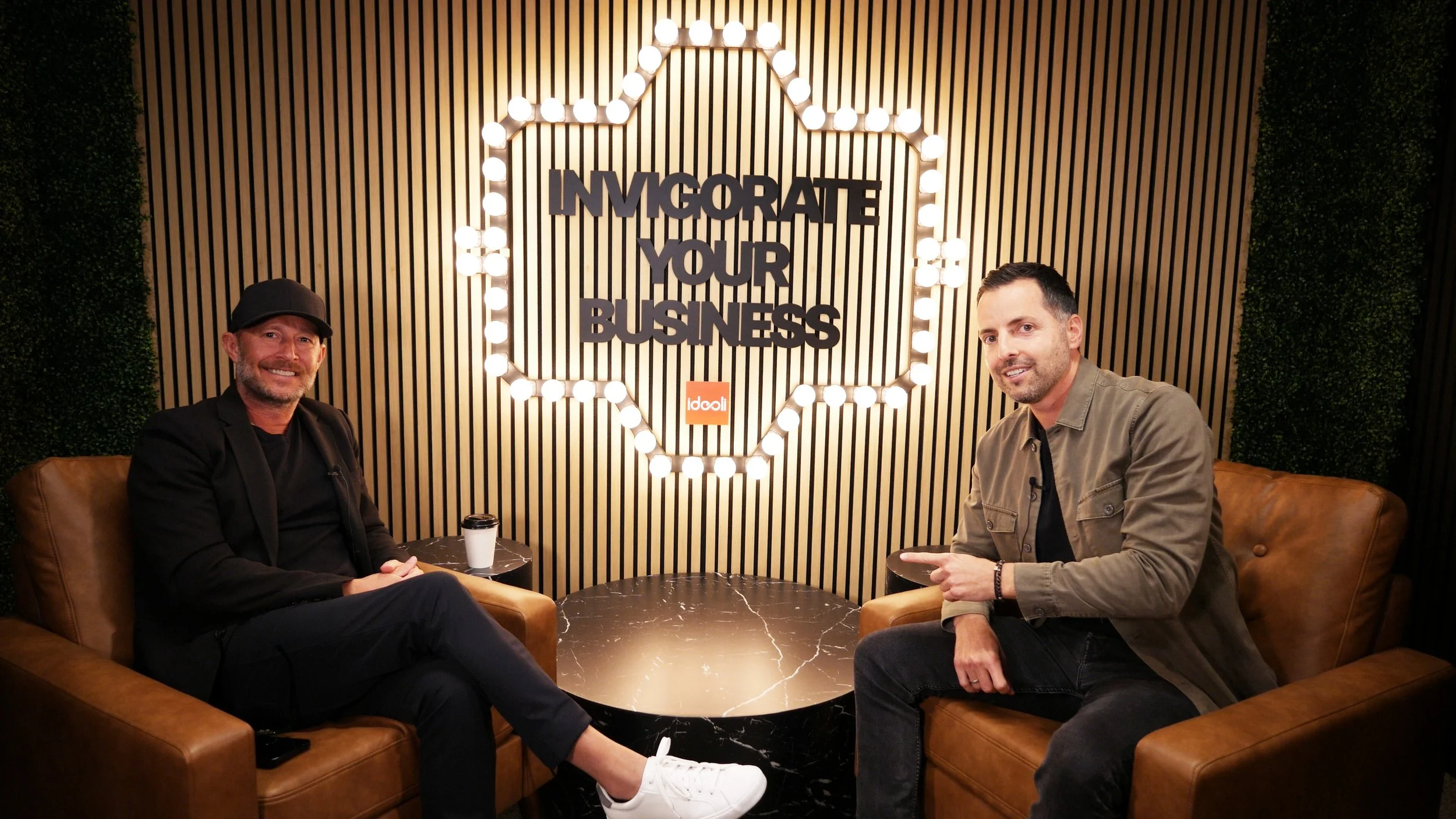
George Stroumboulis interviews Judah Regenstreif in Newport Beach on Invigorate Your Business, diving into lighting, distribution networks, scaling strategies, faith, corporate partnerships, and the foundations of a strong family business.
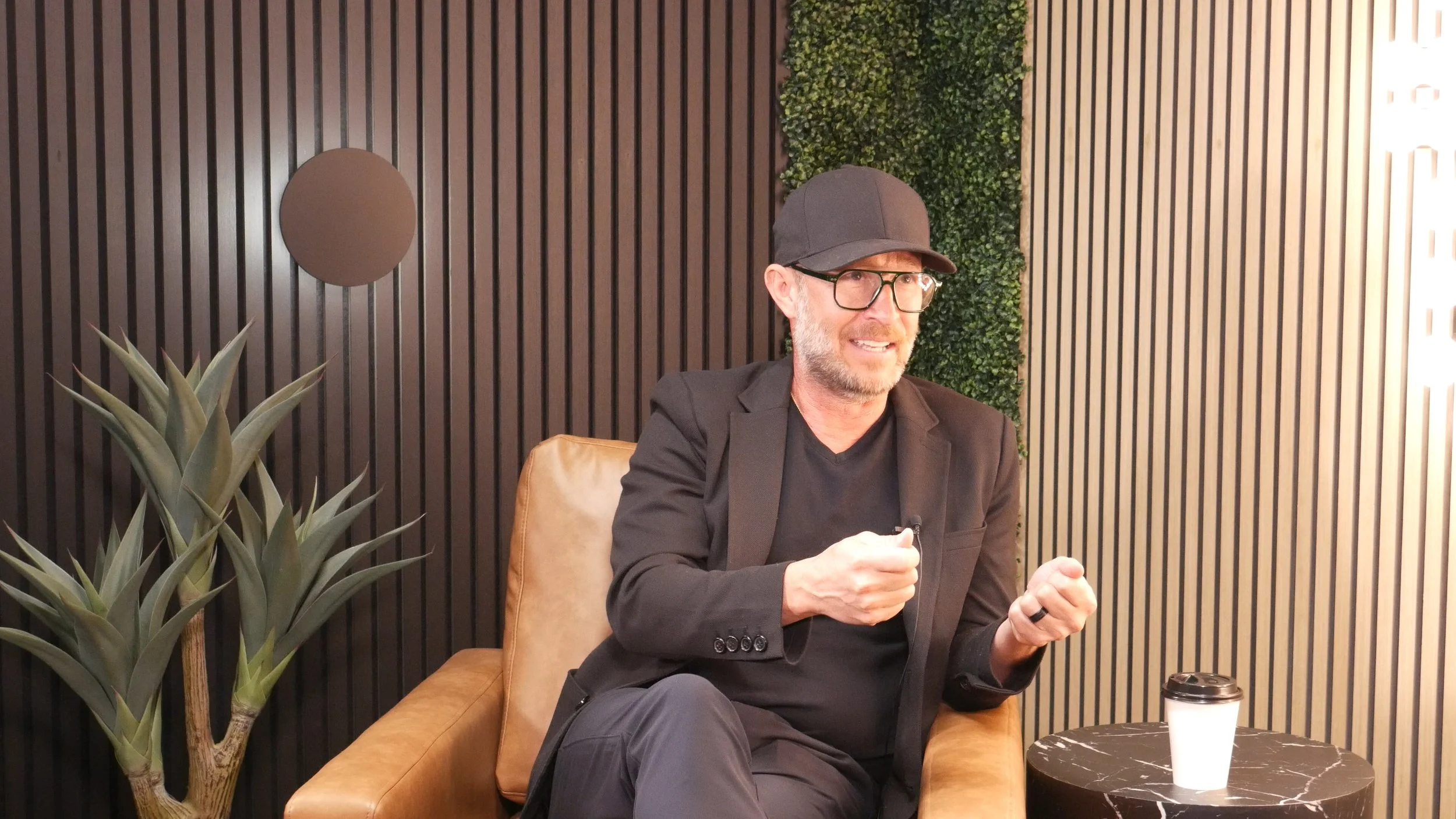
In this Newport Beach episode of Invigorate Your Business, George Stroumboulis sits down with Judah Regenstreif to discuss leadership, lighting distribution, scaling with integrity, the role of faith in business, corporate partnerships, and the legacy of a family-run company.
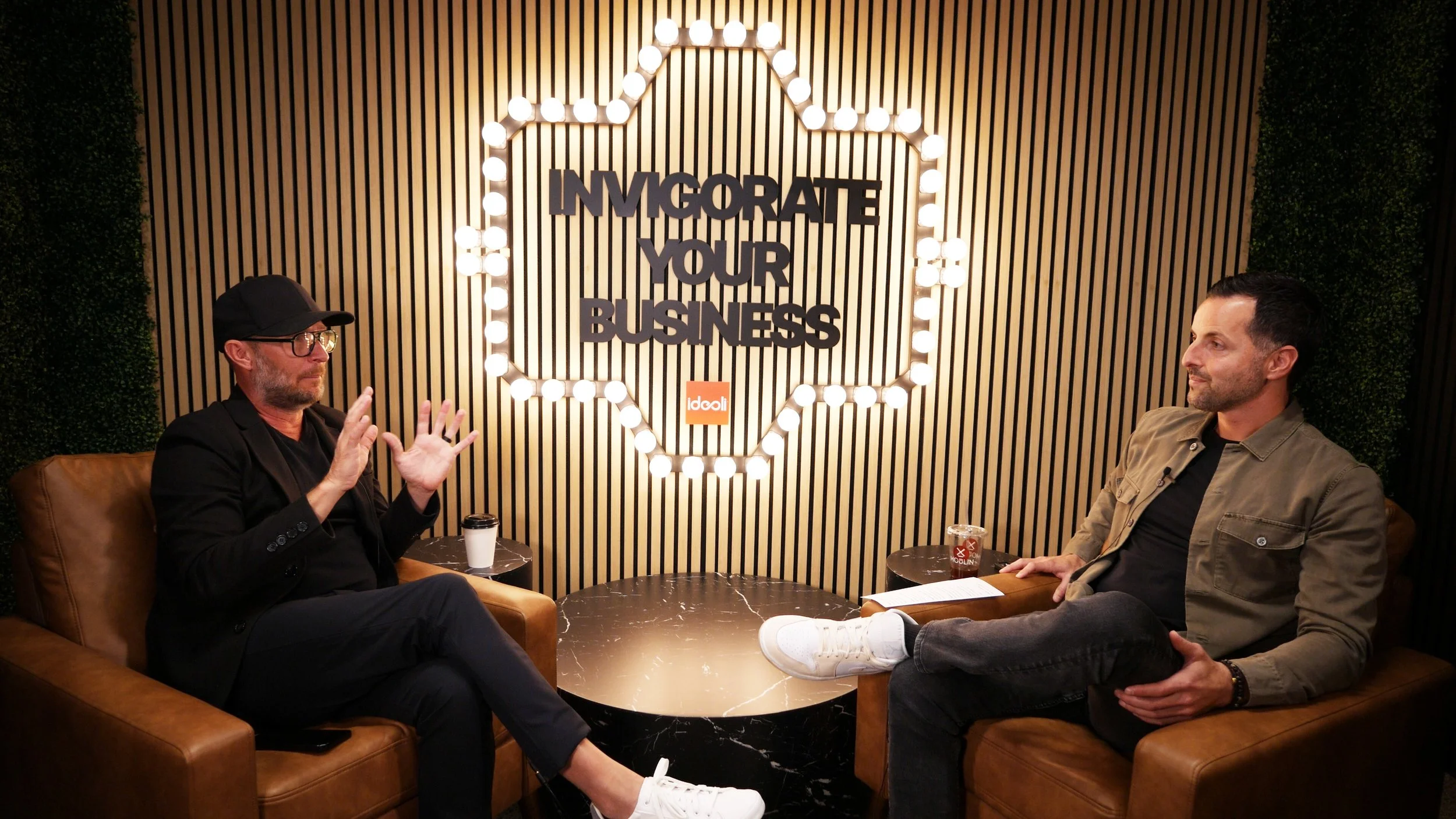
George Stroumboulis teams up with Judah Regenstreif in Newport Beach for a dynamic Invigorate Your Business episode exploring lighting innovation, national distribution, business expansion, faith, client relationships, and the backbone of a successful family-run operation.
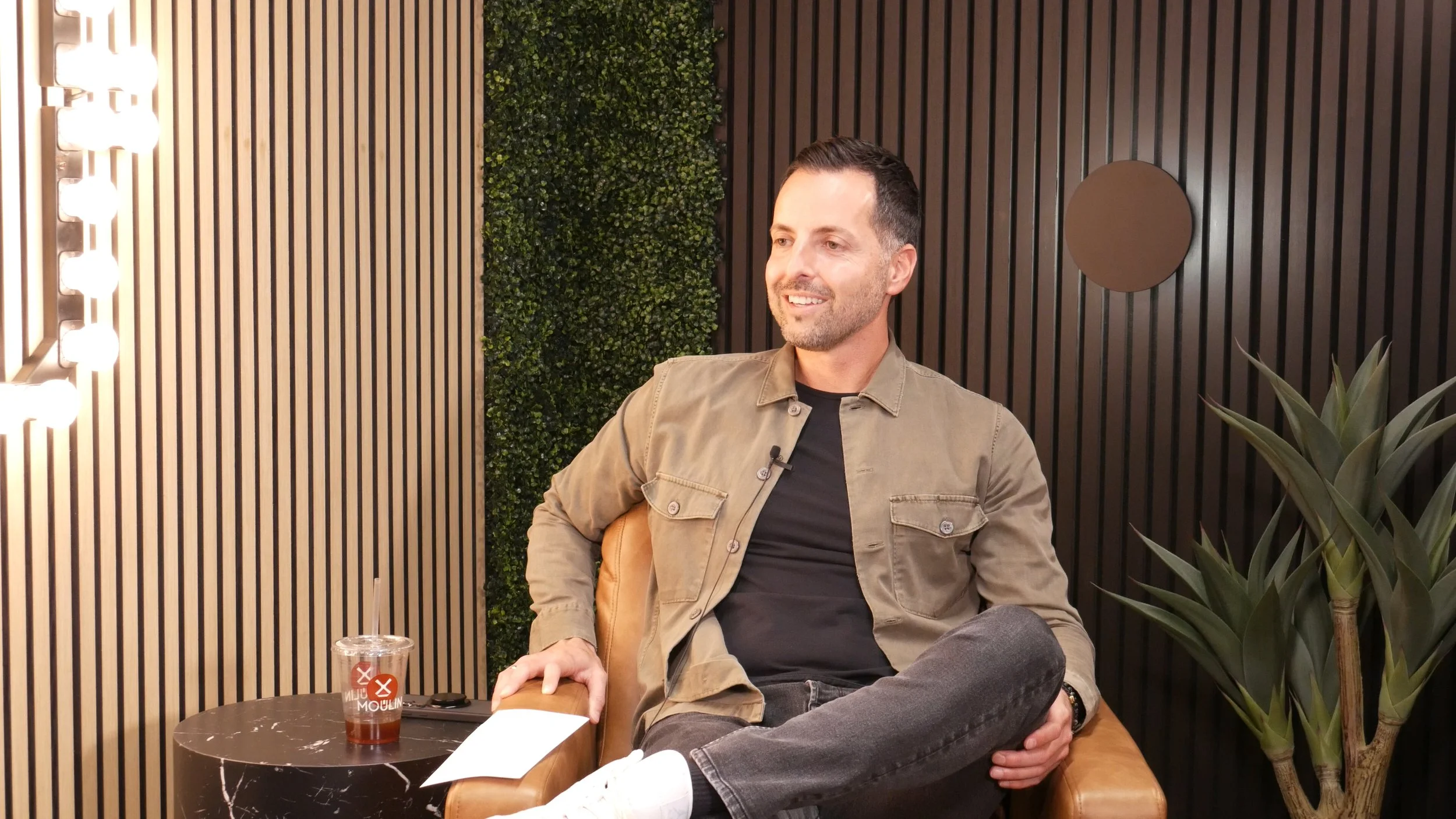
In Newport Beach, George Stroumboulis sits down with Judah Regenstreif for a wide-ranging Invigorate Your Business episode covering lighting, distribution, scaling teams, faith, long-term partnerships, corporate accounts, and the unique dynamics of building a family business.
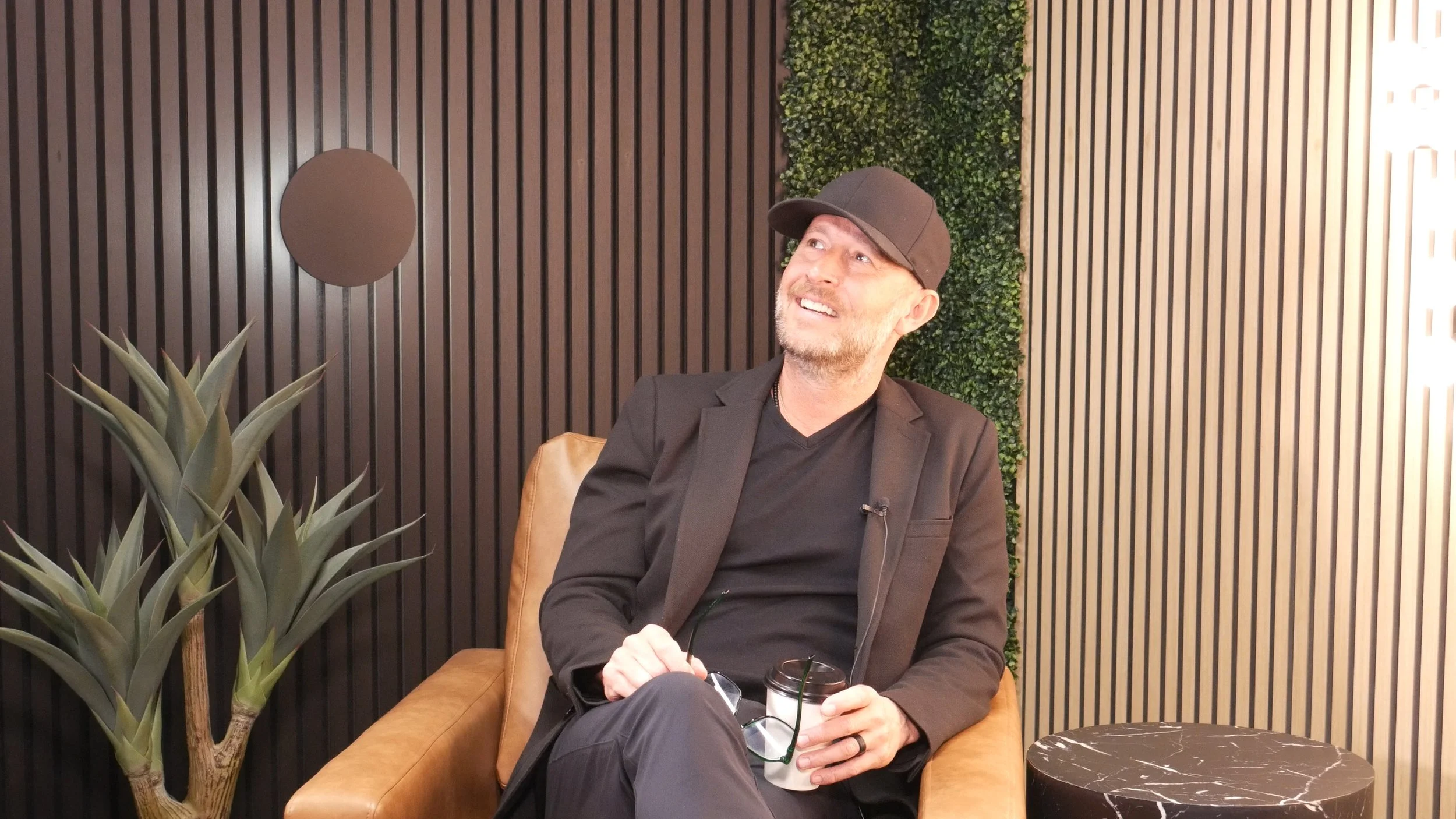
George Stroumboulis welcomes Judah Regenstreif to Newport Beach for an in-depth Invigorate Your Business conversation on the lighting industry, large-scale distribution, business growth, faith, partnerships, corporate clients, and the realities of running a family-driven enterprise.
ABOUT THE “INVIGORATE YOUR BUSINESS” PODCAST
The Invigorate Your Business with George Stroumboulis podcast features casual conversations and personal interviews with business leaders in their respective fields of expertise. Crossing several industry types and personal backgrounds, George sits down with inspiring people to discuss their business, how they got into that business, their path to the top of their game and the trials and tribulations experienced along the way. We want you to get inspired, motivated, and then apply any advice to your personal and professional lives. If there is at least one piece of advice that resonates with you after listening, then this podcast is a success. New episodes weekly. Stream our show on Spotify, YouTube, Apple, Amazon and all other platforms.
ABOUT GEORGE STROUMBOULIS
George Stroumboulis is an entrepreneur to the core, having launched several ventures across multiple industries and international markets. He has held senior-level positions at progressive companies and government institutions, both domestically and internationally, building an extensive portfolio of business know-how over the years and driving profit-generating results. George’s ability to drive real change has landed him in several media outlets, including the front page of the Wall Street Journal. George was born in Toronto, Canada to his Greek immigrant parents. Family first. Flying over 300,000 miles a year around the world puts into perspective how important family is to George’s mental and emotional development. With all this travel to global destinations, the longest he stays even in the most far-out destination is 3 days or less - a personal rule he lives by to make sure he is present and involved in family life with his wife and three daughters. To read about George’s global travels, stay connected with his blog section.
STAY CONNECTED WITH GEORGE STROUMBOULIS
STREAM & LISTEN TO THE PODCAST:
SPOTIFY: https://open.spotify.com/show/1rW2CmxQoiJNEPOZupJlvd
YOUTUBE: https://www.youtube.com/user/Stroumboulis
APPLE iTUNES: https://podcasts.apple.com/us/podcast/invigorate-your-business-with-george-stroumboulis/id1607693240
AMAZON MUSIC: https://music.amazon.com/podcasts/8fc03929-71b3-483a-a64e-153e30b3d462/invigorate-your-business-with-george-stroumboulis
STROUMBOULIS SITE: https://www.stroumboulis.com/podcast
PODCAST SITE: http://www.invigorateyourbusiness.com
FOLLOW GEORGE STROUMBOULIS:
INSTAGRAM: https://www.instagram.com/georgestroumboulis/
YOUTUBE: https://www.youtube.com/user/Stroumboulis
LINKEDIN: https://www.linkedin.com/in/Stroumboulis/
TWITTER: https://twitter.com/Stroumboulis
FACEBOOK: https://www.facebook.com/georgestroumboulis
TIKTOK: https://www.tiktok.com/@georgestroumboulis
CONTACT GEORGE DIRECTLY: https://www.stroumboulis.com/connect
FULL SHOW TRANSCRIPT
GEORGE STROUMBOULIS: 0:00
Welcome to another episode of Invigorate Your Business with George Stroumboulis. Today I sit down with Judah Regenstreif. Judah is an American businessman, second generation owner of one of the largest lighting distributors in the country. He is absolutely electric, has a great personality, and has led hundreds of people over the last two plus decades. He works with clients from around the world, some of the biggest brands that everyone recognizes, and has this personality that really connects and is able to grow that business. So we're going to sit down today, talk about how we've partnered together over the years. We're going to talk about how he's growing and navigating his family business through all these turbulent times, and we're just going to discuss everything. So enjoy this episode starting now. My name is George Stroumboulis, and I'm extremely passionate about traveling the world, meeting new people, and learning about new businesses. Join me as I sit down with other entrepreneurs to learn about their journey. This episode of Invigorate Your Business Starts Now. Just found out yesterday you're in town and wanted to make this happen for a long time.
JUDAH REGENSTREIF: 1:17
Man, and thank you.
GEORGE STROUMBOULIS: 1:18
Thank you for carving out time to even have me here.
JUDAH REGENSTREIF: 1:20
This is an honor.
GEORGE STROUMBOULIS: 1:20
You kidding me? It's I mean, it's Judah. I got I got a little intro I want to read for you. Yeah. Okay. You're to tell me how close it is, how off we are, but I feel it represents who you are as a business leader. So we'll read this. We're going to talk about a bunch of different things today, okay? Yep. So today I'm joined by a leader who has become one of the most respected figures in the lighting and supply industry, Judah Regenstreif, president of Regency Supply. Judah represents second generation of leadership at a company that has evolved from a dedicated lighting distributor into a major national player in electrical supply, logistics, and full service solutions. Over the past two decades, he has worked across nearly every part of the business, from customer service and sales to operations, culture, and strategic growth, helping guide Regency through industry shifts, acquisitions, and a company-wide transformation. What stands out about Judah is his commitment to people, to people. This is a big deal because I've experienced it firsthand with you. The culture he built, the long-term partnerships he maintains, and the integrity with which he leads. And on a personal note, Judah and his team were among the early believers in my company. We spent time together on the factory floors in China, overseas in Europe, learning and not just learning about our businesses, but just as people, right? That relationship and trust has played a meaningful role in our growth. I'm honored to have you here today. So man, I am I am humbled by that intro.
JUDAH REGENSTREIF: 2:38
I mean that was in pretty that was pretty incredible. You did your homework.
GEORGE STROUMBOULIS: 2:41
No, I did my homework and I and I've lived it over the last 10 plus years, right? Like seeing, you know, from the outside what you're doing with your brothers and building that business and and navigating this dude, like this economy, this political landscape. You know, it's it's just been crazy. So, you know, how how would you introduce yourself when you're sitting across from a client, right? And we'll talk about the business and then get to the personal.
JUDAH REGENSTREIF: 3:03
Yeah. I I mean I I usually give a little bit less of an intro than that. That was um that was great. But I'll generally introduce myself as a second generation, you know, owner of a family business, and I'll I'll reference the fact that our dad started the company and and uh I've been in full-time for 26 years, and 2018 he retired, and I have an older brother, a younger brother, and then my dad's best friend and him actually they were partners, still are the best friend's son-in-law, Scott Anderson, also uh second generation son-in-law, you know, owner of the company. So I I generally introduce myself like that.
GEORGE STROUMBOULIS: 3:35
Yeah.
JUDAH REGENSTREIF: 3:35
Yeah.
GEORGE STROUMBOULIS: 3:36
Well, and and Regency Supply, and this is an exaggeration, top five distributorships in the country easily.
JUDAH REGENSTREIF: 3:42
Yeah, I think it's uh the landscape, as you mentioned, has changed so much um over the years with technology and innovation. And then you throw in COVID and what happened to a number of different distributors you know across the industry. But yeah, I think we're probably still top five. Yeah. That'd be my guess.
GEORGE STROUMBOULIS: 3:56
Yeah, it's a household. And then the the names and the brands that you and your team service, it's it's household names, it's global brands, yeah, not just in this country, but around the world, like just pretty impressive. And I I've seen it early on for over a decade on just working together. But so talk to me, Regency. Your your father and his partner played you know a pivotal role on where you guys are today. Yeah. But like where where and how did they start and get into lighting of all industries, right?
JUDAH REGENSTREIF: 4:22
Yeah, uh great question. We moved from New York uh in 1980. My dad went to work and was selling home insulation um locally, uh residential homes and whatnot. And his best friend, Mike Goldstone, had stayed in New York and um and he had actually gone to work for a lighting distribution company in Manhattan. And then Mike uh started his own lighting distribution company there. My dad, realizing that he could probably do what he's doing on his own, started his his own home insulation business, and convinced Mike to sell everything and come to LA. They became 50-50 partners. So it was really Mike Goldstone's idea to start the lighting company. But in in 1983, Regency Lighting was formed out of Regency Enterprises. And yeah, literally just went door to door. We say Schlepp and light bulbs, now 44 plus years later. To your point, we have four distribution centers in in California and one in Georgia and two projects ranging from lighting design to light bulb distribution, providing the lighting fixture package. In 2015, we acquired an electrical wholesale company, and uh and we're working through a potential acquisition right now. So it's it's been an incredible journey. The joke that we say with our family is there was no strategic analysis and planning of how to build a company and an organization that would get you know X big over the years. It was literally their vision and idea was we got to put a roof over our family's head and food on the table. And um, and out of that, you know, has come this now second generation family-owned business that is somewhere in the top five you know distributors in the country. So it's humbling to be a part of it. It's an honor, it's fun, and meeting guys like you and and uh being able to walk into your office, you and Chris be able to walk into your office and even see pictures of us from our time in China. Sure. The relationship part of our business is what gets us up every day, you know, kind of a thing. Selling lighting is is a little bit of fun to it, but really it's it's the relationships and the dynamics that we have, you know, within the industry. Absolutely.
GEORGE STROUMBOULIS: 6:13
And that's where like when it comes to like relationships in Judah, like every everyone knows, like the the ones that are partnered with you, they know like you will go to war for them, you will do that. Like it it's your words, like it's huge. So when your dad started the company, you guys were brothers were between three, five, seven, like young, young kids. Yeah. When your dad started the company, did he think, hey, I'm building this next generation, you know, the kids are gonna get in it, or was it just pay the bills and see where this goes?
JUDAH REGENSTREIF: 6:38
I I think it was more the latter. Um, and I think for my brothers and I, we all had different kind of visions for our future. I think my older brother and my younger brother, so Isaac is my older, Evan is my younger. I think they both were pretty confident that they were gonna go into the family business very early on. And I ebbed and flowed out of that dream or vision. Um, there were lots of different things that I wanted to do growing up, and it wasn't until I was actually here locally, uh, going to Vanguard University, and um, where I had kind of caught that vision of, wait a minute, for whatever reason, I I would say by the grace of God, uh, was born into this family that was given this opportunity to have this family business. And I just met my now wife of of almost 25 years in in college. Congrats, man. 25 years. Yeah, March 3rd will be 25 years. Yeah. Um so started to think about my future and our future as a couple and thinking, gosh, I gotta, I gotta provide for my future family. And at that time, our business was really starting to grow. We had recently opened up in Dallas and Atlanta, started to pick up a little bit of momentum with national accounts. So I saw that as an opportunity uh to you know to go to work for our family business. So mine was more of a later understanding in terms of direction, but um.
GEORGE STROUMBOULIS: 7:47
What were you thinking before that? Like before you said, Hey, I need to get in here, like where where did you want your career to go?
JUDAH REGENSTREIF: 7:51
Yeah, so uh great question. Um I had I had taken a year off, actually two years off of college, and I had spent a year overseas in Europe and in China. And um and I thought I was gonna go to work for a nonprofit organization. The impact that my travels had on my life and my my perspective on life completely and radically changed by having those experiences. So I thought I would go to work for a nonprofit and help other people, in particular, you know, Southern California Americans, that we have such a good life here in this country.
GEORGE STROUMBOULIS: 8:21
We're so blessed, okay.
JUDAH REGENSTREIF: 8:22
So blessed yeah. And so how do I help other people have their minds and their eyes opened up to the rest of the world? So that's what I thought I was gonna do full time. And um but yeah, then I made it. Then I got in the in the family business and the and the proverbial light bulb you know went off.
GEORGE STROUMBOULIS: 8:36
And your father, right, like has worked, right? He didn't just say, hey boys, come on in, you guys are SVPs now and go figure it out. It's like you literally start at the bottom, right? In the warehouse. Yeah. Talk about that progression because it's so so important today. And I'm gonna sound so old. You see late teens, early 20s, you know, kids who are finishing university that think within two years they're gonna be their own boss and they're gonna do this. And and it's good to have aspirations, but like the reality is, you know, especially in the family business, you have to start at the bottom bottom to gain respect from your peers and to learn the business, right?
JUDAH REGENSTREIF: 9:09
I think so. I think so. And and I know some would even say don't go into your family business at first, right? Like spend a couple years working for someone else. Totally. And then bring that experience into your family business. We all could have done that and we just we chose, you know, to not and to just come right in the family business. But yeah, I mean, you you could argue that the progression really started. I I literally remember at seven and eight years old coming into the office with my dad, and we'd open up the mail and and uh and I'd read you know the amount of money that came in and he'd be working on his calculator. And so I remember like doing stuff like that, or this was before some technological improvements and advancements on shipping, but used to um we used to stamp like the regency return address on every envelope. So I would get paid like 25 cents a every 30 minutes or something to just be stamping, you know, hundreds of envelopes. But then yeah, as we got older, got into the warehouse and had to pick pack and ship and made deliveries and then worked in customer service and worked in purchasing and worked in finance. And that kind of the motto was or the mantra was be successful where you're at, prosper where you're planted, and from there we'll look at opportunities. And if it's a fit, then you'll be considered. And so um so yeah, so really had to kind of prove our our worth and our value in every role. And to be honest, I I kind of even still have that mindset now to where um uh big picture, if there's someone within our organization that we believe could do my job better, I would be happy to step aside and say, man, if you can do my job better than me, why would I not want you to do that? Right. Right from a from a bigger global perspective of of a healthy organization. I want the the best person in the right seats. Yeah. Right. And if that's not me, then I need to step aside and allow that to take place. So, you know, ownership, they uh you can't take that from me, but my my title, my position, I want the best possible person in all the right important seats. So yeah, we still kind of have have kept that that mindset. Absolutely.
GEORGE STROUMBOULIS: 10:58
And and like, you know, a family business. It's not like I grew up in the restaurant industry. Yeah. It's like, hey, you could take over the restaurants.
JUDAH REGENSTREIF: 11:04
Yeah, yeah.
GEORGE STROUMBOULIS: 11:04
Right. And it's like it's different. Like this is corporate, this is right. Like you look at it. So your father retires in 2018. Yep. Right? Yeah. At that point, he was clearly confident that, hey, next generation can take this over. Yeah. Because very rarely do you have an organization where it's like, you know, the the children can take it over and prosper, but you guys took a traditional business and have pivoted to another level, right? Like they must be so proud looking at where the company's gone, surviving all this and growing. I hope so.
JUDAH REGENSTREIF: 11:32
Dad, if you're watching, if you're watching, I I hope so.
GEORGE STROUMBOULIS: 11:35
I that you know, I I think so.
JUDAH REGENSTREIF: 11:37
Yeah.
GEORGE STROUMBOULIS: 11:37
They they see the numbers, they they know what's going on. Yeah, yeah. So how is it now everyone has their roles, but like working with your siblings? Yeah, how is that? Like the good, the bad, the ugly, like how do you guys stay in your own lane and have your eye on the big, big picture?
JUDAH REGENSTREIF: 11:50
Yeah. Great question. Uh, and we get asked that all the time when people find out there there are multiple sons you know in the business. And how does that work out? And I would say if I'm looking at my brothers and if I'm talking to you right now that because you're watching, you know, this podcast, I would say that my brothers are my some of my best friends. And so that I think that has enabled us, you know, to get along running the company. And I think we all have a fairly healthy, a hope, I think, of a pretty healthy and humble perspective of ourselves and our own giftings. And so recognizing each other's individual gifts and the role that they're in is it really is apropos or just perfect for the roles that we're in. Right. So um, so I think having that mindset and understanding of you fit this role because of the gifts that God has given you. And so I I want you in that role. I'm not gonna fight or argue for this position or that position or this title or what have you. It's where are your greatest gifts that will translate to the greatest contribution to the organization rather than fighting or debating, you know, over a title of some sort.
GEORGE STROUMBOULIS: 12:44
And everyone wins, right? When you're when you're doing that. Everybody wins, yeah.
JUDAH REGENSTREIF: 12:47
Yeah. So we have, you know, we have disputes for sure. We have arguments and and uh we don't always necessarily see that the the path or the direction we're going is is the right one. Yep. But we we acquiesce to each other, we we debate, and then we we agree and lock arms and move forward. And if we have to adjust and pivot, we do. So I I think we approach it as hey, we're doing this as a team. We've all got our individual roles, let's support each other. If we made a wrong decision, let's pivot. If it's a good decision, let's celebrate and go after it. And it's you know, so far it's working.
GEORGE STROUMBOULIS: 13:17
Yeah, and no no better person than your blood to have your back, right? And family and good friends too. Like I see it with our company. Like if I was if it was just me, sole owner, it would be lonely.
JUDAH REGENSTREIF: 13:27
Yeah, right.
GEORGE STROUMBOULIS: 13:28
You want to bounce ideas, good, bad. You want to do that. Like it's so vital. Yeah, totally. Because you stay in your lane and with stresses and everything, like you just it's good to tap on people.
JUDAH REGENSTREIF: 13:37
Yeah, yeah. And there's got to be trust, you know, obviously, and there's gotta be a relationship that has to be built and and worked on, you know, and grown in that. But I I wouldn't want it any other way. I love doing business with my brothers. That's why would I not? And and I think we even learned that from our dad and his best friend Mike Goldstone, right? Of the early employees were all friends, they were all like friends and family. And I think the idea and the mindset was we we've been given something pretty amazing. Why would I not want to share that with friends and family? If I have a a business that I can uh invite a friend to where they can make a great living and provide for their family, why would I not invite them to in fear of, yeah, but what if it doesn't work out in the relationship's hours? All right, well, let's talk about it. And as long as you do your job and I do my job, there shouldn't be any conflict and we'll both win.
GEORGE STROUMBOULIS: 14:21
That's where I s I've struggled personally. Yeah. Right, like over the years, and I've tried it recently with people who are friends, right? And some even family. And um, I I'm over uh cautious about it. Yeah, just like, hey, this is why I don't think it'll work, but this is why I do think it'll work. And so far, like it's worked out great with certain people. Yeah. But I know you guys are big on that. Yeah, and it clearly it shows like everyone works together. And I don't know, maybe it was the way I was raised, but it was like, if it doesn't work out, then it comes home and then it's your added stress. Totally. But who else is gonna have your back, right? Like your good friend and and you grow together. Yeah. Yeah.
JUDAH REGENSTREIF: 14:57
So I'm I'm learning. I mean, I think it could be an added stress, right? And and lots of conversation has to be had. There's got to be you know full transparency and and whatnot, and and things laid out on the table as far as roles and responsibilities and expectations. Yep. So it does have the potential to go sour. And I would say not every relationship that we've brought into the company that um has ended for some reason or another, necessarily ended well per se. Like there's some that have left disappointed or frustrated, you know, in full transparency. But there's also hundreds of people when you're a large organization.
GEORGE STROUMBOULIS: 15:27
Clearly that's going to be the case, right?
JUDAH REGENSTREIF: 15:29
Yeah, yeah. But yeah, that's been our take, you know, with family and friends of like, why would I not want to do this with the people that I love?
GEORGE STROUMBOULIS: 15:36
Um it's a great one. So to the listener, we we have listeners from around the world, right? Different industries. So when we talk about lighting and distribution and supply, like it's anything, there's a new building that's being opened up. Yeah, you know, you are the expert, your company is the expert where you come in, you do the design, you supply the wiring, the lighting, everything, right? What's changed over the years from when you first started to where we are now? Like just like industry changes. Is there anything that you're seeing where you're like, there's shifts here, and this is how we've adjusted? COVID's like the big one. Yeah, totally. But what have you seen over the years?
JUDAH REGENSTREIF: 16:10
Man, uh, and you've you've seen it too, just that the technology was a game changer for us all the way back from you know, 26 years ago, you're getting in and you're selling halogens to replace BR and R40 and R30 lamps, right? And so you went from these incandescent halogen lamps to compact fluorescence. And when that happened, there was a big scare, you know, right, of oh my gosh, you you put in an incandescent halogen in a retail restaurant, hotel, you know, commercial application, that light bulb's gonna be on 12, 14 hours a day, seven days a week, which means it's gonna burn out pretty much every month, right? So you have this fixed annuity, so to speak, in your business model. You land in a cut you land at a customer and you're getting orders every month, right? And so then technology comes and all of a sudden the light bulbs last longer. And so you go from like what 750 to like a thousand hours, 1,300 hours of an incandescent halogen to now 10,000 hour, you know, compact fluorescent, and we're like panicking, going, what's gonna happen to our business model? And then from there you go to LEDs, right? And now you're looking at five to seven, seven to ten year lifespan, you know, give or take, theoretically. And uh, and so same thing, like we'll say when we sell that socket, that socket is dead. Yes. Right once we make that sale. So in that, you have a change in business model of the revenue stream that was coming in, or the fact that we're no longer going for that residual replacement business. We're now looking for project-oriented business. Full transparency, current issue right now. Last month we had one of our best months of the of the year. Let's go, man. Right. And now November, this might be one of our worst months of the year. So even like going the the the cycle is so different where that that MRO business, replacement business was was there was just a pattern. There was consistency. You could budget well and easily, and now you're seeing these big you know swings.
GEORGE STROUMBOULIS: 17:54
Yeah. And it's so hard to forecast though in that.
JUDAH REGENSTREIF: 17:56
Oh my goodness, right? Yeah.
GEORGE STROUMBOULIS: 17:57
Across the board and everything.
JUDAH REGENSTREIF: 17:59
Yeah, yeah.
GEORGE STROUMBOULIS: 17:59
Like just really quick on relationships, right? So about a year ago, uh, we adjusted, we had to adjust some stuff, right? And we we shifted our business model slightly. Yeah. And I call you, you're one of my top three, four people that I had to call, right? And just be like, hey, we're adjusting this, this, this. And again, we don't have to share on camera what it was, but the the way you absorbed it, responded, supported, and say, hey man, uh, appreciate your transparency, appreciate our partnership. You got to do what's best for you, and gave that encouragement, right? And then I gave my word and stuck to it. And then since then we've pivoted and now we're tackling the world with certain clients and whatever. Like, I say that all the time, like specifically with you and how that call went. It's a big deal. Like it was such a big deal on how you just absorb that, right? It's not easy to hear certain things and and the way you were just able to uh communicate that and be genuine, be like, hey, let me just think about this. How how is it gonna affect us? How is it gonna work? Yeah. Um, it's been a big deal. Like just wanted to share that with you.
JUDAH REGENSTREIF: 18:58
I appreciate that. I mean, it it I think it goes back to you keep um trying to bring us back to like the topic of relationship. And I I think that's at the root of it, right? Of finding and developing like-minded people that you trust and respect and enjoy being with and wanting to start and develop partnerships together so that when those things happen, that that was that was a no-brainer easy conversation and decision to have with you because I I love you, respect you, trust you, and I want to be there for you as best I can for you personally and professionally. And so, how do we make something work where we both long-term big picture win? I appreciate that, man. But that only happens that only happens after you make the decision to invest in somebody, right? To to see the value and the importance of strong relationships that that gets birthed out of that. Yeah, yeah. Um, so to not see you as a transaction or even just a business partner per se. But like, no, I'm invested in George and his wife and his kids and his family and Chris, and like I I care about you. So why would I not want to create a win-win scenario?
GEORGE STROUMBOULIS: 19:56
You know, that's huge. And and something else worth mentioning too. So when when we're approaching 10 years, our 10 year anniversary, and before or right when we launched, we had talked to you and we had talked to Cam. Yeah, right. Yeah. We're like, hey, this is what we're doing. We're we're not competing with anyone in our space that you have partners, blah, blah, blah. And you're like, cool. Can we walk in with this client, this client, all global brands? And we're like, wait, what we just came up with our logo and general plan, and you guys like, you ready? And then within a year, you know, we're we're going to China, and within a year, we're in Sweden talking to the biggest retail in the world. And it was like, wow, like it was just insane. Where you guys did not need to do that because you have hundreds of options, right? So, like you just think of that and you're like back to the relationship. That's why, like, even in the intro, it comes down to people, like clearly what you value. It's just very cool to see that and experience that, and then try to be the same back, right?
JUDAH REGENSTREIF: 20:49
You know, in every way. Well, you and you and Chris are. It's it's why we continue our our friendship, why we continue our business partnership, why my staff, my team, both operationally and sales, enjoy working with you guys because you both embody that as well, that that vision, passion, understanding of at the end of the day. I mean, these are they're cool and fun and what, but it's just a widget, it's just a product. Exactly. When I when I lay my head down at night, I want to feel good about the people that I'm working with and how I treated them and how they're treating me, and et cetera. So you guys get that as well. So it it makes our partnership so easy and fun. And fun. I mean and we're growing together. So it's like you know, no reason.
GEORGE STROUMBOULIS: 21:28
The fun aspect is like anywhere we've been together, like it's always a blast. It's always fun. Um, I want to talk to you just some advice, right? So, like the relationship side, when you're building relationships and you're working with people, like what are some pieces of advice on how not to handle relationships? Like even on the client side, on red flags that you see where you're like, ah, this is transactional. Yeah. You know what I mean? Like you see a lot of different things. And then we'll talk about, you know, even hiring, giving advice to people on when you hire people, you you look for these traits or characteristics.
JUDAH REGENSTREIF: 21:58
Yeah, yeah. On the client side, uh, I would say somewhat embarrassingly, it took COVID for us to really kind of more clearly define our client base and who's a good partner on that end. Okay. Um I think prior to that it was like every customer is a good customer, every order is a good order. And at the end of the day, it's actually not really that true of a statement, right? You have people that that do take advantage of your of your time, of your product, of your services. They don't value what you bring to the party and they're really just in it for themselves. And there isn't a real partnership of helping each other out and figuring out a a common ground for the win, so to speak. And so it it took uh COVID for us to understand that a little bit better. Why why? Because there was just a slowdown and just kind of recalibration, right? Yeah, yeah. We had to we had to pivot and really look at our service model and our business model and figure out where are we profitable, where are we not, you know, where do we where do we need to make some changes. So um yeah, literally this morning, um, visited with a client who um you know we made some concessions for um, understanding big picture, they they value what we bring to the party, they've been a long-standing customer, um, and we see a roadmap for for growth and opportunity. So you kind of take all of those ingredients together when making a decision on how to treat um a client in that regard. So I think for us it it's um it's been a learning curve of recognizing, wait, that's that's really important to us. We're we're putting a lot, I believe, a lot into our company to to promote ourselves well, to walk with integrity, to service our clients well, to do a great job, right? If if they don't see that and feel that and have that same you know perception, maybe maybe they should go get their light someplace else, you know? Absolutely. So that's on the that's great.
GEORGE STROUMBOULIS: 23:47
And then when you're hiring people, so if they're gonna come into your organization and represent you, yeah, the brand, right, the family, all this stuff, what are their characteristics? Like what do you look for first?
JUDAH REGENSTREIF: 23:58
Yeah. That's a great question. Um humility. That's probably one of the biggest uh character traits that we look for. I want to be with somebody that has a a fair and honest perspective on life, themselves, relationships, opportunities, et cetera. So I look for somebody who's who's humble. But in that, I I tell my girls, I've got two daughters, and I tell them we've taught them to walk humbly, confidently, or confidently, humbly. Yeah. Right? Of you could be a little too meek and you can get run over and uh not you know stand up for yourself when you need to. But then you could also be overly confident and arrogant and run people over and be disrespectful, et cetera. So I think humility is a big one for us. Um but integrity is is huge and they kind of go hand in hand, in my opinion. But um, you know, we I want somebody that's that's gonna operate and function with the utmost integrity. And so when you make a mistake, when you do something wrong, can you hear that feedback? Are you gonna receive it, accept it? Are you gonna apologize, you know, for the mistakes that you made? And then are you gonna do what it takes to to rectify whatever whatever it was that you created by the lack of your integrity?
GEORGE STROUMBOULIS: 25:04
Right. So um That's great. Yeah, those are those are big ones. That's great, man. We got about 10 minutes left. I know you have to get out of here, but uh I want to talk family and faith as well. Yeah, right. Like uh you are everywhere, like every week, right? Like you you guys, you you're national, like the states is a big, physically big place, it's a big economy, it's everything. You're there, you're supporting your sales team, you're supporting your business development. Like, how is it being out there, making the most of it? Because when you travel and I've seen it firsthand, you're not just like, hey, we're here for one meeting, we're gonna stay two, three days. It's like it's packed, it's meetings, it's cram knit in there. How do you do that and then still try to be present because your kids now are in college? Yeah, you are very hands-on as a father, right? I I've seen it and all that. How do you balance that?
JUDAH REGENSTREIF: 25:47
Yeah. I would say, you know, one one if I had a regret um in the earlier years, I would say that my regret was I think I traveled too much. And I think we've had this conversation in in years past.
GEORGE STROUMBOULIS: 25:59
Earlier years in in the the girls, earlier year? Okay. Yeah, yeah.
JUDAH REGENSTREIF: 26:02
And it's, you know, there's always somebody that travels more, that works harder, you know, et cetera. So I want to be fair in my statement, but I I felt like I traveled a lot and um and missed a lot of nights. And there's this tension of you know, doing your job and doing it well and pr understanding what your priorities are. We talked a little bit earlier about my father was one time asked, how do you define success? And his definition was success is taking advantage of the opportunities before you without compromising or sacrificing your priorities. Say that one more time. So I I think it's profound. I think it's one of the greatest definitions of success, if I can say that. But success is defined as taking advantage of the opportunities before you, and we all get faced with opportunities every day, multiple opportunities all the time. So take advantage of those without compromising or sacrificing your priorities. So everyone has to define what those priorities are. Yeah. Is it is it making the most amount of money? Is it you know, bigger house, fancier cars, you know, a certain amount of dollars in your in your checking account? Is it I want to be the best husband I can be, I want to be the best father I can be, I want to be the best, you know, friend involved in my community, whatever your priorities are, you we have to define those and then balance the opportunities against those, right? Because I can chase after those opportunities, but at what cost? Maybe I maybe I make the millions, exactly, but I got I have no relationship with my wife, and we end up in divorce. Or my kids, you know, don't think highly of me and don't respect me because I'm never home. So like what what's the most important thing? And I remember my wife saying to me sometimes, you know, Judah, when you're when you're 85, 90, 95, whoever God gives you here on this earth, and you're lying on your deathbed, I'm pretty sure you're not gonna be like, Man, I wish I went to one more trade show. I wish I went to one more conference, you know, one more customer meeting. You're gonna be wishing that you had more time with your family, with your friends, you know, etc.
GEORGE STROUMBOULIS: 27:50
It's powerful though, when you think of that. It it is. And then you see the memes come through, and it's like the 80-year-old wishing she was 40 again with the kids making the mess. And I get that too, and and I I live a similar lifestyle, but the other side is that one more trade show as a leader, you're helping three more of your team hit their goals. And then they're it's hard. It's like especially in your position. It it's either you're all in or you're not, it's just tough to balance, but your wife is 100% right. Yeah, you're not gonna be defined as one of the owners of your company and this and that. Like, we're not gonna be defined by that. Nobody will care or remember. No, but then the other side is as a man to a man, like I respect the hustle and I respect when you are with the family, it's quality time and it's being there. And and again, you've shared this before. It's like your house with your kids growing up was the house. All the kids would come there. Yeah. That's also a definition of success. Yeah. Right? They want to be around you, they want to be there. Like it's a big deal. Like when your kids want to hang out with you, that's success.
JUDAH REGENSTREIF: 28:46
No, yeah, yeah, totally, totally. And I think everybody has to define that and and I think take regular kind of pulse checks on where am I at with my priorities. Yeah. Right. To your point of I also try to live my life off of a there's a uh a scripture verse that says, whatever you do, do it to the best of your ability into the glory of God. So whatever you do, do it to the best of your ability. So my role at the company, I'm gonna try to do that to the best of my ability to help my team, to help my company. And I'm also a father, and I'm also a husband, and I'm also a friend. So I'm not just a business owner, I'm not just a businessman. So that's yeah, doing a pulse check of like, all right, make sure that my my life isn't too far out of balance. And it's it's hard and it's easy to go one way or the other. So I think that's important too. Absolutely. Uh having relationships like this to call each other even on the carpet, be like, hey, bro, man, you've been you've been hustling like crazy. You got you got little kids at home. Can you pull back a little bit? Right. Right? Like, is this just a season or right? And just to have even those kind of relationships, absolutely.
GEORGE STROUMBOULIS: 29:43
It shows you care. It's not just numbers. Absolutely. Yeah, yeah, yeah. And then faith. I I know uh faith is a big part of your family, right? How does that help guide your business decisions? Good, bad, indifferent. Like, how how has that affected your life?
JUDAH REGENSTREIF: 29:56
Yeah, uh every every area of our lives, you know, not perfectly by. Any means. But you know, we we believe in God and we we try to bring God into every decision and every aspect of our personal lives, of our professional lives. And I want to honor Him, right, in the way that we run our business, and the way that I treat not just our employees, but also our vendor partners. You know, I I want to live a life that glorifies and honors God. And so when we're looking for people to hire, when we're looking for vendors to partner with, when we're setting up contracts and agreements, I I want it to be win-win, right? Like that that is part of what we would believe are our Judeo-Christian values of uh, you know, love your neighbor as yourself and treat others as you'd want to be treated. And that that plays into how we do business. It really does. You know? Yeah. I don't want to um, pardon the expression, screw you on on a price because I'm trying to just get mine. You know, I I need to be profitable and et cetera, but I also want you to be profitable. And so how do we how do we make it a win-win? And and that mindset I think is different.
GEORGE STROUMBOULIS: 30:56
It really is. Right? Yeah, yeah, because negotiation, two people can come out getting what they need. Totally. 100%. Yeah. Politics, yeah, not uh right. Like just in general, I want to talk about we all have different views and opinions and geopolitical around the world and what we believe. Yeah, you know, how does that tie into you as a person? Because you're a social guy, you're everywhere.
JUDAH REGENSTREIF: 31:19
Yeah.
GEORGE STROUMBOULIS: 31:20
Right. And then creating a company culture, and then you have clients who see you, right? Like, do you shield your beliefs? Do you kind of like tame it down because it could affect other people? Like, yeah, I struggle with this all the time. Even this platform, this podcast, you know, it's grown now, and there's people in certain times I'll sit there and be like, uh, maybe I won't share that because there may be a repercussion back to the bottom line. Right. But then you bite your tongue. You know what I mean? And then the other side of it is just one last comment from me is why can't you share an opinion or belief and someone else can disagree and it just ends there? Right. And we're still cool. Right. So, like, how how do you address that?
JUDAH REGENSTREIF: 31:56
Like, how do you Yeah, I mean, uh that's a that's a great question. And it's something I wrestle with, you know, and have for years to where, you know, this whole this even this whole idea of free speech, I I don't know that our country our country has proven that actually we have free speech, right? And and on on both sides of the political spectrum, wherever people find it's been interesting to see the demonization of various people or each other, because we maybe have differing views. Yep. And uh and that's unfortunate. You know, I it shouldn't be that way. Uh that we should all be able to respect each other's opinions and and be be passionate, you know, about what you believe. Uh live your life out of conviction for sure. But do that with grace and humility. Kindness and and uh and and give each other the grace and the time and the opportunity to work through wherever whatever position they have on whatever topic, right? Like we all grow and and life life happens and our opinions change and positions can change and and knowing that we're all trying to figure this out, and and so I think having that humility of man, we I might totally disagree with you on something, but that's okay. Yes. You might not think whatever you think in two months or six months or or two years from now. So like give George the the grace and the time to work through life absolutely, right? And and none of us are are the expert on any of the topics that are you know raging all over social media right now and there's a lot and there's so much.
GEORGE STROUMBOULIS: 33:23
I mean, dude, wars, terrorists, country, like there's so much that and not everyone's an expert. You can have an opinion, we could discuss, and and not everyone's an expert. So I guess some some, do you stay quiet and then just discuss in safe group settings? And like Yeah, yeah. Because I find myself just going quiet. Yeah, even if I disagree with something, it's like, well, what am I really going to benefit here? Yeah.
JUDAH REGENSTREIF: 33:46
I don't know. Yeah, I I think that's been for me. I feel like I I have wanted to walk more confidently in my convictions and my beliefs on things, but still having to evaluate the context in which I'm about to potentially share them. Right. So like if there's no relationship, you know, then then I need to use wisdom right in in how I share whatever it is, whatever topic, my beliefs and whatnot, my politic, my political position, uh, what have you. But if there's relationship that I've I've already put in the work and there's trust and there's history and there's what have you, then I I might take that opportunity to be a little bit more forthcoming with my opinion because I'm banking on there's trust and it's a it's a safe space to be honest and to process life. But if that relationship and trust isn't there, then I tend to maybe pull back a little bit. I may throw without some teasers to even see like I don't know where you stand on this. So let me let me throw something out and see if I can uncover. But I I I try to use wisdom, you know, as an owner, I have to be mindful of my my opinion and the things that I say may uh may affect um uh a client negatively who's working with one of my sales reps who's dependent on that business to feed his family. Exactly. Right. So if I'm too opinionated or too forceful or what whatever, maybe I'm okay if the customer walks, but my sales rep, that that might not be okay. So I I try to use some wisdom, you know, and discernment with that. And and uh depending on who I'm talking to, you know, we can ramp up or tone down the the conversation. But I'm with you, man.
GEORGE STROUMBOULIS: 35:12
It's a tough one. It is. Yeah. Um yeah, and there's people dependent on it. It's just a fun fact. You have one of the best uh singing, dancing routines, like you like no shame. Like you see Judah here today and he's you know professional reserve, but you party with the best of them, right?
JUDAH REGENSTREIF: 35:26
I I like work hard, play hard. Exactly. And uh and I mean, I I love people. I I really do. And that sounds silly or cliche or what have you, but I I enjoy the dynamic of relationship building. I love to make people laugh, you know, and smile. And and I often maybe this is insecurity in me of sometimes I wonder if I'm not corporate enough, you know, that I'm too relaxed and I'm I I like to have too much fun in even business settings. But man, I just feel like there's life is tough. Yeah. And and so many of us are going through all kinds of hard things at various times in life. And uh there is a Old Testament uh psalm that says life uh laughter doeth good like a medicine. That's powerful. Yeah, and and sometimes like just we just need to laugh a little bit and have a little fun and and not take take life so seriously, you know? So uh anyways, yeah.
GEORGE STROUMBOULIS: 36:15
With you. We'll we'll put B-roll up of you dancing at the shows and uh all day. And then just finally, best way to get in contact with you if you want to get spam, regencysupply.com. Yeah, yeah, yeah. Judah Reganstreif will have the name up there as well. LinkedIn, maybe they could connect with you.
JUDAH REGENSTREIF: 36:29
Yep, yep, yeah. Just Judah at regencysupply.com. Yeah, my LinkedIn, my cell phone. I'm happy to give the cell phone out, 805-312-1543. Let's go. So, um, but anyways, yeah, yeah, man.
GEORGE STROUMBOULIS: 36:41
I appreciate it. I know we could talk for hours, but we got it in the time slot we had.
JUDAH REGENSTREIF: 36:46
George, thanks for thanks for having me. And this is this is so great. I I love watching your podcast. You are so good at this. You're uh you're relaxed, you're comforting, you're easy to talk to, you ask great questions. Appreciate it. So this is fun, man.
GEORGE STROUMBOULIS: 36:58
You make it easy, brother.
JUDAH REGENSTREIF: 36:59
Thank you so much, man. We'll do this again.
GEORGE STROUMBOULIS: 37:01
Thanks for listening to this episode of Invigorate Your Business with George Stroumboulis. Please hit the subscribe and like buttons and follow me on all the main podcast streaming channels. Also, please share your comments when you can. I appreciate your help in expanding this network to a worldwide audience. Until next time, stay invigorated.
CONTENTS OF THIS VIDEO
00:00:00 Judah Regenstreif: His Business Journey Begins
00:02:55 The Origins Of Regency — A Family Business Story
00:05:20 Growing Up Inside The Lighting Company
00:09:45 Succession Planning & Sibling Leadership Dynamics
00:14:50 Industry Evolution: From CFL To LED Technology
00:19:10 How Regency Shifted From MRO To Project Business
00:23:05 Relationship-Driven Partnerships In Business
00:27:30 Choosing The Right Customers For Long-Term Success
00:30:10 Hiring With Purpose: Humility, Integrity & Culture
00:33:20 Travel, Family Values & Defining Real Success
00:37:20 Faith, Purpose & Using Belief As A Business Compass
HOW SUCCESSFUL ARE FAMILY BUSINESSES IN THE UNITED STATES
Family-owned businesses are a powerful force in the U.S. economy. They fuel job creation, strengthen communities, and often outperform non-family firms in long-term stability. But their success isn’t automatic — it’s a unique mix of resilience, culture, and the challenges that come with blending family and business.
Below is a clear breakdown of how family businesses perform in the United States, why many thrive, and why others struggle.
1. Their Economic Impact Is Massive
Family businesses make up a significant majority of all U.S. companies. They employ tens of millions of people and generate trillions in economic output. These enterprises range from small local shops to some of the largest corporations in the country.
Simply put: family businesses are the backbone of the American economy.
2. Longevity: Impressive — but Not Guaranteed
Many family businesses last far longer than typical non-family companies because they are built on long-term thinking rather than short-term profits. Some have been operating for 30, 50, even 100 years.
However, generational transitions are the biggest challenge:
Many businesses make it successfully through the first generation.
A smaller portion survives to the second.
Very few reach the third generation or beyond.
Those that do survive the transition tend to become very stable, deeply rooted institutions.
3. What Makes Family Businesses So Successful?
Family businesses have strengths that larger corporations envy:
• Long-term mindset
Decisions are made for future generations, not quarterly reports.
• Strong culture and loyalty
Employees often stay longer, feel more invested, and support the mission.
• Deep community roots
These companies often earn trust over decades, sometimes across generations.
• Flexibility and grit
Founders and family members often wear many hats and are willing to sacrifice more than a typical executive.
These qualities help family businesses weather economic downturns and build loyal customer bases that last.
4. The Challenges They Face
For all the strengths, the challenges are real:
• Succession planning
Most failures occur during leadership transitions. Without a clear plan, operations can fall apart.
• Family dynamics
Blending family roles with business responsibilities can create conflict, blurred boundaries, or mismatched expectations.
• Resistance to change
Older generations may cling to “how we’ve always done it,” slowing innovation.
• Professionalization
Growing companies often need outside expertise, systems, and leadership — which can be emotionally difficult to introduce.
• Economic and competitive pressures
Like all businesses, they must adapt to technology shifts, rising costs, and global competition.
5. What This Means for Today’s Family Businesses
If you’re part of a family business — or looking to start one — here are key principles that drive long-term success:
Start succession planning early.
Install clear roles, boundaries, and governance.
Prioritize long-term growth over short-term gains.
Invest in people, systems, and innovation.
Leverage your unique family-based strengths.
When these elements are in place, family companies can become powerful, enduring institutions.
Final Thoughts
Family businesses in the United States are remarkably successful when built on strong values, smart planning, and a long-term vision. They bring stability, trust, and continuity to a rapidly changing economy.
Their greatest strength is also their biggest challenge: the family itself.
Those who learn to balance tradition with professional management — while staying true to their core identity — often achieve success far beyond the first generation.
WHAT DO YOU NEED TO BUILD A LARGE LIGHTING DISTRIBUTORSHIP COMPANY IN THE UNITED STATES
Building a large lighting distributorship in the United States is a massive opportunity — but also a serious undertaking. The market is competitive, dominated by national players, regional powerhouses, and thousands of niche suppliers. To scale beyond a small or mid-sized operation, you need far more than product catalogs and vendor accounts.
You need infrastructure, relationships, systems, and industry credibility.
Below is a full breakdown of the key pillars required to build a large-scale lighting distribution company in the U.S.
1. Strong Supplier Partnerships (Domestic + Overseas)
Your supply chain is everything.
To scale nationally, you must have:
Reliable manufacturing partners (China, Mexico, U.S. domestic)
Diverse product lines (commercial, industrial, residential, decorative, architectural)
Preferential pricing based on volume
Credit terms that allow you to hold inventory
Quality control infrastructure at the factory level
National distributors win because they have deep vendor relationships and preferential access to inventory and pricing.
If you want to compete, you need to build the same — or find strategic suppliers who are willing to grow with you.
2. Warehousing & Logistics Footprint
A large lighting distributor must be able to deliver quickly.
That means:
Multiple warehouses (East Coast, Midwest, West Coast)
A central fulfillment strategy
Stocking levels that allow same-day or next-day shipping
3PL or self-operated logistics depending on volume
E-commerce integration for tracking and automation
Speed wins deals.
Slow distributors die.
3. A Deep Product Offering
To scale, you need a comprehensive catalog, including:
LED fixtures (commercial, residential, high-bay, troffers, downlights)
Lamps (specialty, linear, LED replacements)
Controls (dimming, sensors, smart systems)
Electrical supplies (wire, switches, breakers, etc.)
Decorative lighting options
Specialty project-based sourcing
Large electrical contractors and corporate clients want one-stop solutions.
If you don’t carry it — someone else will.
4. National Sales Infrastructure
A large distributorship requires a real sales engine:
Outside reps across key markets
Inside sales with technical experience
Key account managers for national clients
Quotations team for commercial projects
Specifiers and agency relationships
Dedicated bid desk for large projects
Relationships close deals — but infrastructure keeps them.
5. Advanced Technology & ERP Systems
To scale, you cannot operate on spreadsheets.
You need:
A modern ERP
CRM systems for tracking clients
Real-time inventory visibility
Automated quoting tools
E-commerce storefront (optional but powerful)
Integrations with your suppliers and 3PLs
Lighting distribution is a margin game.
Technology protects those margins.
6. Financial Strength
Growth eats cash — fast.
A scalable distributor needs:
Strong credit lines
Vendor terms
Cash reserves
Inventory financing
PO financing for large jobs
Large clients often require:
30–60 day terms
Heavy upfront stock commitments
Guaranteed pricing
Without proper financial structure, you cannot compete at scale.
7. Industry Knowledge & Relationships
To become a major player, you must earn credibility with:
Lighting designers
Architects
Engineers
ESCOs
Contractors
National retail and hospitality brands
Facility managers
Electrical supply houses
Clients trust distributors who understand products, projects, and code compliance — not just pricing.
8. Project Management & Value Engineering
Large distributors don’t just sell boxes.
They solve problems.
You need:
Project managers
Submittal teams
VE specialists
Procurement managers
Logistics coordinators
Warranty support infrastructure
This is where national distributors win and small shops lose.
9. Nationwide Licensing & Compliance
Depending on your product mix, you may need:
Electrical distributor registrations
UL/ETL-listed products
DLC, Energy Star, Title 24 compliance
State-specific energy regulations
Proper insurance and liability coverage
Large clients require distributors who meet all regulatory and safety standards.
10. A Differentiator
Without a unique value proposition, you become just another distributor.
Differentiators could include:
Custom product design
Faster shipping
Better pricing
Proprietary technology
Specialized vertical expertise (hospitality, retail, fitness, sports, etc.)
Global sourcing experience
Dedicated installation partners
You need a signature advantage that sets you apart.
Final Thoughts
Building a large lighting distributorship in the U.S. requires:
Infrastructure
Scale
Capital
Strong leadership
A powerful network
Relentless execution
It is not an overnight business — it’s built over years of credibility, consistency, and the ability to deliver when others can’t.
But for the companies that master these pillars?
The opportunity is enormous.
If you want, I can also create:
✅ A step-by-step guide for launching a lighting distributorship
✅ A checklist for scaling from $1M to $10M to $50M
✅ A pitch deck outline for investors or lenders
WHAT SUCCESSION ADVICE DO YOU HAVE FOR LEGACY COMPANIES AND WITH MULTIPLE SIBLINGS
Succession is one of the most defining — and dangerous — moments in the life of a family business. In legacy companies, especially those with multiple siblings, it’s not just a business decision; it’s emotional, generational, and often deeply personal.
Handled well, succession becomes a launchpad for the next era of growth.
Handled poorly, it fractures families and destroys otherwise strong companies.
Here is the most important succession advice for legacy companies navigating leadership transitions across siblings and generations.
1. Separate Family Dynamics From Business Decisions
This is the biggest rule.
A business cannot succeed if family history, emotion, rivalries, or birth order determine leadership.
Instead:
Define roles based on competence, not seniority.
Establish clear boundaries between family conversations and business conversations.
Create a “no-blindside” rule — open communication, no back-door alliances.
Family dynamics cannot run the company.
The company must be run like a company.
2. Build a Formal Governance Structure
Legacy companies grow, but many never evolve past informal decision-making.
You need:
A board or advisory board (with at least one non-family member)
Clear voting rights
Defined responsibilities and authority levels
Written policies on hiring, compensation, evaluations, and conflict resolution
Governance protects the business and the family.
3. Define “Who Leads” — Before There’s a Crisis
Leadership cannot be a mystery.
Options include:
One sibling as CEO, others in key roles
Rotating leadership (rarely recommended)
Dividing leadership by function
Hiring an external CEO with siblings as owners/operators
The key: clarity.
Ambiguity destroys more family businesses than competition ever will.
4. Hire From Outside — When Necessary
Bringing in non-family executives often:
Reduces internal conflict
Adds professionalism and experience
Brings neutrality to decision-making
Helps siblings focus on ownership rather than power struggles
Many legacy companies thrive because they empower professionals, not just relatives.
5. Start Succession Planning 5–10 Years Before Needed
Most family companies wait too long.
Effective succession requires:
Mentorship
Transition periods
Skill development
Relationship building
Gradual transfer of authority
Clear financial planning
Succession should be a process, not an event.
6. Protect the Business From “Equal Ownership, Unequal Contribution”
With multiple siblings, this is where resentment explodes.
Two approaches work best:
A. Performance-Based Roles and Compensation
Pay for contribution, not for last name.
B. Equal Ownership, Professional Management
If all siblings share ownership, hire a non-family CEO and create shared governance.
What doesn’t work:
Equal pay and equal control when contributions are not equal.
7. Keep the Founder’s Values — But Modernize the Founder’s Methods
Legacy companies succeed when:
The next generation honors the mission
But updates the systems, technology, and strategy
The safest path is:
Preserve the culture → modernize the business → evolve the systems
This balance prevents both stagnation and chaos.
8. Use External Advisors to Reduce Tension
Every multi-sibling business should have:
A neutral succession consultant
A family business advisor
An outside CPA/attorney
Objective third-party evaluators
Outside voices reduce emotional decision-making and prevent conflicts from becoming permanent.
9. Be Clear About Ownership vs. Employment
Siblings may own shares without working in the business.
Or they may work in the business without controlling ownership voting rights.
Define:
Who owns what
Who gets paid for what
Who has decision-making authority
What happens if someone wants to exit
This eliminates long-term confusion.
10. Put Everything in Writing
Handshake agreements destroy families.
You need:
Shareholder agreements
Buy-sell agreements
Leadership succession plans
Compensation structures
Exit and retirement plans
Clear KPIs for leadership roles
Documentation protects relationships.
Final Thought: Protect the Family AND the Business
Great family businesses understand one truth:
The family must protect the business, and the business must protect the family.
That requires:
Transparency
Planning
Professional management
Fairness
Accountability
Shared purpose
When siblings align around structure instead of emotion, legacy companies don’t just survive — they thrive for generations.
BLOG POST
Light, Leadership, And Lasting Partnerships
From Family Shop To National Supply Powerhouse
How A Second-Generation CEO Scales A Lighting Empire While Putting People First
We Sell Bulbs, But The Real Product Is Trust
What If Success Isn’t More, But Better Priorities
What if scaling a legacy business didn’t mean sacrificing your values? We sit down with Judah Regenstreif, second-generation president of Regency Supply, to unpack how a door-to-door lighting hustle evolved into a national electrical and lighting powerhouse—without losing its soul. Judah’s been in every seat from warehouse to finance, and his leadership philosophy is simple and rare: relationships drive results, integrity compounds, and humility makes teams unstoppable.
We dig into the industry’s massive technology shifts—compact fluorescents and then LEDs—that blew up predictable replacement revenue and forced a pivot from MRO to project-based work. Judah explains how Regency built resilience through design expertise, fixture packages, and electrical supply logistics while serving global brands with complex needs. He’s candid about forecasting swings, pricing discipline, and the post-COVID reset that clarified which clients truly fit: partners who value service, respect the craft, and play long-term games.
Judah also shares a practical blueprint for people decisions. He hires for humility and integrity first, then coaches for skill. He defines success as taking the opportunities in front of you without sacrificing your priorities—an anchor that helps him balance heavy travel with being a present husband and father. Faith informs his approach to win-win deals, transparent partnerships, and culture-building that can weather politics and polarization. When to speak boldly, when to use restraint, and how to protect your team’s livelihoods—it’s all here, along with an underrated leadership tool: laughter that keeps the work human.
If you’re leading through change, building a family business, or rethinking growth in a project-driven world, you’ll leave with a clearer map: choose fit over frenzy, character over shortcuts, and partnerships that outlast any product cycle. Subscribe, share this conversation with a founder who needs it, and leave a review to tell us what principle you’re taking into your week.
BLOG POST
Family businesses often begin with grit, not grand plans. That truth runs through Judah Regenstreif’s story, where a door-to-door lighting hustle grew into a top national electrical and lighting supply partner. The company’s roots are humble: two friends put food on the table, then figured out the rest. Over decades, that scrappy mindset matured into disciplined operations, acquisitions, and a culture-first approach to vendor and client partnerships. Judah’s perspective is shaped by years in every seat—warehouse, deliveries, customer service, purchasing, finance, and sales—so his leadership rests on practical empathy. He values relationships over transactions and treats integrity as a real business input, not a slogan. The payoff is trust that carries through market shocks and shifting technology.
The lighting industry’s technology curve forced a reinvention of revenue. Early on, incandescent and halogen sales created predictable replacement cycles. Then compact fluorescents extended lifespans, and LEDs stretched them further, erasing recurring orders and killing the old MRO model. Judah explains how the business pivoted from replacement volume to project-driven work—design, fixture packages, logistics, and electrical supply integration. That shift swings revenue more wildly month to month, making forecasting harder but margins more strategic. To adapt, the team leaned into national accounts, design expertise, and distribution strength across multiple regions. The SEO core here is clear: LED lighting projects, electrical supply logistics, national distribution, and lifecycle cost savings all intersect in a value proposition centered on reliability and long-term partnership.
Relationships sit at the center of Judah’s playbook. After COVID exposed which accounts aligned and which drained value, the team defined fit: clients who respect service, share long-term goals, and want win-win solutions. That filter sharpened pricing discipline and focused resources where they produce growth. On the vendor side, transparency matters—clear expectations, honest feedback, and shared upside. Judah also offers a hiring blueprint: choose humility and integrity first, then coach for skill. Confidently humble people accept feedback, own mistakes, and recover fast. This people-first culture reduces friction, elevates service levels, and compounds trust across projects. It’s not soft; it’s operational efficiency powered by character.
Work-life balance is not a slogan for Judah; it’s a score he tracks. He shares his father’s success definition: take the opportunities in front of you without sacrificing your priorities. That principle reframes travel, sales pushes, and trade shows. Hustle has a cost, but awareness lets leaders recalibrate in seasons. Faith underpins Judah’s decisions: treat vendors and clients the way you want to be treated, aim for win-win deals, and seek outcomes that honor people. In a polarized environment, he adds nuance: context matters for sharing beliefs. Where there’s trust, speak plainly; where there isn’t, use wisdom and protect the team’s livelihoods. And amid pressure, remember laughter is medicine—joy and momentum fuel better work. The result is a resilient culture where growth, ethics, and human connection move in lockstep.
MORE EPISODES





George Stroumboulis sits down with Garrett Patten, entrepreneur, filmmaker, producer, and fourth-generation business leader. They discuss his journey from the Caterpillar boardroom to Hollywood films, the realities of building a multigenerational business, the economics behind filmmaking, and what it takes to reinvent yourself and succeed in an entirely new industry.