
GREEK FOOTBALL SUPERSTAR WITH THOMAI VARDALI | E072 PODCAST
LISTEN TO THIS EPISODE




ABOUT THE GUEST
Thomai Vardali (Θωμαΐς Βαρδαλή) is one of the brightest stars and most respected leaders in Greek women’s football — a prolific scorer, captain-level presence, and a role model for the next generation of athletes.
As a forward for PAOK FC Women and a long-standing member of the Greece women's national football team, she has represented her country at every level from U17 to the senior squad. With more than 100 goals for PAOK, she has established herself as one of the most consistent and dangerous attacking players in Greek football.
Her football journey spans continents, from her early years in Thessaloniki to playing collegiate soccer at East Tennessee State University in the United States — before returning home to elevate the women’s game and inspire young athletes throughout Greece.
Beyond the pitch, Thomai is a passionate advocate for women’s sports and youth empowerment. She uses her platform to promote confidence, resilience, and equal opportunity for girls in football, helping shape a stronger and more inclusive future for the sport.
She is a leader, a champion, and an inspiration whose influence extends far beyond the field.
Thomai’s Instagram: https://www.instagram.com/thomyvarda/?hl=en
Thomai’s Facebook: https://www.facebook.com/thomai.vardali/
Thomai’s Wikipedia: https://en.wikipedia.org/wiki/Thomai_Vardali

George Stroumboulis sits down with Thomai Vardali in Thessaloniki, Greece, to explore her journey as one of the country’s most accomplished female footballers. Together, they dive into her early start in the sport, her standout career at PAOK FC Women, her experience with the Greece women’s national football team, and how she’s inspiring the next generation of female athletes across Greece.
“First of all, I want people to remember me as a good person — because beyond the awards, the cups, the goals, that’s what stays and that’s what matters.”
MEDIA RELATED TO THE EPISODE
George Stroumboulis sits down with Thomai Vardali in Thessaloniki, Greece, to explore her journey as one of the country’s most accomplished female footballers. Together, they dive into her early start in the sport, her standout career at PAOK FC Women, her experience with the Greece women’s national football team, and how she’s inspiring the next generation of female athletes across Greece.
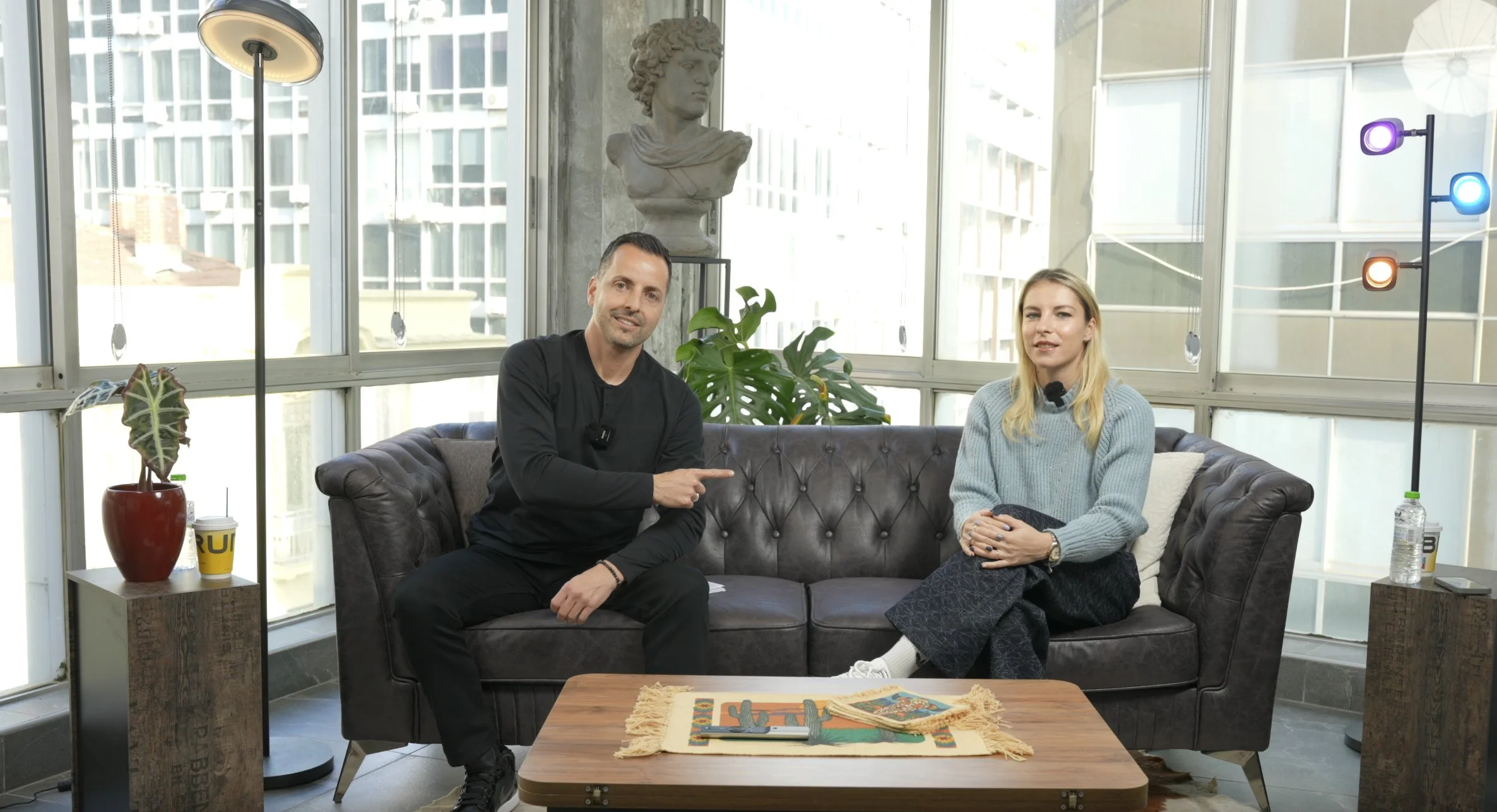
George Stroumboulis sits down with Thomai Vardali in Thessaloniki, Greece, to explore her rise as one of the nation’s most decorated female footballers. They discuss her early beginnings, her standout success at PAOK FC Women, her national team journey, and her mission to inspire young girls to pursue football with confidence.
From Thessaloniki, George Stroumboulis speaks with Thomai Vardali about her powerful journey through Greek football — from discovering the sport as a young girl to becoming a leading figure in the women’s game. They dive into her club achievements, national team experiences, and the mindset that continues to drive her impact on future athletes.
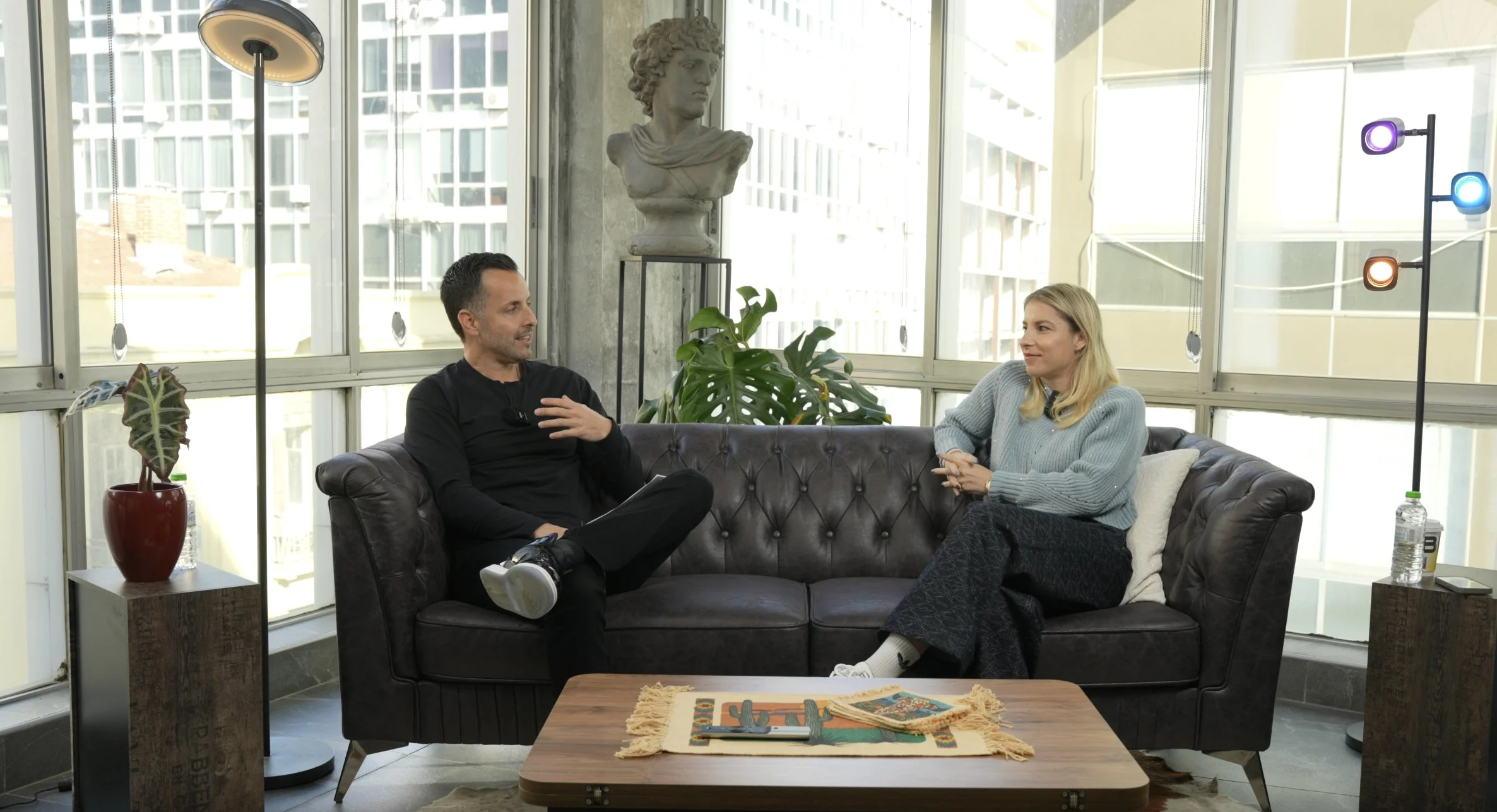
George Stroumboulis meets Thomai Vardali in Thessaloniki for an honest conversation about the discipline, sacrifices, and determination behind her success. They dive into her development as an elite player, her time with PAOK, her contributions to the national team, and how she uses her platform to motivate the next generation of Greek female players.
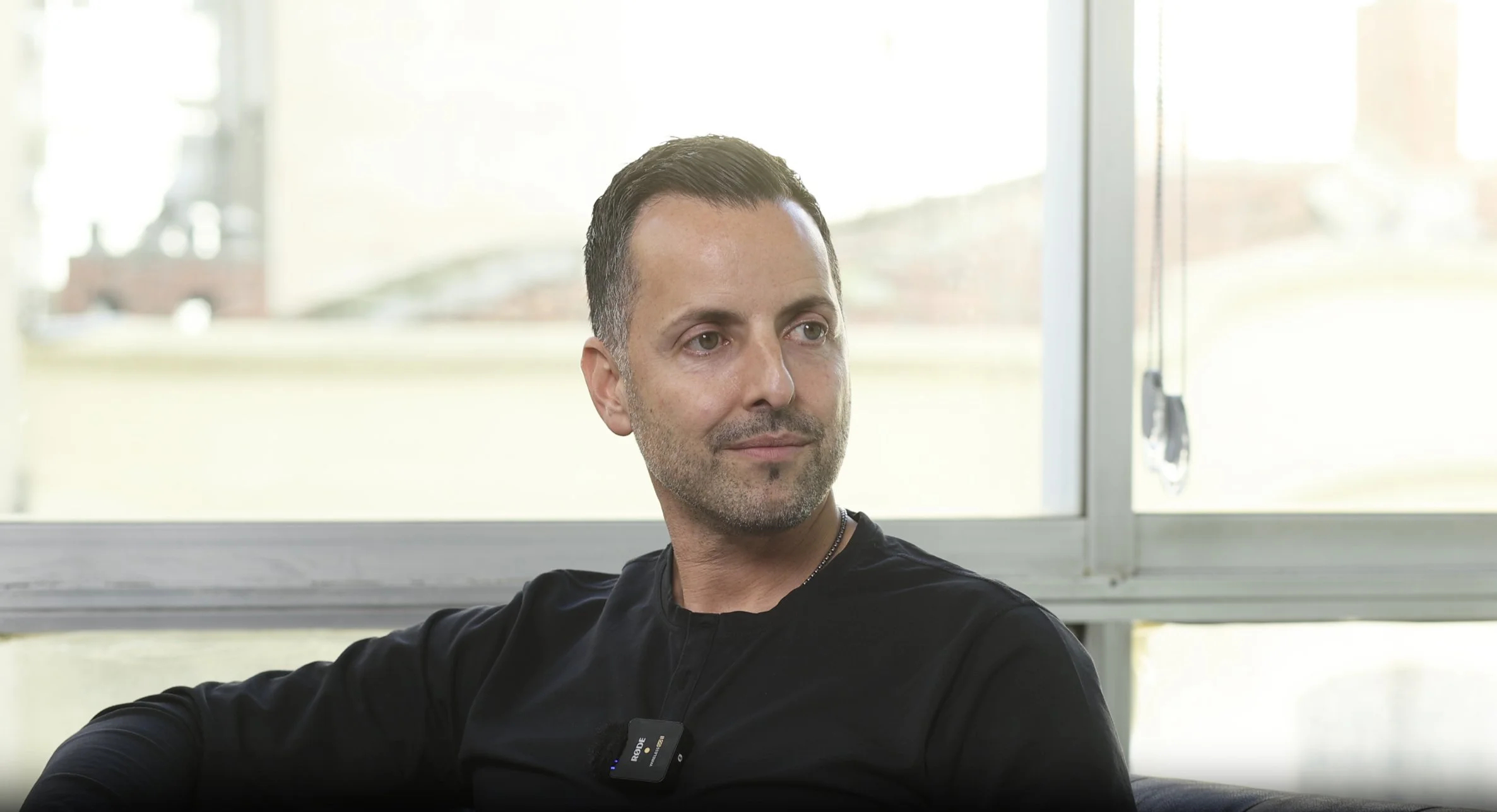
From Thessaloniki, George Stroumboulis speaks with Thomai Vardali about her powerful journey through Greek football — from discovering the sport as a young girl to becoming a leading figure in the women’s game. They dive into her club achievements, national team experiences, and the mindset that continues to drive her impact on future athletes.
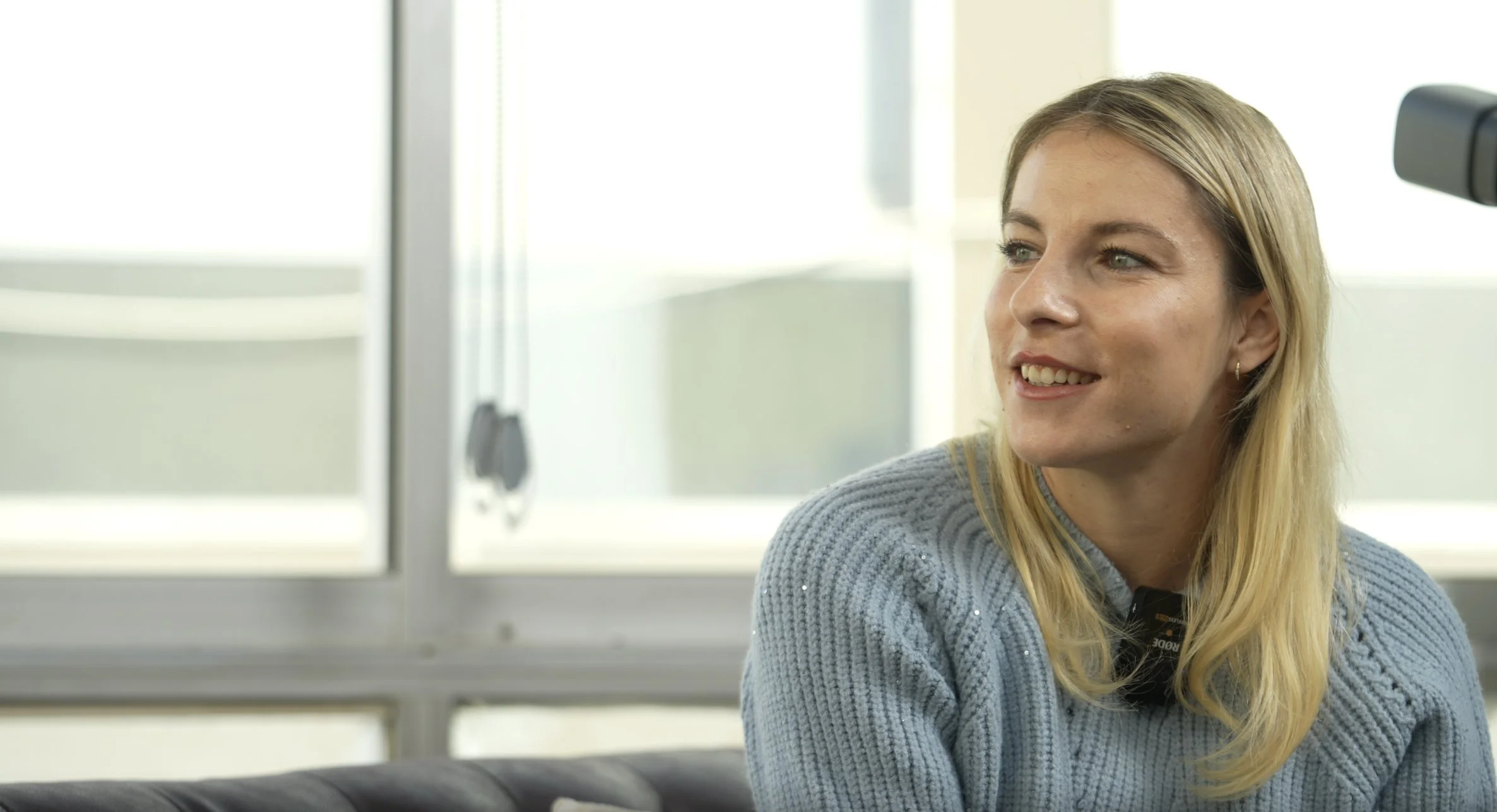
George Stroumboulis sits down with Thomai Vardali in Thessaloniki, Greece, to explore her rise as one of the nation’s most decorated female footballers. They discuss her early beginnings, her standout success at PAOK FC Women, her national team journey, and her mission to inspire young girls to pursue football with confidence.
ABOUT THE “INVIGORATE YOUR BUSINESS” PODCAST
The Invigorate Your Business with George Stroumboulis podcast features casual conversations and personal interviews with business leaders in their respective fields of expertise. Crossing several industry types and personal backgrounds, George sits down with inspiring people to discuss their business, how they got into that business, their path to the top of their game and the trials and tribulations experienced along the way. We want you to get inspired, motivated, and then apply any advice to your personal and professional lives. If there is at least one piece of advice that resonates with you after listening, then this podcast is a success. New episodes weekly. Stream our show on Spotify, YouTube, Apple, Amazon and all other platforms.
ABOUT GEORGE STROUMBOULIS
George Stroumboulis is an entrepreneur to the core, having launched several ventures across multiple industries and international markets. He has held senior-level positions at progressive companies and government institutions, both domestically and internationally, building an extensive portfolio of business know-how over the years and driving profit-generating results. George’s ability to drive real change has landed him in several media outlets, including the front page of the Wall Street Journal. George was born in Toronto, Canada to his Greek immigrant parents. Family first. Flying over 300,000 miles a year around the world puts into perspective how important family is to George’s mental and emotional development. With all this travel to global destinations, the longest he stays even in the most far-out destination is 3 days or less - a personal rule he lives by to make sure he is present and involved in family life with his wife and three daughters. To read about George’s global travels, stay connected with his blog section.
STAY CONNECTED WITH GEORGE STROUMBOULIS
STREAM & LISTEN TO THE PODCAST:
SPOTIFY: https://open.spotify.com/show/1rW2CmxQoiJNEPOZupJlvd
YOUTUBE: https://www.youtube.com/user/Stroumboulis
APPLE iTUNES: https://podcasts.apple.com/us/podcast/invigorate-your-business-with-george-stroumboulis/id1607693240
AMAZON MUSIC: https://music.amazon.com/podcasts/8fc03929-71b3-483a-a64e-153e30b3d462/invigorate-your-business-with-george-stroumboulis
STROUMBOULIS SITE: https://www.stroumboulis.com/podcast
PODCAST SITE: http://www.invigorateyourbusiness.com
FOLLOW GEORGE STROUMBOULIS:
INSTAGRAM: https://www.instagram.com/georgestroumboulis/
YOUTUBE: https://www.youtube.com/user/Stroumboulis
LINKEDIN: https://www.linkedin.com/in/Stroumboulis/
TWITTER: https://twitter.com/Stroumboulis
FACEBOOK: https://www.facebook.com/georgestroumboulis
TIKTOK: https://www.tiktok.com/@georgestroumboulis
CONTACT GEORGE DIRECTLY: https://www.stroumboulis.com/connect
FULL SHOW TRANSCRIPT - ENGLISH
GEORGE STROUMBOULIS: 0:00
We’re doing this. Are we ready? We’ve got the coffee and we’re in Thessaloniki. Alright — let’s jump in. I’m going to start by reading an intro. This is a very special episode today because you’ve done something in Greece that, from a sports standpoint, hasn’t been done before. Top female soccer player, the first woman from Greece to earn a Division I scholarship in the United States, come back home, play professionally, play for the national team — a striker, a force, and a great person. So we’re getting into it today.
Today’s guest is one of the brightest stars and most respected leaders in Greek women’s football — a scorer, a captain, and a role model for the next generation. Thomai Vardali is a forward for PAOK FC Women and a long-time member of the Greek national team, representing Greece at every level from U-17 to the senior squad. With over 100 goals for PAOK, she has cemented herself as one of the most reliable and dangerous attacking players in Greek football. Her journey has taken her from Thessaloniki to the United States, playing collegiate soccer at East Tennessee State University before returning home to elevate the women’s game and inspire young athletes across Greece.
Beyond the pitch, Thomai serves as an ambassador for women’s sports and youth empowerment, using her platform to promote confidence, resilience, and equal opportunity for girls in football. She is a leader, a champion, and an inspiration whose impact goes far beyond the field. Ladies and gentlemen, let’s welcome Thomai Vardali to the show. Let’s go.
That’s pretty impressive — quite a career so far. Welcome to the show. So talk to me, Thomai. We’re in Thessaloniki. Tell me about the city first. Where are we? What does it mean to you? Where did you grow up?
THOMAI VARDALI: 1:58
I grew up in a village outside Thessaloniki, in Koufalia. That’s where I took my first steps in football, starting out playing with boys. Thessaloniki means a lot to me in general, because it’s home to the team I love — PAOK. I was basically “born” PAOK, and I managed to make my dreams come true in football with the team I love, so it definitely means a lot to me.
GEORGE STROUMBOULIS: 2:33
A lot to you.
THOMAI VARDALI: 2:47
We’re all PAOK, and from a very young age I watched the matches and went to the stadium.
GEORGE STROUMBOULIS: 2:58
It’s in the DNA, exactly. Did your father or mother push you toward soccer as a kid, or did you just grow up around a lot of boys? Because in Greece they say, “Hey, the boys are playing τώρα, leave us alone.” How did you break through that as a kid?
THOMAI VARDALI: 3:18
I think it came naturally. Nobody pushed me to get involved in the sport. I was definitely influenced by my brother, who played too.
GEORGE STROUMBOULIS: 3:32
Older?
THOMAI VARDALI: 3:33
Older — five years. But I think… I don’t know… I felt it was what I wanted to do from a very young age.
GEORGE STROUMBOULIS: 3:46
When you were playing with your brother who was five years older…
THOMAI VARDALI: 3:58
When I started, he was already playing, so he was at a good level. I was about five to five-and-a-half when I started. And as I grew up, I played with older boys too — they didn’t single me out. I saw that I could do it. I was in an Under-10 age group and I was playing with Under-14s. That helped me a lot because I think it made me stronger as a person, not just as a player. Because when you compete against boys, it’s not the same physically as with girls — especially in strength. So I believe I built a really strong foundation from that.
GEORGE STROUMBOULIS: 4:54
And playing with the boys — what was it like the first time you were actually on a team and playing against boys?
THOMAI VARDALI: 5:13
At first, they treated me a little like a “tomboy,” mostly at school, because there wasn’t any girl playing football. During every recess or in PE class, I played only with the boys. In the beginning, yes — but later, once they saw that I was in an academy, that I played well, I didn’t feel singled out and I didn’t feel different compared to the boys. And in general they made me feel okay about it.
Of course, that doesn’t happen for every girl. I’ve heard many stories of girls not being accepted by the boys. But I think in the first moments, until they see there’s nothing “different” — she’s just doing the sport she loves, the same way the boys do — it’s just a sport.
GEORGE STROUMBOULIS: 6:21
But back then there weren’t many girls’ U10 teams in Thessaloniki, right?
THOMAI VARDALI: 6:34
When I was 8 or 9, I joined the PAOK girls’ academy that had been created then. And at the same time, until I was about 12–13, I played both with the boys and with the girls — because I wanted to. Yes, I wanted that, and I wanted more competition, so I improved more. But that’s when it started.
I imagine when the first girls’ academies started at PAOK, we weren’t even 10 people — not even 10 girls. Now it’s grown a lot — there can be 100 girls in the academy. And there are many academies now where girls can go in Thessaloniki.
GEORGE STROUMBOULIS: 7:23
What was the biggest difference when you played with the girls on the team and then with the boys, training-wise? Was it different?
THOMAI VARDALI: 7:41
When I played with the boys?
GEORGE STROUMBOULIS: 7:43
Yes.
THOMAI VARDALI: 7:45
Not really — nothing like that. And I think that’s the right way.
GEORGE STROUMBOULIS: 7:55
Like you said — but it’s beautiful. That’s you playing in that space, doing it, and you have to promote that. So then you’re playing U14 with the boys. When did you realize, “I’m good — I want to keep going”? When did you dream this could be your career? Because if you’re a boy in Thessaloniki at the PAOK academy, there’s a path to the pro team. For women at that time, was there a clear path? Was it even a thing to say, “I’m going to play professional soccer”?
THOMAI VARDALI: 8:42
It definitely wasn’t professional — and even now it still isn’t truly considered professional here in Greece. We may get paid and do this as if we’re professionals, and everything is run professionally — training, the gym, like a professional — but we don’t have the same benefits, we don’t have security, so it isn’t considered fully professional.
GEORGE STROUMBOULIS: 9:15
Security like what?
THOMAI VARDALI: 9:18
Medical coverage, and security in general — overall security.
GEORGE STROUMBOULIS: 9:25
So that will change.
THOMAI VARDALI: 9:32
Yes. And I want to say that when I started, it definitely wasn’t professional. So I think I realized quickly because I had the talent and I believed in myself from the first moment, and the team believed in me too. So at 13 years old I joined the first team.
At 13, yes. I’ve had many “firsts” — and I’m not that old, I still have years ahead. So yes, I was part of the first team from age 13. And I remember my first year — like I told you — it was also my last year playing with the boys. And I really wanted to keep doing it because I loved it and didn’t want to stop. Of course, up to a point I had problems with some regulations, because as you get older, they don’t let you play with the boys anymore.
And I remember: on Saturdays, we had training with the first team 3–4 times a week for sure. And on Saturday I would go train with the boys. At midday I would go train with the first team, and generally we also had matches. When the season ended, I hadn’t told the coach, because I wanted to keep going and playing. And she told me — she had told my parents — “If I say I didn’t realize, I’d be lying.” She could tell because I was exhausted.
GEORGE STROUMBOULIS: 11:14
You were fully loaded.
THOMAI VARDALI: 11:17
Yes — I don’t know. I loved it so much, and I loved it back then too, so I only wanted to play.
GEORGE STROUMBOULIS: 11:24
That’s incredible. And when you joined the senior team at 13, what ages were the other women?
THOMAI VARDALI: 11:34
There were women over 25.
GEORGE STROUMBOULIS: 11:36
Over 25.
THOMAI VARDALI: 11:37
There were also 17–18-year-olds, but most were over 20–25, even 30.
GEORGE STROUMBOULIS: 11:44
And were you scared?
THOMAI VARDALI: 11:47
No. I wasn’t a starter in my first year, but I did get playing time — for a 13-year-old, that was big.
GEORGE STROUMBOULIS: 11:55
And a 25-year-old woman, a 13-year-old kid — could you really hold your own?
THOMAI VARDALI: 12:04
Yes, I could. It wasn’t the same as playing with kids my age, but I remember I came on at halftime and I scored too.
GEORGE STROUMBOULIS: 12:19
Your first goal at 13 years old.
THOMAI VARDALI: 12:23
I think I was twelve-and-something — I don’t remember exactly now. It’s on a PAOK website and it’s all recorded. I don’t know the details, but I think I’m the youngest.
GEORGE STROUMBOULIS: 12:36
A record in history. Do you remember that first goal — what happened?
THOMAI VARDALI: 12:41
I don’t remember much, but I remember we were playing in Florina and it was snowing.
GEORGE STROUMBOULIS: 12:46
It was snowing.
THOMAI VARDALI: 12:48
And I came on as a substitute, and it was 1–0 and then we turned it around — that’s what I remember. I don’t remember much more.
GEORGE STROUMBOULIS: 12:55
Was there jealousy back then — “the young one is coming up”?
THOMAI VARDALI: 13:03
At first no, but the next 2–3 years definitely yes. Because I was very young and I think I could stand at that level. Around 15–16 I started playing as a starter. That was a big deal then, because in my age group there weren’t many girls who could hold their own like that. And yes… we’re women — there can be jealousy. Even more sometimes.
GEORGE STROUMBOULIS: 13:41
You felt it.
THOMAI VARDALI: 13:44
I understood where it was coming from. Yes, it existed.
GEORGE STROUMBOULIS: 13:50
That can’t be easy. So what advice — you’re very calm, very zen. Maybe you’re not like that on the field, but when people are jealous, do you get emotional? Do you react? Or is it just, “I’m going to show you on the field”?
Because think about it — more than half your life has already been with PAOK.
THOMAI VARDALI: 14:45
Yes.
GEORGE STROUMBOULIS: 14:45
Playing at a high level for more than half your life, which is insane. Do you picture a future where you’re not playing soccer? You’re so passionate and so good at it — you’ve been that way since you were a kid.
THOMAI VARDALI: 15:01
Yes, it’s very important. And like I said before, being able to make your dreams come true with the team you love is very important. That’s why after America — those four years — I wanted to come back, even though I could have gone to Europe. But at that time I had an injury in America and I wanted to return to Greece and to PAOK, so maybe I was a bit more emotional about it.
But it’s very important and I’m happy. And it’s definitely not easy, because from the outside it might look like, “You’ve been with the team you love for so many years, you know the environment — it’s easy for you.” No, it’s not easy. Because all these years I want to give something extra and achieve even more. My motivation never stopped at a championship or a cup or the goals I’ve scored. My love for the sport and for the club is huge, so every year I want to give the best I possibly can.
GEORGE STROUMBOULIS: 16:38
Even now — you’re still that motivated and driven to keep going. Okay, so while we’re talking, we’ve got PAOK, and I want to talk about your D1 scholarship in the States and the national team. But with PAOK — over a hundred goals, well over 100. I mean, you’re a beast — beast mode. Out of all the years you’ve been with PAOK, what’s been the most memorable moment or moments, for you personally and as a team?
THOMAI VARDALI: 17:12
The double — that was one of the biggest achievements for the team and for me. The 2019 championship was a difficult one, and I remember it more intensely. And a goal in the Champions League stands out — a goal against Veria (or a similar opponent) 2 or 3 years ago, which was a very nice goal. And also the first championship.
GEORGE STROUMBOULIS: 18:00
The first championship — the excitement.
THOMAI VARDALI: 18:06
Yes, it was something special. I was 14 years old — it was my first championship. So those are moments I’ll never forget.
GEORGE STROUMBOULIS: 18:19
And your brother — I won’t forget — you might beat him now, you could pass him…
THOMAI VARDALI: 18:31
We never played against each other because he played for a different team, so we weren’t one-on-one. But some summers, when I was around 14–15 and my brother was around 20, I played with his group of friends and I didn’t stand out in a bad way — I held my own.
GEORGE STROUMBOULIS: 19:05
That’s incredible. So hold on — Champions League, there’s PAOK. What’s the top team in Europe in women’s soccer? If you left PAOK and picked any team in Europe — what team would it be?
THOMAI VARDALI: 19:24
That’s a tricky question.
GEORGE STROUMBOULIS: 19:27
What’s the most reputable team in Europe with a great reputation outside Greece, outside PAOK? Bayern? They’re great all around, right?
THOMAI VARDALI: 19:54
No, no, no.
GEORGE STROUMBOULIS: 19:56
So you’re a pro at 13, then you go to the States to study. You get a Division I scholarship to East Tennessee State University. How many years did you go — did you do four full years?
THOMAI VARDALI: 20:13
Almost four, but I did one semester less.
GEORGE STROUMBOULIS: 20:18
Yeah.
THOMAI VARDALI: 20:18
Because I took more classes.
GEORGE STROUMBOULIS: 20:21
More classes — you finished faster. Okay. For the listener: D1 soccer in the U.S. — men’s and women’s — it’s very hard to get a D1 scholarship. Anyone who gets it, it’s a big deal. Did you know how big it was? And talk to me about the process — how did they discover you here?
THOMAI VARDALI: 20:49
In that moment, I definitely didn’t know how big it was. I knew it was a big thing for Greece because I think I was the first girl who went to the U.S. on a scholarship. I didn’t know how important it was then, but I understood as time went on.
GEORGE STROUMBOULIS: 21:19
Yeah.
THOMAI VARDALI: 21:19
Because when I talked with other girls, I realized that the girls on the team — the ones who were already there and came around the same time as me — were all playing for their national teams in their countries: U19, U17, and they had played at that level. So we had a lot of girls who were at a very high level.
And when I went there and saw how Americans treat women’s soccer, it’s truly a decade ahead of us. Now Europe has also taken a big step forward, but imagine: we only started using GPS in the national team and at club level in the last two years. Ten years ago when I went there, we already had GPS — it was standard. And the overall setup, the training schedule — that’s when I understood how big it was.
GEORGE STROUMBOULIS: 22:48
So at first you were thinking, “Should I go, should I not go?” Because in Greece, a lot of people don’t want to leave — the life, the comfort.
THOMAI VARDALI: 23:03
I was thinking of leaving anyway. I was thinking I would study and then leave for a team afterward. But the offer came very suddenly. I definitely couldn’t refuse something like that. Because I knew soccer in America was number one. And even more so, to have the opportunity to study through soccer — I didn’t overthink it.
I wanted to study here and stay with PAOK for a few years and then leave. But even though it wasn’t an easy decision, it was like I couldn’t make it difficult — because I knew I couldn’t say no. That’s how it felt.
My parents at first didn’t believe it. They thought it was a joke. Because I got a message from the coach — I was studying for the national exams, I hadn’t looked into any of this, and it came out of nowhere.
GEORGE STROUMBOULIS: 24:16
A message, then phone calls, and everything.
THOMAI VARDALI: 24:19
The coach had been watching U17 players and looking at athletes. And he found me through Facebook, because he searched my name and couldn’t contact me any other way. So he messaged me, and at first I thought it was a prank. But then I looked — I saw the university, the team, everything. Then I replied, we kept talking, and the whole process happened.
So I chose not to take the Greek national exams, even though I was almost ready. It was around February. And I chose to focus on English, to take the required tests I needed in order to be able to leave.
GEORGE STROUMBOULIS: 25:12
So you never even had “America” in your head — they found you.
THOMAI VARDALI: 25:16
Yes, yes.
GEORGE STROUMBOULIS: 25:17
Otherwise you would’ve stayed here and…
THOMAI VARDALI: 25:19
Yes, my plan was to go abroad, but to study first and then — that’s how I thought about it at the time.
GEORGE STROUMBOULIS: 25:25
And you got a free education, which is incredible. Comparing the level of women’s soccer in Greece, D1 in the U.S., and then Champions League against European teams — what has been the toughest competition for you, where the level is the strongest?
THOMAI VARDALI: 26:03
The style of play in America is definitely different from Europe — more physical, more speed, more strength. I remember we had a very good team, and like we said, many players who were more technical and played a more tactical game. But we struggled at times against teams that were extremely physical and strong, because there, from a young age, girls are very strong and tall. So when you’re used to a European style, it’s harder to adapt there.
But still, we didn’t manage to win a championship — we lost in the final twice.
GEORGE STROUMBOULIS: 27:10
In the NCAA.
THOMAI VARDALI: 27:25
And at the top level, you face teams that are very strong and very tactical — they change the game so quickly, they change positions between them, which is very difficult to defend against. So both were hard — for different reasons.
GEORGE STROUMBOULIS: 27:48
Both, for different reasons.
THOMAI VARDALI: 27:49
Yes. And I think it helped me a lot. The training level there was on another level compared to here — although here it has improved in recent years. So I definitely came back stronger.
I also had an injury and struggled in my first year. It didn’t start in the best way. I started well — I played very well in 4–5 games — and then with the national team I got injured. So the first year was quite difficult. But on all levels — not only as a player, but as a person — I believe I came back stronger.
GEORGE STROUMBOULIS: 29:02
So…
THOMAI VARDALI: 29:09
Yes. I have some friends from when we studied together, and some of them are still playing for good teams.
GEORGE STROUMBOULIS: 29:45
It’s easy now too, right? Socially connected.
THOMAI VARDALI: 29:48
Yes.
GEORGE STROUMBOULIS: 29:49
Did you ever want, while you were in the States, to go to the women’s professional league there? Did you explore that path?
THOMAI VARDALI: 29:58
Not really.
GEORGE STROUMBOULIS: 30:23
You came home and the team was waiting for you.
THOMAI VARDALI: 30:26
Yes.
GEORGE STROUMBOULIS: 30:26
I had a podcast with Antonis Nikopolidis, and he was telling me how his son played at Georgetown University on a D1 scholarship as well. They won a national championship. Antonis played for Olympiacos, right? Big stadium — probably top three in the country. But he was shocked by the facilities and training at a college team. What was it like for you to experience that at the college level and then see what we’re working with in Greece? And it’s not attacking Greece — it’s just very different, right?
And one more thing: he said he’d go to some smaller teams where Olympiacos would be playing, and he’d be embarrassed because he’d see Rivaldo going to bathrooms that were basically a hole in the ground — you know what I mean?
THOMAI VARDALI: 31:28
Yes, it’s a bit sad. That we don’t have the proper facilities and the proper fields here. And yet people play — because there are stadiums in the top division (not in all categories), even in men’s football, where sometimes you can see conditions like that.
Let alone in women’s football, where it’s very common, unfortunately, to play on very bad artificial fields that feel like cement underneath, fields with a lot of mud, no infrastructure, no heating — for example — it’s very sad.
And like I said before, that’s what impressed me in America too: you don’t see those kinds of fields even in top-division teams there. And imagine that was ten years ago. Even more now. All the fields we played on were very good. The facilities were ideal to work and focus only on that, which is very important — to have all those resources — because, like we said, you can focus only on soccer and it supports your body too. Because when you have to play on those kinds of fields, injuries can happen very easily.
GEORGE STROUMBOULIS: 33:09
Was it turf in America — like astro turf?
THOMAI VARDALI: 33:12
No, on natural grass. Some games at some universities, yes, but most were on natural grass.
GEORGE STROUMBOULIS: 33:24
What needs to change in Greece so they take it seriously and move football forward to the next level? In Canada and California, where I live, the kids’ fields for 5- and 7-year-olds are too pretty — too perfect. I tell my daughter all the time: you don’t understand. Even in Canada we never had that. You guys don’t understand — there are professional teams that don’t have this.
So is there money to be made in this? How do we elevate women’s soccer? Now I’m more passionate because I have daughters, so I see it differently. What do you think should be done?
THOMAI VARDALI: 34:18
The government definitely has to help. The league we play in has to require teams to play on proper fields. Because many fields have been granted licenses to host top-division matches, but in my opinion they shouldn’t have those licenses.
It’s the whole system — the state must support it. And I also believe that to move to the next level, all clubs should have women’s departments, get involved, invest, and take it very seriously. That’s how I think it will help overall.
GEORGE STROUMBOULIS: 35:12
Absolutely. Let’s talk national team. Club versus national team — what’s the feeling? Is it different? Is it a different sense of pride?
THOMAI VARDALI: 35:27
Definitely. It feels different — more personal, an honor. And when you hear the national anthem, you feel pride. It’s a special feeling, and I truly feel blessed that I’ve experienced it.
Recently we played in the Nations League, and we’re close to taking the next step. That was an important step because I believe, with the help of the federation and of course our own work, it showed that women’s football is here — and in the coming years it will be even stronger.
We eliminated Belgium, which is a very good team, and we didn’t make it to the finals — but it was a step forward compared to previous years, and that’s important. Now we’re back in the league again, and I believe we’ll take another step.
I remember my first goal for the women’s national team.
GEORGE STROUMBOULIS: 38:09
Amazing.
THOMAI VARDALI: 38:18
I think — yes. It’s definitely not easy psychologically to dedicate yourself to high-level sport and be focused only on that. Because from a very young age I missed a lot of things people my age experienced. And I don’t regret it — that’s what I wanted. But it’s not always easy. It takes a lot of effort, dedication, and love for it.
GEORGE STROUMBOULIS: 39:06
What’s the biggest sacrifice you’ve made? You wanted to play, you went all-in — but growing up, what was the biggest sacrifice?
THOMAI VARDALI: 39:25
Going to America was good, but leaving your family at 18 and going to a completely different world far away — knowing you’ll be alone — that’s not easy to do at 18. For me it was difficult. And then the injury came too. It wasn’t easy because I went there to do what I love.
And also to study, which is equally important.
GEORGE STROUMBOULIS: 40:04
Thank you.
THOMAI VARDALI: 40:05
But when you can’t do what you love and you’re far from your whole family, it’s very hard. So I would say that was the biggest sacrifice.
And also some things I missed — trips, moments like that. But like I said, I don’t regret it. I don’t see it as “regret,” just a sacrifice. At that age, 16–17, of course you feel some sadness — but the experiences you live through football make up for it later. So I don’t regret anything.
GEORGE STROUMBOULIS: 41:04
Let’s talk money — I’m not asking how much you make, but advertising, sponsorship… Is it hard to earn a living as a professional female soccer player in Greece?
THOMAI VARDALI: 41:28
It’s definitely not easy. Many girls have a second job. Even in the top division there are many girls who work a second job to make it.
In big clubs, most girls are paid fairly — like a normal salary — but it’s not comparable at all to men’s money, and it doesn’t secure your future. So you definitely have to think about working for your future too — what the next step will be when your career ends.
For me, I’m very happy because I work with very good people in the sponsorship area — and Vasilis Toutouris has helped me a lot with sponsorship, like you said earlier.
In general, we’ve had a very good collaboration the last two years, and we’ve managed to collaborate with a brand. I’m an ambassador for Giant Heart. So it’s a great joy for me to be an ambassador for Giant Heart — along with great names, not only in sports — like Konstantelias, Tzimas, Spanou. It’s a big honor to be among those names, representing women’s football, and I believe we’ll achieve even more in the future.
GEORGE STROUMBOULIS: 43:43
In the States too, if you’re just on the team versus being Alex Morgan, there’s a big pay gap. It’s more than Greece, but even the lower-tier pros are just getting by — it’s tough. It doesn’t make sense because the stadiums are full.
I went to see the women’s team in LA — I can’t remember if it was LA Fire or LA City — and I took my daughter because Alex Morgan was playing. The stadium was packed, everyone screaming — it was beautiful to see.
THOMAI VARDALI: 44:23
It’s incredible to see how women’s football is treated abroad — and it’s been supported for years.
It started because men’s football was more widespread, and women’s wasn’t as strong. But in recent years — because of big stars and changes — the league improved, better players came in, and now even men’s football benefits from it too.
It’s amazing support. They see it as equal — or even more important than men’s football — which is incredible, and that’s how everyone should treat it. But I think the mentality around sport, and around gender, is more educated there — and yes, they support it.
GEORGE STROUMBOULIS: 45:35
Absolutely. What do you want your legacy to be?
THOMAI VARDALI: 45:48
First of all, I definitely want people to remember me as a good person — because I believe beyond the awards, the cups, the goals, and the achievements, that’s what remains and that’s what matters.
And with PAOK, I’d like to be remembered as a player who gave everything for the team she loves, who dedicated so many years and was there for the club. That’s definitely something I want people to remember about me — for the club and for PAOK.
And in women’s football, I’d like to be remembered for what I did on the field all these years, but also for what I’ve been doing in recent years off the field — my efforts to strengthen women’s football and support young girls who want to get involved in the sport. Yes.
GEORGE STROUMBOULIS: 47:10
That’s amazing. From the first time we spoke and exchanged messages — I messaged you like, “Hey, congrats!” I spoke with Paschalis, I told you I have a daughter who plays. And you immediately had the best heart, the best energy. That’s incredible — and that’s how you inspire girls to want to play in the future and look up to people. So what you’re doing is very important.
And your family is sweet. I met your father at the Zagorakis launch — and it’s funny to share — super nice guy, very humble, just very nice people. Typical Greeks, especially Thessaloniki — big hearts. And he’s like, “Okay, my son, we’re going for fish, a latte,” just offering that hospitality. It’s amazing to see. It’s true.
So a few quick questions, okay? Your favorites. Favorite female player in the world?
THOMAI VARDALI: 48:24
In the past it was Alex Morgan. Now I like Alessia Russo.
GEORGE STROUMBOULIS: 48:33
Okay. Favorite male player in the world outside of Greece?
THOMAI VARDALI: 48:37
And of course Aitana Bonmatí — I won’t forget — and Alexia, always, the last two or three years.
GEORGE STROUMBOULIS: 48:46
Okay.
THOMAI VARDALI: 48:46
Bonmatí as well, yes.
GEORGE STROUMBOULIS: 48:48
Okay, so you have a good list for the women.
THOMAI VARDALI: 48:51
Yes.
GEORGE STROUMBOULIS: 48:52
Favorite male player outside of Greece — no Greeks.
THOMAI VARDALI: 48:56
De Bruyne.
GEORGE STROUMBOULIS: 48:58
Amazing. Favorite active Greek player right now?
THOMAI VARDALI: 49:05
Sari.
GEORGE STROUMBOULIS: 49:07
Okay. Favorite 2004 legend?
THOMAI VARDALI: 49:14
Can I say?
GEORGE STROUMBOULIS: 49:15
Say it — local hero. Your favorite stadium you’ve played in?
THOMAI VARDALI: 49:29
I don’t remember many, but I’ve definitely played in some good stadiums. Adelaide, maybe. I’m sure there were others, but that’s the one I can really remember right now.
GEORGE STROUMBOULIS: 49:45
That’s the one that comes to mind.
THOMAI VARDALI: 49:46
Yes — and with the national team too, some nice stadiums.
GEORGE STROUMBOULIS: 49:54
Favorite pre-game meal? Big game — what do you eat?
THOMAI VARDALI: 50:00
We usually play at 3 p.m., so I usually eat breakfast — eggs, bread, things like that.
GEORGE STROUMBOULIS: 50:12
And last one — favorite music before the game to get your mind ready?
THOMAI VARDALI: 50:19
Greek laïkó music — like Vertis, Argyros, things like that.
GEORGE STROUMBOULIS: 50:34
Okay — I was walking through Ladadika and I put on Mitropanos, and I was like, alright, this is good.
THOMAI VARDALI: 50:42
Yes. Vertis is my favorite. And that style — you know, laïkó.
GEORGE STROUMBOULIS: 50:52
Do you get to meet a lot of famous people in Greece through being a well-known soccer player?
THOMAI VARDALI: 50:59
Yes, but mostly football people.
GEORGE STROUMBOULIS: 51:10
And there’s a lot of respect too — even legends, when your name comes up, there’s respect.
THOMAI VARDALI: 51:15
Yeah…
GEORGE STROUMBOULIS: 51:17
It’s incredible to see. And speaking of Thessaloniki PAOK — recently there was that tragic accident with the seven people who passed away. I saw footage at the stadium, everyone very emotional. How has it been?
THOMAI VARDALI: 51:38
We’re definitely all going through difficult moments at PAOK. It’s a very tragic and very sad event — to lose seven souls like that because of their love for the club, in a tragic car accident. There are no words.
The only sure thing is that we as players, and the entire club’s athletes, will do everything so they are never forgotten. And I believe we have even more motivation now — to play for those kids too.
And for anyone who wants to follow football: if football is what they want, they should follow it and not listen to anyone who tells them they can’t — especially girls who want to play football. They should work hard and enjoy the journey.
GEORGE STROUMBOULIS: 53:05
Amazing.
THOMAI VARDALI: 53:06
Enjoy the journey.
GEORGE STROUMBOULIS: 53:10
And your contacts — we’re going to put your Instagram up, all the links too. Make sure people get in touch and follow what you’re doing.
THOMAI VARDALI: 53:19
Thank you.
GEORGE STROUMBOULIS: 53:19
Thank you so much. You’re awesome. You’re awesome. Can you sign my — I wanted to bring a jersey too. No, no, this is fresh. Next trip I come, we’re going to sign those, okay? And then they’ll be with me too — fair, right? Yeah. That was amazing. Super, right? That was amazing.
FULL SHOW TRANSCRIPT - GREEK
GEORGE STROUMBOULIS: 0:00
Πάμε να το κάνουμε αυτό. Είμαστε έτοιμοι; Έχουμε καφέ και είμαστε Θεσσαλονίκη. Λοιπόν — ξεκινάμε. Θα αρχίσω διαβάζοντας ένα intro. Σήμερα είναι ένα πολύ ξεχωριστό επεισόδιο, γιατί έχεις κάνει κάτι στην Ελλάδα που, από αθλητική σκοπιά, δεν έχει ξαναγίνει. Κορυφαία γυναίκα ποδοσφαιρίστρια, η πρώτη Ελληνίδα που πήρε υποτροφία Division I στις Ηνωμένες Πολιτείες, γύρισες πίσω, έπαιξες επαγγελματικά, έπαιξες στην Εθνική ομάδα — επιθετικός, δύναμη, και πάνω απ’ όλα καλός άνθρωπος. Οπότε, πάμε να μπούμε σε αυτό σήμερα.
Η σημερινή μας καλεσμένη είναι ένα από τα πιο λαμπρά αστέρια και τις πιο σεβαστές προσωπικότητες του ελληνικού γυναικείου ποδοσφαίρου. Σκόρερ, αρχηγός, πρότυπο για τη νέα γενιά. Η Θωμαή Βαρδαλή είναι επιθετικός στον ΠΑΟΚ Γυναικών και σταθερό μέλος της Εθνικής Ελλάδας, εκπροσωπώντας την Ελλάδα σε κάθε επίπεδο, από U-17 μέχρι την Ανδρών/Γυναικών (Senior) ομάδα. Με πάνω από 100 γκολ για τον ΠΑΟΚ, έχει καθιερωθεί ως μία από τις πιο αξιόπιστες και επικίνδυνες επιθετικές παίκτριες στο ελληνικό ποδόσφαιρο. Το ταξίδι της την οδήγησε από τη Θεσσαλονίκη στις Ηνωμένες Πολιτείες, όπου έπαιξε κολεγιακό ποδόσφαιρο στο East Tennessee State University, πριν επιστρέψει στην Ελλάδα για να ανεβάσει το επίπεδο του γυναικείου ποδοσφαίρου και να εμπνεύσει νέες αθλήτριες σε όλη τη χώρα.
Πέρα από το γήπεδο, η Θωμαή λειτουργεί ως πρέσβειρα του γυναικείου αθλητισμού και της ενδυνάμωσης της νεολαίας, χρησιμοποιώντας την πλατφόρμα της για να προωθήσει την αυτοπεποίθηση, την ανθεκτικότητα και τις ίσες ευκαιρίες για τα κορίτσια στο ποδόσφαιρο. Είναι ηγέτιδα, πρωταθλήτρια και έμπνευση — με αντίκτυπο που ξεπερνά κατά πολύ τις τέσσερις γραμμές. Κυρίες και κύριοι, καλωσορίστε τη Θωμαή Βαρδαλή στο show. Πάμε!
Πραγματικά εντυπωσιακό. Πολύ μεγάλη πορεία μέχρι τώρα. Καλώς ήρθες στο show. Λοιπόν, Θωμαή, μίλησέ μου. Είμαστε στη Θεσσαλονίκη. Πες μου πρώτα για την πόλη. Πού είμαστε; Τι σημαίνει για σένα; Πού μεγάλωσες;
THOMAI VARDALI: 1:58
Μεγάλωσα σε ένα χωριό έξω από τη Θεσσαλονίκη, στα Κουφάλια. Εκεί έκανα τα πρώτα μου ποδοσφαιρικά βήματα, ξεκινώντας με αγόρια. Η Θεσσαλονίκη γενικά σημαίνει πολλά για μένα, γιατί είναι η ομάδα που αγαπάω — ο ΠΑΟΚ. Ουσιαστικά “γεννήθηκα” ΠΑΟΚ και κατάφερα να κάνω τα όνειρά μου πραγματικότητα στο ποδόσφαιρο με την αγαπημένη μου ομάδα, οπότε σίγουρα σημαίνει πολλά για μένα.
GEORGE STROUMBOULIS: 2:33
Πάρα πολλά για σένα.
THOMAI VARDALI: 2:47
Όλοι είμαστε ΠΑΟΚ, και από πολύ μικρή έβλεπα τους αγώνες, πήγαινα στο γήπεδο.
GEORGE STROUMBOULIS: 2:58
Στο DNA, ακριβώς. Οι γονείς σου — ο πατέρας σου ή η μητέρα σου — σε έσπρωξαν προς το ποδόσφαιρο όταν ήσουν μικρή; Ή απλά μεγάλωσες με πολλά αγόρια γύρω σου; Γιατί στην Ελλάδα λένε “τα αγόρια παίζουν τώρα, άσε μας ήσυχους”. Πώς το έσπασες αυτό μικρή;
THOMAI VARDALI: 3:18
Νομίζω ήρθε φυσικά. Δηλαδή δεν με έσπρωξε κάποιος να ασχοληθώ με το άθλημα. Σίγουρα επηρεάστηκα από τον αδελφό μου που έπαιζε κι αυτός.
GEORGE STROUMBOULIS: 3:32
Πιο μεγάλος;
THOMAI VARDALI: 3:33
Πιο μεγάλος, πέντε χρόνια. Αλλά νομίζω… ένιωθα ότι ήταν αυτό που ήθελα να κάνω από πολύ μικρή ηλικία.
GEORGE STROUMBOULIS: 3:46
Όταν έπαιζες με τον αδελφό σου που είναι πέντε χρόνια μεγαλύτερος…
THOMAI VARDALI: 3:58
Εντάξει, όταν ξεκίνησα, αυτός έπαιζε ήδη, οπότε ήταν σε ένα καλό level. Εγώ ήμουν 5–5,5 χρονών τότε που ξεκινούσα. Αλλά μεγαλώνοντας έπαιζα και με μεγαλύτερα αγόρια — δεν με ξεχώριζαν. Έβλεπα ότι μπορώ να τα καταφέρω. Ήμουν σε Κ10 και έπαιζα με Κ14. Αυτό με βοήθησε πάρα πολύ, γιατί νομίζω με δυνάμωσε περισσότερο σαν χαρακτήρα και όχι μόνο σαν παίκτρια. Όταν ανταγωνίζεσαι αγόρια, δεν είναι το ίδιο σωματικά με τα κορίτσια — ειδικά στη δύναμη. Οπότε πιστεύω ότι πήρα καλή “βάση” από αυτό.
GEORGE STROUMBOULIS: 4:54
Και όταν έπαιζες με τα αγόρια, ποια ήταν η πρώτη σου εμπειρία που ήσουν κανονικά σε ομάδα και έπαιζες απέναντι σε αγόρια;
THOMAI VARDALI: 5:13
Στην αρχή με αντιμετώπιζαν λίγο σαν “αγοροκόριτσο”, κυρίως στο σχολείο, επειδή δεν υπήρχε κανένα άλλο κορίτσι να παίζει μπάλα. Εγώ σε όλα τα διαλείμματα ή στη γυμναστική έπαιζα μόνο ποδόσφαιρο. Στην αρχή έτσι ήταν, αλλά μετά, όταν είδαν ότι συμμετέχω σε ακαδημία, παίζω καλά, δεν ένιωθα ότι ξεχωρίζω ή ότι είμαι “κάτι άλλο” σε σχέση με τα αγόρια. Και γενικά με έκαναν να νιώθω ΟΚ.
Δεν ισχύει πάντα αυτό για όλα τα κορίτσια. Έχω ακούσει ιστορίες που πολλά κορίτσια δεν τα δέχονταν τα αγόρια. Αλλά νομίζω ότι στην αρχή, μέχρι να δουν ότι δεν υπάρχει διαφορά — απλά κάνει το άθλημα που αγαπά, όπως το κάνουν και τα αγόρια — είναι ένα άθλημα.
GEORGE STROUMBOULIS: 6:21
Αλλά τότε δεν υπήρχαν πολλά κοριτσίστικα τμήματα U10 στη Θεσσαλονίκη, σωστά;
THOMAI VARDALI: 6:34
Στα 8–9 πήγα στην ακαδημία κοριτσιών του ΠΑΟΚ που είχε γίνει τότε. Και ταυτόχρονα μέχρι 12–13 έπαιζα και στα αγόρια και στα κορίτσια, γιατί το ήθελα. Ήθελα και περισσότερο ανταγωνισμό, οπότε βελτιωνόμουν περισσότερο. Όταν έγιναν οι πρώτες ακαδημίες στον ΠΑΟΚ ήμασταν ούτε 10 άτομα — ούτε 10 κορίτσια. Τώρα έχει ξεφύγει, μπορεί να είναι και 100 κορίτσια στην ακαδημία. Και υπάρχουν πολλές ακαδημίες πλέον στη Θεσσαλονίκη που μπορούν τα κορίτσια να πάνε.
GEORGE STROUMBOULIS: 7:23
Ποια ήταν η μεγαλύτερη διαφορά όταν έπαιζες με τα κορίτσια στην ομάδα και μετά με τα αγόρια στην προπόνηση; Ήταν αλλιώς;
THOMAI VARDALI: 7:41
Όταν έπαιζα εγώ στα αγόρια;
GEORGE STROUMBOULIS: 7:43
Ναι.
THOMAI VARDALI: 7:45
Όχι ιδιαίτερα. Και αυτό νομίζω είναι και το σωστό.
GEORGE STROUMBOULIS: 7:55
Όπως είπες — και είναι όμορφο. Εσύ μπήκες σε αυτόν τον χώρο και το έκανες, και πρέπει να το προωθούμε. Λοιπόν, παίζεις U14 με τα αγόρια. Πότε κατάλαβες “είμαι καλή, θέλω να συνεχίσω”; Πότε γεννήθηκε το όνειρο ότι μπορεί να γίνει καριέρα; Γιατί για ένα αγόρι στη Θεσσαλονίκη, στην ακαδημία του ΠΑΟΚ, υπάρχει “μονοπάτι” προς την πρώτη ομάδα. Για τις γυναίκες τότε, υπήρχε καθαρό μονοπάτι; Ήταν καν “πράγμα” το “θα γίνω επαγγελματίας ποδοσφαιρίστρια”;
THOMAI VARDALI: 8:42
Επαγγελματικό σίγουρα δεν ήταν — και ούτε ακόμα θεωρείται πραγματικά επαγγελματικό εδώ στην Ελλάδα. Μπορεί να πληρωνόμαστε και να κάνουμε αυτό σαν να είμαστε επαγγελματίες, να λειτουργούμε επαγγελματικά σε όλα — προπόνηση, γυμναστήριο — αλλά δεν έχουμε τα ίδια πλεονεκτήματα, δεν έχουμε ασφάλεια, οπότε δεν θεωρείται πλήρως επαγγελματικό.
GEORGE STROUMBOULIS: 9:15
Ασφάλεια με ποια έννοια;
THOMAI VARDALI: 9:18
Ιατρική ασφάλεια, και γενικά ασφάλεια.
GEORGE STROUMBOULIS: 9:25
Αυτό πρέπει να αλλάξει.
THOMAI VARDALI: 9:32
Ναι. Και θέλω να πω ότι όταν ξεκίνησα, δεν ήταν επαγγελματικό. Οπότε νομίζω κατάλαβα γρήγορα, γιατί είχα το ταλέντο και πίστεψα στον εαυτό μου από την πρώτη στιγμή, και πίστεψαν και σε μένα στην ομάδα. Έτσι από 13 χρονών πήγα στην πρώτη ομάδα.
Συμμετείχα από 13 χρονών στην πρώτη ομάδα. Και θυμάμαι την πρώτη μου χρονιά — όπως σου είπα — ήταν και η τελευταία μου χρονιά που έπαιζα στα αγόρια. Και ήθελα πολύ να μην σταματήσω. Βέβαια, μέχρι εκεί, κάποιες φορές υπήρχε θέμα με κανονισμούς, γιατί όσο μεγαλώνεις δεν σε αφήνουν να παίζεις με τα αγόρια.
Θυμάμαι: είχαμε 3–4 φορές την εβδομάδα προπόνηση με την πρώτη ομάδα. Και το Σάββατο πήγαινα προπόνηση με τα αγόρια. Μεσημέρι πήγαινα προπόνηση στην πρώτη ομάδα και γενικά είχαμε και αγώνα. Όταν τελείωσε η χρονιά, δεν το είχα πει στην προπονήτρια, γιατί ήθελα να πηγαίνω να παίζω. Και μου λέει — το είχε πει και στους γονείς μου — “αν σου πω ότι δεν το κατάλαβα, θα πω ψέματα”. Το κατάλαβε γιατί ήμουν κουρασμένη.
GEORGE STROUMBOULIS: 11:14
Ήσουν “φορτωμένη” τελείως.
THOMAI VARDALI: 11:17
Ναι. Το αγαπάω τόσο πολύ — και τότε το αγαπούσα — οπότε ήθελα μόνο να παίζω.
GEORGE STROUMBOULIS: 11:24
Απίστευτο. Και όταν πήγες στην πρώτη ομάδα στα 13, οι άλλες γυναίκες τι ηλικίες είχαν;
THOMAI VARDALI: 11:34
Υπήρχαν και πάνω από 25.
GEORGE STROUMBOULIS: 11:36
Πάνω από 25.
THOMAI VARDALI: 11:37
Υπήρχαν 17–18, αλλά οι περισσότερες ήταν πάνω από 20–25, ακόμα και 30.
GEORGE STROUMBOULIS: 11:44
Και φοβήθηκες;
THOMAI VARDALI: 11:47
Όχι. Δεν ήμουν από τον πρώτο χρόνο βασική, αλλά είχα συμμετοχές — για 13 χρονών ήταν μεγάλο.
GEORGE STROUMBOULIS: 11:55
Και μπορούσες να σταθείς απέναντι σε 25χρονη;
THOMAI VARDALI: 12:04
Ναι, μπορούσα. Δεν ήταν το ίδιο όπως όταν παίζεις με παιδιά της ηλικίας σου, αλλά θυμάμαι ότι είχα μπει στο ημίχρονο και είχα βάλει και γκολ.
GEORGE STROUMBOULIS: 12:19
Το πρώτο σου γκολ στα 13.
THOMAI VARDALI: 12:23
Νομίζω 12 και κάτι — δεν θυμάμαι ακριβώς. Είναι καταγεγραμμένο σε site του ΠΑΟΚ. Δεν ξέρω λεπτομέρειες, αλλά νομίζω είμαι η νεότερη.
GEORGE STROUMBOULIS: 12:36
Ρεκόρ. Θυμάσαι το σκηνικό του πρώτου γκολ;
THOMAI VARDALI: 12:41
Δεν θυμάμαι πολλά, αλλά θυμάμαι ότι παίζαμε στη Φλώρινα και χιόνιζε.
GEORGE STROUMBOULIS: 12:46
Χιόνιζε.
THOMAI VARDALI: 12:48
Μπήκα αλλαγή, και ήταν 1–0 και το γυρίσαμε — αυτό θυμάμαι.
GEORGE STROUMBOULIS: 12:55
Υπήρχε ζήλια τότε; “Ήρθε η μικρή”;
THOMAI VARDALI: 13:03
Στην αρχή όχι, αλλά τα επόμενα 2–3 χρόνια σίγουρα. Ήμουν αρκετά μικρή και θεωρώ ότι μπορούσα να σταθώ. Γύρω στα 15–16 ξεκίνησα να παίζω βασική. Ήταν μεγάλο τότε, γιατί δεν υπήρχαν πολλά κορίτσια στην ηλικία μου που να μπορούν να σταθούν έτσι. Και εντάξει… υπάρχει και ζήλια.
GEORGE STROUMBOULIS: 13:41
Το ένιωσες.
THOMAI VARDALI: 13:44
Κατάλαβα από πού ερχόταν. Υπήρχε, ναι.
GEORGE STROUMBOULIS: 13:50
Δεν είναι εύκολο αυτό. Εσύ φαίνεσαι πολύ ήρεμη, πολύ “ζεν”. Όταν υπάρχουν άνθρωποι που ζηλεύουν, συγκινείσαι; αντιδράς; ή λες “θα σας δείξω στο γήπεδο”;
Και σκέψου: πάνω από τη μισή σου ζωή είναι με τον ΠΑΟΚ.
THOMAI VARDALI: 14:45
Ναι.
GEORGE STROUMBOULIS: 14:45
Παίζεις σε υψηλό επίπεδο για πάνω από τη μισή σου ζωή — τρελό. Βλέπεις μέλλον χωρίς ποδόσφαιρο; Είσαι τόσο παθιασμένη και τόσο καλή — από παιδί.
THOMAI VARDALI: 15:01
Ναι, είναι πολύ σημαντικό. Και όπως είπα πριν, να κάνεις τα όνειρά σου πραγματικότητα με την ομάδα που αγαπάς είναι τεράστιο. Γι’ αυτό κι εγώ, μετά την Αμερική — αυτά τα τέσσερα χρόνια — ήθελα να γυρίσω, ενώ θα μπορούσα να είχα πάει και Ευρώπη. Αλλά τότε είχα και έναν τραυματισμό στην Αμερική και ήθελα να επιστρέψω στην Ελλάδα και στον ΠΑΟΚ. Ίσως ήμουν λίγο πιο συναισθηματική τότε.
Αλλά είναι πολύ σημαντικό και χαίρομαι. Και δεν είναι εύκολο, γιατί απ’ έξω μπορεί να φαίνεται “είσαι τόσα χρόνια στην ομάδα που αγαπάς, ξέρεις το περιβάλλον, είναι εύκολο”. Όχι — δεν είναι εύκολο. Γιατί όλα αυτά τα χρόνια θέλω να δίνω κάτι παραπάνω και να καταφέρνω ακόμα περισσότερα. Το κίνητρό μου δεν σταμάτησε ποτέ σε ένα πρωτάθλημα ή σε ένα κύπελλο ή στα γκολ που έχω πετύχει. Η αγάπη μου για το άθλημα και για την ομάδα είναι μεγάλη, οπότε κάθε χρόνο θέλω να δίνω ό,τι καλύτερο μπορώ.
GEORGE STROUMBOULIS: 16:38
Ακόμα και τώρα — είσαι το ίδιο “πεινασμένη”. ΟΚ. Με τον ΠΑΟΚ πάνω από 100 γκολ — πολύ πάνω από 100. Είσαι “beast mode”. Από όλα αυτά τα χρόνια, ποια είναι η πιο αξέχαστη στιγμή ή στιγμές για σένα προσωπικά και για την ομάδα;
THOMAI VARDALI: 17:12
Το νταμπλ. Αυτό ήταν από τα μεγαλύτερα κατορθώματα της ομάδας και για μένα. Το πρωτάθλημα του 2019 ήταν δύσκολο και το θυμάμαι πιο έντονα. Και ένα γκολ στο Champions League ξεχωρίζει — πριν 2–3 χρόνια, ένα πολύ ωραίο γκολ. Και σίγουρα και το πρώτο πρωτάθλημα.
GEORGE STROUMBOULIS: 18:00
Το πρώτο πρωτάθλημα — η έξαψη.
THOMAI VARDALI: 18:06
Ναι, ήταν κάτι ξεχωριστό. Ήμουν 14 χρονών στο πρώτο πρωτάθλημα. Οπότε είναι στιγμές που δεν θα ξεχάσω.
GEORGE STROUMBOULIS: 18:19
Και με τον αδελφό σου… μπορεί να τον περνάς πλέον…
THOMAI VARDALI: 18:31
Δεν παίξαμε ποτέ αντίπαλοι γιατί έπαιζε σε άλλη ομάδα. Αλλά κάποια καλοκαίρια, γύρω στα 14–15, που ο αδελφός μου ήταν γύρω στα 20, έπαιζα μαζί με την παρέα του και μπορούσα να σταθώ.
GEORGE STROUMBOULIS: 19:05
Απίστευτο. Champions League, ΠΑΟΚ… Αν έφευγες και διάλεγες οποιαδήποτε ομάδα στην Ευρώπη, ποια θα ήταν;
THOMAI VARDALI: 19:24
Δύσκολη ερώτηση.
GEORGE STROUMBOULIS: 19:27
Ποια θεωρείς την πιο “βαριά” ομάδα στην Ευρώπη στο γυναικείο; Μπάγερν;
THOMAI VARDALI: 19:54
Όχι, όχι, όχι.
GEORGE STROUMBOULIS: 19:56
Λοιπόν: επαγγελματίας στα 13, μετά πας Αμερική για σπουδές. Παίρνεις υποτροφία Division I στο East Tennessee State University. Πόσα χρόνια έκανες; Τέσσερα πλήρη;
THOMAI VARDALI: 20:13
Σχεδόν τέσσερα, απλά ένα εξάμηνο λιγότερο.
GEORGE STROUMBOULIS: 20:18
Ναι.
THOMAI VARDALI: 20:18
Γιατί πήρα περισσότερα μαθήματα.
GEORGE STROUMBOULIS: 20:21
ΟΚ. Για τον κόσμο: Division I στις ΗΠΑ είναι πολύ δύσκολο να το πετύχεις — μεγάλη υπόθεση. Εσύ τότε καταλάβαινες πόσο μεγάλο ήταν; Και πες μου πώς έγινε η διαδικασία — πώς σε βρήκαν εδώ;
THOMAI VARDALI: 20:49
Εκείνη τη στιγμή, σίγουρα δεν ήξερα πόσο μεγάλο ήταν. Για την Ελλάδα ήξερα ότι ήταν μεγάλο, γιατί νομίζω ήμουν η πρώτη κοπέλα που πήγε με υποτροφία στις ΗΠΑ. Δεν ήξερα πόσο σημαντικό ήταν τότε, αλλά το κατάλαβα στην πορεία.
GEORGE STROUMBOULIS: 21:19
Ναι.
THOMAI VARDALI: 21:19
Μιλώντας με άλλα κορίτσια, είδα ότι στην ομάδα υπήρχαν κορίτσια που έπαιζαν στις εθνικές των χωρών τους (U19, U17 κτλ.). Οπότε είχαμε αρκετές παίκτριες σε πολύ καλό επίπεδο.
Και όταν πήγα εκεί και είδα πώς αντιμετωπίζουν οι Αμερικάνοι το γυναικείο ποδόσφαιρο, είναι πραγματικά μια δεκαετία μπροστά από εμάς. Τώρα η Ευρώπη έχει ανέβει πολύ, αλλά σκέψου: εμείς βάλαμε GPS στην Εθνική και στις ομάδες τα τελευταία δύο χρόνια. Πριν δέκα χρόνια, όταν πήγα, είχαμε GPS εκεί — ήταν δεδομένο. Και το πρόγραμμα, η οργάνωση, οι εγκαταστάσεις… εκεί κατάλαβα πόσο μεγάλο ήταν.
GEORGE STROUMBOULIS: 22:48
Και στην Ελλάδα πολλοί διστάζουν να φύγουν — η ζωή, η άνεση. Εσύ το σκέφτηκες “να πάω/να μην πάω”;
THOMAI VARDALI: 23:03
Σκεφτόμουν να φύγω, αλλά σκεφτόμουν να σπουδάσω και να φύγω μετά σε κάποια ομάδα. Η πρόταση ήρθε πολύ ξαφνικά. Δεν μπορούσα να αρνηθώ κάτι τέτοιο. Ήξερα ότι το ποδόσφαιρο στην Αμερική ήταν νούμερο 1. Και πόσο μάλλον να έχεις δυνατότητα να σπουδάσεις μέσω του ποδοσφαίρου — δεν το πολυσκέφτηκα.
Οι γονείς μου στην αρχή δεν το πίστευαν — νόμιζαν ότι είναι πλάκα. Γιατί μου ήρθε μήνυμα από τον προπονητή ενώ εγώ διάβαζα για πανελλήνιες και δεν το είχα ψάξει καν. Ήρθε μόνο του.
GEORGE STROUMBOULIS: 24:16
Μήνυμα, μετά τηλέφωνα, όλα.
THOMAI VARDALI: 24:19
Ο προπονητής παρακολουθούσε παίκτριες U17 και έψαχνε. Με βρήκε μέσω Facebook, γιατί έψαξε το όνομά μου και δεν μπορούσε αλλιώς να επικοινωνήσει. Στην αρχή νόμιζα ότι είναι φάρσα. Μετά μπήκα, είδα το πανεπιστήμιο, την ομάδα, και απάντησα. Συνεχίσαμε να μιλάμε και έγινε όλη η διαδικασία.
Και έτσι επέλεξα να μην δώσω πανελλήνιες — ενώ ήμουν σχεδόν έτοιμη — ήταν περίπου Φεβρουάριος — και επέλεξα να εστιάσω στα αγγλικά και στις εξετάσεις που χρειαζόταν για να μπορέσω να φύγω.
GEORGE STROUMBOULIS: 25:12
Άρα δεν το είχες καν στο μυαλό σου “Αμερική” — σε βρήκαν.
THOMAI VARDALI: 25:16
Ναι.
GEORGE STROUMBOULIS: 25:17
Αλλιώς θα έμενες εδώ…
THOMAI VARDALI: 25:19
Ναι, ήθελα να πάω εξωτερικό, αλλά πρώτα να σπουδάσω — έτσι το σκεφτόμουν τότε.
GEORGE STROUMBOULIS: 25:25
Και πήρες δωρεάν εκπαίδευση — απίστευτο. Συγκρίνοντας Ελλάδα, D1, Champions League, Ευρώπη: ποιο είναι το πιο δύσκολο επίπεδο/ανταγωνισμός για σένα;
THOMAI VARDALI: 26:03
Στην Αμερική είναι διαφορετικό στυλ παιχνιδιού από την Ευρώπη. Πιο physical, πιο ταχύτητα, πιο δύναμη. Εμείς είχαμε πολύ καλή ομάδα και πολλές τεχνικές/τακτικές παίκτριες, αλλά δυσκολευόμασταν με ομάδες που ήταν πολύ “φυσικές” και δυνατές, γιατί εκεί από μικρή ηλικία οι αθλήτριες είναι πολύ δυνατές και ψηλές. Οπότε η προσαρμογή είναι δύσκολη.
Παρόλα αυτά, δεν καταφέραμε να πάρουμε πρωτάθλημα — δύο φορές χάσαμε στον τελικό.
GEORGE STROUMBOULIS: 27:10
Στο NCAA.
THOMAI VARDALI: 27:25
Και στο κορυφαίο επίπεδο παίζεις με ομάδες πολύ δυνατές και πολύ τακτικές, που αλλάζουν γρήγορα ρυθμό, αλλάζουν θέσεις μεταξύ τους — αυτό είναι δύσκολο να το αντιμετωπίσεις. Οπότε και τα δύο είναι δύσκολα για διαφορετικούς λόγους.
GEORGE STROUMBOULIS: 27:48
Για διαφορετικούς λόγους.
THOMAI VARDALI: 27:49
Ναι. Και σίγουρα με βοήθησε πολύ. Η προπόνηση εκεί ήταν σε άλλο επίπεδο σε σχέση με εδώ — αν και εδώ έχει αλλάξει αυτό τα τελευταία χρόνια. Οπότε γύρισα πιο δυνατή.
Είχα και έναν τραυματισμό και δυσκολεύτηκα τον πρώτο χρόνο. Δεν ξεκίνησε ιδανικά: πήγα πολύ καλά σε 4–5 παιχνίδια και μετά τραυματίστηκα με την Εθνική. Ο πρώτος χρόνος ήταν δύσκολος. Αλλά σε όλα τα επίπεδα — όχι μόνο αγωνιστικά, αλλά και σαν προσωπικότητα — θεωρώ ότι γύρισα πιο δυνατή.
GEORGE STROUMBOULIS: 29:02
Οπότε…
THOMAI VARDALI: 29:09
Ναι. Έχω φίλες από τότε που σπουδάζαμε μαζί, και κάποιες παίζουν ακόμα σε καλές ομάδες.
GEORGE STROUMBOULIS: 29:45
Και τώρα είναι πιο εύκολο, είστε connected.
THOMAI VARDALI: 29:48
Ναι.
GEORGE STROUMBOULIS: 29:49
Όσο ήσουν στις ΗΠΑ, σκέφτηκες ποτέ να πας στο επαγγελματικό πρωτάθλημα γυναικών εκεί;
THOMAI VARDALI: 29:58
Όχι ιδιαίτερα.
GEORGE STROUMBOULIS: 30:23
Γύρισες και σε περίμενε η ομάδα εδώ.
THOMAI VARDALI: 30:26
Ναι.
GEORGE STROUMBOULIS: 30:26
Είχα podcast με τον Αντώνη Νικοπολίδη και μου έλεγε για τον γιο του στο Georgetown, D1 υποτροφία, πήραν πρωτάθλημα. Και μου έλεγε πόσο εντυπωσιάστηκε με εγκαταστάσεις/προπόνηση σε κολέγιο, σε σχέση με Ελλάδα. Δεν είναι “επίθεση” στην Ελλάδα — απλά είναι διαφορετικό. Και έλεγε και ιστορίες με γήπεδα/τουαλέτες που ντρεπόταν… Εσύ πώς το βίωσες;
THOMAI VARDALI: 31:28
Είναι λίγο λυπηρό. Να μην έχουμε τις κατάλληλες εγκαταστάσεις και τα κατάλληλα γήπεδα εδώ. Υπάρχουν γήπεδα στην πρώτη εθνική — ακόμα και στους άντρες — που μπορεί να δεις τέτοιες συνθήκες. Πόσο μάλλον σε εμάς.
Συχνά παίζουμε σε πολύ κακά πλαστικά γήπεδα που είναι σαν τσιμέντο από κάτω, με λάσπες, χωρίς υποδομές, χωρίς θέρμανση — είναι λυπηρό. Στην Αμερική αυτό μου έκανε και μένα μεγάλη εντύπωση: δεν τα βλέπεις αυτά ούτε σε πρώτες κατηγορίες εκεί. Και σκέψου, αυτό ήταν πριν 10 χρόνια. Πόσο μάλλον τώρα. Τα γήπεδα που παίζαμε ήταν πάρα πολύ καλά. Οι εγκαταστάσεις ήταν ιδανικές για να δουλέψεις και να αφοσιωθείς μόνο σε αυτό. Και είναι πολύ σημαντικό, γιατί βοηθάει και το σώμα σου. Σε τέτοια γήπεδα εδώ, οι τραυματισμοί είναι πολύ πιο εύκολοι.
GEORGE STROUMBOULIS: 33:09
Στην Αμερική ήταν astro turf;
THOMAI VARDALI: 33:12
Όχι, κυρίως φυσικό χορτάρι. Κάποια παιχνίδια σε κάποια πανεπιστήμια ναι, αλλά τα περισσότερα ήταν φυσικό χορτάρι.
GEORGE STROUMBOULIS: 33:24
Τι πρέπει να αλλάξει στην Ελλάδα για να πάει το ποδόσφαιρο στο επόμενο επίπεδο; Στον Καναδά και στην Καλιφόρνια, τα γήπεδα για παιδιά 5–7 είναι “τέλεια”. Λέω στην κόρη μου: “δεν καταλαβαίνεις — υπάρχουν επαγγελματικές ομάδες που δεν έχουν αυτά”. Υπάρχει “business” εδώ; Πώς ανεβάζουμε το γυναικείο ποδόσφαιρο; Τι πρέπει να γίνει;
THOMAI VARDALI: 34:18
Σίγουρα πρέπει να βοηθήσει η πολιτεία. Το πρωτάθλημα στο οποίο παίζουμε πρέπει να υποχρεώνει τις ομάδες να παίζουν σε κατάλληλα γήπεδα. Γιατί πολλά γήπεδα έχουν πάρει άδεια να παίζουν στην πρώτη εθνική, αλλά για μένα δεν θα έπρεπε.
Είναι όλο το σύστημα. Πρέπει να βοηθήσει η πολιτεία, αλλά και για να πάμε στο επόμενο βήμα, πρέπει όλοι οι σύλλογοι να έχουν γυναικείο τμήμα, να ασχοληθούν, να επενδύσουν, να το δούμε πολύ σοβαρά. Έτσι θα βοηθηθεί συνολικά.
GEORGE STROUMBOULIS: 35:12
Σωστά. Πάμε Εθνική ομάδα. Club vs National — πώς είναι το συναίσθημα; Άλλο επίπεδο υπερηφάνειας;
THOMAI VARDALI: 35:27
Σίγουρα είναι διαφορετικό. Είναι προσωπική τιμή και όταν ακούς τον εθνικό ύμνο νιώθεις περηφάνια. Είναι ξεχωριστό συναίσθημα και νιώθω ευλογημένη που το έχω ζήσει.
Πρόσφατα ήμασταν στο Nations League και είμαστε κοντά στο επόμενο βήμα. Ήταν σημαντικό, γιατί με τη βοήθεια της ΕΠΟ και φυσικά με τη δική μας δουλειά, φάνηκε ότι το γυναικείο ποδόσφαιρο είναι εδώ και τα επόμενα χρόνια θα είναι πιο δυνατό. Αποκλείσαμε το Βέλγιο, που είναι πολύ καλή ομάδα. Δεν περάσαμε στα τελικά, αλλά ήταν ένα βήμα παραπάνω από τα προηγούμενα χρόνια. Τώρα είμαστε ξανά στη λίγκα και θεωρώ ότι θα κάνουμε ξανά βήμα.
Θυμάμαι και το πρώτο μου γκολ με την Εθνική γυναικών.
GEORGE STROUMBOULIS: 38:09
Απίστευτο.
THOMAI VARDALI: 38:18
Νομίζω ναι. Δεν είναι εύκολο ψυχολογικά να ασχολείσαι με τον πρωταθλητισμό και να είσαι μόνο γι’ αυτό. Από πολύ μικρή ηλικία έχασα κάποια πράγματα της ηλικίας μου — δεν τα μετανιώνω, αυτό ήθελα. Αλλά δεν είναι πάντα εύκολο. Θέλει πολλή προσπάθεια, αφοσίωση και αγάπη.
GEORGE STROUMBOULIS: 39:06
Ποια είναι η μεγαλύτερη θυσία; Όταν μεγαλώνεις, τι είναι αυτό που “έχασες” περισσότερο;
THOMAI VARDALI: 39:25
Το να πάω στην Αμερική ήταν για καλό, αλλά να αφήσεις στα 18 την οικογένειά σου και να πας σε έναν άλλο κόσμο, τόσο μακριά, ξέροντας ότι θα είσαι μόνη, δεν είναι εύκολο. Και για μένα ήταν δύσκολο. Και μετά ήρθε και ο τραυματισμός. Δεν πέρασα εύκολα, γιατί πήγα για να κάνω αυτό που αγαπάω.
Και να σπουδάσω, που είναι εξίσου σημαντικό.
GEORGE STROUMBOULIS: 40:04
Ευχαριστώ.
THOMAI VARDALI: 40:05
Αλλά όταν δεν μπορείς να κάνεις αυτό που αγαπάς και είσαι μακριά από την οικογένειά σου, είναι πολύ δύσκολο. Αυτό θα έβαζα ως μεγαλύτερη θυσία.
Και κάποια πράγματα που έχασα — εκδρομές, στιγμές. Αλλά δεν το μετανιώνω. Το θεωρώ θυσία, αλλά τα βιώματα που ζεις μέσω του ποδοσφαίρου σε “αποζημιώνουν” μετά, οπότε δεν μετανιώνω για κάτι.
GEORGE STROUMBOULIS: 41:04
Πάμε και στο οικονομικό κομμάτι — όχι πόσα βγάζεις, αλλά γενικά: διαφήμιση, χορηγίες… Είναι δύσκολο να ζήσει μια γυναίκα ποδοσφαιρίστρια στην Ελλάδα;
THOMAI VARDALI: 41:28
Σίγουρα δεν είναι εύκολο. Πολλά κορίτσια κάνουν και δεύτερη δουλειά. Στην πρώτη εθνική υπάρχουν πολλές που κάνουν δεύτερη δουλειά για να τα καταφέρουν.
Σε μεγάλες ομάδες τα περισσότερα κορίτσια πληρώνονται ικανοποιητικά σαν “κανονικό” μισθό, αλλά δεν συγκρίνεται με τα χρήματα των αντρών και δεν σου εξασφαλίζει το μέλλον. Οπότε πρέπει να σκέφτεσαι και το μέλλον: ποιο είναι το επόμενο βήμα όταν τελειώσει η καριέρα.
Εγώ είμαι χαρούμενη γιατί συνεργάζομαι με πολύ καλούς ανθρώπους στο κομμάτι του sponsorship — ο Βασίλης Τουτούρης με έχει βοηθήσει πολύ. Τα τελευταία δύο χρόνια έχουμε πολύ καλή συνεργασία και καταφέραμε να συνεργαστώ με brand. Είμαι ambassador του Giant Heart. Είναι μεγάλη μου χαρά. Και είναι μεγάλη τιμή να βρίσκομαι ανάμεσα σε αυτά τα ονόματα, εκπροσωπώντας το γυναικείο ποδόσφαιρο, και πιστεύω ότι θα καταφέρουμε κι άλλα πράγματα στο μέλλον.
GEORGE STROUMBOULIS: 43:43
Και στις ΗΠΑ υπάρχει επίσης τεράστιο pay gap — άλλο να είσαι απλά στην ομάδα, άλλο να είσαι Alex Morgan. Και πάλι είναι δύσκολο. Δεν βγάζει νόημα γιατί τα γήπεδα είναι γεμάτα. Πήγα με την κόρη μου να δούμε γυναικεία ομάδα στο LA, είχε Alex Morgan, το γήπεδο packed, φωνές — ήταν πανέμορφο.
THOMAI VARDALI: 44:23
Είναι εκπληκτικό να βλέπεις πώς αντιμετωπίζουν το γυναικείο ποδόσφαιρο έξω. Το στηρίζουν χρόνια. Ξεκίνησε επειδή ήταν πιο διαδεδομένο το αντρικό. Αλλά τα τελευταία χρόνια, με αλλαγές και καλύτερες παίκτριες, βλέπεις μεγάλη στήριξη. Το βλέπουν ισότιμο — και πολλές φορές και πιο σημαντικό από το αντρικό — και αυτό είναι εκπληκτικό. Θεωρώ ότι εκεί η νοοτροπία γύρω από τον αθλητισμό και τα φύλα είναι πιο “εκπαιδευμένη” και γι’ αυτό το στηρίζουν.
GEORGE STROUMBOULIS: 45:35
Απόλυτα. Τι θες να είναι η “κληρονομιά” σου;
THOMAI VARDALI: 45:48
Πρώτα απ’ όλα θέλω να με θυμούνται σαν καλό άνθρωπο, γιατί πέρα από διακρίσεις, κύπελλα, γκολ και επιτεύγματα, αυτό μένει και αυτό έχει σημασία.
Και στον ΠΑΟΚ θα ήθελα να με θυμούνται σαν μια παίκτρια που έδωσε τα πάντα για την ομάδα που αγαπάει, που αφοσιώθηκε πάρα πολλά χρόνια και ήταν εκεί για την ομάδα.
Και στο γυναικείο ποδόσφαιρο, θα ήθελα να με θυμούνται για αυτά που έκανα μέσα στο γήπεδο όλα αυτά τα χρόνια, αλλά και για αυτά που κάνω τα τελευταία χρόνια έξω από το γήπεδο — για την προσπάθειά μου να ενδυναμώσω το γυναικείο ποδόσφαιρο και να στηρίξω μικρά κορίτσια που θέλουν να ασχοληθούν.
GEORGE STROUMBOULIS: 47:10
Τρομερό. Από την πρώτη φορά που μιλήσαμε, μου έβγαλες την καλύτερη ενέργεια, την καλύτερη καρδιά. Και έτσι εμπνέεις κορίτσια να παίξουν και να έχουν πρότυπα. Είναι πολύ σημαντικό αυτό που κάνεις.
Και η οικογένειά σου — γνώρισα τον πατέρα σου στο launch του Ζαγοράκη, πολύ humble, πολύ καλός άνθρωπος. Τυπικός Έλληνας Θεσσαλονικιός — μεγάλη καρδιά. “Πάμε για ψάρι, πάμε για καφέ” — αυτή η φιλοξενία είναι απίστευτη.
Λοιπόν, γρήγορες ερωτήσεις: αγαπημένη γυναίκα ποδοσφαιρίστρια στον κόσμο;
THOMAI VARDALI: 48:24
Παλιά ήταν η Alex Morgan. Τώρα μου αρέσει η Alessia Russo.
GEORGE STROUMBOULIS: 48:33
Αγαπημένος άντρας παίκτης εκτός Ελλάδας;
THOMAI VARDALI: 48:37
Και φυσικά Aitana Bonmatí — και Alexia επίσης, τα τελευταία δύο-τρία χρόνια.
GEORGE STROUMBOULIS: 48:46
ΟΚ.
THOMAI VARDALI: 48:46
Και Bonmatí επίσης, ναι.
GEORGE STROUMBOULIS: 48:48
Ωραία λίστα. Αγαπημένος άντρας παίκτης εκτός Ελλάδας, χωρίς Έλληνες;
THOMAI VARDALI: 48:56
De Bruyne.
GEORGE STROUMBOULIS: 48:58
Τρομερός. Αγαπημένος ενεργός Έλληνας παίκτης τώρα;
THOMAI VARDALI: 49:05
Sari.
GEORGE STROUMBOULIS: 49:07
Αγαπημένος “θρύλος” του 2004;
THOMAI VARDALI: 49:14
Μπορώ να πω;
GEORGE STROUMBOULIS: 49:15
Πες το. Και αγαπημένο γήπεδο που έχεις παίξει;
THOMAI VARDALI: 49:29
Δεν θυμάμαι πολλά, αλλά έχω παίξει σε καλά γήπεδα. Ίσως Adelaide. Σίγουρα υπάρχουν κι άλλα, αλλά αυτό μου έρχεται τώρα.
GEORGE STROUMBOULIS: 49:45
Αυτό σου έρχεται πρώτο.
THOMAI VARDALI: 49:46
Ναι — και με την Εθνική επίσης σε ωραία γήπεδα.
GEORGE STROUMBOULIS: 49:54
Αγαπημένο pre-game γεύμα;
THOMAI VARDALI: 50:00
Συνήθως παίζουμε 3 μ.μ., οπότε τρώω πρωινό — αυγά, ψωμί, τέτοια.
GEORGE STROUMBOULIS: 50:12
Και αγαπημένη μουσική πριν τον αγώνα;
THOMAI VARDALI: 50:19
Λαϊκά — Βέρτης, Αργυρός, τέτοια.
GEORGE STROUMBOULIS: 50:34
Περπατούσα στη Λαδάδικα και έβαλα Μητροπάνο και λέω “ωραίο αυτό”.
THOMAI VARDALI: 50:42
Ναι. Ο Βέρτης είναι ο αγαπημένος μου. Είναι λαϊκό στυλ.
GEORGE STROUMBOULIS: 50:52
Γνωρίζεις πολλούς “διάσημους” στην Ελλάδα λόγω ποδοσφαίρου;
THOMAI VARDALI: 50:59
Ναι, αλλά κυρίως από τον χώρο του ποδοσφαίρου.
GEORGE STROUMBOULIS: 51:10
Και υπάρχει σεβασμός — ακόμα και οι θρύλοι, όταν ακούνε το όνομά σου, υπάρχει respect.
THOMAI VARDALI: 51:15
Ναι…
GEORGE STROUMBOULIS: 51:17
Και κάτι τελευταίο: Θεσσαλονίκη, ΠΑΟΚ — πρόσφατα έγινε εκείνο το τραγικό δυστύχημα με τους 7 ανθρώπους που χάθηκαν. Είδα εικόνες στο γήπεδο, πολύ συγκίνηση. Πώς το βιώσατε;
THOMAI VARDALI: 51:38
Σίγουρα περνάμε όλοι δύσκολες στιγμές στον ΠΑΟΚ. Είναι ένα πολύ τραγικό και πολύ λυπηρό γεγονός να χάνονται έτσι 7 ψυχές για την αγάπη στην ομάδα, σε ένα τραγικό τροχαίο — δεν υπάρχουν λόγια.
Το μόνο σίγουρο είναι ότι εμείς σαν παίκτριες και γενικά όλοι στον σύλλογο θα κάνουμε τα πάντα για να μην ξεχαστούν. Και θεωρώ ότι έχουμε ακόμα ένα κίνητρο: να παίζουμε και για αυτά τα παιδιά.
Και για όποιον θέλει να ακολουθήσει το ποδόσφαιρο: αν αυτό θέλει, να το ακολουθήσει και να μην ακούει κανέναν που του λέει το αντίθετο — ειδικά τα κορίτσια που θέλουν να παίξουν ποδόσφαιρο. Να δουλέψουν σκληρά και να απολαμβάνουν το ταξίδι.
GEORGE STROUMBOULIS: 53:05
Απίστευτο.
THOMAI VARDALI: 53:06
Να απολαμβάνουν το ταξίδι.
GEORGE STROUMBOULIS: 53:10
Και τα στοιχεία σου — θα βάλουμε το Instagram σου, όλα τα links, να μπορεί ο κόσμος να σε βρει και να σε παρακολουθεί.
THOMAI VARDALI: 53:19
Ευχαριστώ.
GEORGE STROUMBOULIS: 53:19
Ευχαριστώ πάρα πολύ. Είσαι φοβερή. Μπορείς να μου υπογράψεις; Ήθελα να φέρω και μια φανέλα. Όχι, όχι — την επόμενη φορά που θα έρθω, θα την φέρω και θα την υπογράψουμε. Και θα είναι και μαζί μου, οπότε δίκαιο, εντάξει; Ναι. Ήταν καταπληκτικό. Σούπερ. Ήταν καταπληκτικό.
CONTENTS OF THIS VIDEO
00:00:00 00:00:00 Welcome Greek Female Soccer Player Thomai Vardali
00:03:40 Growing Up Playing With Boys
00:09:20 Breaking Into PAOK’s First Team At 13
00:16:40 Milestones, Titles And Champions League Moments
00:21:20 Choosing A D1 Scholarship In The US
00:27:40 Training Standards: Europe Vs United States
00:33:20 Facilities Gap And What Greece Must Change
00:38:40 Wearing The Greek Crest: Pride And Progress
00:45:00 Sacrifice, Injury, And Mental Resilience
00:50:20 Making A Living: Sponsorships And Pay Reality
WHAT DOES THE LANDSCAPE FOR WOMEN’S FOOTBALL IN EUROPE AND GREECE LOOK LIKE
Across Europe, women’s football has entered a major phase of expansion and professionalization. Historically limited by lack of investment and visibility, the landscape has shifted dramatically over the last decade:
📈 Growing Popularity & Investment
Major tournaments like UEFA Women’s EURO and the FIFA Women’s World Cup have shattered attendance and viewership records, helping fuel interest in the sport and attracting new fans, sponsors, and media attention.
European leagues are becoming more competitive, with traditional men’s clubs such as Barcelona, PSG, and English Women’s Super League teams investing heavily in women’s squads — raising standards and professional infrastructure.
The Women’s European Leagues platform has been officially launched to promote development, professionalism, and stakeholder collaboration across leagues in Europe.
⚽ Competitive Play & Evolving Standards
Euro 2025 and other international competitions showcase a broader competitive field, with teams beyond yesterday’s powerhouses now performing strongly on the big stage.
There are ongoing efforts to balance club and national team schedules, improve match fitness and workload, and address disparities in playing time and development opportunities at different levels of the pyramid.
📊 The Business Case
Women’s football is increasingly seen as a high-growth sporting category, with expanding audiences and commercial potential through broadcast rights, sponsorships, and fan engagement.
🇬🇷 Women’s Football in Greece — Progress & Challenges
In Greece, the sport has made steady strides, though its profile and infrastructure are still developing compared to major Western European leagues.
📌 National Team & International Play
The Greece women’s national team competes in UEFA competitions, such as the UEFA Women’s EURO qualifiers, reflecting growing efforts to advance on the European stage.
Historic results and participation indicate increased involvement and competitiveness, even if the team is still building toward broader success.
📌 Domestic League Structure
The Greek A Division (women’s top league) continues to grow, with multiple clubs competing for honors and qualification into European club competitions like the UEFA Women’s Champions League.
The Greek Women’s Cup adds competitive depth to the calendar, engaging more teams and players nationwide.
⚽ Development & Participation
Women’s football in Greece is expanding through improving club structures, youth programs and increased visibility, encouraging participation at community and competitive levels.
While investment and professional infrastructure lag behind some of Europe’s top leagues, there is a clear upward trajectory in interest, media coverage, and opportunities for young players.
📌 In Summary
Women’s football in Europe is experiencing a boom — driven by major tournaments, increased investment, and rising fan engagement. In Greece, the sport is growing steadily, with a competitive domestic league, national team participation, and ongoing development efforts, even as it continues to build greater exposure and support both on and off the pitch. If you’d like, I can turn this into a short Instagram caption or a podcast narration script summarizing the landscape for your episode page.
HOW WOULD YOU SMMARIZE THOMAI VARDALI’S FOOTBALL CAREER
Thomai Vardali is a Greek footballer from Thessaloniki who has established herself as one of the country’s most accomplished female players. She plays as a forward for PAOK FC Women in the Greek A Division — consistently a top club in Greece and regular competitor in European competitions. Vardali has scored over 100 official goals for PAOK, marking her as one of the most prolific scorers in the club’s history. She has represented Greece at all youth levels (U17 and U19) and has been a member of the Greece women's national football team senior squad, contributing internationally and showcasing her talent across competitive internationals. Alongside her club success, she has played collegiate soccer in the United States at East Tennessee State University, further honing her skills and competitive experience before returning to Greece to continue elevating the women’s game and inspire younger athletes.
TIP TO BECOME A PRO FOOTBALL PLAYER AS A FEMALE
1. Passion, Motivation & Consistency
Becoming a professional doesn’t just require talent — it requires deep motivation and long-term dedication to the game. A strong love of football and commitment to improving every day is essential, because the journey is long and demanding.
2. Train Hard — and Train Smart
You need to practice consistently and with purpose:
Work on technical skills (ball control, shooting, passing)
Build fitness, strength, speed, and agility
Train both your weaknesses and strengths
Develop your mental game — focus, confidence, resilience
Listen to coaches and make each session count
Training smart means planning sessions, recovery, and nutrition as well as putting in the hours.
3. Get Competitive Playing Experience
Playing real matches in competitive environments is key:
Join club teams, academies, or elite youth programs
Seek opportunities in high-level leagues, showcases, and national pathways
Participate in international exposure tournaments when possible
Often, professional clubs recruit players based on consistent performance in competitive games and formal tryouts.
4. Understand the Pathways
There are multiple routes to the pros depending on where you play:
In Europe: Youth academies and club pathways in countries like England, Germany, Spain or France can lead straight into professional squads.
In the U.S.: Collegiate soccer (NCAA) is a major pathway, and top programs often feed players into the professional leagues like the NWSL.
Some players even pursue both routes — college for education and development, then professional contracts afterward.
5. Attend Showcases, Trials & Tryouts
Exposure matters. Trials and combines where professional coaches and scouts are present are valuable chances to be seen and evaluated.
6. Seek Mentorship & Representation
A qualified coach can sharpen your game and help build your foundation. Guidance from experienced trainers accelerates growth.
In many cases, players also work with agents or mentors who can open doors and guide their career progression.
7. Be Physically & Mentally Prepared
Professional soccer demands peak physical condition and mental strength. Commitment to fitness, agility, endurance, injury prevention, and mental resilience is non-negotiable.
8. Patience & Enjoyment
Becoming a pro isn’t overnight. It’s a long process with setbacks and growth periods. Enjoying the game itself helps you stay motivated even when the journey is tough.
🌟 In Summary
To go professional as a female footballer, you need:
Passion and motivation
Purposeful and smart training
Competitive match experience
Understanding of development pathways
Exposure through tryouts and showcases
Mentorship and support
Physical and mental preparation
Patience and love for the game
Success comes when talent meets consistency, opportunity, and the right support structure. Whether in Greece, Europe, or abroad, these principles stay the same.
📍 Στο επεισόδιο, ο Γιώργος Στρουμπούλης φιλοξενεί τη Θωμαΐς Βαρδαλή, μία από τις πιο καταξιωμένες και επιδραστικές μορφές του γυναικείου ποδοσφαίρου στην Ελλάδα. Μαζί συζητούν την πορεία της από τα πρώτα της βήματα στη Θεσσαλονίκη μέχρι την εντυπωσιακή καριέρα της στον ΠΑΟΚ και την παρουσία της στην Εθνική Ελλάδας Γυναικών. Αναλύουν τις προκλήσεις και τις ευκαιρίες του γυναικείου ποδοσφαίρου, καθώς και τον τρόπο με τον οποίο η Βαρδαλή εμπνέει τη νέα γενιά αθλητριών να κυνηγήσει τα όνειρά της με πειθαρχία, πάθος και αυτοπεποίθηση.
BLOG POST
Trailblazer From Thessaloniki
From PAOK Prodigy To National Team Leader
How A Greek Striker Broke Barriers And Built A Legacy
She Scored 100 Goals And Still Can’t Find A Decent Pitch
What Happens When Opportunity Meets Relentless Grit
A teenager in Thessaloniki laces up with the boys, scores on her PAOK debut at thirteen, and never looks back. That spark became Thomai Vardali—striker, captain, and national-team mainstay—whose story is equal parts grit, grace, and blueprint for change in women’s football.
We walk through the moments that forged her: street-to-academy battles that toughened her game, early jealousy answered by goals, and the leap to a Division I scholarship in the United States. Thomai unpacks the shock of high-performance systems—GPS tracking, tailored strength plans, and immaculate fields—and how that science raised her ceiling. Back home she channeled those lessons into PAOK’s relentless standards, racking up 100+ goals, savoring Champions League nights, and leading with quiet intensity. The contrast is clear and candid: when athletes get proper facilities and support, everything—from player health to tactical sophistication—improves.
Pride takes on a different weight with the national crest. Thomai describes the surge of the anthem, the narrow margins of UEFA play, and the steps Greece is taking to compete with bigger programs. She’s frank about the reality too: subpar pitches, limited medical coverage, and too many players working second jobs. Her roadmap is practical and urgent—enforce venue standards, require women’s sections at pro clubs, invest in coaching and youth pathways, and invite brands and broadcasters to build long-term stability. Sponsorships help, but system change is the real unlock.
Along the way, you’ll hear about injury setbacks, the mental reset that follows, and the habits that keep a striker fearless. Thomai’s role models span Alex Morgan to Aitana Bonmatí; her pre-match ritual is simple fuel and Greek Laika in the headphones. Above all, she defines legacy as character first, then impact: give everything to the badge, open doors for the next girl, and leave the game stronger than you found it. If you care about football development, gender equity in sports, or the mindset behind sustained excellence, this conversation will stay with you.
Enjoyed the episode? Follow, share with a friend who loves the game, and leave a review to help more listeners discover these stories.
Blog Post
Thomai Vardali’s journey reads like a blueprint for how a single athlete can change a sport’s culture from the inside. She grew up outside Thessaloniki playing with older boys, where speed and strength were daily tests, not excuses. By thirteen she stepped into PAOK’s first team, scored in her debut, and learned to let performance answer jealousy. That early trial by fire forged her competitive core and shaped a leadership style based on quiet resolve, accountability, and a relentless urge to improve. Her story is not only about talent; it is about the audacity to belong before anyone hands you permission and the discipline to justify that belief year after year.
Crossing the Atlantic on a Division I scholarship, Thomai landed in a system that treated women’s soccer like a high-performance lab. GPS vests, strength plans, sports science, and pristine facilities were standard—not perks. The contrast with Greece was stark and instructive: when you give athletes data, recovery, and a real pitch, their ceiling changes. The American game pushed her with pace and power, while European tactics honed her decision-making. She returned home stronger, more resilient after injury, and convinced that investment in infrastructure and coaching is the fastest way to raise the floor and the ceiling for Greek women’s football.
Back at PAOK, Thomai’s tally cleared 100 goals and her highlight reel expanded to Champions League memories and tight-title campaigns. Yet she speaks most about the collective: how trophies are proof points, not finish lines, and how presence matters—showing up to train, to mentor, to represent. She describes pride wearing the national crest as different from club joy: the anthem, the responsibility, the small steps forward in UEFA competition that signal a rising program. Progress is uneven, but it is real, and it accelerates when federations, clubs, and communities align behind equal standards.
That alignment is where Greece faces its test. Too many matches still unfold on hard plastic turf or muddy fields with poor lighting, no heat, and minimal medical support. Thomai argues for simple, non-negotiable standards: licensed venues, mandatory women’s sections at pro clubs, enforced facility requirements, and public investment shaped by long-term plans. The returns are tangible—fewer injuries, better development, higher attendance, more sponsors—and cultural: when girls see their sport treated seriously, they commit seriously. Sponsorships help fill the gap; she partners with brands that elevate women’s sport, but she is candid that many players still need second jobs. Sustainability will come when infrastructure, broadcast, and grassroots pathways mature together.
Beneath the metrics is a person who sacrificed normal teenage years, left home at eighteen, rehabbed setbacks, and kept choosing the game. She wants to be remembered first as a good character, then as a striker who gave PAOK everything and used her platform to open doors. Her practical advice to girls is simple and sharp: ignore the noise that says you cannot, work hard, enjoy the journey, and measure yourself by effort you control, not approval you cannot. In a city that breathes football and a community healing from tragedy, she plays with added purpose. Legacy, to Thomai, is not a statue or a number; it is the next girl lacing up on a safe pitch, believing she belongs because someone like her already did.
MORE EPISODES





George Stroumboulis sits down with Alex Kouba, a business forensics expert specializing in uncovering what is really happening inside a company. Filmed in Toronto, Ontario, they discuss how to read a business, identify red flags, uncover hidden value, and understand what truly drives a company's success or failure.