
BUILDING BUSINESS RELATIONSHIPS WITH MATT GATES | E083
LISTEN TO THIS EPISODE




ABOUT THE GUEST
Matt Gates is a seasoned business development executive and sales leader with decades of experience driving growth across the commercial lighting, construction, and architectural industries. Throughout his career, he has built a reputation for developing long-term client relationships, securing major projects, and helping organizations achieve sustainable growth through trust, integrity, and strategic business development.
As Vice President of Business Development at Ideoli Group, Matt plays a key role in expanding the company's global presence by cultivating partnerships with architects, designers, developers, contractors, and national brands. His relationship-first approach has helped deliver successful projects while creating lasting value for clients and partners alike.
Known for his authentic leadership style and commitment to serving others, Matt believes that the strongest sales professionals are trusted advisors who focus on solving problems rather than simply closing deals. His expertise spans sales leadership, business development, negotiation, client engagement, and building high-performing teams.
In this episode, Matt shares practical insights on sales excellence, communication, leadership, resilience, and the habits that have shaped a successful career built on relationships and long-term trust.
Matt’s LinkedIn: https://www.linkedin.com/in/matthew-gates-416a3010
Website: www.ideoli.com
George Stroumboulis sits down with Matt Gates, business development executive and sales leader. Filmed in Newport Beach, California, they discuss the principles of high-performance sales, building lasting client relationships, and the mindset required to achieve long-term success in business.
“As long as you do what you say you’re going to do and deliver, that relationship will continue.”
MEDIA RELATED TO THE EPISODE
George Stroumboulis sits down with Matt Gates, business development executive and sales leader. Filmed in Newport Beach, California, they explore the habits, strategies, and relationship-first approach behind building a successful career in sales.
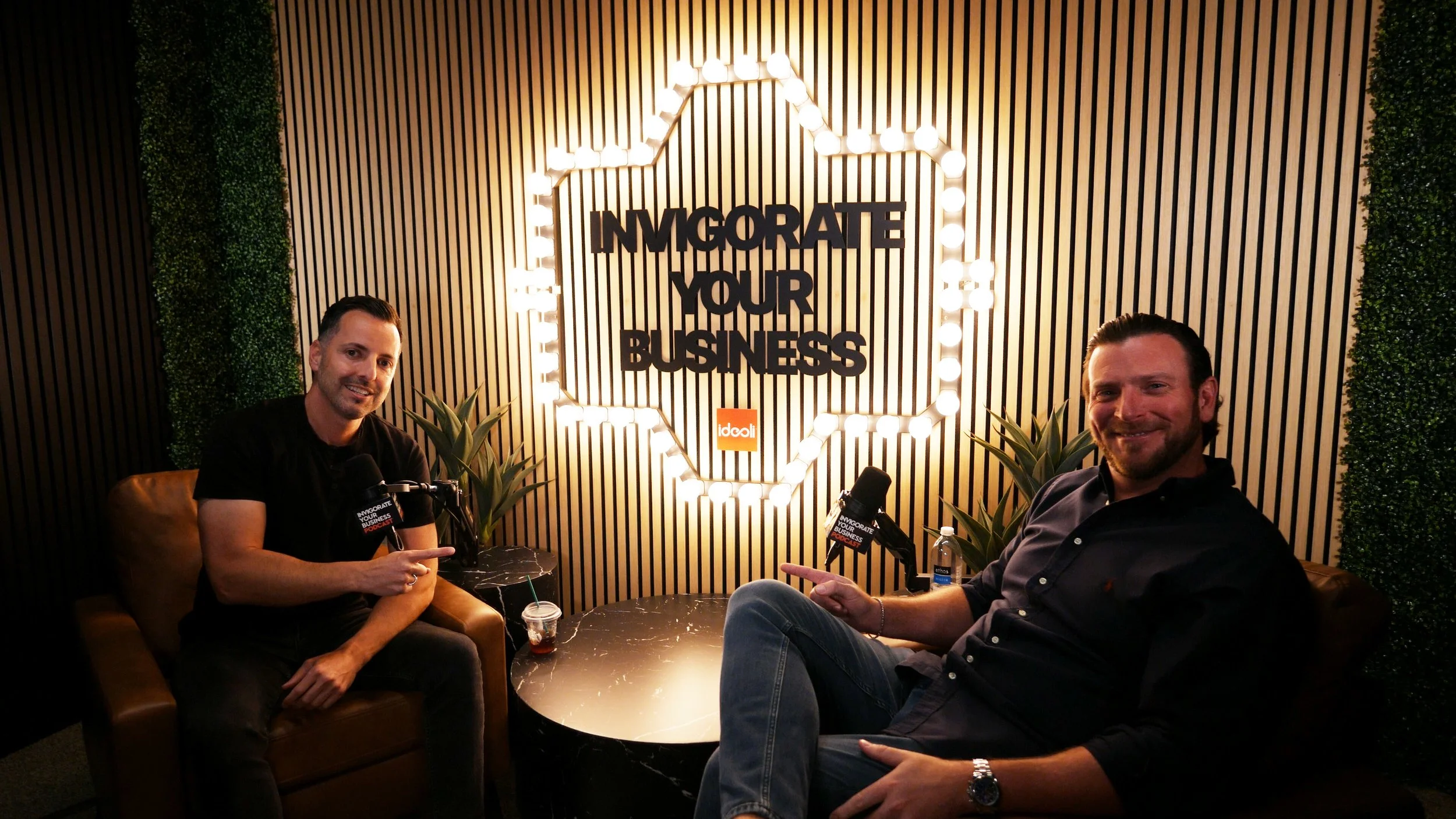
Filmed in Newport Beach, California, George Stroumboulis welcomes Matt Gates for an insightful conversation on sales leadership, business development, client relationships, and creating long-term business growth.
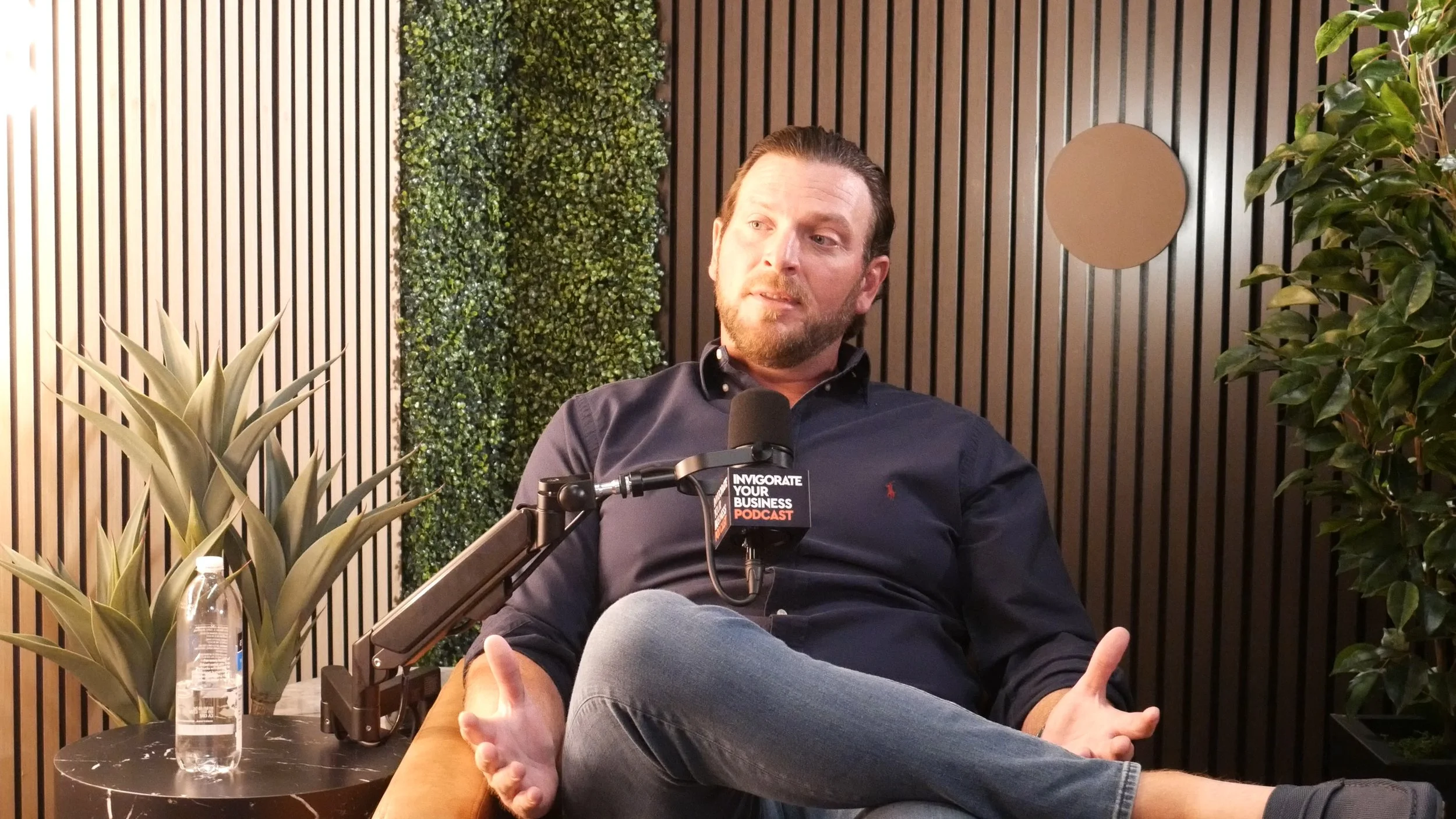
George Stroumboulis sits down with Matt Gates in Newport Beach, California, to discuss what separates top-performing sales professionals, the importance of trust, and how meaningful relationships drive business success.
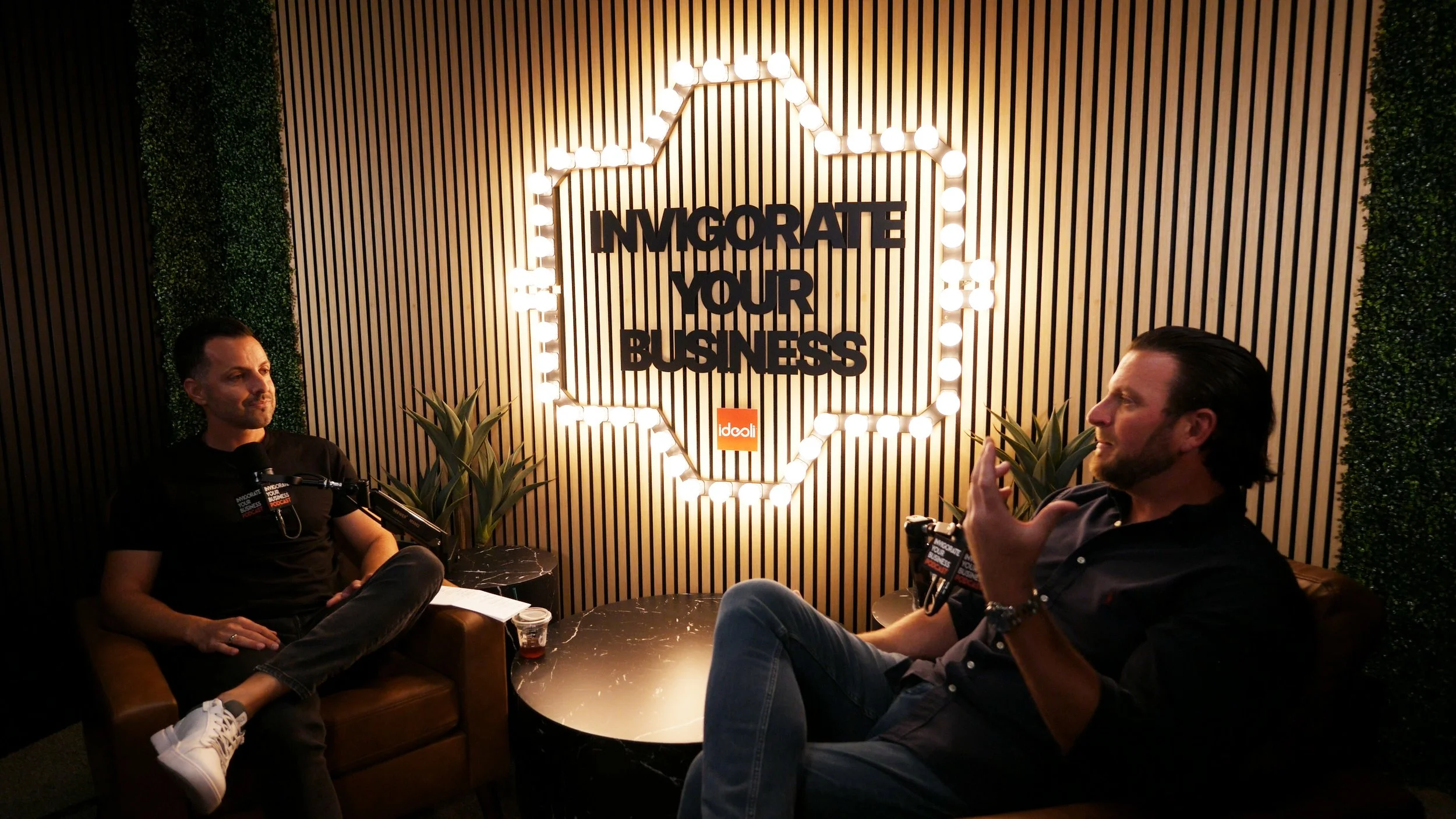
Recorded in Newport Beach, California, George Stroumboulis and Matt Gates discuss the art of selling, cultivating lasting client relationships, overcoming challenges, and building a career founded on consistency and integrity.
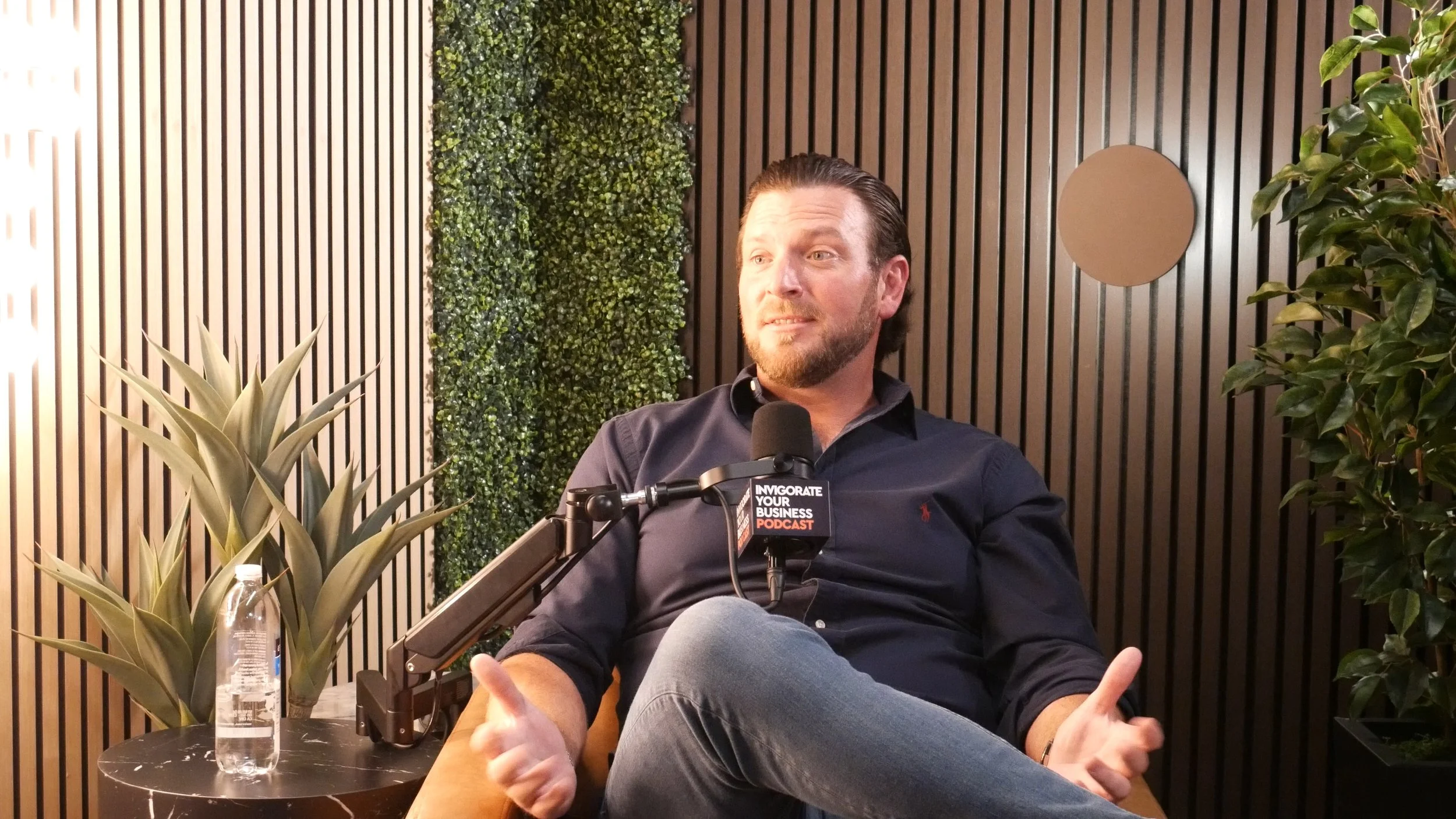
George Stroumboulis sits down with Matt Gates, an accomplished sales and business development executive. Filmed in Newport Beach, California, they share practical insights on leadership, communication, sales excellence, and the mindset required to thrive in today's competitive business landscape.
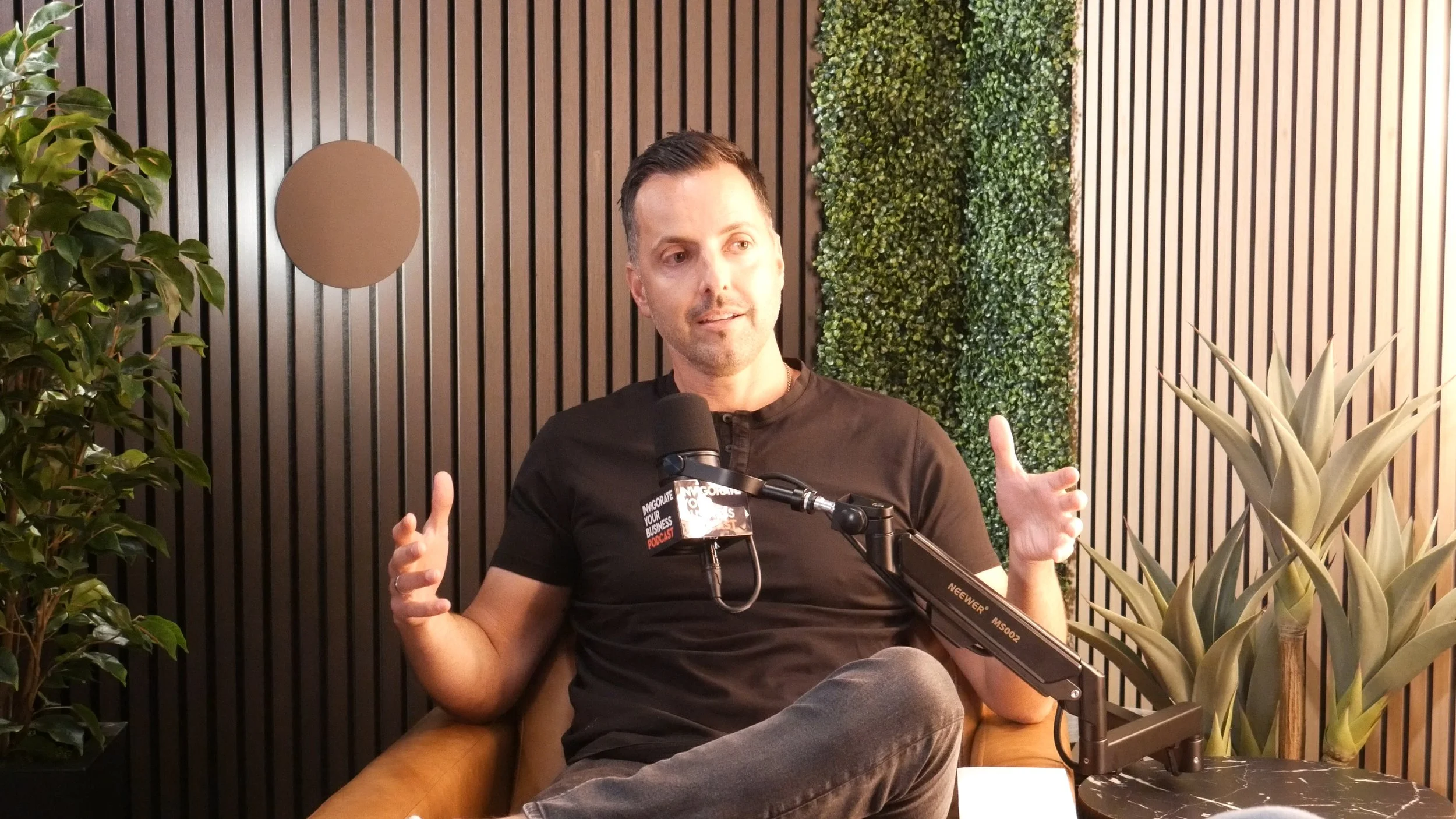
George Stroumboulis sits down with Matt Gates, an accomplished sales and business development executive. Filmed in Newport Beach, California, they share practical insights on leadership, communication, sales excellence, and the mindset required to thrive in today's competitive business landscape.
ABOUT THE “INVIGORATE YOUR BUSINESS” PODCAST
The Invigorate Your Business with George Stroumboulis podcast features casual conversations and personal interviews with business leaders in their respective fields of expertise. Crossing several industry types and personal backgrounds, George sits down with inspiring people to discuss their business, how they got into that business, their path to the top of their game and the trials and tribulations experienced along the way. We want you to get inspired, motivated, and then apply any advice to your personal and professional lives. If there is at least one piece of advice that resonates with you after listening, then this podcast is a success. New episodes weekly. Stream our show on Spotify, YouTube, Apple, Amazon and all other platforms.
ABOUT GEORGE STROUMBOULIS
George Stroumboulis is an entrepreneur to the core, having launched several ventures across multiple industries and international markets. He has held senior-level positions at progressive companies and government institutions, both domestically and internationally, building an extensive portfolio of business know-how over the years and driving profit-generating results. George’s ability to drive real change has landed him in several media outlets, including the front page of the Wall Street Journal. George was born in Toronto, Canada to his Greek immigrant parents. Family first. Flying over 300,000 miles a year around the world puts into perspective how important family is to George’s mental and emotional development. With all this travel to global destinations, the longest he stays even in the most far-out destination is 3 days or less - a personal rule he lives by to make sure he is present and involved in family life with his wife and three daughters. To read about George’s global travels, stay connected with his blog section.
STAY CONNECTED WITH GEORGE STROUMBOULIS
STREAM & LISTEN TO THE PODCAST:
SPOTIFY: https://open.spotify.com/show/1rW2CmxQoiJNEPOZupJlvd
YOUTUBE: https://www.youtube.com/user/Stroumboulis
APPLE iTUNES: https://podcasts.apple.com/us/podcast/invigorate-your-business-with-george-stroumboulis/id1607693240
AMAZON MUSIC: https://music.amazon.com/podcasts/8fc03929-71b3-483a-a64e-153e30b3d462/invigorate-your-business-with-george-stroumboulis
STROUMBOULIS SITE: https://www.stroumboulis.com/podcast
PODCAST SITE: http://www.invigorateyourbusiness.com
FOLLOW GEORGE STROUMBOULIS:
INSTAGRAM: https://www.instagram.com/georgestroumboulis/
YOUTUBE: https://www.youtube.com/user/Stroumboulis
LINKEDIN: https://www.linkedin.com/in/Stroumboulis/
TWITTER: https://twitter.com/Stroumboulis
FACEBOOK: https://www.facebook.com/georgestroumboulis
TIKTOK: https://www.tiktok.com/@georgestroumboulis
CONTACT GEORGE DIRECTLY: https://www.stroumboulis.com/connect
FULL SHOW CONTENTS
00:00:00 Welcome And No-Edit Warmup
00:03:00 From England To Miami To San Diego
00:07:45 From Software Sales To Lighting
00:16:40 Trust, Simplicity, And Winning Work
00:23:35 Golf As Relationship Building
00:35:55 Global Markets, Communication, And Negotiation
FULL SHOW TRANSCRIPT
George Stroumboulis: 00:00
Welcome to another episode of Invigorate Your Business with George Stroumboulis. Today's episode comes from Newport Beach, California. And I get to sit down with Matt Gates, a leader in the lighting industry, pro golfer at 18 years old. Matt transition into a world of sales and business development. We're going to sit down and talk about our specific industry, working together here at Ideoli Group, what it takes to be a leader to bring problem-solving skills to some of the biggest brands around the world. We're going to learn a lot today. So enjoy this episode starting now. My name is George Stroumboulis, and I'm extremely passionate about traveling the world, meeting new people, and learning about new businesses. Join me as I sit down with other entrepreneurs to learn about their journeys. This episode of Invigorate Your Business Starts Now. So we're going to start this today. If there's anything you say, uh, we're not going to edit it out. We're keeping that sticky. I'm going to ask you about what you think about World War II, politics, Trump. Yeah, yeah, yeah. We're going for four hours. We're going to make Joe Rogan seem short.
Matt Gates: 01:14
Yeah.
George Stroumboulis: 01:15
Yeah. I'm going to start off by reading an intro and then we'll jump right into this, right? So today I'm joined by a sales leader whose career has been built on one simple principle. People do business with people they trust. Matt Gates is a highly respected business development executive with decades of experience building relationships, leading sales teams, and driving growth across the commercial, lighting, and construction industries. Throughout his career, he's helped companies secure major projects, develop long-term partnerships, and create lasting value by focusing on trust, integrity, and delivering results. Today, as senior vice president of business development at Ideoli Group, Matt is helping lead the company's continued expansion, bringing his passion for relationship building, strategic growth, and customer success to one of the industry's fastest growing global lighting companies. Whether you're an entrepreneur, a sales professional, or a business leader, today's conversation is packed with lessons on communication, leadership, resilience, and what it really takes to build a successful career in sales. Mr. Matt Gates, welcome to the show.
Matt Gates: 02:16
Thanks for having me. Appreciate it. I'm sorry I was a little late.
George Stroumboulis: 02:20
Yeah, yeah, no, it's good. It's good. You're never late, man. You you probably closed a few million dollars in your orders on the way into it.
Matt Gates: 02:26
The phone did not stop ringing. There you go. Yeah.
George Stroumboulis: 02:28
That's why I love it.
Matt Gates: 02:29
I'm most productive in my car.
George Stroumboulis: 02:31
Isn't that the best?
Matt Gates: 02:32
Oh my God. It's I mean, it's a blessing and a curse to have a cell phone nowadays. But uh yeah, it's it's something that I it's like if I didn't have it, I don't know what I'd do.
George Stroumboulis: 02:41
Absolutely. I uh when there's Zoom meetings, obviously you have to be at your desk, you're looking at plans, whatever, but other than that, I have to walk.
Matt Gates: 02:49
Yeah.
George Stroumboulis: 02:50
I feel like I'm not if I'm talking at a desk versus driving or whatever, it's great. Um so talk to me. Where do you live? Where are you coming from today?
Matt Gates: 02:59
Uh so I
Matt Gates: 03:00
live in San Diego, oh, just outside of San Diego. Um little little town called Ramona. I've been in the US for almost 19 years. Been in San Diego for pretty much 18 years of that. Lived in Miami for a little bit, but San Diego is definitely home. Yep. Um love living there. Um, so much to do, uh, great people. Um, and I couldn't have asked for anything better when I moved to the US. So um yeah. Um from Miami?
George Stroumboulis: 03:28
I didn't know you lived in Miami.
Matt Gates: 03:30
Yeah, did uh Miami for almost a year.
George Stroumboulis: 03:33
Yeah.
Matt Gates: 03:33
Um very interesting place to live.
George Stroumboulis: 03:36
Single or married in Miami?
Matt Gates: 03:38
I was ma almost married. Okay. So I'd moved out um and uh and lived there for I think it was about nine months, uh just outside of South Beach. Yep. And um yeah, it's kind of one of those places that it's a great place to go and visit. I would not be moving back there.
George Stroumboulis: 03:58
Right. But twenty years later, it it's it's evolved there, right?
Matt Gates: 04:01
Like it's a different place than when I when I lived there, yeah. It was uh it's the the the crowd is extremely different. I mean, I'd say it's that transitional period between where it is now and what it was when you look at uh like Miami Vice and that kind of thing. I I want to say that it was still lingering down there at that point in time. Uh but then yeah, we moved out to San Diego, drove cross country. Um that was an experience. Um I getting out of Florida was one thing, and then you hit like Mississippi, Alabama, Louisiana, and you look at these mile markers and you're like, you know, 70 miles, 80 miles, 95 miles, and then you hit Texas and it's like 800 miles, and you're like, holy crap. Growing up in England in a tiny little village of like 5,000 people when I left, uh, and then I drive across a state that you could fit England into twenty times. Multiple times, yeah, yeah, exactly.
George Stroumboulis: 04:54
So that's crazy. But hold on. So you move from the UK, your early twenties?
Matt Gates: 05:00
Yes, twenty-two? Yeah, twenty-two.
George Stroumboulis: 05:03
Okay. And then your your girlfriend wife at the time was from here. She's sitting there. So what what brought you over here? She did. She did. Okay.
Matt Gates: 05:12
The long distance thing was like, you know, we got to a point where it was like, okay, one of us is gonna have to move. And you know, the idea of uh being twenty-two years old and moving to Miami was like, that sounds appealing.
George Stroumboulis: 05:23
Yeah. Um Sun, which I don't have here in the UK, yeah.
Matt Gates: 05:27
A little bit too much sun, you know. Uh the heat is is definitely something special down there.
George Stroumboulis: 05:32
Exactly.
Matt Gates: 05:33
Uh but yeah, did uh did the whole green card wedding? I can I can say that now because I'm a citizen.
George Stroumboulis: 05:39
So I did the same thing, so I relate to that. Yeah. Uh married an American wife.
Matt Gates: 05:43
I did uh when I came in, I flew in through Raleigh, Durham. And um I remember getting pulled to one side by uh Border Patrol. And they were like, What are you doing out here? And I was just like, I'm just coming on vacation. They're like, Do you have any wedding rings with you? I was like, What the heck's going on? Jeez. Uh nearly missed my flight. Uh, and then landed in Miami Airport. Uh, and as soon as I got off the plane and went to the baggage claim, there was chickens running around everywhere, and I'm like, what the heck is going on?
George Stroumboulis: 06:17
Well, Miami was like that 20 years ago?
Matt Gates: 06:19
Oh yeah. Really? Yep, somebody had brought in a live, you know, crate of animals, chickens. Right. And apparently it, you know, the the cage had broken and they were just running all over the airport.
George Stroumboulis: 06:30
Straight out of a movie scene, right? 100%. Yeah, yeah. Yeah.
Matt Gates: 06:33
I'm like, what literally, what have I got myself into? You know? Uh I was like, I wonder when the next plane back to England's gonna be.
George Stroumboulis: 06:39
Exactly. But what when so when you're 20 and you move here for your wife, what were you doing? Like today, let's fast forward today, right? Like, uh, you know, business executive in the lighting world, your clients are some of the biggest brands in America, in the world, having that expertise, doing that, developing the business, developing teams, mentoring, all that stuff. Like when you moved here, what was your path? Like, what did you study? What were you thinking you're getting into?
Matt Gates: 07:07
You know, um it wasn't lighting, by the way. It definitely was not lighting. Yeah, I've I I I probably should call out the the guy that got me into this eventually. But um no, when I first got out here, you know, I think everybody looks at America as being the land of opportunity still, and that it's the it's one of those places that you can be, and if you work hard, you can be successful. Um I knew that I was gonna be in sales in some way, shape, or form. I just didn't know what at the time. Um so I started off in software, uh, did a little stint in digital marketing, uh business intelligence, and
Matt Gates: 07:45
then one of my friends that was working with me at one of those companies actually moved into lighting out of nowhere. He had a friend in the industry. Um and after a few years, he had an opportunity which he wasn't ready to make any moves, but he'd recommended me as being a good fit. And 11 years later, here we are. Yeah. Yeah.
George Stroumboulis: 08:08
It was just based on personality at the time, like he knew technically you were savvy in the software. Like what what did he see for you to get into this industry? Because by the way, for the listeners, anyone who's in lighting, 99% of the people, if you ask them, like nobody says, I want to be in that industry. It's always through, like, hey, try this out, and then you love it and you just kind of stay in it, right?
Matt Gates: 08:29
I don't know whether you love it and stay in it, or you kind of escape from it, you know. Um perspective, Matt.
George Stroumboulis: 08:33
Yeah, 100%.
Matt Gates: 08:34
100%. Uh but uh I think the biggest thing in this industry is understanding people and the ability to kind of relate to them. Now, lighting as as a whole, we talk to anybody from an electrical contractor, blue collar workers, you know, you know, get getting their hands dirty, all the way through a very intricate designer. Uh, and I think what separates successful people in this industry uh from you know the the the general um population of salespeople is the ability to relate to everyone under the sun. Because you have to be able to sit there and have a conversation a technical conversation with somebody that needs that level of detail, but you also need to be able to have that conversation with somebody that um is doing the manual constructability side of things. So i you know, what I'd seen and what I developed personally was the ability to be able to talk to anybody and relate to that person and make them feel comfortable and you know um appreciate the understanding that I had of the situation, uh, along with uh being trusted.
George Stroumboulis: 09:55
Yeah. And that's a big deal, like in our industry, and again, any industry could say this, but to make a successful sale or to get into an account, it's you're from blue collar to C level, right? And everyone has input. You may have an in with an electrical contractor, with an owner, with a C-level person, um, designers, like it is a very complicated uh industry, but when you have all those bases covered, you know you have an account locked in.
Matt Gates: 10:21
A hundred percent.
George Stroumboulis: 10:22
Right.
Matt Gates: 10:22
And you're you you're right, it is a very complicated industry as a whole, very technical. Um, but it's about bringing it down to a level that everybody understands. Right. Uh and and making it easy uh for those people to trust you and make sure that um you know that you're somebody that they would want to do business with.
George Stroumboulis: 10:44
Yeah.
Matt Gates: 10:44
Yeah.
George Stroumboulis: 10:45
Software and lighting, what what are what's similar about those industries from your your standpoint and what was different?
Matt Gates: 10:51
I I think I again it comes back to the complexity of things. You know, you can be on a call with somebody in software that has ridden code, developed software and developed platforms, whatever it may be, and has a technical level of detail that is it's mind-boggling in some instances. Um but that is, I think, relatable to every industry, you know. Uh whatever you're selling, there is some technical aspect of that. So I'd say that that's probably the the the closest thing um in tying the two industries together. Uh, and and once again, it's like it's the ability to be able to like take that ubly uber complex um information and make it simply simple and easy to digest.
George Stroumboulis: 11:39
Absolutely. Yeah. So you have uh, and I've seen it firsthand, even when we weren't working together in your previous life, like you you have this special ability to kind of just simplify like we're we're saying lighting today. If you're not in this industry, it's a very complicated industry. It's not here's a fixture, install it, you're done, right? Like you're dealing with building codes and you know, uh state certifications and budgets and competitors, and then you you have this whole side of it where you worked hard and built a specification, and then it's being quoted by 20 different people. There's so many political games in this space. And I think like working together over a year now, like I've seen you have this calm, how you navigate it, and it's like let's not waste energy when we don't have confidence in going down that, which is a big deal versus just like let's quote it, let's get it out there, and you just become like everyone else. Yeah, we threw a number, it's not about the number, right? So, I how how has that worked for you? Like, how have you been able to get to a point where you really take a methodical approach versus just get numbers and get it out there?
Matt Gates: 12:45
You know, it it's um it's a relationship game, number one. Um I think you you're 100% right, everybody can throw a number at uh any project under the sun, but it's about having that level of a relationship with the customer that they know yes, it it's gonna be a good number that that that comes from us, and it's a trusted number because we're transparent in the way that we do business, but it's can I trust this person to deliver the job? Because the knock-on effects of missing dates and doing all the you know, all the things that can happen in construction are catastrophic in some inst instances and can cost people a lot of money. So to be able to stand in a room and and and have relationships with that customer that they trust you, with the manufacturers, that they are able to go to bat for you and make things happen, um is is huge.
George Stroumboulis: 13:43
Yeah, absolutely. Being six foot five also helps control the room, right?
Matt Gates: 13:47
It definitely has its upsides.
George Stroumboulis: 13:48
It has its upsides. Yeah. So why San Diego? So you're living there now strategically for work, or is it just physically it's a nice place because you have a global international footprint, right? Yeah. From a client base. So why are you still down there?
Matt Gates: 14:02
I I love San Diego. I mean, it is the one of the only places that you return to and you get off the plane and you drive past the harbor and you're just like, wow, I'm home. Right. You know? Uh so it's probably not the most strategic place to to live. Uh I could definitely be more central. Right. Because we do travel a lot and see our customers and and all that good stuff. But yeah, San Diego is definitely home. Uh, and I've spent the last eleven years developing relationships with local people. And as that's grow as that those relationships have grown, um, so has my reputation in San Diego uh and now representing ideoli, it makes uh a huge difference to to be able to leverage those relationships on the road.
George Stroumboulis: 14:51
Yeah, absolutely. We're seeing it firsthand with inner even international markets, not even nationally, just uh being able to tackle local markets, understanding, understanding where we should be from a price standpoint. So for the listener, talk about just the lighting industry in general. Like when when you started learning about it, what what are the different dynamics at play? Like there's the manufacturing side. So before you even getting business and building trust, what what about the product side of it? Like how how would you navigate that to understand the different product offerings, the right manufacturers? Like what is that filtering process for you over the years?
Matt Gates: 15:27
You know, when I started in lighting, um I drank from the fire hose. You know, I spent years absorbing everything that I could possibly learn about product, about the different manufacturers, about you know, the the the various politics that go into local markets, because they're different in every single market. Something that you buy in New York could be completely different than something that you buy in Miami, just because it's controlled um by that local that that that territory.
George Stroumboulis: 16:00
Yeah, same country, just totally different. Yeah, yeah.
Matt Gates: 16:03
Same country, yeah, d di different approach. I mean, the the way that we approach things is is um I wouldn't say it's it's unique in in many ways, um, but again, it it's about that transparency um that we give our customers. Allows them to see the things that the local market doesn't necessarily expose to them. And again, that just builds that level of trust there. Um with regards to the the manufacturers and the products we use, that i again is a different level of relationship that you that you have to build trust with them.
Matt Gates: 16:40
That that you specify their product, are they gonna deliver on time? Are they gonna, you know, uh is the actual product going to perform the way it's meant to perform? I'd say over the the years I've been doing this, you know, there were a lot of standout manufacturers to begin with. And I feel like the the playing field is is somewhat narrowed in the fact that most people have caught up with technology performance, you know, that kind of thing. Yeah. Um so uh then it just literally comes down to the level of trust that you have in that manufacturer.
George Stroumboulis: 17:16
Yeah. Wait when you're targeting a new client, like what what what's the biggest thing they're looking for? Like what why why work with you? Like I I'm just curious on everyone has a package, they go out to bid, they do all this stuff, but like why do you win business?
Matt Gates: 17:32
Again, reputation and and I think beyond that, it it's about going above and beyond. Um you know, I can't tell you how many times I've been up a ladder in on a job site wearing a hard hat, which I look absolutely terrible wearing, just so you know.
George Stroumboulis: 17:48
Um YMCA going up right there. 100%.
Matt Gates: 17:51
Uh and being the the stature that I am, I have to buy my own vest as well. So, you know. They don't usually carry double XLs.
George Stroumboulis: 17:59
You know you have to wear a t-shirt when you put the vest on, right? Underneath. Yeah, yeah, yeah. Exactly.
Matt Gates: 18:03
That's news to me. Note to self. Note to self. Um but yeah, you know, again, it it doing things like that for customers is huge. Not many people will do that. You know, not many people will be on site doing things, helping out the electrical contractors, the general contractors, whoever it may be, but when they see you do that repeatedly, it's it's definitely an extra piece of of building trust with them.
George Stroumboulis: 18:31
Yeah.
Matt Gates: 18:31
Yeah.
George Stroumboulis: 18:32
Ever since we partnered together here, like you know, your mindset's like business development, right? That's it's been incredible seeing accounts that you're winning and bringing over. That's that side. But the uh the level of like thirst and knowledge and wanting to like refine, you know, our ERP system and what are we doing from a warehousing, and what are we doing from you know the project management side and bring that together and then hey, we have these accounts coming. What are we doing financially? And just having that full look and support where it makes you know my job easier or Chris's job easier to have that support. It's been incredible, you know, just that that mindset of like the bigger picture and not just let me get mine.
Matt Gates: 19:14
We're building something very special here. And you know, this industry from a distribution standpoint has been stagnant, um, to say the least. It's been done a certain way for uh a many, many years. So coming on board to Ideoli and approaching it in a new way is just different. You know, taking a issue and actually addressing it uh is rare, you know. Um so uh what we're doing is we're building something that from ground up essentially, right? Um that is going to benefit our customers infinitely. It's gonna be one of those things that they're gonna have the best possible experience with us, and it takes time, it takes effort. But um, you know, thinking five steps ahead is gonna make our growth that much better.
George Stroumboulis: 20:11
Yeah. And look, we're over 10 years in as a company, right? And we've evolved over the years, and where we are today looking to the next 10 years and just building for that explosive growth, it's so encouraging and refreshing. Just knowing, like, hey, these are the building blocks. Everyone has a say in what makes sense from their standpoint. It's exciting, right? It's exciting from that. One thing I've noticed about you uh over the time we've worked together is like I've never heard you speak negatively about uh a competitor, uh, an individual salesperson that works at a competitor. Um, if names have come up, you know, yeah, I know so-and-so, or I've heard of him or her, and yeah, they're great, nice people. Like you have this, it's very positive because it can get very toxic. Yeah, right. And even myself personally, if I'm in meetings and there's a client that's just speaking negatively about, oh, and this manufacturer, this distributor, it's like, okay, where's that coming from? It's very easy to say those words, and one person represents the company, so you can always go down a path where, you know, oh, this project manager misshipped or did something, and right away the whole company is garbage. Right. Right. So I've even stopped from like, let's not go down that path. Like, where where does that come from with you?
Matt Gates: 21:26
You know, uh I think that one of the things that I did initially was made sure that my book of business was diversified in the fact that I've I do everything from retail, hospitality, um uh multifamily, you know, I I've got a bit of everything going on. Um and I think that that has uh enabled me to not be a pigeonholed to a specific type of Business. Um, and by doing a bit of everything, I've I've managed to compete with too many people to name that um it just comes down to there's always something going on in construction, you know, as one industry dips, the next one you know peaks. So when I go up against somebody uh in a competitive environment when we're bidding jobs or trying to win business, it it's not gonna end the world for us to not win something. Right. Especially when there are hundreds and hundreds of other jobs out there that we could go after. So I don't lose many. But but I I but that's a fact.
George Stroumboulis: 22:43
I know I know like you're chuckling, but it is a fact. Like when it's in the pipeline, there's a very high probability that that is being closed.
Matt Gates: 22:52
Yeah, yeah, yeah. I vet the jobs out extensively before we even try to bid them. You know, if it doesn't fit for us, then we pass.
George Stroumboulis: 23:02
Yeah.
Matt Gates: 23:03
Um for two reasons. You know, number one, I I don't want to let the customer down. And if it isn't good for ideoli at that point in time, it's not good for us to just try and fit a square peg in a round hole. You know? So I think it's important to go after the right business for the company at that point in time. And then as we evolve, maybe the things that we've passed on in the past have more you know legs with them in the future. Yeah. You know? And then when we get to service that customer, we do a really, really good job of it and and make sure that they have a good experience.
George Stroumboulis: 23:35
Yeah, absolutely. How important is golf to you? Because the listener needs to understand, like you when we were chatting, you're like, hey, by the way, this is typically how I build my book a business. It's it's through golf. Like it's your passion.
Matt Gates: 23:50
It is.
George Stroumboulis: 23:50
It is and you played in the UK growing up?
Matt Gates: 23:52
I did.
George Stroumboulis: 23:53
Okay. And then how far did you get? Like you you were flirting with the professional. I had a go- I had a go at it.
Matt Gates: 23:59
Yeah. Uh yeah. So had a go at it. That's good. I I grew up playing rugby.
George Stroumboulis: 24:03
Yeah.
Matt Gates: 24:04
And uh as I kind of advanced in in that sport, unfortunately I had a couple of injuries that that took me out of it. And then as part of my rehab, they asked whether I'd ever play golf. Uh which was strange. You know, I wouldn't have thought that that would have been, you know, hand in hand with coverings from rugby. So uh picked up golf at 16, turned pro when I was 18.
George Stroumboulis: 24:32
How is that even possible?
Matt Gates: 24:33
Uh long summers.
George Stroumboulis: 24:35
Yeah.
Matt Gates: 24:35
Um, a lot of light in England. It doesn't get dark till like 10, 10 o'clock at night. So I would literally get dropped off at the golf course at like 6.30 in the morning, and uh they wouldn't come put me up until like 9.30 at night. So lots of hitting golf balls. Yeah, I turned pro, uh played a few events here and there, and found out very quickly that I wasn't going to be one of these guys that you see on TV. So then I had to get a real job, and I got into sales, you know?
George Stroumboulis: 25:02
Wow. So hold on. Wait, when you when you go pro, you get on there, you start getting into the tournaments, like you really it's a different ball game, right?
Matt Gates: 25:10
When you see these It's extremely different. It's um, you know, the casual golfer, um, it's an enjoyable experience. Uh and not that I didn't enjoy playing professionally, but the level of stress, the level of deliverables that you have on the golf course, yeah, it it it's it's stressful. Yeah. Uh to say the least. And and when you're doing it for a your living, it adds a an extra level on there of uh of importance.
George Stroumboulis: 25:38
Are you kidding me? But to be in a position now where you can do that and it actually helps your sales and you enjoy it, like do you still get pissed off or is it more enjoyable now?
Matt Gates: 25:48
No, I am the most happy-go-lucky person on the golf course. Don't do not get stressed. Okay. Yeah. And I think people appreciate that.
Matt Gates: 25:54
Yeah.
Matt Gates: 25:55
Because you know, you can have a great round one day and the next day it can the wheels will fall off, you know, um and disappear. But yeah, I I will go around and and play around a golf, and I I don't think there's a single point where I don't have a smile on my face.
George Stroumboulis: 26:10
So you're walking, you're healthy, you're out there. Riding in a car.
Matt Gates: 26:14
Exactly.
Matt Gates: 26:15
With a cocktail.
George Stroumboulis: 26:16
So you're drunk most of the time. That's why that's why you're happy. Let's get to the root.
Matt Gates: 26:20
Yeah.
George Stroumboulis: 26:20
Well, we can cut that part, right? We can no no. Reminder, you're from the UK, right? Yeah.
Matt Gates: 26:26
Yeah. It's part of my culture. So I embrace it.
George Stroumboulis: 26:29
But the sales connection, though, like just talk to me on that because you'll always hear people, oh, I play business golf, or I'm good enough to be on the course. It's a it's a real thing.
Matt Gates: 26:38
Trevor Burrus, Jr.: It is. I mean, it's a it's a huge business development tool. Um you get to play golf with a customer or friend, as most of them become, right? Because you you're hanging out with them for such such an extensive period of time. But if you approach it in the way that I do, which is just very low-key, like I say, very, you know, happy, enjoyable experience, again, it just builds that level of just comfortability with with you as you go and play around. And it doesn't hurt that I hit the ball pretty well.
George Stroumboulis: 27:09
Well, that, and then you're spending, you know, if you go to a lunch meeting or dinner meeting, one, two hours, like you're out there with five hours with someone and socializing and playing, and you can see people's character, like that's a long time for a customer to understand who you are, and vice versa.
Matt Gates: 27:26
Yeah.
George Stroumboulis: 27:26
So like it it it's great exposure. Trevor Burrus, Jr.
Matt Gates: 27:29
And I barely bring up business on the golf course.
George Stroumboulis: 27:31
Yeah.
Matt Gates: 27:31
It's just one of those things. It's so like uh I feel at a lunch meeting you're you kind of thrust into the you know, we have to talk about business. We've got such a short amount of time to to kind of go through all of this. Um whereas, like you say, on a golf course, you're out there for five hours, or hopefully not five hours, you know, four hours and an hour in the bar. Yeah, there you go, yeah. And, you know, like I say, for to go out and and have an enjoyable experience with somebody, and also for them not to be bombarded with questions about work, um and just enjoy the experience is is huge.
George Stroumboulis: 28:06
It's huge. Uh and you're in the best part of the country to be doing that. One of, right?
Matt Gates: 28:10
Another good reason for living in St.
George Stroumboulis: 28:11
There you go. My nephew, who I've told you about, who's got a D1 ride now going to a school in the States, he had said, Hey, I I I know I'm not gonna go pro. I'm gonna do get my full ride. And he goes, I uh when I'm done, I want to be like Matt. Like he references you and I want to be a sales professional golf, and that's my passion. I'm like, dude, that's a perfect it's a perfect goal.
Matt Gates: 28:33
Yeah. Right? Yeah, it's it's it's huge. I mean, you should still give it a go at going pro. It's an experience. It's an experience, yeah. Sleeping in your car, not so much fun. But not fun. No. Not unless you've got an infinite line of money to support you, which few people have. Yeah. Uh so make sure he's prepared for that.
George Stroumboulis: 28:52
But okay, well, hold on though. But w when you realize you weren't that guy, how far off were you from the leaders at the time? Like those few tournaments.
Matt Gates: 28:59
You know, it's it's interesting to look at it because I think everybody looks at a scratch golfer and thinks that they are, you know, just a a hair's breadth away from being that guy.
George Stroumboulis: 29:13
Right.
Matt Gates: 29:14
You know, the Scotty Schefflers, the Rory McElroy, that kind of thing. I can say that honestly, the difference between that really good amateur golfer and the guys you see on TV is astronomical. The the the consistency, the the poise under pressure, all of that, all of that stuff is just I don't I don't think it's measurable. Right. You know, um they're just wired a little differently as well. And I'm a social person. I like talking to people, I enjoy having conversations with people. Golf is a lonely game. You know, m team sports, that's one thing. Yep. Golf, you are you you have to be committed to sitting on a range by yourself for hours and hours and and honing that craft. Yeah, and I think you have to, like I say, be wired a little differently to be able to do that. So, you know, as I progressed, I find myself spending less time on the range and more time in the bar. Talking to people, not drinking, just talking to people. Exactly. Just being there. Yeah, just being there, you know, and and you know, I am I'm the uh annoying guy at the airport that will again sit at the bar, but talk to anybody. Yes. You know what I mean? And I'll strike up a conversation, whether it's something on TV or you know, anything like that. And yeah, I've always been that way.
George Stroumboulis: 30:37
Yeah. And it's therapeutic too. Like if you're that, it's like, yeah, I just made a connection, you talked, and you just keep it moving.
Matt Gates: 30:42
And you never know who these people are either. You know, you can I've had conversations with billionaires that I never knew.
George Stroumboulis: 30:50
Yes.
Matt Gates: 30:50
You know, the the the the the wealth that they had. But when you approach it in that way that is personable and you know, there's no expectation there, I feel like it's rare for them to have that kind of interaction with people.
George Stroumboulis: 31:04
Oh yeah. Um and not wanting anything out of them.
Matt Gates: 31:08
No, and and but then it comes back to you know, what is successful, or what makes me successful in lighting is being able to have that conversation with anybody, you know. So I can I can sit there, like I say, and have a conversation with somebody worth millions and millions of dollars, or a blue-collar guy at a bar and not have any problem having the same conversation with either of them.
George Stroumboulis: 31:29
Right. When you're pitching clients, right, potential business, what what are things where you you just see them do where you're like it's shitty. Just the way they approach it, how they're looking at it, um, the politics maybe of it. Like what what's something where you're just like, you know, this is not good?
Matt Gates: 31:46
Uh um in lighting that could be a lot of things. Um the overcomplicating something is is an absolute killer. Uh you know, I I see a lot of a lot of people that just approach things in a way that just does not make sense. It's not practical. And I think sometimes, you know, simplifying things is the easiest way to get things done. Right. You know, uh is that what you were getting at? Yeah, yeah, absolutely.
George Stroumboulis: 32:18
Yeah, yeah. Yeah, and then talk to me. So you you mentor uh other business development executives, people, quotations, different elements. Like when someone's coming into this space, what what how do you approach it? If it's like, hey, I'm taking this person under my wing, like what are you telling them? What are you teaching them?
Matt Gates: 32:36
You know, it's it it's a lot to take in in this industry. Um as much as I say I want I want to simplify things, you know, there are certain things about it that you just you know you have to kind of soak up.
George Stroumboulis: 32:48
Yep.
Matt Gates: 32:49
So I think learning as much as you can possibly learn about your industry and being, like I say, that trusted resource that people can rely upon um is is huge. Yeah. You know, so sitting in a room and and presenting to 20, 30 people and talking about a project, being able to respond to all of the questions that they have in a appropriate and sophisticated way is huge. Yeah, yeah. So I would say that's kind of like the main thing to to focus on when you're coming into lighting, especially in sales, you know, you want to be you know that that resource for people. Um and then out outside of that, it's just grit and determination. Um you're gonna get told no a lot.
George Stroumboulis: 33:38
More than yeses, yeah.
Matt Gates: 33:39
100%. You have to have thick skin and broad shoulders and you know, suck it out.
George Stroumboulis: 33:43
Yeah.
Matt Gates: 33:43
Uh but uh I think that uh yeah, as long as you can kind of weather that storm, um then you're off to a good stop.
George Stroumboulis: 33:53
Yeah. When I talk to someone who knows nothing about our industry, right? It's just uh maybe they own restaurants or maybe they own a hotel, and it's like, yeah, lighting, I I they can communicate on average, like I like warm or cool, or I like physically the aesthetics, how it looks, right? But other than that, how do you go about explaining this downlight versus that downlight versus this one or linear versus this? Because there's always this, yeah, it's just lighting. A lot of the times they just dismiss it as wait, how much is just lighting? Yeah. Like how how do you go about educating people on that? Because it it's a it's a constant struggle, and there's always budgets, right? And a lot of the time it starts there and then you work back backwards on options.
Matt Gates: 34:33
Yeah.
George Stroumboulis: 34:33
Like how do you approach it methodically?
Matt Gates: 34:36
You know, I think like I said, the the technology within the space and the manufacturers have kind of caught up with one another. So that's made everything a little well, a lot a lot easier than what it was maybe back in the day when there was a few standout companies that were the benchmark for everything. But I think there's there's one common denominator with everything right now, when it comes to lighting, it can make and break a space. It can set the tone, it can create the the the aesthetic and the feel that makes something look fantastic or it can look terrible, you know, if it's done incorrectly. So, you know, the approach on something like a multifamily unit as opposed to like a high-end steakhouse, two very, very different things. So I would say that most of the time it's educating people on the specific ac application for that particular product and what they're trying to accomplish. Uh, and then it will guide the conversation into the relevant manufacturers for that particular application.
George Stroumboulis: 35:41
Yeah. Yeah. So since we've been working together, like we're an American-based company, you see like our footprint in Canada, what we're doing there. We're doing stuff. We have product installed in over 30 countries, right? So like we truly our clients have taken us global, even though
George Stroumboulis: 35:55
that wasn't the initial plan. From your standpoint, what are you seeing internationally? Like, how does it vary lighting industry here versus what you see in Canada, what you see in the UK where you're from, versus Europe? Like what what's similar and completely different from your seat?
Matt Gates: 36:11
You know, it's th they're all completely different markets, right? Um, and it it it really is driven by that particular market as to you know what is expected within the the space.
George Stroumboulis: 36:25
Yeah.
Matt Gates: 36:26
You know, so something in and just just and that applies within the US as well. You know, something like we were saying in New York is very different than something that's obviously going into somewhere in Iowa, you know. Um so I I think there's and and this is why there's still so many manufacturers out there in my opinion. Because too many, but yeah, too many, too many, yeah. A lot of them, like I say, do the same same things, but uh there's little niches within you know all of those those spaces, uh all those uh regions. So it it really depends on the application. Right. You know, so the similarities and differences within each of them. So something in England, in London, as an example, is gonna be very different than where I grew up in Derby, you know, two two very different markets there. And this is like I say, same same in the US, same in Canada, same across the globe.
George Stroumboulis: 37:18
I mean, 10 years ago, 15 years ago, I could name four big US manufacturers, known manufacturers, where they were getting the same track head or product from one factory in China, just rebranded. Right, right. Fast forward to today, and back then, you know, China had poor marketing. It was broken English emails, hey, buy this, and you just dismissed it. Fast forward today, like what I've seen is a lot of these manufacturers, like true ones in China, have warehousing here in the United States. They're marketing directly, they're going to the shows. So it's exposing a lot of contract manufacturers, or we're just rebranding. So it's changing the industry from that standpoint. And then just from my feedback, it's as long as the drivers are quality, the LED chips are quality, there's a lot of good product out there that, you know, it's just the marketing after that and yeah, who's behind it and what that relationship is. Yeah. Lighting is a commodity a commodity. It is. Right. And then, you know, there's this catchphrase now that I'm loving here, it's, you know, we don't export lighting, we export trust. That's that's all it is. Right. Any client around the world, they could buy lighting anywhere, and you could put in the lighting, whether you like it or not, or the budgets, it's it starts with trust, and then from there you try to meet their budgets and support it. So there's a shakeout happening in this industry, I think, but like you said, you have these long-standing partnerships that really help, you know, win business.
Matt Gates: 38:45
Yeah, it's it's trust is the is the the key in in everything you just said there, right? Like like you say, it is based on the relationships that you're you've built over the years, and uh it takes a lot to win new business. It's very hard to lose that business. So as long as you do what you say you're gonna do and deliver, uh then that relationship will continue. Yeah, you know. So um yeah, like I say, I think it's very very difficult to win new business. I think it it's it's a lot easier to keep it through building trust and and and delivering on what you say you're gonna do.
George Stroumboulis: 39:28
Absolutely. A couple more things here. So your expertise is is relationships, understanding people, right? What um like what's advice that you have on on how to connect with people? For you know, someone who's reading books out there and like, hey, how do I connect? How do I network? Like what what does it come down to the core? If you're talking to your kid, like what are you telling them?
Matt Gates: 39:52
You know, I I get people who comment on how I answer the phone. It's always with an air of up up B like motivation.
George Stroumboulis: 40:04
Dude, it's amazing.
Matt Gates: 40:05
Yeah. That's something, even if you're having the worst days. Yes. Yes, yes. You know, but it's amazing how that alone changes the the the landscape of a conversation.
George Stroumboulis: 40:15
Aaron Powell Do you have to like i is it just innate now where you know like, hey, even if I'm having a I'm in a bad place or I'm in a bad mood, it's just like, yep, turn it on because it makes you feel better?
Matt Gates: 40:26
Like what what makes you want to I think that's yeah, I it does make you feel better. I mean the they I mean there's studies on it, right, where they say if you smile it's gonna, you know, increase you know, your endorphins or you know, all that kind of good stuff. So I I don't know, I just I started doing that a long, long time ago. I've had people laugh at me as a result of that.
Matt Gates: 40:45
Yeah.
Matt Gates: 40:46
But yeah, there's never a time that I answer the phone in a negative way. And um and that even goes into the communication side of things. I am happy to give you bad news. And that sounds so strange to say out loud, but I'd much prefer to actually give you a straight answer than for me to fumble around and uh and and kind of avoid the inevitable. So yeah, answer the phone with a smile on your face. It's infectious. It is, it puts everybody in a in a better mood, and um yeah, and and and like I say, communicate. Just don't like don't avoid tough situations. It's much easier to address them straight off the bat and uh and be transparent with somebody because once again it develops a trust. Yes. Like Matt's gonna give me a straight answer, whether it's good or bad, and nothing's the end of the world at the end of the day. If you can if you can literally take that mentality and apply it to your entire life, you'd be a much happier person.
George Stroumboulis: 41:47
Absolutely. And and look, our our business is we just deal with problems all day long. Yeah. It's just how are we dealing with them and communicating it.
Matt Gates: 41:55
Distribution's tough as well because we sit at the in in the valley between the customer and the manufacturers that have to deliver. And if it's bad news, it rolls downhill. And we're sat in that little sweet spot at the bottom where yeah, it's just one thing after another sometimes.
George Stroumboulis: 42:10
Yeah, that's a great way of putting it. Um last thing, just talk to me about negotiation. Like how do you approach negotiations where you need to get it over the finish line? Like what's your strategy when you go into that?
Matt Gates: 42:23
You know, there's some things that we have to do sometimes to get off uh get across the finish line and develop our relationship. Um it's rare that people ask you for everything up front. There's concessions that have to be made sometimes. But I would say that you know, a good relationship is a little bit of give and take. You know, so out of all the customers I have, there's times that I've done them favors and we've come in and and maybe lost money as a company, right? To to help them deliver on something that they're required to to do. Um but negotiation-wise, never be the one that's the the to to talk first and ask questions, you know. Yeah. You know, the nobody is truly transparent when it comes to negotiations. There's always some, you know, caveat in there that we have to work around. And uh yeah, um Yeah, and again, if you if you've developed a good relationship and you can be transparent with somebody, then like I say, just don't be afraid to ask the questions in the first place. Where do we need to be? What price do we need to hit? Yeah. Um and if it doesn't quite fit with what they currently have on their plate, we'll find a way to make it work.
George Stroumboulis: 43:38
Yeah, absolutely. That's solid advice, man. So where should people be reaching out to get in contact with you?
Matt Gates: 43:45
So um do you want me to just give you the the the full the email address and everything?
George Stroumboulis: 43:53
Not the dating sites or anything.
Matt Gates: 43:56
We're keeping it we've got to develop my digital footprint. Yes, exactly. But yeah, you can find me on you can find me on LinkedIn, obviously under Ideoli, um Matt Gates, Mg at ideoli.com or at the bar, apparently. Yeah, exactly.
George Stroumboulis: 44:11
Matt has the tab open six days a week, so let's go. That was fantastic. Uh anything else we want to share with the people?
Matt Gates: 44:19
Just keep an eye out for us. I think, like I say, just going back to one of my previous comments um about us building something that's different and and unique, it's it really is. Like I I won't go into all the details about what we're actually doing, but I I've never been more excited to be a part of something that is developing the way that this is this is going.
George Stroumboulis: 44:44
Yeah, the feeling is mutual. Yeah. Yeah, I think uh momentum's the word too. It's just the momentum we have everyone on the team working together, collaborating, as cheesy and cliche as it sounds. It's like everything is being recalibrated, fixed, pushed, and it's it's exciting.
Matt Gates: 45:03
It it really is, and I I love the team. I think it's it's amazing. I think it's a huge part of a successful company is to have a great team behind it. And everybody's committed to the success of Ideoli, which is which is awesome. I mean, uh you couldn't ask for a a better group of people to do it with. So we may stumble a few times, but we're not afraid of that. Yeah. Which is gonna be monumental in in making this something that's poised to be one of the most recognizable names in lighting distribution, in my opinion.
George Stroumboulis: 45:39
You heard that here. Let's go. Awesome, man. Uh yeah, we'll definitely get your socials out there too, get everything.
Matt Gates: 45:49
We'll work on that.
George Stroumboulis: 45:49
Yeah, we'll work on that. Not the dating profile. No, no, no, no. That we'll leave. But if you're interested, we'll that was awesome, man. I appreciate it. Thank you for supporting me, brother. Appreciate it. Thanks for listening to this episode of Invigorate Your Business with George Strombolas. Please hit the subscribe and like buttons and follow me on all the main podcast streaming channels. Also, please share your comments when you can. I appreciate your help in expanding this network to a worldwide audience. Until next time, stay invigorated.
WHO IS IDEOLI AND WHAT DO THEY DO
Ideoli Group is a global lighting solutions company specializing in architectural lighting design, engineering, custom manufacturing, product distribution, project management, and international logistics. Founded in 2015, Ideoli works with architects, interior designers, developers, contractors, purchasing groups, hospitality operators, and global brands to deliver lighting solutions for complex commercial environments.
Over the past decade, Ideoli has expanded from a startup into an international organization supporting projects in more than 30 countries. The company operates across the United States, Canada, Europe, and Asia, with teams, production capabilities, warehousing, and strategic partners positioned to manage projects from initial concept through final delivery.
Ideoli has supplied more than two million lighting products and supported over 1,000 brands, businesses, and project partners. Its work spans hospitality, restaurants, retail, corporate offices, fitness centers, entertainment venues, multifamily residential developments, mixed-use properties, and large-scale international rollouts.
The company’s capabilities extend well beyond selling lighting fixtures. Ideoli supports clients through every stage of the project lifecycle, including design development, fixture specification, photometric review, product sourcing, custom engineering, value engineering, prototyping, manufacturing, quality control, certifications, freight coordination, warehousing, phased releases, and final delivery.
For custom programs, Ideoli works directly with its manufacturing network to develop fixtures tailored to a project’s architectural, technical, and brand requirements. This can include custom dimensions, finishes, materials, optics, wattages, color temperatures, mounting conditions, controls, packaging, and certification requirements. The goal is to create products that meet the design intent while remaining practical, scalable, and commercially viable.
Ideoli also specializes in managing multi-location and international programs. The company helps clients maintain product consistency across different countries while navigating varying electrical standards, certifications, lead times, currencies, tariffs, freight requirements, and local installation conditions. This approach allows global brands to execute lighting programs with greater control, consistency, and visibility.
Its project portfolio includes hotels, restaurants, retail stores, workplaces, fitness facilities, entertainment concepts, residential communities, and destination properties throughout North America, Europe, the Middle East, and Asia. Ideoli has supported major programs and projects for recognized brands and organizations across hospitality, commercial real estate, retail, and experiential environments.
What separates Ideoli from a traditional distributor is its ability to combine design thinking, manufacturing expertise, technical coordination, and global execution under one platform. Rather than simply providing products, Ideoli acts as an extension of the client’s project team, helping solve challenges, reduce risk, control costs, and move projects forward.
After more than 10 years in business, Ideoli continues to grow its international footprint, expand its manufacturing and distribution capabilities, and invest in technology that makes the lighting procurement process faster, clearer, and more efficient.
Ideoli’s mission is simple: to provide global lighting solutions for every space while delivering the creativity, reliability, and personal service required to bring ambitious projects to life.
HOW DO YOU BECOME A LEADER IN SALES AND BUSINESS DEVELOPMENT
Becoming a leader in sales and business development is about much more than consistently hitting quotas. The best leaders build trust, create long-term relationships, and develop a reputation for delivering value. While strong sales professionals focus on closing deals, exceptional business development leaders focus on creating opportunities that generate sustainable growth for both their clients and their organizations.
It begins with mastering the fundamentals. Great sales leaders understand their products, industries, competitors, and customers better than anyone else. They invest time in continuous learning, stay informed about market trends, and become trusted advisors rather than transactional salespeople. Clients are far more likely to do business with someone who understands their challenges and offers meaningful solutions.
Relationships remain the foundation of long-term success. Business development is not about making a single sale—it is about earning trust over months and years. The strongest professionals consistently follow up, communicate clearly, honor their commitments, and genuinely care about helping clients succeed. Many of the largest business opportunities come through referrals, repeat business, and long-standing relationships rather than cold outreach alone.
Leadership also requires resilience. Sales professionals hear "no" far more often than "yes," but top performers view rejection as feedback rather than failure. They continually refine their approach, learn from setbacks, and remain disciplined in their daily habits. Consistency in prospecting, networking, relationship management, and customer service often produces far greater results than occasional bursts of activity.
The most effective business development leaders also understand that collaboration drives growth. They work closely with operations, marketing, finance, product development, and customer success teams to ensure clients receive an exceptional experience from the first conversation through project completion. Winning new business is important, but retaining clients and creating advocates is what builds lasting organizations.
Finally, leadership is earned through example. The strongest sales leaders demonstrate integrity, accountability, humility, and a willingness to serve others. They celebrate their team's successes, mentor future professionals, and create a culture where relationships, trust, and long-term value take priority over short-term transactions. In today's competitive marketplace, the leaders who consistently create value—not just revenue—are the ones who leave the greatest legacy.
WHAT ARE THE BEST CHARACTERISTICS OF BEING A BUSINESS DEVELOPMENT EXECUTIVE
The most successful business development executives understand that their role extends far beyond generating new sales. They are relationship builders, strategic thinkers, problem solvers, and trusted advisors who help create long-term value for both their clients and their organizations. Their success is measured not only by revenue but by the quality of the partnerships they build and sustain.
One of the most important characteristics is integrity. Clients want to work with professionals they can trust—people who are honest, transparent, and consistently deliver on their commitments. Credibility is earned over time, and a strong reputation often becomes a business development executive's greatest competitive advantage.
Exceptional communication skills are equally important. Great business development professionals know how to ask thoughtful questions, actively listen, and understand a client's goals before recommending a solution. Rather than focusing solely on selling a product or service, they focus on solving problems and creating meaningful value.
Curiosity is another defining quality. The best executives are lifelong learners who stay informed about industry trends, emerging technologies, market conditions, and their clients' businesses. This allows them to anticipate challenges, identify opportunities, and provide insights that go beyond the immediate transaction.
Resilience is essential in a profession where rejection is part of the process. High-performing business development leaders remain optimistic, persistent, and disciplined, understanding that long-term success comes from consistency rather than short-term wins. They learn from setbacks, adapt their approach, and continue building momentum.
Strategic thinking separates good professionals from great ones. Rather than chasing every opportunity, successful executives prioritize relationships, focus on the right prospects, and develop long-term growth strategies. They understand how each opportunity aligns with broader business objectives and create partnerships that generate value for years to come.
Strong organizational skills and accountability are also critical. Managing multiple opportunities, following up consistently, coordinating with internal teams, and delivering on promises require discipline and attention to detail. Clients remember professionals who are reliable, responsive, and proactive throughout every stage of the relationship.
Finally, empathy may be the most underrated characteristic of all. The best business development executives genuinely care about their clients' success. They seek to understand challenges from the client's perspective and become trusted advisors rather than transactional salespeople. By putting relationships first and helping others succeed, they create lasting partnerships that drive sustainable business growth.
BLOG POST
Trust Wins The Bid
How A Lighting Sales Leader Builds Trust And Closes Complex Projects
You Do Not Sell Lighting You Sell Confidence
Business Development With A Hard Hat And A Cocktail
What If Trust Is The Only Real Product
Trust is the difference between getting a chance and getting the job. From commercial lighting to construction schedules, the stakes are high, the details are messy, and the easiest move is to hide behind a quote and hope for the best. I sit down with Matt Gates, Senior Vice President of Business Development at Ideoli Group, to break down a better approach: build trust on purpose, simplify the complex, and deliver straight answers even when the news is bad.
Matt shares his journey from a small village in England to Miami and eventually San Diego, plus how he went from software sales and digital marketing into the lighting industry. We talk about what makes lighting sales uniquely challenging: multiple stakeholders, shifting local market dynamics, technical requirements, and the politics of specification and bidding. Matt explains why reputation matters, why he vets opportunities before chasing them, and how being willing to show up on site can change how customers see you.
We also go deep on relationship building as a real skill set. Matt’s advice ranges from answering the phone with upbeat energy to handling tough conversations early instead of avoiding them. Then we get into a fun one that’s still deeply practical: golf as business development. Matt turned pro at 18, and he explains why the course is such a powerful trust-builder when you keep it human and don’t turn every hole into a sales pitch.
If you care about sales leadership, negotiation, customer success, and building a durable book of business in lighting distribution, commercial construction, hospitality, retail, or multifamily, you’ll take notes here. Subscribe, share this with someone who sells for a living, and leave a review with your biggest takeaway.
Trust is the real currency in sales leadership, especially in the commercial lighting industry where one project can involve designers, owners, electrical contractors, general contractors, and C-level decision makers. George Stroumboulis sits down with Matt Gates, Senior Vice President of Business Development at Ideoli Group, to unpack why relationship selling beats price shopping when schedules, codes, budgets, and politics collide. Matt’s core idea is simple but demanding: people do business with people they trust. In lighting distribution and construction sales, that trust is earned through transparency, clear communication, and consistent delivery, not slick pitches or aggressive pressure.
Matt’s path shows how careers in business development often grow through adaptability. After moving from England to the United States in his early twenties, he worked across software sales, digital marketing, and business intelligence before a referral pulled him into lighting. The thread connecting those worlds is the ability to translate complex information into plain language. Whether it’s a technical platform or a downlight specification, buyers need someone who can simplify decisions without dumbing them down. That skill becomes a competitive advantage in the lighting market, where products can feel commoditized and many vendors can “throw a number” at a bid.
A major takeaway is how methodical selling protects both the client and the seller. Matt emphasizes vetting opportunities before chasing them, passing on work that does not fit, and avoiding overcomplication that stalls progress. Winning business is less about being the lowest bid and more about being the safest pair of hands. He talks about going above and beyond in practical ways, including being on job sites to help solve problems. In project-based sales, missed dates and mishaps create expensive downstream impacts, so a trusted partner who owns issues early can be worth more than a discount.
The conversation also connects personal passion to professional leverage through “business golf.” Matt turned pro at 18 and later realized that elite professional golf demands an extraordinary level of consistency and solitude. Today, he uses the course as a long-form relationship builder: four hours of shared experience reveals character, builds comfort, and creates trust without forcing transactional talk. Beyond golf, his networking advice is surprisingly tactical: answer the phone with upbeat energy, be willing to give a straight answer even when it is bad news, and handle tough situations immediately. Those habits reduce friction, improve customer experience, and strengthen reputation across accounts.
Finally, Matt frames modern lighting sales as global and relationship-driven. Different regions and countries have different expectations, channels, and “territory politics,” yet the constant is trust. Manufacturers may converge on similar performance, but reliability, lead times, and accountability still separate partners from vendors. His negotiation mindset follows the same theme: ask questions, do not rush to speak first, and treat relationships as give-and-take, sometimes making short-term concessions to build long-term value. For anyone focused on sales strategy, business development, leadership, and customer success in the lighting industry, this episode reads like a field guide for building a durable book of business.
MORE EPISODES


George Stroumboulis sits down with Garrett Patten, entrepreneur, filmmaker, producer, and fourth-generation business leader. They discuss his journey from the Caterpillar boardroom to Hollywood films, the realities of building a multigenerational business, the economics behind filmmaking, and what it takes to reinvent yourself and succeed in an entirely new industry.