
BUSINESS FORENSICS EXPERT WITH ALEX KOUBA | E085
LISTEN TO THIS EPISODE




ABOUT THE GUEST
Alex Kouba is a Toronto-based business analyst, deal-maker, and business forensics expert focused on understanding what makes companies succeed, struggle, and ultimately create value. His work combines financial analysis, market intelligence, valuation, and real-world due diligence to help entrepreneurs and investors make smarter decisions when buying, selling, or evaluating businesses.
Through his business advisory and market intelligence work, Alex analyzes businesses across industries, examining everything from revenue, profitability, and unit economics to competition, customer demand, market conditions, and hidden risks. He has helped with 10 acquisitions and analyzed more than 300 businesses, while building a growing audience around his breakdowns of businesses, franchises, acquisitions, and the Toronto economy.
Alex is also the creator behind Toronto Business Forensics, where he makes complex business and financial information accessible through data-driven analysis of companies, industries, franchises, and investment opportunities. His approach is centered on looking beyond the headline numbers to understand what is really happening inside a business and what buyers, sellers, and entrepreneurs should know before making major decisions.
Alex’s Website: https://thealexkouba.com/
Alex’s Instagram: https://www.instagram.com/thealexkouba/
Alex’s LinkedIn: https://ca.linkedin.com/in/koubaalex
George Stroumboulis sits down with Alex Kouba, a business forensics expert specializing in uncovering what is really happening inside a company. Filmed in Toronto, Ontario, they discuss how to read a business, identify red flags, uncover hidden value, and understand what truly drives a company's success or failure.
“THE MORE A BUSINESS DEPENDS ON YOU, THE LESS VALUABLE IT IS.”
MEDIA RELATED TO THE EPISODE
George Stroumboulis sits down with Alex Kouba, a business forensics expert specializing in uncovering what is really happening inside a company. Filmed in Toronto, Ontario, they discuss how to read a business, identify red flags, uncover hidden value, and understand what truly drives a company's success or failure.
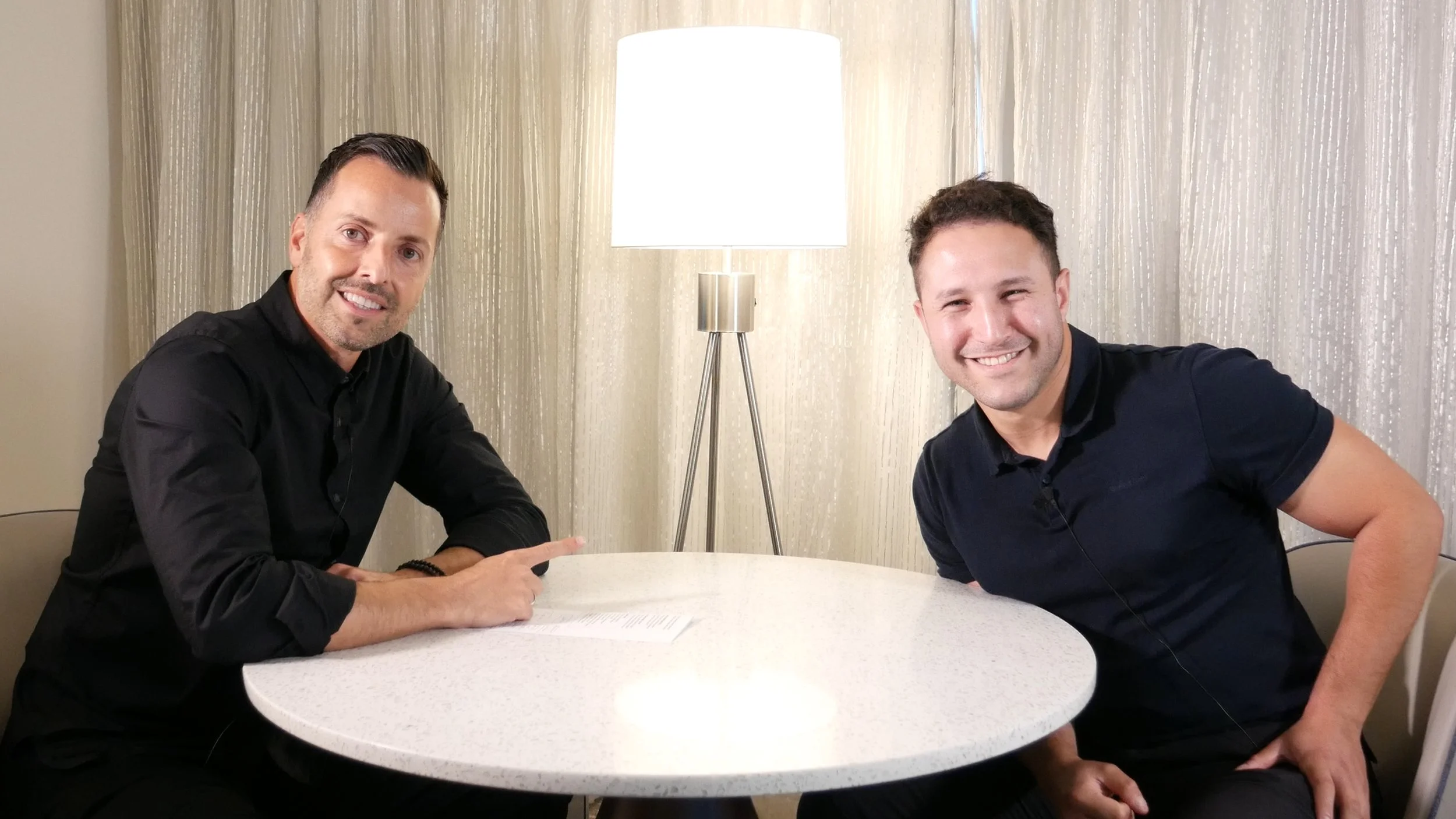
George Stroumboulis sits down with Alex Kouba, a business forensics expert with a unique ability to uncover what is really happening behind the numbers. Filmed in Toronto, Ontario, they discuss business valuation, financial red flags, hidden risks, and what separates healthy companies from struggling ones.
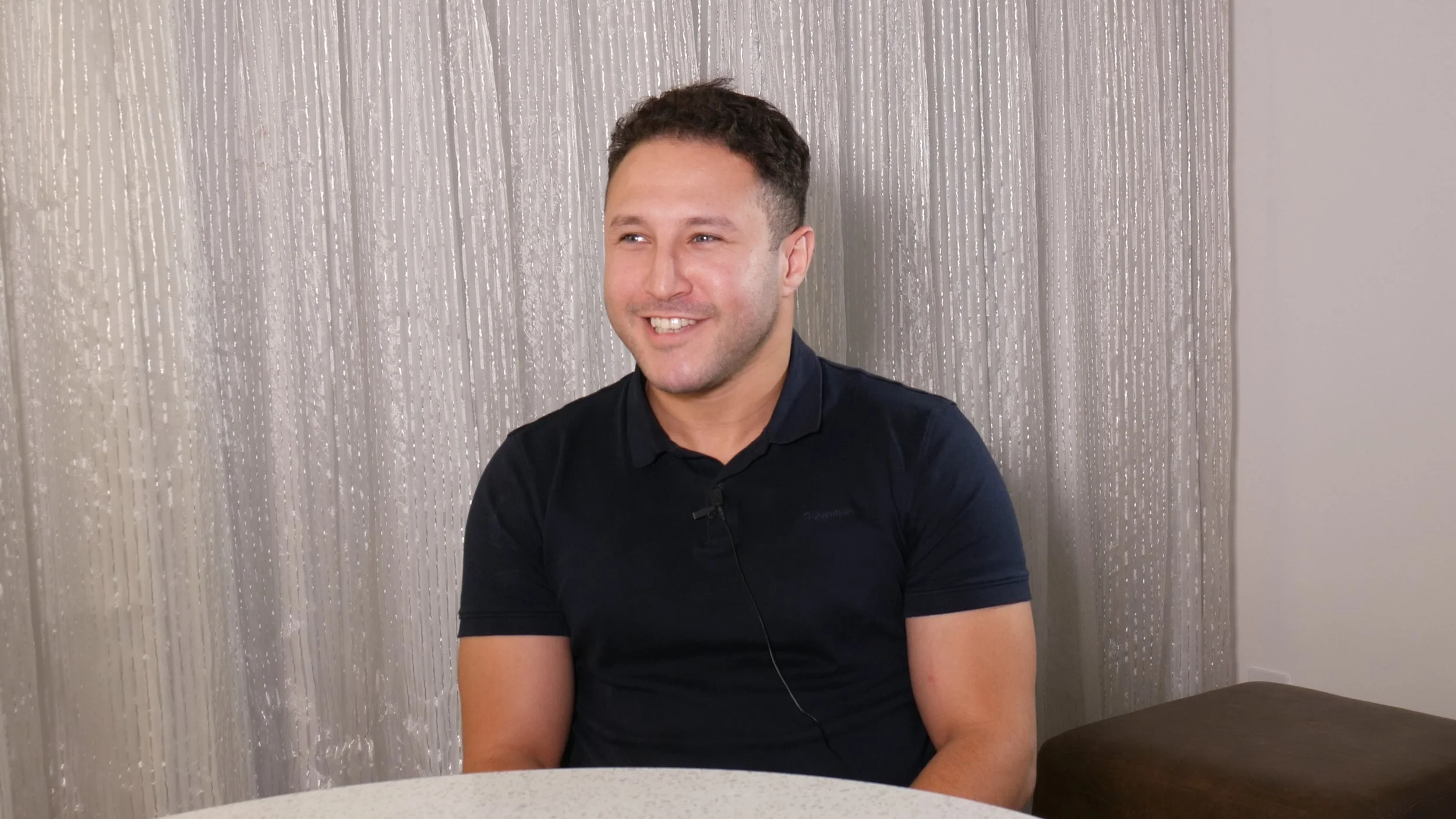
George Stroumboulis sits down with business forensics expert Alex Kouba. Filmed in Toronto, Ontario, they explore how to dissect a business, spot warning signs, understand its true value, and identify the factors that ultimately determine success or failure.
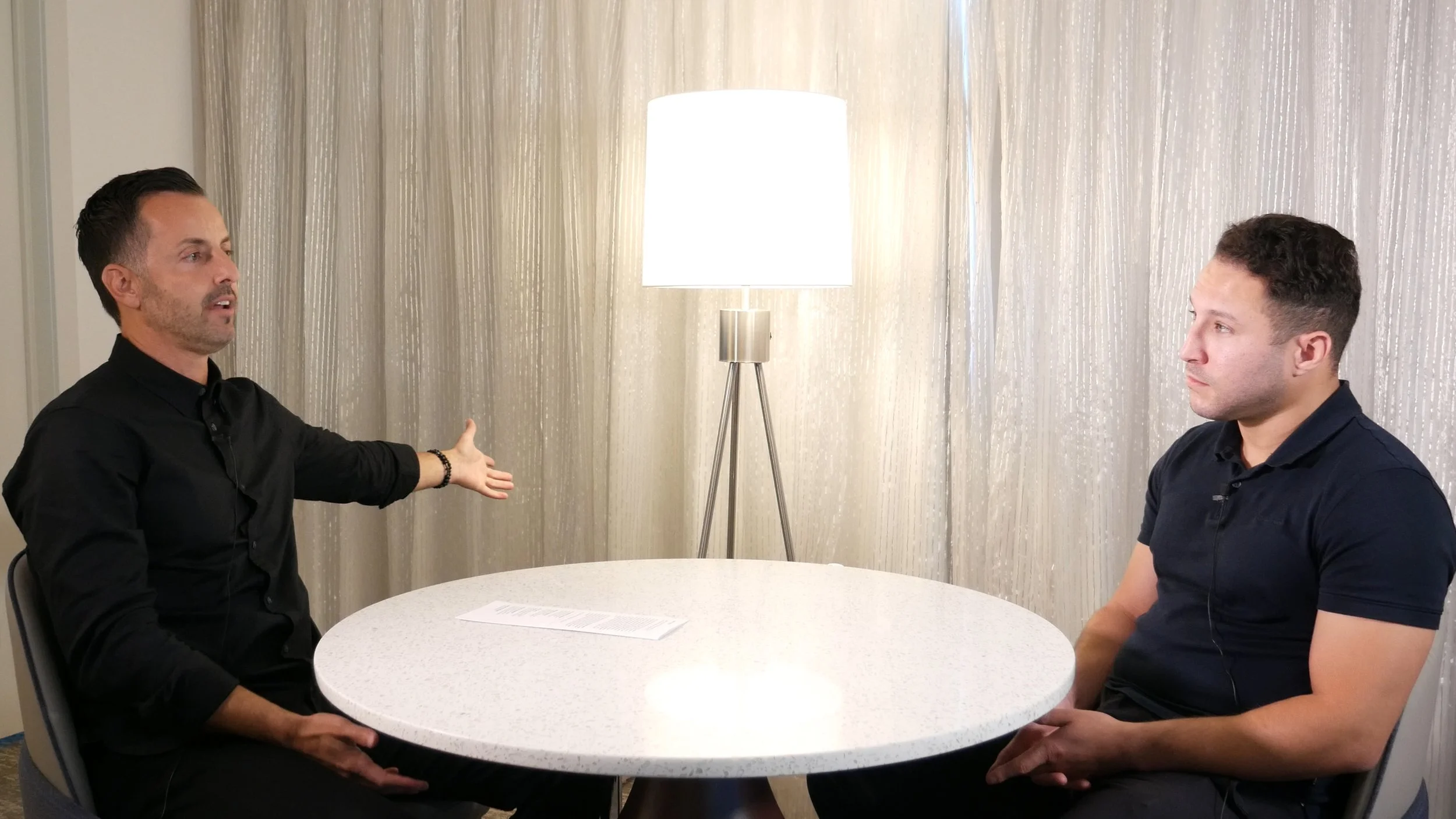
George Stroumboulis sits down with Alex Kouba, an expert in business forensics and understanding the true health of a company. Filmed in Toronto, Ontario, they discuss how to look beyond revenue, identify hidden problems, evaluate opportunities, and understand what a business is really worth.
George Stroumboulis sits down with business forensics expert Alex Kouba for a deep dive into what makes businesses succeed, struggle, or fail. Filmed in Toronto, Ontario, they discuss financial warning signs, profitability, valuation, growth, and how to uncover the real story behind a company's numbers.
George Stroumboulis sits down with Alex Kouba, a business forensics expert who specializes in understanding what makes companies truly valuable. Filmed in Toronto, Ontario, they discuss how to analyze a business, uncover red flags, identify hidden value, and make smarter decisions about growth, investment, and opportunity.
ABOUT THE “INVIGORATE YOUR BUSINESS” PODCAST
The Invigorate Your Business with George Stroumboulis podcast features casual conversations and personal interviews with business leaders in their respective fields of expertise. Crossing several industry types and personal backgrounds, George sits down with inspiring people to discuss their business, how they got into that business, their path to the top of their game and the trials and tribulations experienced along the way. We want you to get inspired, motivated, and then apply any advice to your personal and professional lives. If there is at least one piece of advice that resonates with you after listening, then this podcast is a success. New episodes weekly. Stream our show on Spotify, YouTube, Apple, Amazon and all other platforms.
ABOUT GEORGE STROUMBOULIS
George Stroumboulis is an entrepreneur to the core, having launched several ventures across multiple industries and international markets. He has held senior-level positions at progressive companies and government institutions, both domestically and internationally, building an extensive portfolio of business know-how over the years and driving profit-generating results. George’s ability to drive real change has landed him in several media outlets, including the front page of the Wall Street Journal. George was born in Toronto, Canada to his Greek immigrant parents. Family first. Flying over 300,000 miles a year around the world puts into perspective how important family is to George’s mental and emotional development. With all this travel to global destinations, the longest he stays even in the most far-out destination is 3 days or less - a personal rule he lives by to make sure he is present and involved in family life with his wife and three daughters. To read about George’s global travels, stay connected with his blog section.
STAY CONNECTED WITH GEORGE STROUMBOULIS
STREAM & LISTEN TO THE PODCAST:
SPOTIFY: https://open.spotify.com/show/1rW2CmxQoiJNEPOZupJlvd
YOUTUBE: https://www.youtube.com/user/Stroumboulis
APPLE iTUNES: https://podcasts.apple.com/us/podcast/invigorate-your-business-with-george-stroumboulis/id1607693240
AMAZON MUSIC: https://music.amazon.com/podcasts/8fc03929-71b3-483a-a64e-153e30b3d462/invigorate-your-business-with-george-stroumboulis
STROUMBOULIS SITE: https://www.stroumboulis.com/podcast
PODCAST SITE: http://www.invigorateyourbusiness.com
FOLLOW GEORGE STROUMBOULIS:
INSTAGRAM: https://www.instagram.com/georgestroumboulis/
YOUTUBE: https://www.youtube.com/user/Stroumboulis
LINKEDIN: https://www.linkedin.com/in/Stroumboulis/
TWITTER: https://twitter.com/Stroumboulis
FACEBOOK: https://www.facebook.com/georgestroumboulis
TIKTOK: https://www.tiktok.com/@georgestroumboulis
CONTACT GEORGE DIRECTLY: https://www.stroumboulis.com/connect
FULL SHOW CONTENTS
00:00:00 Welcome From Toronto & Meet Alex Kouba
00:03:18 Turning Curiosity Into Business Expertise
00:06:20 Losing A Startup & Starting Again
00:08:40 Building A Platform For Buying Businesses
00:12:05 Canadian Business & Restaurant Economics
00:17:25 Franchise Opportunities, Risks & Red Flags
00:24:10 Senior Living & The Next Growth Wave
00:28:20 How To Build Your Business Buy Box
00:40:15 What Makes A Business Valuable
00:50:10 Business Risk, Due Diligence & Walking Away
01:03:20 AI Agents & Finding Businesses To Buy
01:09:55 Business Workshops, Advice & Final Thoughts
FULL SHOW TRANSCRIPT
George Stroumboulis 0:00
Welcome to another episode of Invigorate Your Business with George Stroumboulis. Today's episode comes from Toronto, Canada. And I get to sit down with a business forensics expert by the name of Alex Kouba. Alex has a remarkable story. He lost everything on his last startup, forced to sleep in his car to get by, and now he has become a focal point here in Toronto and a voice for small businesses, understanding the dynamics on startups, what it takes to succeed, be a franchise owner, the red flags to look for when you're buying a business, operating a business, or wanting to sell it. He has a tremendous following on his social media pages and has become a voice of support for aspiring business owners. Today we're going to talk about everything. You're going to enjoy this episode starting now. My name is George Stroumboulis, and I'm extremely passionate about traveling the world, meeting new people, and learning about new businesses. Join me as I sit down with other entrepreneurs to learn about their journeys. This episode of Invigorate Your Business Starts Now. All right, so we're starting right now. Let's go. We're sitting here in beautiful Toronto, Canada. Your hometown now.
Alex Kouba 1:20
Yeah.
George Stroumboulis 1:20
Originally from Algeria. Okay, well, we'll get into that. But uh, I've been following your page for a while now on Instagram. It just gets my attention. It's to the point. It's about business. It's about what's going on with this franchise. Why are they here? How much did they lose? How much does it make? And for anyone that's grown up in like a restaurant industry or an entrepreneurial family or immigrant family, your page like has so much good data to the point. So congrats. And it's a growing platform. It's a it's a big page.
Alex Kouba 1:49
Yes.
George Stroumboulis 1:50
So shut out the page. It's the real Alex.
Alex Kouba 1:53
The Alex Kouba. The Alex Kouba.
George Stroumboulis 1:55
Okay, we'll put the links on. But really quick, let me read a little intro so the listener knows who you are if they've never heard of you. Uh we got listeners from around the world, and then we'll jump into this, okay? Get my little coffee on there.
Alex Kouba 2:07
You're back.
George Stroumboulis 2:08
We're ready to go, man. Gotta stay caffeinated. All right. So today I'm joined by someone who looks at businesses through a very different lens. Alex Kuba is a business forensic expert, advisor, entrepreneur, and content creator who has built a reputation for getting underneath the surface of a company to understand what's really going on. He analyzes business models, financial performance, competitive landscapes, valuations, acquisitions, and the warning signs that most people overlook. Through Toronto Business Forensics, Alex has also built a massive audience by taking real companies, industries, and business stories and breaking down the economics behind them, why they work, why they fail, and where the real value eventually comes from. Today we're going to learn about how to read a business, how do you spot red flags before they become major problems, what makes a company valuable, what you should look for before buying or investing in a business, and why can two companies with similar revenues ultimately be worth completely different amounts? Alex, welcome to the show.
Alex Kouba 3:09
Appreciate you, man. That's a nice intro.
George Stroumboulis 3:11
Appreciate that, man. I think it covers the snapshot on what we're doing. So talk to us
George Stroumboulis 3:18
as the listeners. Like, how would you describe who you are and what you do?
Alex Kouba 3:21
Man, I think I'm a business curious, like um through all the content of what it is. Like um, I think it always starts with curiosity. Um, like even as a big city as Toronto, it is. Because you would look around and you see a bunch of businesses, right? That's a very complex system. And people have no idea what's going on underneath the hood. Like there's like a lot of companies on like so, like it always starts with um curiosity. Um, I think since I was like a young kid, I always like walk around and wonder, like, hey, this business, like, why did they go out of business? It's interesting. Like, I thought they were doing good. There's a lineup outside, they're making money. What is going on? And so you go read the through the filing, and and I think it became a habit. Yeah, I think at age 18, I start, I took financial like a bunch of certifications. I'd studied business and I dropped off because it was like a lot of it was pretty much useless. I had my first business, I think, when I was 15. Um, I was reselling, even in my high school, I was reselling like electronics, like a bunch of back in the days, like Walkman. Yeah, yeah, yeah. So I was you're a young guy. Yeah, yeah. I saw a bunch of my teachers, like a lot of my teachers, like I was their suppliers.
George Stroumboulis 4:29
Which is good. Some kids sell drugs, others sell Walkman's. That's good.
Alex Kouba 4:33
Yeah, there's a lot of right way to do it, right? And uh, I think I got into sales. Um, I did door-to-door, sell credit cards, and then uh we had a company, it was like two years ago, two or three years. Um, it was an AI automation for solar, and we lost a lot of money, and uh, it was it's such a terrible loss. I think losing all my money made me extremely like risk cautious. Yeah. And so I walk around, I'm like, I see a lot of people making financial decisions, especially in business. Like someone opened a franchise, like, I know this franchise mathematically is not gonna perform because the math doesn't make sense on the spot, and I think that's why I stopped making videos. Um, and it was a random accident. I think I made my first video, I got like a million views in a day or two. So it's like, holy, there's a need for this. So I threw another one and it had like a half million views, and I was like, Yeah, this, I'm gonna keep doing this. Yes, and then it took off from there. Like it's uh it's very crazy. Like, we have audience people watching from mostly Canada, a lot of them from like UAE, people from Italy, uh, I got people messaged from many countries, like, hey, I want to invest like in Toronto. Like, I'm like, man, that's very nice. And um, yeah, I think the whole idea is like how do you avoid making stupid mistakes? Because a lot of the business has risk, obviously, but you can avoid these things, right? And um, I think what I learned from all my mistakes, like I lost money in very stupid ways that could be avoidable. So for the viewer watching, uh, I try to give you maximum value, how to avoid stupid decisions and not lose your money.
George Stroumboulis 6:03
Yeah, and honestly, that's the best way to say it is you break it down in such simple terms, right? Your video, the way you're showing whatever the franchise is, this is what they do, this is where this is the return, and it's like it's digestible in a minute clips. Yes, where
George Stroumboulis 6:20
you become kind of a platform right now, right? So I could imagine people are reaching out and saying, Hey Alex, uh, what about this franchise in this city? What do you think? So you're becoming that you've studied business. So what type of platform are you building towards? Is it always going to be social media inform them, or are you building something bigger to help people really filter through the bullshit?
Alex Kouba 6:42
Yeah, it has to be. I think um, yeah, like short form or content is always just like the funnel, like the top of the funnel for something bigger. But I my end game is we try to build the biggest business acquisition platform in the country of Canada because you know, self tsunami is happening, sellers are confused, buyers are confused, and it's like a disorganized market. Because at least the way you look at it, someone wants to start a business or buy a business, um, they don't know from what to start. They have the capital a lot of time, they have money, they're qualified, but they don't know what to do. And so they go to brokers, and brokers are it's just very confused a lot of them because a lot of brokers are real estate people, they don't know a lot that much about business for the most part. Yeah, or they go to commercial people, like they have no idea how to you know analyze a business, it's not their job, right? So we've seen the gap. I'm like, hey, I'm I really want to build a platform to capitalize on the gap where we can get the sellers and the buyers um and have both, and like how can we create this platform and then streamline the process, organize it? Yeah, like there's a lot of mistakes being done, like I'm actually failing a lot, um, but that's the the end game, I would say, from content. That's what we're doing. That's amazing.
George Stroumboulis 7:50
And then eventually, are you you're trying to be the broker on top of like the knowledge base as well? Yeah, so like if if um if a franchise is looking for to expand in this market, you're hoping that you become the platform where you can find people, vet it. You know, if it vets through Alex's system, then it's like, hey, we could promote this or not, right? Exactly, yeah. Okay, yeah. So let let's let's dive into this. First of all, talk about your cultural background. So born and raised in Algeria, what what's the entrepreneurial landscape in Algeria?
Alex Kouba 8:22
I think I don't think it's that great, man. Like, is it um it's it's primitive businesses for the most part. Like, you don't see a kind of business where like um it's not asymmetrical games for the most part. Like people, when you say business, they think of a restaurant and uh like all kind of basic stuff, right? Like you don't see like high tech or something
Alex Kouba 8:40
like with extremely high utility or marginal profit. Um, so that's business of the mind. I was I didn't think I looked at it completely. Like my whole family, we don't have a lot of entrepreneurs, I think.
George Stroumboulis 8:51
What did your parents do back?
Alex Kouba 8:53
Teachers, teachers, yeah. Both of them are teachers, yeah. Um yeah, I was I was it was curiosity about for the most part. I was reading books um and listening to a lot of podcasts even back in the days. Like I was like, consume a lot of this stuff. And I yeah, I mean, economy in these kind of countries, it's a mess. It's really it's a yeah, it's not like a high trust like um society, like there's a lot of mess, like banking bureaucracy is a problem. Getting funding is is extremely hard. It's one of the things that when you look at Canada, like First World Nations, like the opportunity is insane. You can set up a corporation in 20 minutes. Like if I'm in another country, like it might take me a month, right? You can literally get incorporated within 20 minutes, you don't have to leave your house, you can do that online, and you can't see Canada. Yeah, it's insane. Like you could collect payments, you can set up a website within an hour. Oh, yeah. Um, it's just insane. Yeah, so like yeah.
George Stroumboulis 9:44
Well, when you look at that, so like Algeria, my family's background's great, same system. It's like bureaucracy, red tape, all this stuff. Canada has a reputation. Now I'm Canadian, I live in the United States, but Canada still has a reputation on it's not a great place to do business, high taxes, um, hard to get a workforce. You've seen it. Like, talk to me like the positives and the negatives of operating a business. And we're not talking multinational business, we're talking small mom and pop up to like franchise owners. What are the pros and cons from like your eyes?
Alex Kouba 10:18
Well, you can make money in any economy. Like I've seen people getting rich in like Tanzania, like countries that you never heard of, people making like billions. So I think it's an exaggeration for the most part. Because like, and I get it, like a lot of times it's a neurobubble, and people look at yeah, there's a high taxes, and you know, it's crude as compared to the United States. Well, that can be true. There's a high taxes, but there's also a lot of opportunities. It it it it really um there's a lot of companies that are killing. I know a lot of people start a business in Toronto and Canada, they're killing it, and they expand to the US. Um, yeah, like that could be another argument. Hey, you can start in Canada um a less crowded market, yeah, and then go compete in the United States. And also like there is a lot of advantage, I think, at least in Canada, there's a lot of competition for the to begin with.
George Stroumboulis 11:03
There is a lot of competition. There isn't that much, there isn't that much, okay, yeah. There isn't that much.
Alex Kouba 11:08
So it's so like what in a particular industry or are you saying in general, like in general, because like um if even if you look at the amount of businesses being open in the United States every day, it's like that's like 20 times more.
George Stroumboulis 11:20
Right.
Alex Kouba 11:20
Um and if a business is in California, it's gonna compete in Florida, so like they're literally everywhere.
George Stroumboulis 11:25
Yep.
Alex Kouba 11:26
But Canada, like I look at because they track the number of new registrations, like some industries are completely open, like there's no one to compete with you. Yeah, there's a lot of pros and cons, obviously. Um, but I think if you're gonna be good, you can make money anyway. You can make money anyway.
George Stroumboulis 11:43
See, that's a great message to hear because a lot of the people are just shitting on Canada in general, right? Over the years, during COVID lockdown, people are fleeing to Florida, they're going everywhere and speaking negative about Canada, Canada, Canada. But it's like it's a great place. If you work hard, you can get ahead. Yes, right. And you show that through your page and your content. You show it's like whether you're in Canada or another country, good
George Stroumboulis 12:05
business decisions are good, bad, or bad. Yeah, right. So, so talk to me in Canada. Do you focus primarily Ontario? Because this is half of the country's population lives here, right? What are some industries that are horrible? What are some that are good? Because you always talk about restaurants, like guys. If you want to lose your money, right? And there's no filter on your end, too. You know, I love that. Yeah. So talk to us about that.
Alex Kouba 12:29
Uh I think the idea of if I could just go to restaurants first, like the idea is why restaurants are terrible, because um the risk, the risk is really high, like it's 80%. Even if you make it, people that they say, yeah, failure is 76%. But what do you mean by failure? Is it making 20 grand a year? Do you consider that success? Like, what's so like failure is like complete bankruptcy.
George Stroumboulis 12:52
Yeah.
Alex Kouba 12:52
But like even the the very good ones, um, I think the average stake home is like 60 grand a year for a restaurant.
George Stroumboulis 12:58
Like, so you buy yourself a part-time like a basic job.
Alex Kouba 13:01
Yeah, and the math doesn't add up because you spend like 200, 300, sometimes even a million bucks to make a hundred grand a year. Um, you can make the same amount of money putting an SP 500. Right. And it's safer for the most part, right? Make 8% on your money, conservative, yeah. So like and you're working, like, and and I around the math. Like, I because I met a lot of these restaurant owners. I'm like, how many hours do you work a week? So it's like I average 80. I'm like, how much money do you make? 120 grand. Run the numbers, he makes $26 an hour. Exactly. And you have all the stress, you manage the people, and you probably your your bartender makes more than you. True. Like it's around the clock. Oh, yeah.
George Stroumboulis 13:35
And you're around the clock. There's no turning off your mind when you have a restaurant. Yeah.
Alex Kouba 13:39
Because it's high, I think the economics don't make sense because people think I want to sell a restaurant because this restaurant is making money. But these people started when the the the numbers were so good. Like rent just in Ontario, I'm talking about uh Toronto rent almost doubled in the last what, six, seven years. Jeez. And rent, if it's 60% of your top line, doubling that, I mean, that cuts 15% pretty much not profit. Um gone. Yeah, it's it's straight up gone. Absolutely. And it's like these people started when the economic conditions were better, there's more spending power, maybe the the uh the middle the middle ground wasn't as bad as it is, like you know, the the uh middle class has to be a little bit crushed in terms of uh disposable income. So they built repetition they they made distribution channels and they had the chance to fail. Like you you can fail in 2015 or 2014, it was less severe because rent wasn't as expensive. Yes, there's more shots to being to being wrong, but now it's like it's so expensive to be wrong.
George Stroumboulis 14:39
It's very yes, you're absolutely right. And then in particular, like the restaurants too, can I like Ontario, Toronto, it's a very expensive city. Yeah, like when I come back, and again, I live in California, very expensive state in general, in the city that I'm in, it's expensive, New York's expensive, but Toronto is you know, now that we're talking about restaurants, but to go out and eat at a a Mr. Greek on the corner or like a AW relatively with what the average person earns and what you pay for food, it's very expensive. It is. Would you would you agree? Yes, yeah. So so like what what stats do you have to back that up? Like people are trying to charge more in the restaurants, the rents are higher. Like, where is it gonna go?
Alex Kouba 15:19
I mean, it's it's a race to a race to the bottom for the most part. I mean, it looks like it's um they try to compete on price or like whatever. Like, I think it was a buddy of mine, um what's his name? Ryan, yeah, the Ryan, the Ryan experience. Shout out to that guy. So like he explained um how the middle ground in on Canada is is shrinking. So like the people that are gonna win, either you go extreme affordability or you compare like a dollar to a dollar menus, yes, or you can go extremely high end, because what is that 50%? Um, I think 10% um of the the top 10% drives almost 50% of consumer spending, excluding rent and essential. So it's like there's a lot of disposable income there. Yes, yeah.
George Stroumboulis 16:02
Yeah, the top 10% drives that yeah, yeah. That's a crazy stat. So when you're looking at restaurants, and we're gonna get to the other industries, there's the franchises, there's a small mom and pops, and then there's like the other, yeah, you know, what would you say? Uh dine in, dine in, you know, higher end. Yeah. When it comes to franchises, what do you see as successful ones or other ones that you're just buying a job, a basic job salary? Like, what are some good restaurant franchises that the numbers make sense to you?
Alex Kouba 16:30
It's it's a really um tough question. Um it's really hard to uh say precisely which ones because like the numbers make like they change every year, like depends on how density it is. I can tell you the bad ones.
George Stroumboulis 16:47
Let's start there. And then do do you get hate mail from any of these companies? Do any companies reach out and say, hey, take that down?
Alex Kouba 16:53
Not really, no, because I try I have my like legal advisors to try to be as safe as possible. Um even making the videos, like I don't want to get a seat.
George Stroumboulis 17:00
And you're just stating facts, right? This is public information. Yeah, so you're stating the facts and okay. So so what are bad ones? Like I I know uh even in the states, they you know, like a subway franchise, you're you're basically just buying a uh part-time job, right?
Alex Kouba 17:14
So, like what what are some that are well you think about franchise, you have to think like you can only be as good as the franchise, like you're really because you're capped, like they give you the systems, they give you like even if you're
Alex Kouba 17:25
so good and you have a the best customer experience ever, or the best staff, like you're capped with the brand reputation, right? Like, no dashing at Tim Hortis, but it has a bad, at least name nowadays in Canada. Like, um, it's hard to overcome these hurdles, I think. Why why does Tim Horns?
George Stroumboulis 17:40
Because I I've experienced that uh growing up, it was my go-to. Yes, right, it was always my go-to. Like growing up, like that's what Canada is to me. And then now when I come back to Canada to visit family or for work, I don't step in there unless I'm getting a pack of Timbits to take back home to the kids. Yeah. I don't I don't know why though. Like I I couldn't tell you what I don't like about it, but the experience is just yeah, it was it's not an accident for sure.
Alex Kouba 18:05
Like it was planned uh since the first acquisition. So uh for people watching, so Tim Orton's was bought by Burger King, and it was probably the Brazilian company, it was at RAB or something. Yeah, um RCB, I think. So that's private equity for the most part. Like they're they it's the I think the first change they changed the donuts fresh because they were making them fresh on in store. And it wasn't the case. That was the first, I think it was like 2000, the first change ever. And then the experience started to change because the operators are not qualified anymore. They just give because I don't care. Like if you if you private equity running a company, you don't really care that much about customer experience, right? You just want to squeeze as much dollars as possible, and then they come the bats of like the lobbying the government for more foreign temporary foreign workers, which is a pretty much a lot of legal loopholes are using to um and even the owners of these companies, a lot of time they're like they're you can see there's a lot of cultural differences in terms of like hygiene, like there's a lot of issues inside because people don't smile. Like if you go to Tim Hortons, this is like just eight years ago. If I go to Tim Hortons, people were smiling at you, and now it's not the case. You see, like people are so sad.
George Stroumboulis 19:13
Like it's true, it brings you down, yeah. And it's not even like before it was like fake it till you make it, you know, like customer service 101, look in the eyes. Yeah, how are you? How can now it's just like you might as well just have a screen and order from a screen, yes, yeah. But but is that a bigger Canada play, or is that a an actual brand?
Alex Kouba 19:34
I think it's a brand issue. Okay, because I go to a lot of spots, like even um, it doesn't matter what background for the most part, but Tim Hortons has an issue with like customer experience, it's a real thing, it's documented. You can see like their charts going down in terms of like it's it's it's I think when um the companies the RCP, the Burger King one, yep, when they first bought them, the customer satisfaction went down like 10% within just like nine years or something.
George Stroumboulis 20:00
That's a lot, that's a lot, that's a lot for a brand. Are you kidding me? Uh, while we're on Tim Hortons, I go to China frequently, it's where I have um factories, and they started opening up the Tim Hortons over there. So I went to the first one in Shanghai, and it was like a premium over there. Yeah, the the Chinese loved it, but it was more of an elevated cafe, Tim Hortons cafe, and I'm like, oh, it was a much sexier version than the stuff that we have here. Yes, it was just interesting experience.
Alex Kouba 20:27
Yeah, you do like I don't know why they do that.
George Stroumboulis 20:29
It's it's very rebranded, but maybe bring that back here and change change the experience, right?
Alex Kouba 20:35
Yeah, true.
George Stroumboulis 20:35
What are other franchises that you see where you're just I think like Subway is is horrible.
Alex Kouba 20:40
The numbers don't make sense because they take 12.5% and like you don't make that much numbers. Like I think with Subway, it's engineered. So like they do that on purpose. A lot of times they so customer, how do I say that? The barriers entry is so low. I think the franchise is like 15,000 and it costs you two, maybe less than half a money to set it up. So they target deliberately first time buyers for any franchise. And these people like they don't have a lot of experience to run a restaurant, like it's it's it really it's hard. And they take a lot of the top line, and also they have an issue of um um cannibalization. So there's a lot of stores within one area and then competing for the same customers, like and subway doesn't care anyways, because like hey, we're collecting our royalties and um so we don't really care.
George Stroumboulis 21:22
What do you need to get into a subway here in Canada? Like, what what are some of the numbers? Do you know?
Alex Kouba 21:26
I think it's like the franchise fees fifteen thousand, but I think this is USD, so 1050, you can just run the numbers. Um and they say on the website they say from 250 to a half million. Okay, that's how much you would need, yeah. But they take so they take 8% in royalties um just for for gross, and they take 4.5 for ads.
George Stroumboulis 21:46
Oh wow.
Alex Kouba 21:46
So it's like 12 point, that's a lot. That's a lot, yeah. 12.5.
George Stroumboulis 21:50
So what's that leaving the owner 50 grand at the end of the year?
Alex Kouba 21:52
I guess yeah, pretty much, yeah.
George Stroumboulis 21:54
Yeah, so so when you run these numbers, what's your what's your goal when you're Diving into this, is it inform people? Like the number one thing right now is hey, let me just inform them.
Alex Kouba 22:06
Yeah, yeah. Well, I it really starts with um because man, like I look at restaurants and like a lot of businesses that like are meant to be bad investments, like it's from the get-go. You can make it still, but like you make it and you make 50 grand a year, like that's making it in a restaurant industry, right?
George Stroumboulis 22:22
Right, right. Like you said, there's no definition on did you make it or not. Yeah, yeah.
Alex Kouba 22:26
So it's like, I'm like, didn't you guys consult with anyone before jumping into this? Like, did anyone say, hey, man, I don't think it's a good idea? Maybe you know, it's because man, like as you know, like you run a lot of successful businesses, George. Like business is hard anyway. So like, why don't you start a company that makes has potentially make 20 million a year? Right, right. Why do you because you could you could be working 100 hours and stressed? Um, I think this one Naval Ravikant, yeah, it's like the idea of work is the same. Whether you own a restaurant or a startup in tech, yes, um, it's precisely the same. Like it's a hundred hours work week, stress, risk, cash flow issues, everything, yeah. So maybe take a better, a bigger, uh, asymmetrical shot. I think restaurants, that's the the problem you're capped, no matter how good you are. And people, this is a lot of people think, oh, but this franchise or this company made it. But they don't look at the numbers. Like the guy was in in a restaurant in Israel for 30 years, like he knows the in and out from um that's I met like a guy uh three weeks ago, a very good, um, a very good guy. He runs um seven or ten restaurants, and I was talking to him through the menu, and the guy knows to the penny, like I yeah, I can save two pennies here. I'm like, in no way in you owner would understand these things, it's impossible. Yeah, I couldn't get it. Like, I was I was either trying to like make sense of what I'm like this guy has emote because he's been in the restaurant industry for two decades, yeah, yeah. Two decades, he has an eye for these things.
George Stroumboulis 23:50
Well, the barrier to enter into the restaurant space in general is low. Yes, right, and that's why like uh Greek immigrants were doing it. There was no education, yeah, there's no barrier, you know, and you can learn how to flip a burger. Yeah, right. So that's where like it was it's easier for immigrants. So maybe that's why still people bet on restaurants, because if you're not educated or language
George Stroumboulis 24:10
or it's a certain cultural class, yeah, you could get into it. True. But I saw on your feed uh the last couple days you're focusing uh also on uh retirement homes. Yes, right? Oh, those are good. So those are good, right? Aging population. That's very good, yeah. We we work with a lot of retirement home communities in the states because they're just booming right now. Oh, yeah.
Alex Kouba 24:30
Yeah. So what so what are you seeing? Oh, those are perfect. Those are very good businesses. Um the economics makes perfect sense. You have a growing demand. What is that? Like the the aging population. And I'll tell you it's almost um I hope I'm not wrong. I think it's like um close to three or I don't know if it's three or six million, but that's a lot. Like it's growing like never before. Yeah, absolutely. Quality of life is going up, life expectancy is going up, people are living longer. Demand is going also there's a lot of shift um in the way I mean it's it's getting towards more like individualistic society. So, like back, maybe like back in the days, like you know, when you have a uh an old man, he could stay with his family, but nowadays they want to be left alone, you know. I just want to um so the demand is growing, but there's an a varied demand. The issue with senior homes, well, senior homes, there's they're mainly three businesses the home services, yeah. Uh although you can have like long-term care, or you can have retirement homes. Um, to clarify, a retirement home is the simplest version. It's pretty much you rent old people units and you don't offer much medical stuff. It's pretty much they rent a house and it's meant for for aging uh people, and that's it, so it's seniors. Long-term care, it's pretty much this is a lot of regulation because um think of it as a people that have maybe sicknesses, severe sicknesses, they stay there. So you're acting as a nursing house for seniors. So you have medical attention and in okay, yeah. Yeah, this is usually harder to get into them. Uh homes, home service, pretty much you have a bunch of people, senior clients, and you could dispatch um services to them. Yeah. So, like, hey, I want you to come change or clean my house or do laundry or do something in the house, and you dispatch them, yeah.
George Stroumboulis 26:11
In any of those three different avenues, yeah, are any government-backed or government funded? Like are there programs or is it yeah, okay.
Alex Kouba 26:19
Especially senior homes and long-term care, yeah. Yeah.
George Stroumboulis 26:22
So if you were investing today there, like what would you do as Alec?
Alex Kouba 26:25
I would do two retirement homes. It's it's it, I think it's the best. The one that makes the most sense, at least at the moment. The thing is, like, it's extremely consolidated. Like we have like giant like uh Chartwell and uh Sienna, like they're they're buying and um they're buying them in bulk.
George Stroumboulis 26:40
Those are uh main companies? What were they called again?
Alex Kouba 26:42
Chartwell. Chartwell. Sienna. Siena Sienna. That's C I uh S I N N Sorry, S-I-E-N-A-A. Okay, Sienna, yep. So these two they're buying in bulk. Um the because it's you know the way consolidation works, like because a senior home, retirement homes is worth more to them than it's worth to a single like individual investor, right? Okay, they can cut costs. A lot of times they they pay premiums to get them. Like a lot of times they pay 20, 30 percent um premium to get them.
George Stroumboulis 27:15
Because you're you're also buying, uh, assuming it's a full facility, you're buying all those seniors for their longevity of life, right? And you're yeah, that's uh and it's uh it's growing, but it's also diminishing because at some point those people are dying off. 100%.
Alex Kouba 27:30
Yeah, yeah, yeah. You're right.
George Stroumboulis 27:34
But I think we're at the start of that wave because you're reading, I've been to trade shows in the States where it's all for senior living, right? And we're talking like major development shows, major investment. They're building cities for senior living, and it's you know, retirement villages and the spas, and they're trying, and it's crazy. And and when you look at the numbers, like it could range for down and dirty $5,000 a month for the resident all the way up to $15,000 to $20,000 a month in cost. Yes. What is it here in Canada? What are you seeing?
Alex Kouba 28:03
I think the average of like $38,000. If I'm I I don't get I don't recall the number precise, but I think it was $35 or something. Um, it's a little bit lower than in the US.
George Stroumboulis 28:13
Per year for you to be able to live in there?
Alex Kouba 28:15
I think per month.
George Stroumboulis 28:16
Oh, $3,500. Okay, gotcha. Yes, yeah, yeah. Okay.
George Stroumboulis 28:20
Um, what other industries are you seeing that that makes sense right now? Here's a question for you. Two things. Uh, someone has $50,000, right? They put together $50,000, and then there's someone who has a quarter of a million dollars. Okay. Two different avenues. They come to Alex today, they're saying hey, Alex, with $50,000, can I get into a business in an industry in Ontario? Yes. What should I do? And then what are you saying to the person with $250,000?
Alex Kouba 28:46
Well, both have good options. Um, and it's not just like how much you could put down, but it's also what are you really good at? Because, like, you know, when you build when you buy business, obviously you build a buy box, like just people watch it. Buy box is pretty much simple questions that will help you understand why you're buying these businesses, which businesses are you looking after, and your type your timeline, how much you want to be involved, what it is, um, you know, how many hours you want to put a week, how much you can finance, how much you want to put down. And that will help you extremely good understand um the targets. Because a lot of people are like, I want to buy a business, but that's a bigger problem to solve. That's a huge like I'm not gonna come to you, George, I want to get married. Like, it's a bigger problem, you know.
George Stroumboulis 29:26
Until you take your time, take your time. Where are the videos on that? Yeah, yeah. This guy got married, and uh, this is why it failed.
Alex Kouba 29:38
So, yeah, like you usually start um trying to understand what they want, like, hey, what kind of businesses are you looking for? Tell me a little bit about your background because you want to understand what are their unfair advantages. You really want to know what they're really good at. Because someone who has, for example, 20 years experience in machinery and he has like 100 grand, he wants to buy a restaurant, like like let's say he wants to buy a retirement home. Yeah, I'm like, have you looked into maybe manufacturing business? Because you have like 20 freaking years. Yeah, use a skill set, yeah. You have an unfair advantage, like you know the ins and out of um the your industry. It's like I would I would start there. Yeah, because like you try to match the perfect all the parameters and try to come up with the perfect, um, the perfect recipe. Yes, yeah. So I have like 20 years' experience here, I have this much. This is what the market needs, this is the market wants, where you're good at, and you try to assemble pictures and then guide them towards what's the best. Because well, sell uh cell finance is becoming way much more popular now in Canada, a lot, like way much more than it was, at least less.
George Stroumboulis 30:39
Is that is that because it's harder for small businesses to get the funding from the banks because it's higher risk?
Alex Kouba 30:46
Um I think because there's a lot of businesses for sale. So the sellers um they still have some leverage, but not as much as uh the they had, at least in the last two decades. Yeah, because I don't know if you know about the silver tsunami. They say like so the CFIB, that's Canada, Canadian Federation of Independent Business, the largest independent organization in the country for for small for businesses. And it says, what is that like two trillion worth of business assets we'll exchange in the next 10 years? That's like 75. I think 75% of businesses will sell. Yeah, it's more than 70. I don't know if it's 75 or 70. That's it's yeah, two three quarters.
George Stroumboulis 31:23
Is that from a small mom and pop all the way up to corporations? Yes, everything, wow.
Alex Kouba 31:27
Everything it's just like everything is on the table. Everything's on the table. And 50, uh you guys you can check their numbers, uh, they have everything is online, but more than half of them don't. So most more than half, the biggest concern is finding the buyer, and they don't want to sell to their family members. And when we spoke to a lot of the sellers, people a lot of times say, if you have a if you have a successful company, why don't they just give it to you know family members? But it could be a lot of reasons.
George Stroumboulis 31:54
Yeah, that rarely works out. Yeah, you know, my former uh mentor in New York, uh, we could leave the name off, but he inherited a company, took over a third generation company from the early 1900s. And he looked, he had four kids, and he looked to all each of the four, and you know, one was this career, one was that career. It was the end of the road, right? Nobody wanted to step in and he ended up selling at the right time. But that whole like trying to groom if if someone doesn't want to get involved, it's doomed to fail. Yes, right, like just to hand it out. Yeah. Uh, but a lot of people like is there a business here where you would say, yeah, you can kind of invest and not be hands-on?
Alex Kouba 32:36
Yes. Yeah, yeah, like it depends on how much you want to be involved. Like there's some businesses, like you really have to be there. Like, for example, if you if you're buying a daycare, extremely regulated. Um like mistakes are very costly. Because like if you let's say if you run um a coffee shop, there's a bad customer experience, the worst can the worst thing is like you just lose a customer, right? But in daycare, for example, if you have one employee that doesn't show up, like the daycare cannot even function legally because you you're not respecting the require the legal requirements.
George Stroumboulis 33:08
Unless you're in Minnesota. Yeah, yeah. That's a good business, yeah. Yeah, that's a great business. That's a great business. Yeah, it's not the learning, the learing center. Do you remember the they they were they didn't even spell learning properly, and they're just getting money from the government.
Alex Kouba 33:23
That's a good business, yeah.
George Stroumboulis 33:24
We need to go there. We need to send you to let's go. You would destroy those people. Jesus. So talk to me on in general, so like daycare businesses heavily regulated. Yeah, yeah. But what about for that investor who's who has done well and they're like, yeah, you know what? I want to get into the space, half a million dollars, but I don't want to be involved. Are there businesses? Because people think just because I put my money and I'm not involved, I'll be getting returns.
Alex Kouba 33:50
Yes.
George Stroumboulis 33:50
It's very hard for that.
Alex Kouba 33:51
It's usually a spectrum, right? Like it's usually a spectrum. Like, hey, uh, maybe uh what I can think of is like the lowest involvement should be usually the franchise because the the franchise, the franchisee, uh the franchiser built the whole system for you. Sure. So you can just run it automatically because you don't have to teach you the staff like the way to run the business. Like you just plug them in, give them maybe two hours training. Yeah, for the most part, like it's literally four hours like videos and dummy proof, right? They make it yeah, it's it's streamlined, it's simple. Um, so you can just run people. Two like the most complicated businesses. Um, and I'm sure you're running one, like it's very hard.
George Stroumboulis 34:27
Yeah, too complicated. No, no, sometimes I sit there and it's like Alex, me and my partner, so we own it 50-50. We started it in 2014, and we sit there and it's just this, right? So geopolitical, yeah, tariffs, freight uh wars going on, all this stuff. And we're sitting there like, man, like it's such a complicated business because no matter how good we are or we're winning business, this guy could be on the toilet tweeting something, and then uh a whole war breaks out, and then our price goes up instantly. And so we're very exposed because we're in a lot of countries around the world. Going into COVID, 80% of our business came from one client.
Alex Kouba 35:06
Oh, wow. Dangerous. Yeah, that's that's very tough.
George Stroumboulis 35:09
And we knew that, but we were so small and we were growing with them. That company imploded before COVID. Then we got into COVID, we were we were dead. Yeah. Right. So we pivoted, took on big investment, uh, big loan, still kept our equity, and we shifted our business model to get more into like distribution. And if we didn't do that, we would be out of business today. Like we were forced to pivot. We did the right thing at that time, and then coming out of it seven years later, yeah, we're in a much better place. But it's such a complicated business. Yes. So, like, even if we were to take on an investor, unless they're from the lighting electrical space, they they would have to be hands off. Yes. You know?
Alex Kouba 35:48
Yes.
George Stroumboulis 35:48
Yeah. So there's levels to this.
Alex Kouba 35:50
Yeah, well, I'm glad you pulled it off. Yeah.
George Stroumboulis 35:52
And we've pulled it off, but we're still pulling it off. It's like, you know, I was giving a talk earlier, and it's just every day is a cash flow challenge. You win new business, it's a new set of headaches. You got to finance that, you got to do this. It's exciting, but like, you know, sometimes I look back and I'm like, okay, what if we were just regional or just like in one country, but then our countries took us to all these other countries. You can't say no when you're growing, right? When you're hungry, you're like, yeah, yeah, yeah, yeah. And then we'll figure it out. And then all of a sudden you're like, oh shit, okay, we got this whole pie, and we got to be strategic. So nothing is easy in my world, but that's the same stress as I have is the same that the guy downstairs who owns that cafe.
Alex Kouba 36:32
Yes. Stress is precisely, yeah.
George Stroumboulis 36:34
You're busy, I'm everyone's busy, you know. So, and that's just another pet peeve of mine. It's like when you meet with someone and they're just like, they think they're busier than you, therefore more important.
Alex Kouba 36:45
Yeah.
George Stroumboulis 36:45
It's like just be respectful. Everyone's busy, yes, right? Respect other people's time and just keep it moving. Yes, you know, 100%. So, yeah. Uh, I want to do something here. Yes, this is a rapid fire. I'm gonna give you some terms. And first thing that comes to mind and why, okay? So I'm putting you on the spot. He hasn't seen this list yet, but so this could be whether you're evaluating a business, you as Alex, who's this business forensic expert, yeah, how would you respond to this?
Alex Kouba 37:15
I thank you for the expert.
George Stroumboulis 37:16
I love it. Listen, man, you got a massive file following and you got this passion of calling out bullshit. It's true, right? Then so I'd be nervous if you were calling out my bullshit on this. Which which before we get to this rapid fire, what when you're looking at it, like if you're featuring like Eaton Center or the Bay or you're something, what goes through it before you want to make a video? Do you like do you pull public information? Is it something you read online where you're like, oh, that would be good? What's your process?
Alex Kouba 37:45
I think it's so random, man. If I've been really honest, um I I read a lot about like general stuff, yeah. And then sometimes I see some stories that are interesting, like because not most stories are not interesting, like it's just genetic. And I have ADHD, so it helps me like brainstorm a lot of ideas fast. And I'm like, so I I I I kind of build the villain story, like this is what happened. Try to find maybe five, seven points that are very interesting, and try to build a whole story around that. And and um that is that's usually the process, and then it could be public data for the most part. But I have like we have like we buy like pitchbook like subscriptions, stuff like that, and and sometimes like you need some inside or data, so you try to like pull up and stuff, yeah. And then let's say if we're doing valuation, we pull up public data, and then we we try to do our benchmark numbers, and we run through like simple valuation methods, so we run some estimates. But if it's bankruptcy filings, for example, like Hakeem Optical, it's it's it's all public. There's a lot of people like this. Is a lot of people in Canada don't know any bankrupt company, the moment it files, you can read the whole thing. It's public. You don't need um you need you don't need to buy anything. You can just type the company name, like Hakeem Optical, on Google, and you can see the whole bankruptcy file. And you can bankruptcy file within the file, you could see the reasons why. Because you have to state the reasons why did you guys go uh bankrupt.
George Stroumboulis 39:07
So Hakeem Optical, for anyone outside of Canada, is the largest sunglass uh eyewear in the country.
Alex Kouba 39:13
In the country. Privately owned, yeah.
George Stroumboulis 39:14
How many locations and what happened to them?
Alex Kouba 39:16
Man, I think it had um I I forgot how many locations, but uh at least more than 160. Yeah at least. So what happened to them, well at least what they said in the file, they said it's it's increased competition and the economic conditions um don't match. Because what happened is there's a huge competition. Back in the days, Scheme Optical had a pretty much a monopoly. Um, if you talk like a brand, big brand, they have you in Atlantic, Ontario. Um, but clearly came in, kids.ca came in to play. So people are saying, like, hey, I can go to Scheme Optico buy a $600 uh pair of classes. I can get the same one for 20 bucks, delivered to my house with kids.ca or clearly. So the economics don't make much sense. Exactly. So people's like, you know what? I I don't want to go there.
George Stroumboulis 40:01
They they had their run, they made their money, right?
Alex Kouba 40:04
Yeah, yeah. And it was so good. Like they had it very good. They had it very good. I'm I'm I'm actually surprised they'll last.
George Stroumboulis 40:09
Yeah, and they've been around for decades. Like I remember them as a kid. Yeah. Okay, so you so you look at stuff like that.
George Stroumboulis 40:15
When you're looking at a company and someone's getting ready to uh clean up their company to go and pitch it, yeah, right. When when you're looking at it, what do you look for? Like what are red flags? What are green flags? Like, are you looking at the balance sheet? Like what how do you to sell it or like yes, someone wants to go and sell their company and you're evaluating it. Like, what's advice? What are pieces of advice for people to like clean up certain things, look out for?
Alex Kouba 40:41
Well, if we talk it straight to the sellers, like the first thing is clear your financials, like clear your books. Um, if it's so messy, like it's hard. Like it's if if you keep you don't keep your receipts, uh it's not like selling your business, like it takes it takes a lot of you should if you're planning to say to do it within the next three, five years, like start early. Yeah, get the receipts, keep everything, keep everything tracked, and try to maximize the value of your business. For example, one of the things that um increases the value of your company is the customer concentration. If it's 20%, it's it will be valued very differently if you if it was, for example, um 50%. Yes, you know. Um, so like if you want to solve, let's say, the next five years, like, hey, I want to bring my customer concentration from 20 to 5. Bring it to 2% if you can, you know. Um, that will increase valuation. Um you have like normal stuff, like normalizing the earnings and all that. That's pretty much um add some software. That's so good.
George Stroumboulis 41:36
If you can add some software, like the processes like to get okay, yeah.
Alex Kouba 41:40
Add that because like one of the biggest factors um that people business buyers look into businesses is owner dependency. The more business depends on you, the less valuable it is. It's just it's it's simple.
George Stroumboulis 41:53
You don't, yeah, it's simple, but you don't uh I I have a friend in the United States, does tremendous amount of business. Yeah. Uh I don't want to give too much information and kind of give it away, but he's a one-man show, meaning he's the president, he's the head sales guy. Yeah, uh, he has 50 plus employees, they do tens of millions of dollars of revenue a year, but he can't sell that because all the relationships are his. Yeah, every piece is his. He's making money, but like that's gonna be very hard to package that up and sell it if if he wants to do that.
Alex Kouba 42:26
It's very tough, yeah. It's very tough. Because like if you look at the biggest, because I checked like the the most successful MAs on the planet, they look at three things. Well, I want to try to yeah, try to get where you what your guess on these three things before I tell.
George Stroumboulis 42:40
Okay, so while we're talking about owners, like uh I would say like owner dependency, right? One.
Alex Kouba 42:45
That's actually one of them, yeah. You guys got it right, yeah.
George Stroumboulis 42:48
Uh debt financial package, like how they look on the finances.
Alex Kouba 42:51
That's not on the top. That's not it. Yeah.
George Stroumboulis 42:53
Uh I would say like a client, like how strong are the client relationships, the makeup.
Alex Kouba 42:58
Yes, that's one of them.
George Stroumboulis 42:59
So I'm two out of three. Yeah. Uh the third one, uh IP, like related to what they do or anything like that. No, no.
Alex Kouba 43:07
No, at least not in the okay. So what's what's the the third, the first is the cash flow and how stable it is. So they want to know that's uh it's repeatable income. It's not, for example, like let's say you you you open uh a restaurant and you made five million bucks. So we dig into the numbers, we say, hey, you had very good run because just 50 meters from your location, there's a new development project, and there's like 2,000 workers working there, so that the you're the the main contractor supplier to them. So your your cash flow, your revenue, it's not solid. That's fragile. It's deceiving right there, yes. Yeah, it's not a solid revenue. So like that's one of the biggest factors. So um MAX Globally, they want to see um how healthy is your cash flow and how solid that is. Like, is it really repeatable?
George Stroumboulis 43:52
Okay. That's that's good to know. Yeah. So when when you're yeah, so the red flags, those are green flags and red flags. On like what the spot. Yeah, and then there's the clawback section. Are you familiar with like the clawbacks? Like uh if the owner, you know, has his salary or her salary tied to it, and then you remove that, profitability is actually better, right, when you're evaluating it.
Alex Kouba 44:15
So like the SDE, right?
George Stroumboulis 44:17
Yes, exactly. Okay, so rapid fire, okay? We're hydrated, we're good to go.
Alex Kouba 44:22
We're ready, let's go.
George Stroumboulis 44:23
So revenue or Ibada? Oh, Ibida. Ibadah. Why? Tell me.
Alex Kouba 44:28
Revenue is deceiving for the most part. Um you could be making a million bucks, but the EBITDA is negative. Yes, exactly. It's not even just 10 grand, right? It could be uh Yeah. So Ibida is um that's even the exit multiple for the most part is Ibida tide. Ebeta tide, yes. Yeah, for the most part. Sometimes it's revenue, but like complicated deals. It's a multiple, yeah.
George Stroumboulis 44:49
And the consistency of the EBITDA, right? Yeah, yep. Perfect. Growth or profitability?
Alex Kouba 44:54
Profitability.
George Stroumboulis 44:55
Profitability, yeah. Similar to the top, right? It's profitability. Um, buy or build?
Alex Kouba 45:00
I don't know. It depends on how risk-averse you are and how much time you have. If you have money, it's it's case by case. But I would say buy, man, because build is that I built a business, I've lost all my money. I'm like, when I look back, I'm like, I could have taken 200 grand, bought a business. It's proven that it's working. The guy spent five years building it, and I can use other people's money. Like, you could use cell financing, you could use banks loan to buy it. So it's way much more leverage. But yeah, but I think it's case by case. Like, you know, some people just want to start a business and go for it.
George Stroumboulis 45:29
Yeah. Look, a couple hundred grand is a lot of money. It's a lot, it's a lot of work to be able to make that and save that. Right. But think of again, I always try to see that half the glass half full. Yeah. Think of like what you learn from that, right? And then what you're building right now. I've been burned many times, like in my existing business, other stuff. And it's like, okay, what can I learn from this? Don't make the same fucking mistake twice. That's like you would hope. Now, if you make the same mistake twice, you deserve to lose that money.
Alex Kouba 45:57
I know we could cuss on this show.
George Stroumboulis 45:59
I'm like, anything goes. This is good. Yes. Okay, so franchise or independent.
Alex Kouba 46:09
Independent.
George Stroumboulis 46:09
Independent. Okay.
Alex Kouba 46:11
Damn. Tell me why. Man, because franchise is always capped by um these franchises. Like, you don't have a lot of flexibility. You always start. I think I see there's a lot of risk. Like if a brand like Timoto started to make stupid mistakes, so like you're exposed. Like, I I there's literally not much. You could sue them, you could sell like a class action, but it's like legal fees, it's like legal bullshit. Yeah, it's a lot of stuff. Like, I want independent stuff for the most part. For the most part, yeah.
George Stroumboulis 46:34
Like uh McDonald's, when you're looking at the powerhouse brands, McDonald's and them, do they perform well in Ontario?
Alex Kouba 46:40
They're really good, yeah. They do, right? But you have to have a big nut to get in there. Yeah, like they like they uh they require like a million bucks cash, just to begin with, like a million bucks cash, and uh usually takes 25%. They say the average is four million to start, but usually it could be higher. Um, but hey, like McDonald's, like you're renting the place from them, it's a real estate business. That's all it is, yeah. That was the most famous line.
George Stroumboulis 47:02
We're not in the hamburger business, we're in the real estate business. Yeah, yeah. How's uh Chick-fil-A? Are they up here?
Alex Kouba 47:08
They yes, but Chick-fil-A is not a franchise, they're it's corporate owned. It's corporate. Oh, yeah. So they have operators.
George Stroumboulis 47:14
They have operators, but every operator is up to one location they're allowed. There's something unique that they have.
Alex Kouba 47:20
I think they they stopped that. Oh, they did? I as because I as I I I hope I'm not wrong. I think they stopped that. Okay, yes recently.
George Stroumboulis 47:28
I don't think you were living. No, you were definitely weren't living in Canada at the time. Are you familiar with Krispy Kreme, the franchise? Okay.
Alex Kouba 47:34
So it's still it's still here.
George Stroumboulis 47:36
It's still here, but when they opened, someone fact check this. It was probably over 20 years ago, right? The first lineup, when they opened the first location somewhere in Toronto, I don't remember where, eight-hour lineup, the first few weeks, eight hours, people just waiting to go in. This big buzz, big buzz, all this stuff. Yeah, then it just fizzled. Now it's not even a thing. Yeah, it's just so crazy how these feds, and this is kind of pre-social media. Like 20 years ago, it wasn't like Instagram, TikTok to this level. Yeah. Um, so it's like the fads versus like consistency, right?
Alex Kouba 48:07
It's like the novelty factor, right? Yeah, it's just a it's a boost, yeah.
George Stroumboulis 48:12
Yep. Uh debt or equity?
Alex Kouba 48:16
Man, uh equity. Equity. Equity, yeah.
George Stroumboulis 48:22
Yeah. Yeah. So in your business, if you look back now, you're the one that failed.
Alex Kouba 48:27
Yeah.
George Stroumboulis 48:28
Would you have taken on, would you have given up equity?
Alex Kouba 48:31
Yes.
George Stroumboulis 48:31
To get out of that versus just taking on the debt? Yes. Okay. Did you try to take on debt at the time?
Alex Kouba 48:37
Uh no. No, didn't no, yeah.
George Stroumboulis 48:39
That that's a I I always struggle with this because me and my partner are still 100% owners. Yes. And we're like, no, we want to own it. Well, then you start looking on it, you're like, okay, is there a strategic partner with equity that can make the pie more appealing? You know, owning a hundred percent of a pie versus a bigger pie and having a small, you know, that whole catch 22. Um, so equity, okay.
Alex Kouba 49:04
It's because you want skin in the game too, right? Yes. You want them.
George Stroumboulis 49:07
But but here's my thing too, Alex. Depends whose skin is in the game.
Alex Kouba 49:11
True.
George Stroumboulis 49:11
Because if you come in and you're worth a hundred million dollars and you throw a few bucks, and my whole life is this, if it succeeds or not, it's a different level of sweat.
Alex Kouba 49:20
True.
George Stroumboulis 49:21
If you lost a million here and you're not, I mean, a lot of money versus this is my livelihood. Yeah. So that's why it's very hard. And we've had people over the years who are like, oh, I can put in X, but it's a different, we're not on the same level.
Alex Kouba 49:33
Yeah.
George Stroumboulis 49:34
Right? Like it I you need to be able to sweat with us and stress it as well. Yeah.
Alex Kouba 49:39
But you have to vet property for your partners too, right? Like absolutely. You want to see, like, you want to sound like why do you want to come here? And you want to, you know, the the whole profile. Absolutely.
George Stroumboulis 49:49
Yeah. Yeah. We're we're entering a fun phase right now.
Alex Kouba 49:52
Excited.
George Stroumboulis 49:53
An underrated financial metric. What's what's something when you're evaluating that is so basic that people often overlook?
Alex Kouba 50:01
Man, risk. Risk, yeah. Risk. The risk.
George Stroumboulis 50:04
Risk, yeah, risk, risk. So everything for you now is just risk adverse.
Alex Kouba 50:07
Let me find not risk because like business is a risk, but
Alex Kouba 50:10
like try to avoid stupid risks. Yeah. Like risks, like um, yeah, like try to avoid risk. And also, like, I've seen this a lot. Like, don't get attached to deals. Like, people get so emotional about deals. If I can tell these stories, like it's a real story. I was so this lady was trying to buy, she was looking to buy uh a daycare. She spent six months in in the process, she was two weeks away from closing. And then she's like, Yeah, I want I want you to be uh advised on a deal. So she gave me the financials and I was reading it. So she was buying it from a developer. The developer, as I was reading them, he didn't disclose that she would need an extra $350,000 to make it the the place eligible for the new permit. I went back to the lady and I said, Um, did the guy tell you this? She's like, he didn't say that. So I'm like, why didn't he say that asked? And she said, Well, it's it's a common thing in the industry. I'm like, but wait, like the guy knows that you're buying the place to run it at Daycare on it. Like, I think there's something that doesn't make sense. And she was defending the guy. She's like, No, it's a common. I'm like, I really don't feel uncomfortable about this deal. Like, this is a huge thing. Like, the guy didn't disclose that's 300,000 is like a lot. Yeah, it's a big part of the whole thing, it was like a million and a half, that's like 20%. And she was defending the guy. The moment she says that, I'm like, she's attached, emotionally attached to the deal. Because she's trying to like make it work. Yes, literally, George. Two days after that, she called me, she figured out the guy it was a fraud case. It was actually a heritage building. They don't even own, they don't even own it. Oh my gosh. Like it's a falsified documents. Uh I'm like, listen, the red flags were there. Like, you just try to ignore them. Did she lose any money in the deal? She wired. Okay, thank God he was uh so close.
George Stroumboulis 51:53
Tell her to give you the $350,000 that she would have lost.
Alex Kouba 51:57
It's it's uh because like I see a lot of people get attached to deals. Yes. So like it's it's it's it's it's sync cost fallacy is real. Like if people spend like six months, they want to get a deal done. Yes, it's like you really have to back up. If the numbers don't it's literally if the numbers don't make sense, uh let's say after six months you do your due diligence and you find that there's accounting issues and stuff, um, you have to be extremely honest with yourself. Can you take the risk? And it's real.
George Stroumboulis 52:21
Yep.
Alex Kouba 52:22
A lot of times, like that's why like go to a third party, don't take your own opinion because you're emotionally attached to the deal. Absolutely. Someone else, like, hey, maybe maybe it makes sense, maybe it doesn't. A lot of times it doesn't make sense.
George Stroumboulis 52:33
That's solid advice. Yeah, it's the same in real estate. Yeah, you want to get into a new apartment or a home, and it's like that does it make sense or it doesn't? Because once you're retired, you're you're gonna lose a lot.
Alex Kouba 52:43
Yeah, right. That's why, like, legally, when you sign a deal, like in most provinces, if it's a big deal, like customer has 14 days, buyers remorse. Yes, hey, even in franchise, if you know that, like when you buy franchise, you have 14 days, um, like the buyer's remorse. Yeah, because the government knows that people make emotional decisions, so like they want to make sure that you're not gonna regret that. Like, hey, even if you're sure 100%, still give it two weeks, two weeks. Yeah, yeah, yeah.
George Stroumboulis 53:08
Alex, if uh like this lady with the daycare, if people want to seek your consulting advice, yeah. What's the I'm not we still have more stuff, but like, do they reach out to you and then you have a package where it's like, yeah.
Alex Kouba 53:19
Yeah, like you usually like do discovery calls to want to see uh if we can help and how much, yeah. Uh with how much we can help them. Uh, because we're not a good fit for a lot for most projects, because I would see um if the project makes sense for for us. Uh, because we're limited capacities right now, it's just like three people. Yep. So if it's very big, we might not be the good fit. Yep. Um, and then yeah, we we help with from the basic for building your buy box, we have like full like uh advisory services where we um do the sourcing, cleaning, um, valuation, all that stuff. Yeah, so yeah, we have that. Like usually start with uh this copy. You can go to my website, I have all that stuff.
George Stroumboulis 53:54
All that, yeah, and we'll we'll put the links up. The most dangerous bit business metric.
Alex Kouba 54:00
What do you mean with dangerous?
George Stroumboulis 54:02
So dangerous, like uh like what is there a metric out there that people just use and it's it's misleading, like uh the cap rate, or is there something that when you're evaluating a business, you look at it, but you're not judging it like profitability, for example. If someone just sees, oh, it makes profits, it's good, let me jump into this business. And maybe something we could come back to that. Well, let's come back to that. Uh, what's the overall best business to own?
Alex Kouba 54:29
I think boring businesses for the most part. Um depends on your risk appetite, obviously, right? Um, yeah, I think the whole the question of what best business depends on the individual for the most part, because like you're the only person that can answer that. Like how much, you know, how much time you can you can put in a business with your risk appetite. But usually all things being equal, boring businesses. Yeah. Cash flow, uh been running for 20 years, stable economics. Um, it's not trendy business, because those are very dangerous. Yeah, of course. Um, it's something that people have, you know, it's recession proof. It's not like it's not, for example, if you have a retirement home or long-term care, even like a dental clinic, extreme demand. I don't know if you know, George, um, is interesting stat in Canada. Corporate ownership of vet clinics went from 13% in 2021 to 25 in just last year, 2026, which four years almost doubled. Why is that? Private equity. They're getting behind us for the most part.
George Stroumboulis 55:29
And you said dental clinics too. I'm seeing a big roll-up as well, there, right?
Alex Kouba 55:33
It's consolidation, it's crazy consolidation. Like, if you talk to any of these um dental clinics owners, it could be vet, whatever, clinic. Um, it's it's tough, man. Like they've been bombarded for years. Yes. And you don't see these kind of businesses in market. Unfortunately, the good ones, they're always gone. Like they have they have buyers lining up six years ago.
George Stroumboulis 55:53
Yeah, they're knocking on their door when they're ready. Yeah, yeah. I have a buddy uh in California, he's a big VC, and he says for a while now they've been buying up plumbing companies like crazy. Big roll up with plumbing, it's like recession proof, consistent. You're you're never gonna negotiate a price of a plumber. Yes. Like when you need it, you need it.
Alex Kouba 56:12
Yeah, 2 a.m. call. Like you don't, you don't say, like, you know what, the other guy was 50 bucks cheaper. Like, that doesn't happen. Yeah, yeah.
George Stroumboulis 56:18
I'm gonna let the toilet flood my house. I'm gonna say $50, right? Like you're at their mercy whenever. Um, but trades in general, and even with like AI and everything coming in, and there's still this uncertainty, trades is where it's at from uh you know, next generation. Like if you're a student, start learning a trade because you you can't take that away, right? Um, trade trades is a big deal. Okay, so what's a what's a founder, the biggest founder mistake, business owner mistake that you see?
Alex Kouba 56:47
I could speak from this property because I because I failed in a business, I've lost all my money um two times. Um, I think it's validating the market before you even, for the love of God, before spending a hundred grand on a product, just try to get some some people to like uh like pre-sale wait list and not even praise because uh we did this mistake. So we were we're building like our automation software to a bunch of uh companies and we said, like, are you gonna take this? And when we build it, and they said yes, but even that yes wasn't good enough because I need your credit card. Yes, a credit card vote is worth a hundred yeses because you want to see um how committed these people are, and so like, yeah, build as as as you don't like have an MVP, which just means minimal viable product, try to sell it, build on it, and then keep going. Instead of just um and don't waste time on bullshit. Like we uh myself and I get started. We whistle, I spend a week trying to make a website, a week trying to make a logo. That's all bullshit. Two weeks gone. You start a company, go get clients. First thing, go get clients from the first hour. Absolutely pick up the phone, start go calling, or run ads or content or whatever that is, uh, run cold emails or whatever that is, but get clients. That's like the most important thing.
George Stroumboulis 58:00
You know, uh, you just said it, but like that's such an important point where you'll see people want to open up a business, whether it's a small or whatever. Yeah. Well, no, this month we're doing our logo, and then next month, and it's like, okay, either like you have a lot of money and it's like, hey, this is a fun project for you, yeah, or you just get out there. Do you know uh my company now with my partner for the longest time, the first three and a half, four years, we didn't have a website and we were a lighting company. People want to go and see like installations and inspiration. We were so busy, but back to the 80%, 80% of our business was from one, two clients. True, true. It imploded, but like the lessons when you went belly up in that startup, like who okay? So you spent all your money, you're here, all your family is back home. Yeah, so uh, like where's your headspace? Where do you go to like what did you do to get through and build back?
Alex Kouba 58:55
Yeah, man, it was so it's because I think at that time was like one, two years ago. Yeah, I think I just wanted to move to Toronto. I remember like I kind of slept in my car for like two weeks or three weeks. It's like, dude, I gotta like do something about it. Come on, so that happened, you're sleeping hard. 100%, yeah. It's a real story. I have to have the videos, yeah. But it's I think like these moments teach you that like you could recover fast. Yeah, because like it's not the end of the world, you would think as the end. But like anyone, I mean, you you can sleep in your family's house or someone else's house couch for like a month. The worst thing that you're gonna feel a little bit like humiliation, like, yeah, whatever. But you could bounce back fast. Like anyone, you could take find a job in a week, and as long as you have good skills, right? You could find a job in a week and get the first paycheck within two, three weeks, um, and then you're good. Like you'll you're literally good. Like you need maybe one month of rebuild and then plan the next one. Or even if you have good skills, like you can run ads, you can do sales, you can get paid the same day. Absolutely. So yeah, like you don't need to wait.
George Stroumboulis 59:55
Did you ever think, like, hey man, Canada's not for me? I'm gonna go back. Nah, man, I I I never thought about it.
Alex Kouba 1:00:02
Um, because there's a cost of going, like starting over always has a cost. Like, if I would go, for example, to the United States, like it would take me five years to like understand society, the way business runs, like the banking system business runs. Like, it's there's a lot of like um parameters that take time to understand. Yeah, so to me is like I don't want to live Canada, and uh I see the a huge opportunity here, at least for what I do. Um, yeah, I never thought about it, to be honest with you. Yeah, weather sucks sometimes. That's the only thing. Like the weather, it'd be cost of living, but even with cost of living, I tell people like, hey, if you make a lot of money, that doesn't matter. It really doesn't matter. So what you're spending. Yeah, yeah. It really doesn't matter. Like if you make, you say, like, yeah, rent is like two grand. Like if you make 20 grand a month, the rent doesn't matter if it's a thousand bucks or five thousand.
George Stroumboulis 1:00:49
Right, right, right. Yeah, it's a good point.
Alex Kouba 1:00:51
Yeah.
George Stroumboulis 1:00:51
Um, yeah, so you you overcame that, you're building like that. That's incredible. And I say that you got to the point where I'm like, dude, I gotta sleep in my car to make this work, right? And then regroup, and then you just come back stronger. Yeah. So like that that changed you, yeah, and who you are today and how you operate.
Alex Kouba 1:01:08
Yeah, it makes you like not afraid of risk because like you know that the worst case scenario, like when you sleep in your car, like there's literally nothing below that. Like it can get any freaking worse.
George Stroumboulis 1:01:19
They take your car, they take your car. That's it. You end up in a 10. Yeah, worse. Yeah, but dude, that's it. And then in Canada, and then you gotta figure out where am I taking that. Like, what a story, man.
Alex Kouba 1:01:30
Yeah, it was um I was.
George Stroumboulis 1:01:32
Now I want to see you like climb even further, you know. That's awesome, dude. Uh, biggest founder mistake we talked about last one. Yeah, define a great business.
Alex Kouba 1:01:41
Okay, um, a big business, at least the way I look at it, a business with immense potential. Like it has um like a very scalable business. Like you could you could scale it like through the roof. Um, very healthy margins, cash flow, positive. Um, and it's not recession proof. It is recession proof, and it's hard to be shaken by AI because that's like another factor you have to look into. For example, if you have a a business that's you know UX design, like your screw is screw, graphic design, screw. Like Adobe, it's not even like small business, Adobe. Like that's the biggest, like one of the biggest software companies on the planet.
George Stroumboulis 1:02:22
Monopoly, what they had, yeah, yeah.
Alex Kouba 1:02:23
I think it's down like 50% or something. Yeah, it's it's insane.
George Stroumboulis 1:02:27
But so is uh Salesforce, all these software tools now. You can build it with codecs within minutes and do stuff, yeah. Which which is good as well. And yeah, how um sorry, finish your thought. And I want to talk about AI as like the last piece here.
Alex Kouba 1:02:40
So yeah, like it's scalable. Um, ideally if you something that you love, like I mean, this is a completely different uh conversation, whatever. But I I tend to like want to do something like something at least I don't hate.
George Stroumboulis 1:02:51
Yep.
Alex Kouba 1:02:52
I it doesn't have to be like I'm obsessed within love, but at least something I don't hate. Because like end of the day, your life is passing, anyways. So like, hey, it's it's not just making money, but you live in something at least you you enjoy. Like if you hate your job, like I would never want to get into like daycare. Right. I I don't like it. Like I don't want daywork here. It's like I you know what I mean.
George Stroumboulis 1:03:12
I already live it with my kids, I don't want a daycare, right? Yeah, it's like something that at least you don't hate. Yeah, exactly. That I mean, that's
George Stroumboulis 1:03:20
great advice. Talk to me about just AI now. So, like, even in evaluating these projects, right? I'm sure it helps that much more to filter research. Like, how are you using it to become better in what you're doing?
Alex Kouba 1:03:32
That's crazy, man. Like, um, like it's it's really um like at least for what I what I'm doing, it it's it's it's insane. It's insane. It's really it's insane. Because like with Cloud Code now, I can have like 20 agents running. For example, I usually when I scrapped, for example, deals like sourcing deals off market, I built um an a full-on agent where you teach them the parameters. For example, these are the businesses that I want you to look for. I want you, for example, if the owner is more than six years old, give him a score. If he's been running the company for 30 years, you can see that you can see the corporation files. If it's more than 30 years, score. If you see the reviews going bad, give me that. Because like that means that the the the owner is probably kind of getting loose a little bit about it. So that's another signal. So you teach him all these signals, and you'd be like, Yeah, I connect you to Reddit, Facebook, all the news in in Toronto or any city, and I want you to keep running updates. And then when you find these companies, give me the email, give me everything you need we can know about them, and then try to go to Apollo.io. Um, people that don't know, it's just what you're doing.
George Stroumboulis 1:04:36
So it's uh uh Apollo.io.
Alex Kouba 1:04:38
Yeah, yeah, it's you basically it's a you scrap data, like when you get the emails, and there's a bunch of them out there. So you connect it to Cloud, and it could be like, I want you to run a personalized emails, and then not any personalized, I want you, I'm gonna train you on what worked in the past. So you connect it to your Outlook, uh, whatever Gmail or uh whatever you're using, and I want you to keep getting better. Like I want you to track the response rate. Um, and it's just insane, man.
George Stroumboulis 1:05:02
Like it's and you're you run this while we're sitting here talking today.
Alex Kouba 1:05:05
You have to do that. It's like every 30 minutes, run the research. I mean, because we're we are cat by tokens for the most part, so like you you you don't want to. You're gonna change at some point.
George Stroumboulis 1:05:16
It's like I just got with Codex, Codex now is like clawed the development side, and it's so powerful, and it's a few hundred bucks a month, but you could do so much. Yes. So I'm familiar with you know the agents and everything, but just a lot of people out there hear AI, they use Chat GBT, they ask something, they think that's the extent of AI. But I think like even now having kids and pushing them in the direction, it's like learn how to use AI to develop these tools. Yes. Not to answer them for you, but to develop them to help you. True. So when did you start using AI and even know, like, hey, what is an agent? Like, talk talk to us like we've never heard about it before, you know?
Alex Kouba 1:05:52
It's very early, I think. Yeah. I think the moment, yeah. You remember the first time you put something like Chad GPT? Do you remember that moment? Is this a magician? Yeah. That's crazy, you know.
George Stroumboulis 1:06:01
Like, you know, it was stupid shit. Like, I put a picture in there, and like, hey, put uh Barney the dog next to my daughter. Like, oh my god, like very primitive, right? But yeah.
Alex Kouba 1:06:11
That was a revolution, man. Um yeah, I think very early. The moment if I came like a daily year from day one. And um, because we our first um business was an AI automation for solar because we used to do like door-to-door sales for like two seasons.
George Stroumboulis 1:06:24
Yep.
Alex Kouba 1:06:25
And I was uh doing like a lot of follow-ups. We myself, like I've got to write emails and I call. So me and my buddy, we kind of developed the tool we use internally, and it was working. Like it was just simple, it's like through emails, it's like, hey, follow up. And so we built that around it. Um, yeah, so it's like you use AI a lot for the most, but like it's to help in your sales function there, yeah. Yeah, yeah.
George Stroumboulis 1:06:47
And then now building the widgets, you do it in Cloud, and then you set it up as a like how do you actually do that?
Alex Kouba 1:06:54
Like, can you just give a little tutorial totally separate, but um, so like with Cloud, let's say you researching companies that we know that might be selling. So I want him to so it's a website. I I say, like, hey, take all the info when you have these businesses and build me a website. Yeah, so I log into the website and I see the list of the company is scored. This company is like 89%. This is 87. It tells you why. So you click on it, and the the cloud has all the data, like they've been running the business since 9070, whatever. And then you can even connect it to your phone. So you click call, and then you it's straight up pulls up on your phone, you can call that. Like it's just insane. Yeah, it's just not it's just not cloud code. There's like there's like a bunch of them now, like uh Gro.
George Stroumboulis 1:07:35
Yeah, uh and it's all the same shit, but it's just it's next level.
Alex Kouba 1:07:38
It is, yeah.
George Stroumboulis 1:07:39
It's next level, yeah.
Alex Kouba 1:07:40
It's just insane. Like it's it's a lot of time you're like, man, it's gonna be us with against humans, but like humans against humans with AI, with AI, so like if you're really good at AI, like yeah, you can be because like a lot of the uh some knowledge-based work, man, it's it's tough. Like, I'm not an AI expert, but like it's getting so good, man. It's getting so good. Like, even the answers that I'm getting nowadays, compare that even to like three months ago, it's way better.
George Stroumboulis 1:08:06
Yeah, it feels like you're but you said it's uh the you and AI and then him against AI. Yes. Let's just hope it's not the humans gone, it's just AI, AI. And we're like, I don't know. But I even in our world, man, it's it feels like a cheat code at sometimes it is, yeah.
Alex Kouba 1:08:22
Like it's well, like um, I don't know who said that. Um, I think it was Navelle or David Sachs. Like, I've never met an entrepreneur who's afraid of AI taking their jobs. Yeah.
George Stroumboulis 1:08:33
And that's that's a fact, right? And then the other thing that I always say is getting in front, you can't replace being in front of someone. True. That's why A, I'll never do a podcast via Zoom. I want to be there, right? It's a different connection. If there's a client, I'll fly anywhere because I want to be in front, right? Like we we got to make sure, like so again, talking about the younger generation coming up, learn how to connect with people first. True. Technology is gonna come and go, but if you can talk with someone, make them feel comfortable with you and trust, yeah, and then you have this technology, you're only gonna be that much more ahead. True, yeah. Versus don't just wait on the technology or you know, you see the 20-year-olds today and they're just scrolling and they don't know how to say hi or connect. That's my only advice of like AI, be good, interpersonal skills, and I think we should be fine.
Alex Kouba 1:09:20
We know. And um, I think just to add into that, because coming from B2C, I was telling like to consumers, and when I transition to B2B, you would understand that a huge part of B2B's is trust. That's all it is. It's trust. It's not say it's trust. It's like, hey, do I trust you? I don't trust you. That's it.
George Stroumboulis 1:09:38
Yeah, absolutely. It's it's relationships. Yeah, that's it. You can buy anything from anyone, everything's pretty much a commodity, true, whether it's food, retirement, homes, like there's always options, but like try to make those relationships and make some money. A hundred years from now, we're not gonna be here.
Workshops, Contact, And Closing
George Stroumboulis 1:09:55
So try to make the most while we're on this planet, you know? That's awesome. Um, best way for people to get in contact with you, what's the website?
Alex Kouba 1:10:02
Oh, so it's the alexcuba.com. Um, we have all our socials like the AlexCuba is the same handle, email, whatever. Um, we're pretty much on every platform.
George Stroumboulis 1:10:12
Yeah. Yes. And and do you see yourself like hosting conferences in the future? Hosting, yeah.
Alex Kouba 1:10:20
Yeah, one expand, one expand. We actually have maybe one plan the next three months. Okay. Um, and I'm actually actively trying to make a big conference of buyers and sellers. Um, because again, it's a fragmented market. Yeah, we try to be like the bridge of all these people. Like, even when we host, we have a workshop that we host uh pretty much every two weeks. It's called How to Buy Your First Business. Okay, and people love it. Online? Where's that? It's it's in person and online. Two options, yeah. People really love it because, like, hey, I I I just try to understand how to buy business in Canada for like the past five months, and I got like a million different opinions. Absolutely. Well, we're like, here we make it simple, literally squeeze everything we know, and we bring like business analyst and a lawyer like to teach you firsthand like how to do it. Uh, that's a lot of and like I want to scale that to like an a huge conference where we have um MA boutique firms, like law firms, and you know, finance people. Yeah, so we can just make like a bunch of panels. That's in the talks. It's uh yeah, keep me posting that.
George Stroumboulis 1:11:17
I get excited with stuff like that. Let's do it. And then it's not just the Canada play, it's a world play at some point, right? True, yeah. Same principles here apply in Europe.
Alex Kouba 1:11:26
Yeah, yeah, for the most part.
George Stroumboulis 1:11:27
Um, that's great, brother. I appreciate you sitting down so much, man. That was great. You're awesome, man. You too, man. Good advice.
Alex Kouba 1:11:33
Appreciate it, George. Thanks so much. Thank you.
George Stroumboulis 1:11:36
Thanks for listening to this episode of Invigorate Your Business with George Stromboulis. Please hit the subscribe and like button and follow me on all the main podcast streaming channels. Also, please share your comments when you can. I appreciate your help in expanding this network to a worldwide audience. Until next time, stay invigorated.
What is business forensics and how can it help
Business forensics is the process of taking a deeper look inside a company to understand what is really happening beneath the surface. Much like forensic analysis in other fields, it involves examining the evidence, identifying patterns, finding inconsistencies, and connecting information to develop a clearer picture of the health and performance of a business.
Revenue alone does not tell the whole story. A company can be growing rapidly while losing money, generating profits while struggling with cash flow, or showing strong sales while carrying significant financial or operational risk. Business forensics looks beyond the headline numbers to understand how a company actually operates and what is driving its results.
Looking Beyond the Financial Statements
Financial statements are an important starting point, but business forensics goes deeper. The objective is to understand the story behind the numbers.
This can mean examining revenue trends, gross margins, operating expenses, accounts receivable, accounts payable, inventory, debt, customer concentration, recurring revenue, working capital, and cash flow. It can also involve looking at contracts, customers, employees, processes, suppliers, leadership, and other operational factors.
A number on a financial statement becomes much more meaningful when you understand why it exists and whether it represents a temporary issue, a recurring problem, or an opportunity.
Identifying Red Flags Before They Become Bigger Problems
One of the greatest benefits of business forensics is the ability to identify warning signs early.
Declining margins, aging receivables, excessive inventory, growing debt, customer concentration, inconsistent financial reporting, unusually high expenses, or dependence on one key employee can all represent potential risks.
Individually, these issues may not necessarily indicate that a business is unhealthy. The important question is how they relate to one another.
For example, a company may report record revenue while simultaneously experiencing declining margins and worsening cash flow. Without looking deeper, growth may appear positive. A forensic approach asks whether that growth is actually creating value.
Understanding What a Business Is Really Worth
Business forensics can also be extremely valuable when evaluating the value of a company.
Two businesses generating the same revenue can have dramatically different values. One might have strong margins, recurring customers, low debt, a diversified customer base, documented processes, and a management team capable of operating without the founder. The other might depend heavily on one customer, one salesperson, or the owner.
Understanding these differences is critical when buying, selling, investing in, or financing a company.
The goal is not simply to determine how much money the business makes today. It is to understand the quality, sustainability, and risk associated with those earnings.
Helping Business Owners Make Better Decisions
You do not need to be preparing to sell a company to benefit from business forensics.
For entrepreneurs and business owners, examining a company objectively can expose areas that need attention before they become serious problems. It can reveal where cash is being trapped, which customers are truly profitable, where expenses are growing too quickly, or which parts of the organization are overly dependent on specific individuals.
It can also uncover opportunities. A product line may be more profitable than management realizes. Certain customers may generate significantly higher margins. An overlooked asset, intellectual property, distribution relationship, or recurring revenue stream may have considerable value.
The process gives leadership better information from which to make decisions.
Business Forensics in Acquisitions and Investments
Business forensics becomes especially important when someone is considering buying or investing in a company.
A business can look attractive in a presentation or financial summary, but investors and buyers need to understand what they are actually purchasing. That means examining the sustainability of revenue, profitability, customer relationships, liabilities, contracts, operations, and future growth potential.
The objective is not necessarily to find reasons to walk away from a transaction. It is to understand the risks before determining how those risks should affect valuation, deal structure, or negotiations.
The deeper the understanding of the business, the better equipped both sides are to make informed decisions.
The Human Side of Business Forensics
Not everything important appears on a balance sheet.
People, culture, leadership, customer relationships, and institutional knowledge can represent enormous value or significant risk. If the founder disappeared tomorrow, could the company continue operating? Are customer relationships connected to the company or primarily to one salesperson? Does the organization have documented processes? Can the leadership team execute without constant involvement from ownership?
These questions help determine whether a business is simply producing results today or has been built to continue producing results in the future.
Turning Information Into Action
Ultimately, business forensics is about understanding a company well enough to make smarter decisions.
For an entrepreneur, it can identify weaknesses that need to be fixed. For an investor, it can help uncover risk and opportunity. For a buyer, it can provide greater confidence before an acquisition. For an owner preparing to sell, it can highlight areas that should be strengthened before going to market.
Every business has a story behind its numbers. Business forensics is about uncovering that story, understanding what is creating value, identifying what could destroy it, and using that information to build a stronger business.
What are the best ways and tools to truly evaluate a business purchase, whether it's a small mom-and-pop, a franchise, or similar
Buying an existing business can provide an immediate path to revenue, customers, employees, infrastructure, and cash flow. Whether you are evaluating a small family-owned business, a franchise, or a larger established company, however, the most important rule is simple: do not buy the story without verifying the business behind it.
A company may look successful from the outside while carrying weak margins, customer concentration, aging equipment, hidden liabilities, or excessive dependence on its current owner. A thorough evaluation combines financial analysis, operational due diligence, market research, legal review, and direct investigation into how the company actually functions.
Start With the Financials
The financial statements are one of the first places to begin. Ideally, a buyer should review at least three years of financial information, along with the most recent year-to-date results.
Review the income statement, balance sheet, cash flow, tax returns, bank statements, accounts receivable, accounts payable, inventory, debt, payroll, and major capital expenditures.
The objective is not simply to determine how much revenue the company generates. You want to understand how much sustainable cash flow the business produces and how much of that cash flow will remain after you purchase it.
Pay particular attention to revenue trends, gross margins, operating expenses, profitability, debt obligations, working capital requirements, and cash conversion.
Verify the Numbers
Never rely exclusively on financial statements prepared for the sale.
Compare reported revenue against tax returns, bank deposits, merchant processing statements, invoices, and other supporting documentation. If a seller claims significant cash income that cannot be documented, a buyer should be extremely cautious about assigning value to it.
Look closely at any adjustments the seller makes to earnings. Small businesses are frequently valued using Seller's Discretionary Earnings, or SDE, while larger businesses may be discussed using EBITDA.
Owners commonly add back expenses such as personal vehicles, travel, family members on payroll, one-time professional fees, or other costs they claim will disappear after the sale. Some adjustments may be legitimate. Others may make the company appear considerably more profitable than it actually is.
Every significant add-back should be understood and supported.
Understand Why the Owner Is Selling
One of the simplest questions can also be one of the most revealing:
Why are you selling?
Retirement, health, relocation, or pursuing another opportunity may all be reasonable explanations. But buyers should investigate whether something else is changing.
Is a major customer leaving? Is the lease expiring? Has a new competitor entered the market? Are margins deteriorating? Is an important employee planning to leave? Does the business require a major investment the seller does not want to make?
The answer should make sense when compared with everything else you discover.
Determine How Dependent the Business Is on the Owner
A profitable business is not necessarily a transferable business.
Ask what happens if the existing owner disappears tomorrow.
Who manages employees? Who maintains customer relationships? Who generates new sales? Who approves pricing? Who handles purchasing? Who knows the passwords, processes, suppliers, and operational details?
If the owner is responsible for nearly everything, you may not be purchasing a functioning company. You may be purchasing a job that depends heavily on replacing the seller's personal relationships and knowledge.
Businesses with documented processes, experienced managers, diversified relationships, and repeatable systems are generally easier to transition.
Analyze the Customers
Understanding where revenue comes from is critical.
Look at the company's largest customers and calculate what percentage of total revenue each represents. Determine how long those relationships have existed, whether contracts are in place, how frequently customers purchase, and whether relationships belong to the company or personally to the seller.
A company generating $2 million annually from hundreds of repeat customers presents a different risk profile than a $2 million business where one customer generates $1 million.
Also investigate customer retention, repeat purchasing, reviews, complaints, returns, and historical customer losses.
Evaluate the Competition and Market
A good company can still be a poor investment if its market is deteriorating.
Research competitors, pricing, industry growth, technological disruption, regulatory changes, demographic trends, and barriers to entry.
Visit competitors. Call businesses in the market. Speak with suppliers. Read customer reviews. Search online. Understand why customers choose this company and whether that advantage can realistically continue after ownership changes.
The goal is to determine whether you are purchasing yesterday's success or a business positioned for tomorrow.
Understand the Real Cash Requirements
Purchase price is only part of the investment.
You may also need working capital, inventory, equipment upgrades, renovations, additional employees, marketing investment, technology, insurance, deposits, professional fees, and debt-service reserves.
Build a realistic cash-flow model showing what happens after closing.
Then stress-test it.
What happens if revenue falls 10%? What if margins decline? What if the largest customer leaves? What if payroll increases? What if interest rates or rent rise?
A business that only works financially under perfect assumptions may be carrying considerably more risk than the purchase price suggests.
For a Franchise, Investigate the Franchise System
Buying a franchise requires an additional layer of due diligence because you are evaluating both the individual location and the franchisor.
Review the Franchise Disclosure Document carefully, including initial fees, royalties, advertising contributions, required suppliers, territory restrictions, renewal provisions, transfer requirements, litigation history, and termination conditions.
Perhaps most importantly, speak directly with existing franchisees.
Ask them what they wish they had known before buying, whether their economics matched expectations, how effective corporate support has been, how long it took to become profitable, and whether they would make the same investment again.
Also speak with former franchisees when possible. Their experiences can reveal issues that successful operators may not encounter.
Review the Legal and Operational Risks
A qualified attorney should review contracts and potential liabilities before closing.
This can include leases, employment agreements, customer contracts, supplier agreements, intellectual property, licenses, permits, litigation, warranties, franchise agreements, insurance, tax exposure, and regulatory compliance.
The lease deserves particular attention for physical businesses. A fantastic restaurant, retail store, gym, or service business can become a terrible investment if the location cannot be transferred or the rent increases dramatically.
Equipment should also be inspected. Determine what is owned, leased, financed, outdated, or approaching replacement.
Use Technology and Professional Advisors
Several tools can make business due diligence significantly more effective.
Accounting platforms such as QuickBooks or Xero can provide detailed transaction histories. Spreadsheet models can normalize earnings and test different acquisition scenarios. CRM systems can reveal customer concentration and sales trends. Payroll records can help validate staffing expenses. POS systems can provide transaction-level sales information for restaurants and retail businesses.
Public databases can also help investigate corporate registrations, liens, lawsuits, licenses, trademarks, property records, and other information.
Technology is useful, but it should complement professional judgment rather than replace it. Depending on the size and complexity of the acquisition, buyers may benefit from working with a CPA, transaction attorney, lender, industry specialist, insurance advisor, and experienced business broker or M&A advisor.
Build a Due Diligence Checklist
Before making a final decision, organize the investigation into several major categories:
Financial performance and quality of earnings
Customers and revenue concentration
Employees and management
Operations and systems
Market and competition
Contracts and legal liabilities
Tax exposure
Inventory and equipment
Real estate and leases
Debt and working capital
Intellectual property
Franchise obligations, if applicable
Owner dependence
Growth opportunities
Risks after ownership transition
The objective is not simply to find problems. Every company has problems. The objective is to understand which problems are fixable, which should affect the purchase price or deal structure, and which could fundamentally change the investment thesis.
Look at the Business Like an Investigator
One of the most valuable approaches is to think like a business forensic expert.
If revenue increased dramatically, determine why. If margins declined, find the cause. If receivables are growing faster than sales, investigate collection quality. If one location dramatically outperforms another, understand the difference. If the seller says an expense will disappear, verify it.
Keep asking why until the numbers and the story agree.
Ultimately, you are not purchasing historical financial statements. You are purchasing the company's ability to generate future cash flow.
The best acquisition decisions come from understanding exactly what produces that cash flow, how durable it is, what could threaten it, and whether the business can continue producing it after the current owner walks away.
What should I know when preparing to sell my business
Selling a business is rarely something that should begin when you are ready to sell. The strongest exits are often the result of months or even years of preparation, with owners deliberately improving their financials, operations, leadership structure, and growth story before approaching potential buyers.
The objective is not simply to make the company look attractive. It is to build a business whose performance can be clearly demonstrated, independently verified, and transferred to a new owner.
Get Your Financials in Order
One of the first things a serious buyer will examine is the quality of your financial information. Clean, accurate, and consistent financial statements can have a significant impact on buyer confidence and the overall transaction.
Review your income statement, balance sheet, cash flow, accounts receivable, accounts payable, inventory, debt, tax returns, and historical financial performance. Personal expenses running through the company, old receivables, unusual accounting entries, inconsistent revenue recognition, and unexplained adjustments should be addressed before entering a sale process.
The easier your numbers are to understand and verify, the easier it becomes for a buyer to evaluate the business.
Understand What Your Business Is Actually Worth
Revenue does not equal valuation.
Buyers typically focus on profitability and sustainable future cash flow. Depending on the size and type of business, valuation may be based on Seller's Discretionary Earnings, EBITDA, recurring revenue, assets, comparable transactions, or a combination of methodologies.
Two businesses with identical revenue can command very different valuations. A company with strong margins, recurring customers, predictable cash flow, low customer concentration, documented systems, and an experienced management team will present differently from one heavily dependent on its owner or a handful of customers.
Before selling, understand not only what your business may be worth, but why a buyer would assign it that value.
Reduce Dependence on the Owner
One of the most important questions a buyer may ask is:
What happens to this business when the owner leaves?
If you personally manage the largest customers, approve every decision, generate most new business, control vendor relationships, and possess critical knowledge that exists nowhere else, the company may be more dependent on you than you realize.
Start transferring responsibilities to your leadership team. Document processes. Strengthen customer relationships across multiple employees. Build systems that allow the organization to function without constant owner involvement.
The more transferable the business is, the more attractive it can become to potential buyers.
Address Problems Before Buyers Find Them
Every business has weaknesses. The mistake is assuming buyers will not discover them.
Potential issues could include aging accounts receivable, obsolete inventory, declining margins, unresolved litigation, customer concentration, undocumented agreements, expiring leases, tax exposure, employee disputes, inconsistent contracts, or dependence on a critical supplier.
Identify these issues before entering due diligence.
Some can be fixed. Others can be explained. Still others may affect valuation or deal structure. What you want to avoid is surprising a buyer halfway through the transaction.
Unexpected problems can damage trust and give buyers additional leverage to renegotiate.
Strengthen Your Revenue Quality
Buyers do not look only at how much revenue you generate. They want to understand the quality and durability of that revenue.
Recurring and repeat revenue can be particularly attractive because it provides greater visibility into future performance. Customer diversification also matters. If one customer represents a substantial percentage of sales, losing that relationship could dramatically change the economics of the acquisition.
Before selling, understand customer concentration, retention, recurring business, backlog, contracts, pipeline, margins by customer, and historical purchasing patterns.
You should be able to clearly explain where future revenue is expected to come from.
Protect Your Key Employees
A buyer may be purchasing the organization as much as the financial performance.
Identify the employees who are essential to customer relationships, technical expertise, operations, sales, and leadership. Consider whether compensation, incentives, employment agreements, or retention arrangements need to be addressed before or during a transaction.
A strong management team that can remain after the sale can reduce transition risk and demonstrate that the business is capable of operating beyond its founders.
Document Your Processes
Institutional knowledge creates more value when it belongs to the company rather than existing solely inside someone's head.
Document important processes involving sales, estimating, purchasing, operations, customer service, finance, technology, inventory, vendor management, quality control, and other critical functions.
This does not mean creating hundreds of pages of unnecessary procedures. It means demonstrating that important activities are repeatable, understandable, and transferable.
Build a Strong Growth Story
Buyers are purchasing the future, not simply the past.
Be prepared to explain where the next stage of growth could come from. That might include geographic expansion, new products, additional locations, untapped customer segments, improved sales coverage, technology, acquisitions, new distribution channels, or operational efficiencies.
The strongest growth story is supported by evidence. A documented pipeline, successful pilot program, historical customer demand, signed backlog, or demonstrated expansion strategy is more credible than simply claiming the company could become much larger.
Prepare for Due Diligence
Once a serious buyer becomes involved, expect detailed questions.
You may be asked to provide several years of financial statements and tax returns, customer information, contracts, employee records, leases, intellectual property documentation, insurance policies, debt schedules, supplier agreements, corporate records, litigation history, inventory reports, and other information.
Preparing a secure and organized data room in advance can make the process significantly smoother.
It also signals that you understand your business and are prepared for a professional transaction.
Understand That Price Is Only One Part of the Deal
A $10 million offer is not necessarily worth $10 million at closing.
The structure of the transaction matters enormously. Buyers may propose cash at closing, seller financing, earnouts, rollover equity, working-capital adjustments, escrow or holdbacks, employment agreements, non-compete provisions, or payments tied to future performance.
You should understand exactly how much money you receive, when you receive it, what conditions are attached, and what risks remain after closing.
Tax structure also matters. An asset sale and an equity sale can produce very different outcomes for both buyer and seller.
This is where experienced legal, accounting, tax, and transaction advisors become particularly important.
Know What You Want After the Sale
Owners sometimes spend years preparing the company for sale without preparing themselves.
Do you want to leave immediately? Stay for six months? Continue operating the company? Retain equity? Become an advisor? Start another business? Retire?
Your answer can influence which buyers make sense and how the transaction should be structured.
A strategic buyer, private equity firm, individual entrepreneur, family office, competitor, or employee group may each have very different plans for the company and for you.
Don't Wait Until You Need to Sell
Perhaps the most important principle is to prepare while you still have options.
Selling because you are exhausted, experiencing financial pressure, facing health issues, or urgently need liquidity can reduce negotiating leverage. Preparing early gives you time to strengthen profitability, clean up financial reporting, develop management, diversify customers, and address weaknesses.
Even if you ultimately decide not to sell, these improvements generally create a stronger company.
The best preparation for selling a business is ultimately the same as the preparation for building a great one: clean financials, sustainable profitability, strong people, diversified customers, documented systems, predictable cash flow, and a compelling path for future growth.
Prepare for a stronger sale.
BLOG POST
Business Forensics For Everyday Buyers
How To Spot Red Flags Before Buying A Business
You Can Avoid Most Expensive Business Mistakes
Stop Buying A Job With A Logo
What Is A “Good Business” In 2026?
Buying a business should feel like a decision you can defend with numbers, not a leap you justify with hope. From Toronto, we sit down with business forensics expert Alex Kuba, the creator behind Toronto Business Forensics, to talk about what’s really happening under the hood of the companies people rush to buy, especially franchises and “busy” storefronts that look profitable at first glance.
We get into the fundamentals that separate a solid acquisition from an expensive lesson: EBITDA vs revenue, repeatable cash flow, customer concentration risk, and the hidden trap of owner dependency. Alex explains why some businesses are capped no matter how hard you work, why many restaurants struggle with rent, labor, and thin margins, and why franchise fees and royalty structures can quietly wipe out returns. We also talk about Canada’s small business landscape, the silver tsunami of owners looking to exit, and why seller financing is becoming more common for business acquisition in Canada.
Then we shift to opportunity. Alex shares why “boring businesses” often win, including senior living and retirement homes driven by long-term demographic demand. We also dig into how to build a practical buy box, how sellers can clean up financials to increase valuation, and why you have to stay emotionally detached during due diligence. Finally, Alex breaks down how he uses AI agents and automation to source deals, score opportunities, and run smarter outreach, without losing the trust and human connection that closes real B2B deals.
If you want a clearer way to evaluate a business before you invest, listen now, subscribe, and share this with a friend who’s thinking about buying a franchise or acquiring a small business. If the episode helps, leave a review and tell us what business you want Alex to break down next.
Business forensics sounds like something reserved for big mergers and acquisitions, but George Trombolis and Toronto business forensics expert Alex Kuba make it practical for everyday buyers, founders, and franchise shoppers. The core idea is simple: a business is not a brand, a storefront, or a “busy” vibe, it is a set of numbers, risks, and systems that either produce repeatable cash flow or quietly destroy capital. Alex explains why revenue can be deeply misleading, why EBITDA matters for valuation multiples, and why “repeatable income” is the foundation of a stable acquisition. He also highlights two hidden value drivers that show up in real deals: customer concentration risk and owner dependency. If one client represents a huge portion of sales, or if the owner personally holds every relationship and process, the company becomes harder to finance, harder to transfer, and worth less to a serious buyer.
The conversation also tackles small business in Canada through a realistic lens: taxes and costs are real, but opportunity is still there if the math works. That theme becomes sharpest when they talk about restaurant economics and franchise investing. Alex argues that many restaurants are structurally bad investments because margins are thin, labor is intense, and rent has surged, especially in major markets like Toronto and Ontario. Even “successful” operators can end up buying themselves a stressful job when you divide take-home profit by 70 to 80 hours a week. For franchises, he points to capped upside: you inherit brand reputation, royalty structures, advertising fees, and sometimes cannibalization from too many nearby locations. The takeaway is not “never buy a franchise,” but “understand the ceiling.” If you cannot change pricing, product, or positioning, the only lever left is execution, and execution cannot overcome broken unit economics.
Where the outlook gets more optimistic is in “boring businesses” with durable demand. Alex calls out senior living as a major growth wave driven by demographics, longer life expectancy, and shifting family structures. He breaks down the categories: retirement homes, long-term care, and home services, each with different regulation and operational complexity. They also touch on broader consolidation trends, including private equity interest in clinics and other recession-resistant services. These are markets where demand does not depend on trends, and buyers pay for stability. For anyone exploring business acquisition in Canada, they emphasize starting with a clear buy box: budget, skill set, timeline, desired involvement, financing options, and your unfair advantages. With the “silver tsunami” of owners looking to exit, seller financing becomes more common, and preparation becomes a competitive edge for buyers who can move responsibly.
The episode repeatedly returns to one practical warning: do not get emotionally attached to a deal. Alex shares a real due diligence story where a buyer defended missing disclosures, only to discover fraud risk and falsified documents. That is where third-party review, clean books, and disciplined checklists matter. For sellers, the advice is equally concrete: clean up financials early, track receipts, normalize earnings, reduce customer concentration, and add software and process so the business can run without the owner. Finally, they explore AI as a “cheat code” for sourcing and outreach, from agents that scan signals like aging ownership, declining reviews, and public filings, to automated scoring and personalized email workflows. Used responsibly, AI becomes leverage, but trust and human relationships still close B2B deals. If you are buying, selling, or scaling a small business, this conversation is a roadmap to making fewer expensive mistakes and making smarter, calmer decisions.
MORE EPISODES
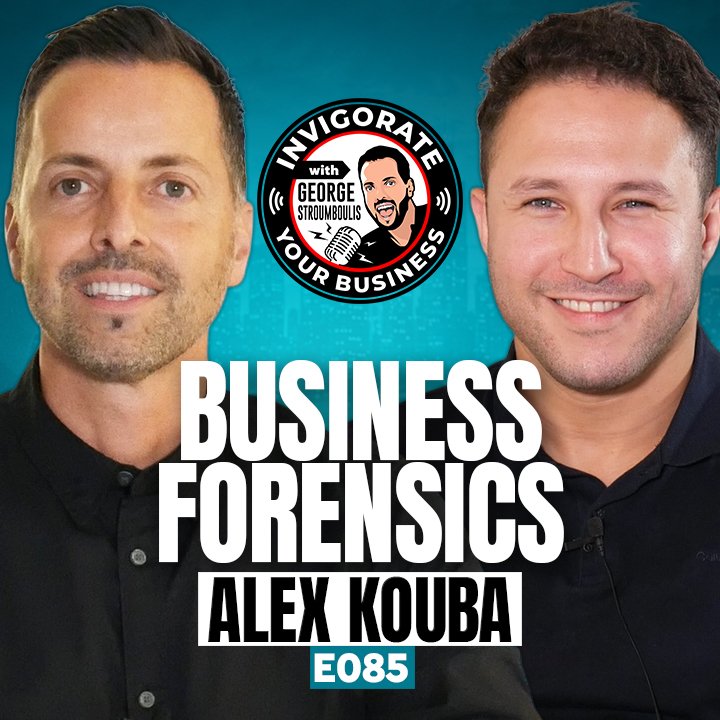


From Washington, D.C., Katerina Sokou joins George Stroumboulis to explore U.S.-Greece business relations, the role of AmCham USA, and opportunities in energy, defense, technology, and biotech.