
U.S.-GREECE BUSINESS RELATIONS & GLOBAL OPPORTUNITIES WITH KATERINA SOKOU | E087
EPISODE OVERVIEW
What does Greece’s next chapter mean for American businesses? In this episode of Invigorate Your Business, George Stroumboulis sits down in Washington, D.C., with Katerina Sokou, Executive Director of the American-Hellenic Chamber of Commerce USA, to explore the people, policies, and partnerships shaping the U.S.-Greece economic relationship.




ABOUT THE GUEST
Katerina Sokou is Executive Director of the American-Hellenic Chamber of Commerce USA, based in Washington, D.C. Her work focuses on strengthening business, investment, and economic connections between the United States and Greece.
She is a nonresident senior fellow at the Atlantic Council’s Europe Center, a research fellow at ELIAMEP, and a guest columnist at Kathimerini. A former Washington correspondent for Kathimerini and SKAI TV, she covered U.S. politics, U.S.-Greece relations, and the Greek financial crisis. She also founded News Intelligence, a communications consultancy. In this conversation, she brings that background in journalism and economic diplomacy to the practical question of how businesses can build relationships across the Atlantic.
Katerina’s LinkedIn: https://www.linkedin.com/in/katerinasokou/
American-Hellenic Chamber of Commerce USA: https://amchamgr-us.org/
Katerina Sokou: Atlantic Council: https://www.atlanticcouncil.org/expert/katerina-sokou/
Katerina Sokou: ELIAMEP: https://www.eliamep.gr/en/human_resources/katerina-sokou/
Kathimerini: https://www.ekathimerini.com/
George Stroumboulis sits down with Katerina Sokou, Executive Director of the American-Hellenic Chamber of Commerce USA and international affairs expert. Recorded in Washington, D.C., they explore Greece's economic transformation, its growing relationship with the United States, international investment, and new opportunities for businesses expanding across borders.
“There are pockets of excellence in Greece, and they have been there all along.”
INSIDE THIS EPISODE
Why AmCham Greece established a Washington, D.C., office and how it connects businesses in both countries.
The strategic relationship and people-to-people ties behind U.S.-Greece cooperation across administrations.
How Chamber membership can support networking, information, advocacy, and introductions in Greece.
Greece’s business environment, private-sector growth, and the obstacles Katerina believes still need attention.
Greek-American entrepreneurship, adaptability, resilience, and the diaspora’s role in Greece’s economic future.
Katerina’s view of political continuity, investor confidence, and Greece’s longer-term economic direction.
Reporting from Washington during the 2015 Eurozone crisis and the responsibility of covering a national turning point.
Energy infrastructure, defense partnerships, applied technology, and U.S. support for Greek biotech innovation.
The transition from reporting on policy to setting priorities and measuring progress as an executive.
George Stroumboulis sits down with Katerina Sokou, Executive Director of the American-Hellenic Chamber of Commerce USA and international affairs expert. Recorded in Washington, D.C., they explore Greece's economic transformation, its growing relationship with the United States, international investment, and new opportunities for businesses expanding across borders.
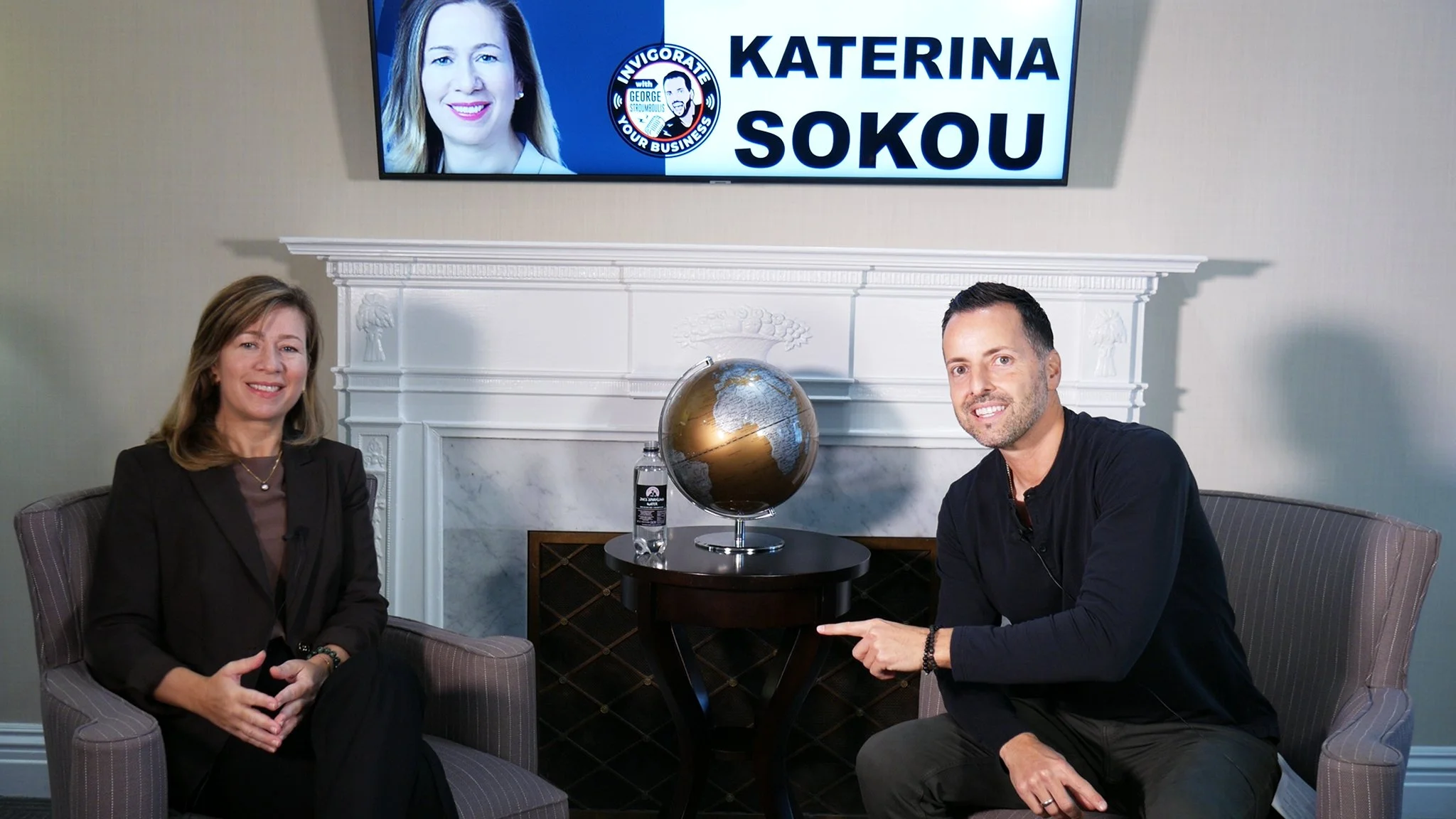
George Stroumboulis sits down with Katerina Sokou, Executive Director of the American-Hellenic Chamber of Commerce USA and international affairs expert. Recorded in Washington, D.C., they discuss the evolving business relationship between Greece and the United States, international investment, economic diplomacy, and opportunities for entrepreneurs expanding across borders.
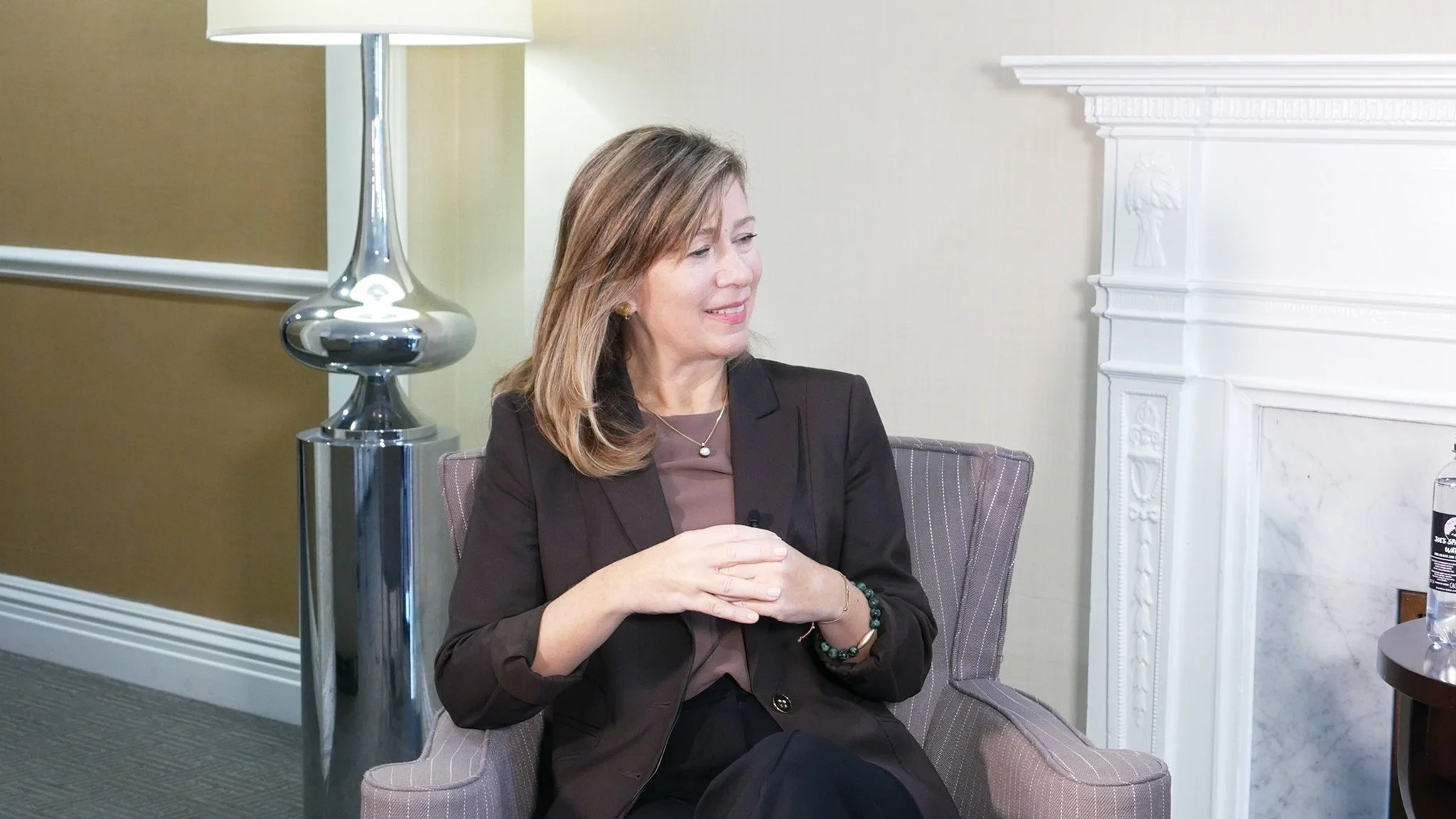
George Stroumboulis sits down with Katerina Sokou, Executive Director of the American-Hellenic Chamber of Commerce USA. Recorded in Washington, D.C., they explore how geopolitics influences international business, the evolution of U.S.-Greece economic relations, and the opportunities connecting investors, entrepreneurs, and businesses across both countries.
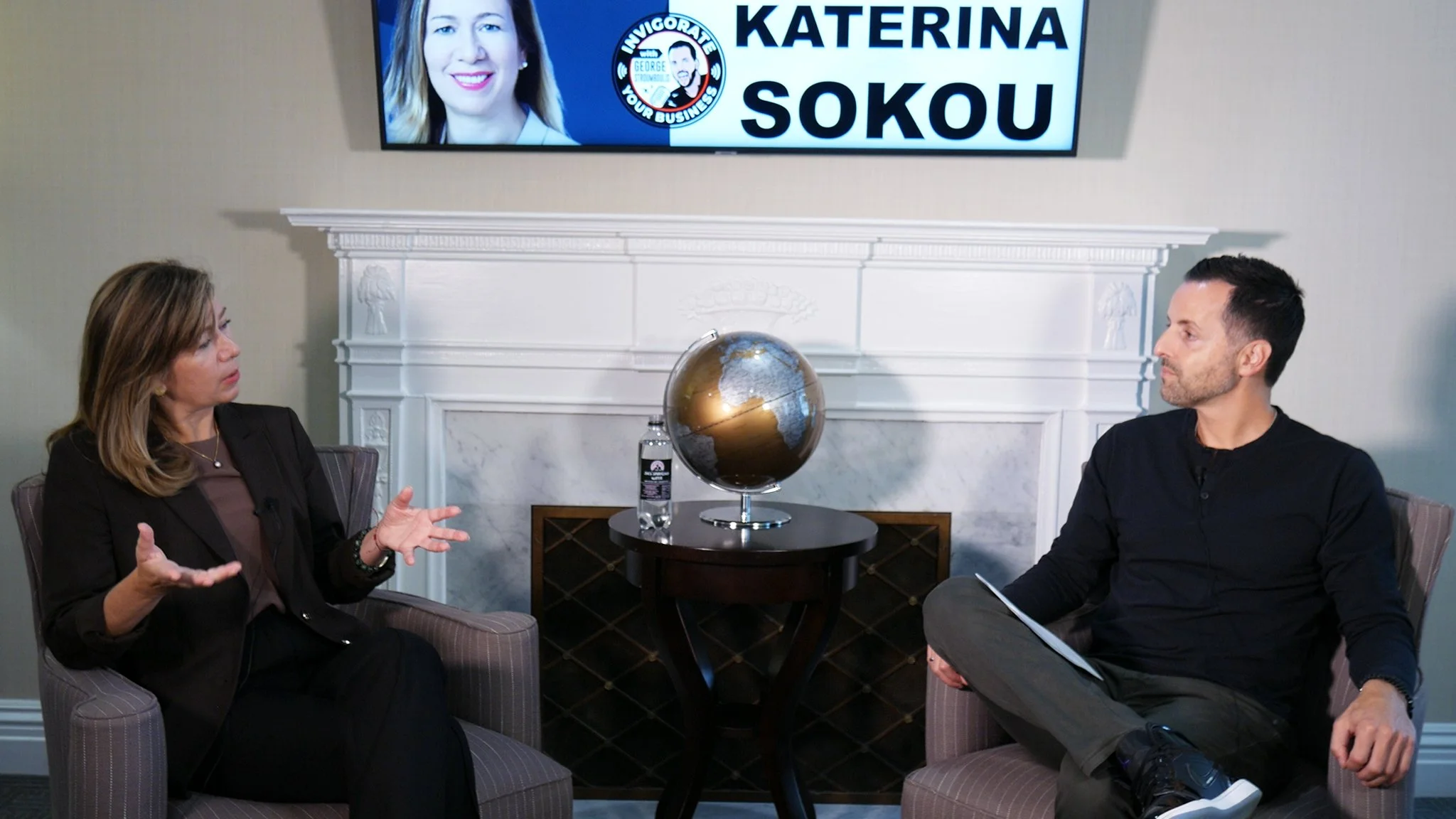
George Stroumboulis sits down with Katerina Sokou, international affairs expert and longtime Washington correspondent. Recorded in Washington, D.C., they discuss the growing economic partnership between Greece and America, the influence of the Greek diaspora, international trade, and the future of Greek entrepreneurship on the global stage.
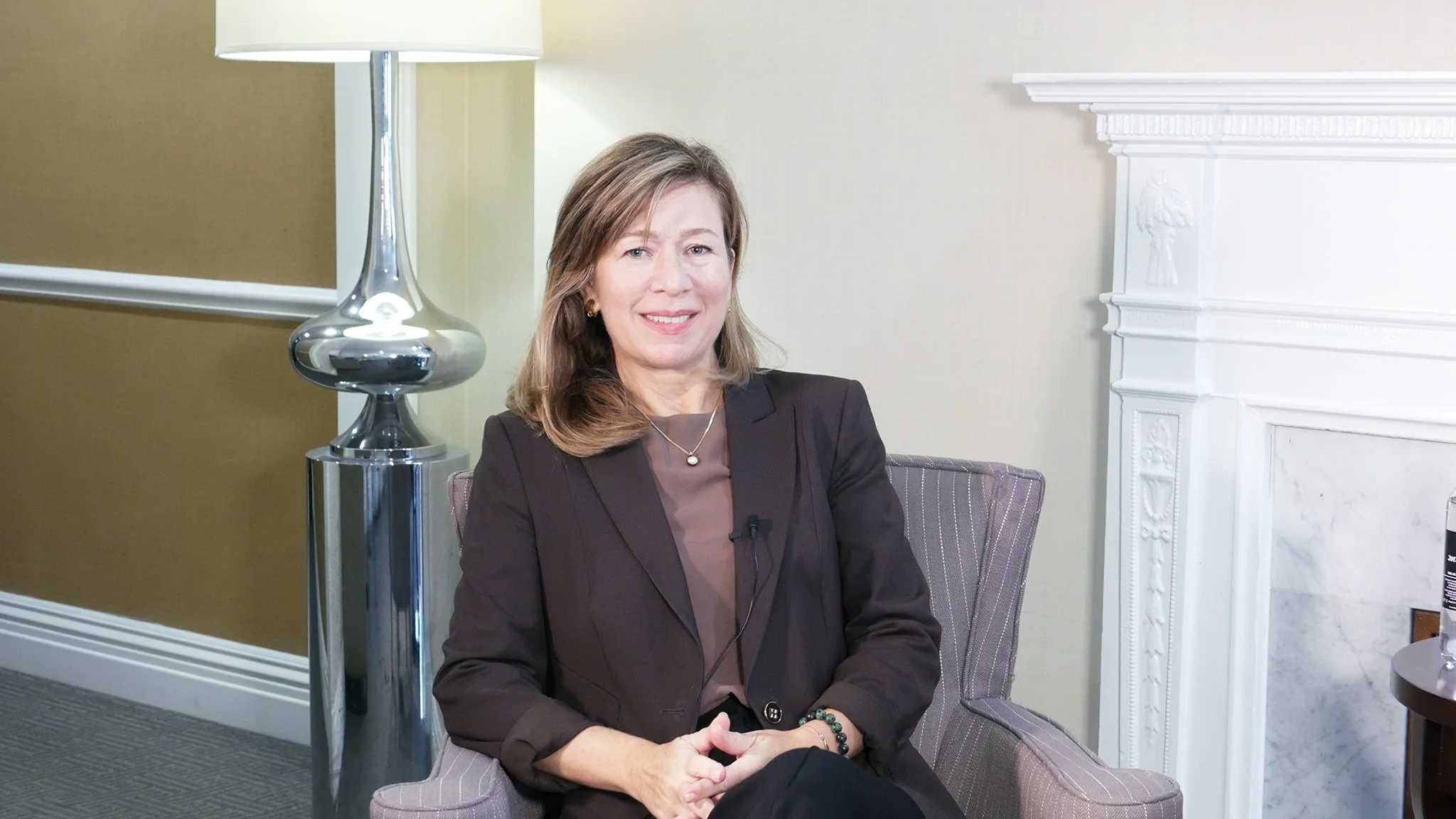
George Stroumboulis sits down with Katerina Sokou, Executive Director of the American-Hellenic Chamber of Commerce USA and international affairs analyst. Recorded in Washington, D.C., they examine Greece's evolving role in the global economy, U.S.-Greece business relations, foreign investment, and the opportunities emerging through stronger international partnerships.
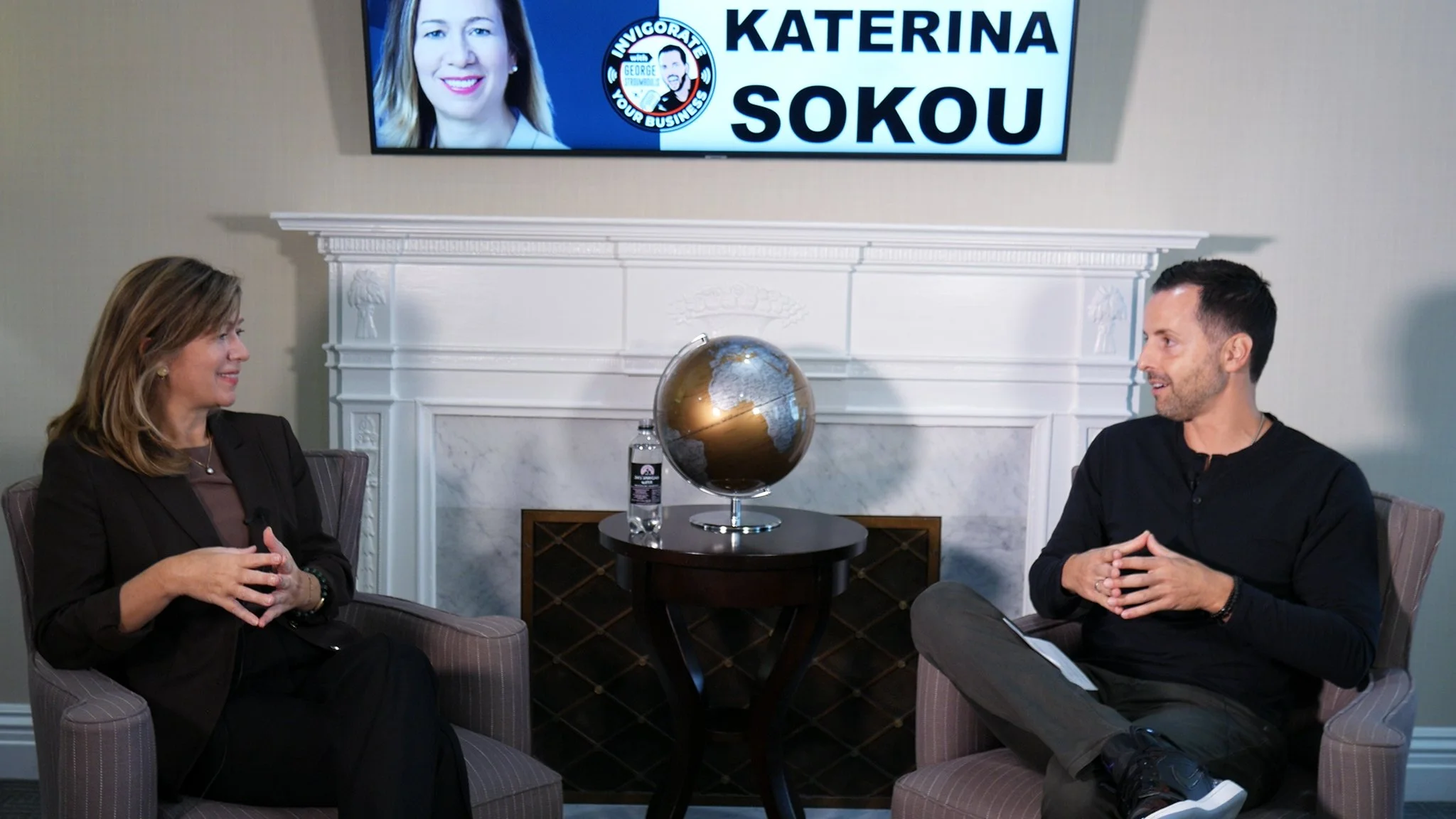
George Stroumboulis sits down with Katerina Sokou, Executive Director of the American-Hellenic Chamber of Commerce USA. Recorded in Washington, D.C., they explore how geopolitics influences international business, the evolution of U.S.-Greece economic relations, and the opportunities connecting investors, entrepreneurs, and businesses across both countries.
ABOUT THE “INVIGORATE YOUR BUSINESS” PODCAST
The Invigorate Your Business with George Stroumboulis podcast features casual conversations and personal interviews with business leaders in their respective fields of expertise. Crossing several industry types and personal backgrounds, George sits down with inspiring people to discuss their business, how they got into that business, their path to the top of their game and the trials and tribulations experienced along the way. We want you to get inspired, motivated, and then apply any advice to your personal and professional lives. If there is at least one piece of advice that resonates with you after listening, then this podcast is a success. New episodes weekly. Stream our show on Spotify, YouTube, Apple, Amazon and all other platforms.
ABOUT GEORGE STROUMBOULIS
George Stroumboulis is an entrepreneur to the core, having launched several ventures across multiple industries and international markets. He has held senior-level positions at progressive companies and government institutions, both domestically and internationally, building an extensive portfolio of business know-how over the years and driving profit-generating results. George’s ability to drive real change has landed him in several media outlets, including the front page of the Wall Street Journal. George was born in Toronto, Canada to his Greek immigrant parents. Family first. Flying over 300,000 miles a year around the world puts into perspective how important family is to George’s mental and emotional development. With all this travel to global destinations, the longest he stays even in the most far-out destination is 3 days or less - a personal rule he lives by to make sure he is present and involved in family life with his wife and three daughters. To read about George’s global travels, stay connected with his blog section.
STAY CONNECTED WITH GEORGE STROUMBOULIS
STREAM & LISTEN TO THE PODCAST:
SPOTIFY: https://open.spotify.com/show/1rW2CmxQoiJNEPOZupJlvd
YOUTUBE: https://www.youtube.com/user/Stroumboulis
APPLE iTUNES: https://podcasts.apple.com/us/podcast/invigorate-your-business-with-george-stroumboulis/id1607693240
AMAZON MUSIC: https://music.amazon.com/podcasts/8fc03929-71b3-483a-a64e-153e30b3d462/invigorate-your-business-with-george-stroumboulis
STROUMBOULIS SITE: https://www.stroumboulis.com/podcast
PODCAST SITE: http://www.invigorateyourbusiness.com
FOLLOW GEORGE STROUMBOULIS:
INSTAGRAM: https://www.instagram.com/georgestroumboulis/
YOUTUBE: https://www.youtube.com/user/Stroumboulis
LINKEDIN: https://www.linkedin.com/in/Stroumboulis/
TWITTER: https://twitter.com/Stroumboulis
FACEBOOK: https://www.facebook.com/georgestroumboulis
TIKTOK: https://www.tiktok.com/@georgestroumboulis
CONTACT GEORGE DIRECTLY: https://www.stroumboulis.com/connect
FULL SHOW CONTENTS
0:00 Welcome And Guest Introduction
3:17 Why Open A Washington Office
6:30 Why US Greece Ties Endure
9:40 A Practical Gateway For US Firms
13:50 Making Greece More Business Friendly
18:50 Political Stability And Investor Confidence
20:40 Inside The 2015 Eurozone Cliffhanger
23:55 Growth Sectors Energy Defense Tech Biotech
29:55 Leadership Reflections And Closing Ask
FULL SHOW TRANSCRIPT
Welcome And Guest Introduction George Stroumboulis 0:00
Welcome to another episode of Invigorate Your Business with George Stroumboulis. Today's episode comes from the nation's capital, Washington, D.C. I get to sit down with Katerina Sokou. Katerina is currently the executive director of the American Hellenic Chamber of Commerce here in the USA. Formerly, she was one of Greece's most reputable journalists, reporting on some of the biggest stories affecting Greece over the last two decades. Katerina is at the forefront of all business relations between the United States and Greece. We're going to talk about so many things today, what it means to be a business here, wanting to export into Greece, build relationships, extend your business. Katerina is an expert. We're going to learn a lot from what she and her organization are doing. So enjoy this episode starting now. My name is George Stroumboulis, and I'm extremely passionate about traveling the world, meeting new people, and learning about new businesses. Join me as I sit down with other entrepreneurs to learn about their journeys. This episode of Invigorate Your Business starts now. Recording. We're ready to go. Microphone is perfect. Okay, so we're gonna start here. I'm sitting down. I've been wanting to talk with you for a long time. Anytime there was something going on in Greece politically, uh whatever it was over the last while, like you were always there reporting at the heart of it. You have a very serious, reputable reputation, right, when it comes to reporting between relations in Greece, uh, United States, Canada. So I'm happy to be sitting down with you today.
Katerina Sokou 1:42
Same with me. It's great to be here.
George Stroumboulis 1:43
Awesome. I'm gonna start off with a little introduction. I think it's very important for the listeners to understand the caliber that I'm sitting down with and then what your role is today. So I'm gonna start with a little intro. Let's see if we got this right, okay? So today I'm joined by someone who has spent more than a decade at the intersection of business, economics, journalism, geopolitics, and US Greece relations. Katerina Sokou is the executive director of the American Hellenic Chamber of Commerce USA, where she works to strengthen business, investment, and economic ties between Greece and the United States. Before stepping into that role, Katerina spent more than a decade reporting from Washington, D.C. as Kathimerini's Washington correspondent and columnist, covering major political and economic developments from the State Department, U.S. Treasury, IMF, and other institutions at the center of global decision making. She is also a non-resident senior fellow at the Atlantic Council, previously served as Skai TV's Washington correspondent, and founded News Intelligence, an advisory firm focused on geopolitics, financial diplomacy, and strategic communications. Few have had a closer view of how relationships between Greece and America have evolved. Today we're going to talk about the new Greece, why international businesses and investors are paying attention, the growing economic relationships with the United States, the power of the Greek diaspora, and where the biggest opportunities may be heading next. Katerina, thank you for sitting down with me.
Katerina Sokou 3:06
Thank you. That was pretty extensive and uh correct, of course.
George Stroumboulis 3:10
Was it correct? Yes, I did. The last thing I want to do is misrepresent any facts when I'm sitting down with you. So, Katerina,
Why Open A Washington Office George Stroumboulis 3:17
let's start today. Um, what is your new role and what you're doing with the American uh Hellenic Chamber of Commerce?
Katerina Sokou 3:23
So we decided to open an office in Washington, DC. Of course, AMCHAM Greece has been a stalwart in US-Greece relations, but from Athens since 1932, when it was founded, to represent the biggest US multinationals that were uh active in Greece in the region. And um it's grown. It's been one of the biggest uh in Europe, big biggest AMCHAM in Europe. And um, given the momentum in the US-Greece relationship, the business interest increase after the Greek financial crisis, but also the Greek American community here, which is very big and increasingly interested in participating in this Greek economic recovery, we thought that an office in DC in Washington, and of course with uh outreach throughout America, will actually capture this momentum and facilitate this bridge between uh our two countries on the economy and business front.
George Stroumboulis 4:16
Absolutely. So, from the journalist side, right? You were a reporter for how many years? Several years.
Katerina Sokou 4:21
All my career I've been a reporter and up until three years ago. And uh uh even before I came to America, I was a financial reporter. I covered the Greek financial crisis from Greece before I moved here in 2013. So I caught the later part and the height really of the Greek financial crisis uh when I was reporting from Washington. At the time, we weren't even uh interested in what was going on in the White House, we were covering the IMF because uh Greece was in the middle of the, of course, this bailout program, and that was everything that the Greeks were interested in, right? It was all that uh was our preoccupation. And so, yes, you were right in your introduction that uh we've been through thick and thin in um uh the coverage of uh US-Geece relations. Of course, bilateral relations strategically have always been strong. But what I've experienced since 2013 that I've been in this town in Washington is this growth, this deepening of the relationship through administration, different administrations, even though the climate in Washington was becoming more polarizing uh while I've been here, the Greek US Greece relationship has always been uh a bipartisan strategic interest for the US and since 2015 and uh uh the Greek financial crisis and the way that the US administration helped Greece avoid the exit from the Eurozone.
George Stroumboulis 5:44
Yes.
Katerina Sokou 5:45
On the Greek side as well, it was the first time that the leftist government actually thanked publicly the Americans about their support in keeping Greece in the Eurozone. And uh so so the relationship has changed, it's become broader and deeper. And that brings us to the opportunity, of course.
George Stroumboulis 6:01
So, really quick, not and again, as a political journalist, you you always have to stay neutral, and you've always done this from what I've read over the years, right? Because I'll always see when I would see your name assigned to an article, I'm like, okay, these are the closest to the facts that probably exist out there. Like you you had this reputation, you have this reputation. You've seen Obama, you've seen Trump, you've seen Biden, you've seen Trump again, pre-Bobama. What has changed from the ties? Like Greece has changed, it was going through a lot, now it's in
Why US Greece Ties Endure George Stroumboulis 6:30
everyone wants to invest in Greece. Yes. But what have you seen? Like, why have these two countries maintained good ties over the years, regardless of administration?
Katerina Sokou 6:38
I mean, the bilateral relationship US-Geece ever since the Second World War has been a strategic one. Uh very, very important strategic interest, not just for our region or our part of the world, or the bilateral relationship, but globally were influenced by keeping Greece in the West. Right? And that the latest episode was that was during the Greek financial crisis. So during uh throughout the decades, this has been the basis of the relationship, supported always by the strong people-to-people ties because of the many millions of uh Greek Americans uh in in this uh country, uh but also the close historic cultural ties between the two countries. So this has always been the basis of the relationship, and uh trade kind of followed. Yes. Uh and now that the strategic relationship is gaining new importance in the wider region of Eastern Europe, uh through the Eastern Mediterranean, the global routes of trade, uh, Greece is becoming an important hub for energy, for um the international trade, even technology is uh increasingly becoming a very lively part of the ecosystem in Greece and partnerships with the US in various different fields from AI to biotechnology. These uh these relationships are always there thanks to the people-to-people ties. And uh as an institution, as an institution, as Amtsum Greece, we want to help promote it, make it deeper, expand it, and uh that's why we're reaching out actually to US membership that can uh uh to empower them to participate in the Greek economy through, of course, uh because I I like to say AMTEM is one of the biggest uh representation, best representations of the most dynamic and extroverted and competitive part of the Greek economy.
George Stroumboulis 8:42
Yes.
Katerina Sokou 8:43
So uh it's a good entry point if you want to invest in Greece or explore investing in Greece. We do a lot of conferences around the year in Greece, including our our biggest one in December with the Greek Prime Minister at the Greek Economic Summit. And of course, our program in uh in the US includes a lot of events for our members here in Washington, but also increasingly around the United States.
George Stroumboulis 9:08
Yeah, absolutely. So I'm a member, I'm a newer member, and I'm I'm excited to be part of this. Uh, the only American chamber that I've ever been part of was with China several years ago when we were working there, and I still have some factory relationships there. This one I'm excited about just because the type of people, especially in Washington, you have a restaurant owner who wants to be a member because they want to expand their brand over there. You have people who own uh sports teams here who are trying to invest there. It's it's a very dynamic and diverse group, right? Of Greeks
A Practical Gateway For US Firms George Stroumboulis 9:40
here that want to be a member. So, what why should a local American business, someone based in Boston, Los Angeles, you know, thinking about going to Greece, why should they be a member of the American Hellenic Chamber?
Katerina Sokou 9:52
Because as a member of Amtsum Greece, you're partaking in the economic uh life of Greece itself. You're also a member in Amtsum Greece in Greece. And uh this means that you become privy to the information, the networking, the advocacy opportunities, the connecting, of course, part, the networking part is very important. And as we are based in Greece, obviously uh we have always, again, in Greece, we're non-governmental, of course, and uh we are non-uh partisan.
George Stroumboulis 10:24
Yes.
Katerina Sokou 10:25
So uh we have been working with any government that has been in power, and uh we have very good uh working relationship with uh um the major stakeholders of the Greek economy. I mean uh this this is um so if you are planning on traveling to Greece and exploring opportunities there, we are your gateway. But even if you're not planning to travel to Greece anytime soon, we have a lot of information from our US office, and that's the bridging part that we can provide. And you know, Washington, this is a peculiar choice for its chamber because you know it's uh most of the business activity and even the centers of Hellenism, if you're targeting the Greek American community, maybe New York or Chicago, what have you. But Washington enjoys one uh aspect of uh the bilateral relationship that is most prominent, is that a lot of Greek politicians pass through town.
George Stroumboulis 11:19
Yes.
Katerina Sokou 11:20
To meet with US officials, to attend international conferences, IMF World Bank meetings. So last uh last uh fall, around this time, we had the finance minister of Greece tending an investor round table that we organized for him here in Washington, DC, during the IMF World Bank meetings. So that was something that can happen easily in Washington because the finance minister tends to visit this town twice a year.
George Stroumboulis 11:45
Yes.
Katerina Sokou 11:46
Same, of course, with government ministers, we've had the economic advisor to the Prime Minister also advisor members, and of course, so it's it's a place where the US and Greece come together in America in a in a way of in the policy world that can also interest our members about opportunities, especially as the Greek government has been providing all these tax benefits and other other incentives for people to invest in Greece, to move to Greece, to spend a little time in Greece if they want to, and then come back here. So it it is um as digital nomads, for example. So there are so many different different opportunities that we we want to highlight, and at the same time, you know, this is the policy, I mean, the the capital of uh world politics, and uh uh being here, you can influence a little bit the way through all your programming, the way that America views Greece as a business destination, put it into the policy dialogue uh in the US, highlight the changes because Greece has been changing dramatically in the past 15 years.
George Stroumboulis 12:55
Absolutely.
Katerina Sokou 12:55
And uh just to keep up with what's going on, it's not necessarily easy or uh self-evident. Um it's uh it's something that you have to be on top of it. And we try to do that for our members.
George Stroumboulis 13:08
Yeah, and not through an Instagram reel where you don't know what information you're getting. Like there's real data here. You've sat down with some of the biggest leaders in the world, you've interviewed world leaders, right? That's one side of it as a journalist. Now, how hard or easy was the transition to go from this universe into this universe?
Katerina Sokou 13:25
It's been for me personally, I think I see this as growth in uh my career because I'm actually right now in this executive role that I have, I can use everything that I've learned through my experience as a journalist, and that's a very privileged way to uh experience uh the politics and how the the bilateral relationship and bring
Making Greece More Business Friendly Katerina Sokou 13:50
it into actionable items and strategic priorities that can actually uh work for the business industry as well.
George Stroumboulis 13:59
Yes.
Katerina Sokou 13:59
Using the strategic uh big strategic viewpoint of you know the bilateral relations and where it's going and the key sectors that we're focusing on on energy, defense, what have you, technology, and using all this information to actually inform our analysis and our propositions for our members.
George Stroumboulis 14:19
Yes. How hard is it? So it typically Greeks have a reputation, Greece politics, uh things move slow, it's self-serving. Like there's a lot of negative connotations associated with it, and I I contribute to a lot of those negative connotations. But what's the positive side on legislation, stuff that you're seeing changing to be more business friendly?
Katerina Sokou 14:40
Look, I've always, even at the height of the Greek financial crisis, uh there's always there's not a single Greece, right? There are pockets of excellence in Greece, and they have been there all along. They're hardworking people, they're uh there are excellent, there's excellence in ecosystems, in new technologies, and increasingly, as the private sector is becoming more empowered to drive Greek growth, because uh exports have been going up after the Greek financial crisis uh tremendously. And uh again, uh Greek companies are becoming more extroverted. They want to not just export their product products but also invest abroad. So this is creating a more competitive economy. And of course, you have a government that has been uh really focused on making Greece more business friendly.
George Stroumboulis 15:37
Yes.
Katerina Sokou 15:38
From the your digital interaction with the state as a citizen to uh speeding up, and this is still an issue, uh, the um uh justice system, but they're working actively towards that. Uh so not everything is perfect for sure, but increasingly what I'm experiencing is a bigger part of the economy is joining these um successful sectors that used to be a minority in Greece, uh like far and beyond, but now are coming together to create this dynamism that is already driving the growth of the Greek economy and already changing its structure.
George Stroumboulis 16:17
Absolutely. Absolutely. What what so the the Greeks in Greece and then the Greeks and the Aspara, talk about the Greek Americans for right now. It's the same as Canadians, Australians during the crisis versus now. What what mindset, different shifts have you seen? Because it because people say, ah, Greeks don't work, they're lazy. You'll hear not even close. Greeks are resilient, they work around the clock within the system that they're allowed. Over here, it's an easier system. You wake up, you could start a business in 30 minutes online, right? If you have an idea, I'm not saying it's easy to make money here, but it the infrastructure to want to make money is much easier here in North America. Right? Would you agree with that? Of course, yes.
Katerina Sokou 16:57
I do agree. And I have a theory of about why Greek Americans are so successful in America. That's here. And it has to do with the fact that as a Greek, you have had to be flexible, a quick thinker, to be able to change course if something is not working for you. We've been resilient as a people. And uh this is something that and hard working, and I I I can uh doubt anyone who tells me that Greeks weren't working, maybe in pockets of the public sector, you know, when the incentives were not there back on the day. But certainly after the Greek financial crisis, this is not the case. And um, so I I will I I have this um persuasion I'm of the persuasion that it's these obstacles that uh we have faced throughout our history, and that's not always has to do with you know the way the structure of the state, it also has to do with our history as a nation and what we had to endure to through immigration, you know. It was like uh an experience that has shaped uh our national psyche in a way. So you you want to be successful and you have this love of honor, the philotomo, you want to give back to your community, you want to be respected in your community. It's uh it's an important part of who we are, and I think the Greek Americans exemplify that. And the Greeks were in Greece, when given the opportunity, they can show and they do show that they are excelling as well. And uh yes, if a little bit more structure and uh opportunity presented itself to the Greeks in Greece, yes, they would do wonders away as well, and we're there to open the horizon for them.
George Stroumboulis 18:40
That's amazing. That's amazing. That's a great way of putting it. We're short on time today, right? I know there's a lot of things I want to talk to you about by where you have very big events and people in
Political Stability And Investor Confidence George Stroumboulis 18:50
town today, which is exciting. Talk to me about where we are today. Like another thing that always comes up with people, it's like, ah, the government. What if a new government comes in and then it goes back and then my investment's gone? What level of confidence from your seat can you give someone on what the next administration, like, are there drastic changes that could take place and just throw this off course? You know, like what what what about the next 10 years for Greece?
Katerina Sokou 19:15
Yeah, I'm bored less on Greece in the next 10 years. Uh of course, the political cycle, we're heading towards elections, and this will take place uh most probably in early uh 2027. There may be a couple of elections in order for our electoral system is such that for a government to be formed with majority, we may need uh a couple of elections to get there. So I would expect that by May we'll have another stable government to continue on the policies of business-friendly policies that support Greek economic growth and uh manage the Greek debt, which is still high. So this is existential for Greece. Uh attracting US investment from abroad is existential to managing our high debt load, uh, to stay improving competitiveness again is existential to creating good paying jobs that support and sustain the Greek people in Greece. This is something that I believe any government that will be formed after the elections will continue the path on.
George Stroumboulis 20:21
Absolutely. That that's great. Katrina, how are we doing on time? I know we have a hard okay, good. We we still have some time here. All right. Okay, so like from your journalist days when you were a journalist, obviously this is pre-AI as well. Like you actually had to dive deep. What would motivate you to go and find out about a story? Right? Like if there was something happening,
Inside The 2015 Eurozone Cliffhanger George Stroumboulis 20:40
like would this come from the main office back at Catemarini or Sky or wherever you were working, or was this a curiosity that you wanted to bring out? Like what was that process?
Katerina Sokou 20:50
Yeah, I uh my best stories have been the ones that I I came across. My most successful stories were something it may be some some information that comes almost accidentally, okay and then you build on it too, or a very, very big issue that becomes the topic of the day, and uh because it's so fundamental, like during the Greek financial crisis, you become a part of it in a way.
George Stroumboulis 21:21
Yes.
Katerina Sokou 21:22
So when Greece was uh on the verge of leaving the Eurozone, that was the m arguably the most interesting summer of my career in this town.
George Stroumboulis 21:31
So what year was this town? 2015. Okay, 15. Yes. Give us some details on that.
Katerina Sokou 21:35
That's oh my this um it was the summer when I had a call Saturday morning in my house from a very high-ranking US official who had never spoken to him on the phone. I didn't know even know that he had my phone when he called me to speak to me about the Greek financial crisis and what they were doing. To safeguard Greece and say keep it in the Eurozone. So that was um one of the highlights of when you're really in the middle of a very big story which is formative for to your country as a representative of a very respected and media in in this town, you also become part of the effort in a way to portray the image of how the US in the in in this specific case was viewing the crisis and the situation and how imminent the threat was.
George Stroumboulis 22:38
Were you just like after that call, were you just sitting there like hey I I used to report on the news now this is bigger than just reporting on a story.
Katerina Sokou 22:48
I mean yes we had this feeling I think all the quick journalists in this town we do feel a little bit as representatives of Greece here as well. There's a journalistic part yes for sure and we we like to keep and safekeep our uh ethics about how we go about this profession. But that being said at the same time we always feel a little bit that uh we have an extra responsibility to represent our country here in a way so in a crisis with Turkey or at the high of the Greek financial crisis you do feel the responsibility of the extra national uh kind of emerge responsibility of portraying the news in a way that informs Greece as um accurately as possible and the audience of course but also the policymakers there about what is going on here because Washington of course is so important to the the world and especially to Greece.
George Stroumboulis 23:51
Wow okay so talk to me right now at the American Chamber
Growth Sectors Energy Defense Tech Biotech George Stroumboulis 23:55
uh commerce right Hellenic Chamber of Commerce what are the sectors that you're seeing right here from membership here in the United States and what other sectors would you like to see? Because we want to get people joining this community.
Katerina Sokou 24:08
So we've uh already had sectoral representations and uh a lot of interest on defense we've organized the NISTMED Business Forum for energy and uh that was very successful we brought together three countries Greece, Cyprus and Israel plus the United States that are part of this three plus one initiative in the Eastern Mediterranean and not just their uh top um US officials but also the business people who will build and put substance into this partnership. So that's one that we've already been doing and of course we'll be expanding on that because right now Greece is really turning into an energy hub and there are great opportunities around energy but also around infrastructure to support energy. Yes. So this is a big part.
George Stroumboulis 24:58
Defense really quick before that is that American companies trying to establish in the United States or um Greek companies coming this way? Like for you specifically it's it's to show the interest from here.
Katerina Sokou 25:09
So there are both US companies and investors that are interested in energy infrastructure and opportunities in Greece around this transformation of Greece into this energy hub. Yep. So real estate uh related as well around ports around uh railroads there there's a greater infrastructure that goes with being an energy importer yep uh LNZ or other and of course Greece is a renewable on on renewables is very big uh renewable energy so this is something that again US companies have invested in Greece and uh Greece is presenting steel opportunities in that uh uh in in in that uh field and then you have uh of course the biggest uh multinationals uh severon and ExxonMobil um that are actually exploring the hydrocarbons in the the western part of of Greece so this is another so your qu your the answer would be all of the above. All the above yeah there are opportunities from the highest levels to the uh and of course you know Severon or ExxonMobil doesn't need us here to support uh them but uh that being said they do want to highlight the opportunities that they see in Greece to the Washington policy community so we're there and looking forward to partnering with them on this uh on this opportunity because this also highlights the strategic value of Greece in the bilateral relationship. Absolutely so that's something that we're very interested in. So quickly the other sector is defense I mean we're just having for the 13th year we're organizing the Hellenic Pavilion of Greek defense companies coming to AUSA which is the biggest uh army um uh exhibition in the US here in town starting today so uh we have the inauguration of the Hellenic Pavilion there which is becoming every year it's representing more companies and this reflects the fact that um the Greek defense sector is also transforming into being more technologically savvy international partnerships innovation based there are companies uh from Greece that already uh have established presence in the US and are even supporting the US Army from here. Wow so so these these are companies that are changing the traditional way of how Greece was interacting with the US on defense uh just by buying you know weapons from American companies. Uh and then of course technology which can be implemented in any sector you want I mean from shipping to agriculture to any anywhere that you can help make Greek industry more competitive you can apply some artificial intelligence you know applications and uh drive growth in Greece.
George Stroumboulis 28:01
So this is something that we want to explore even more going forward supporting biotech companies in Greece one of our members patron member is uh a fund that is investing in biotech uh uh startups in Greece coming from the US so importantly US capital coming to Greece to support innovation in Greece on biotech these are all sectors that uh Greece has a competitive advantage and with the help of uh American resources be it capital or know-how or technology or innovation or partnerships people you know they this will actually I think it it can be a turning point a catalyst to the success of the Greek economy not just for the next 10 years but way longer than that absolutely last question because you have to get out of here uh you do you have political aspirations in the future no uh you say no i i'm a political animal don't get me wrong I mean uh I I'm always very interested and I do have opinions yeah right uh uh but uh that being said I would rather provide my um insights and so that's why I think it's important to keep on writing you know my policy reports what have you I uh I'm always very keen on that uh having a public voice is important but that being said I I mean I this role that I'm doing now being executive director gets me into a point where yes actually you have to take some decisions you have to be more executive about things but it's a totally different set of skill set I think to to become a politician uh especially an elected one in Greece Katerina Soku prime minister of Greece in the future honestly though
Leadership Reflections And Closing Ask George Stroumboulis 29:55
like think of the political uh journalism that you've done through the most in modern history the toughest times in Greece right having that reputation I've seen you moderate uh fireside chats with prime ministers with all these leaders right now you're in a position here in Washington the political hub in the world you have to play nice with the embassies with the ambassadors with this with that I have become more diplomatic for a journalist I have to say but uh yes I mean I I'm not gonna play model PM okay there you go that listen I I think uh I I'm excited for you this chapter I was in your office a few months ago and I said like this is like a perfect next chapter in your life like I I truly believe that we're gonna share the links with everyone I would love like from our community from our friends from everyone they should join uh the chamber they should be a part of this movie and thank you for being part of uh this it's a great challenge and a great opportunity because even the the little that we can uh contribute to that makes a change make it if makes a difference and we have huge potential in this country to working closer on economics and uh business with Greece so even if we capture a little bit of that we'll be successful. Absolutely uh really quick are there metrics uh again you don't have to share them but like where you're like hey this is this is my success like this is where we are right now this is where I want to get yes we do have that okay good maybe offline you could share some and I can KPIs yeah KPIs we need those to keep on but uh Katharina thank you for sitting down with me uh it was a quick chat but it's good to get this message out thank you George awesome pleasure to be with you thanks for listening to this episode of Invigorate Your Business with George Strombolis Please hit the subscribe and like button and follow me on all the main podcast streaming channels also please share your comments when you can I appreciate your help in expanding this network to a worldwide audience until next time
U.S.-Greece Business Relations: Investment, Economic Growth & Global Opportunities
The economic relationship between Greece and the United States continues to evolve, creating opportunities for entrepreneurs, investors, and businesses operating across international markets.
As Greece strengthens its position within the European economy and American businesses explore new investment opportunities, the relationship between the two countries extends beyond traditional diplomacy into technology, energy, tourism, international trade, and entrepreneurship.
In an episode of Invigorate Your Business, George Stroumboulis sits down in Washington, D.C., with Katerina Sokou (Κατερίνα Σώκου), Executive Director of the American-Hellenic Chamber of Commerce USA, journalist, and international affairs expert, to explore the economic relationship between Greece and the United States and the opportunities shaping its future.
The relationship between Greece and the United States has expanded beyond traditional diplomatic cooperation into a broader economic partnership involving investment, trade, energy, technology, tourism, and strategic infrastructure.
Greece's position within the European Union, its geographic location in the Eastern Mediterranean, and its established maritime industry make it an important commercial partner for American businesses exploring opportunities in southeastern Europe.
For Greek companies, the United States offers access to a large consumer market, sophisticated financial institutions, technology networks, and international business partnerships.
Several factors are influencing the relationship:
Energy cooperation: Investment in renewable energy, energy infrastructure, and regional connectivity.
Technology and innovation: Partnerships involving startups, digital transformation, research, and emerging technologies.
Tourism and hospitality: International investment in hotels, resorts, tourism infrastructure, and hospitality services.
Trade and exports: Opportunities for Greek manufacturers, food producers, and service providers to expand into American markets.
Strategic investment: American business interest in infrastructure, logistics, technology, and commercial development.
Organizations such as the American-Hellenic Chamber of Commerce USA help strengthen commercial connections by bringing together entrepreneurs, executives, investors, and institutions from both countries.
The broader opportunity is to develop sustainable business relationships that create value on both sides of the Atlantic.
Why Is Greece Attracting International Investment, and Which Industries Offer the Greatest Opportunities?
Greece's investment environment has changed considerably since the country's financial crisis.
Economic reforms, improvements in financial stability, infrastructure development, and renewed international engagement have contributed to a broader range of investment opportunities.
While Greece has traditionally been associated with tourism, shipping, and agriculture, international investors are also examining opportunities in technology, energy, logistics, and specialized manufacturing.
Key Industries to Watch
Tourism and hospitality
Greece's global tourism appeal continues to support investment in luxury hotels, resorts, branded residences, and hospitality infrastructure.
Energy and renewables
Renewable energy generation, electricity infrastructure, energy storage, and regional energy connectivity are important areas of development.
Technology and startups
Greek entrepreneurs are building internationally oriented companies in artificial intelligence, software, financial technology, and other innovation-driven industries.
Shipping and logistics
Greece's maritime expertise, ports, and strategic location provide opportunities in international transportation, logistics, and related services.
Real estate and infrastructure
Commercial development, residential projects, and infrastructure modernization continue to attract attention from domestic and international investors.
What Makes Greece Attractive?
Greece offers several advantages, including European Union market access, a strategic geographic position, established international business networks, and specialized industry expertise.
However, investors must also evaluate regulatory requirements, administrative processes, access to talent, operating costs, and individual project economics.
Long-term investment success depends on strong fundamentals, capable leadership, and sustainable commercial demand rather than geographic advantages alone.
How Can Greek Entrepreneurs and the Greek Diaspora Strengthen Business Opportunities Between Greece and America?
The Greek diaspora represents an important network of entrepreneurs, investors, executives, and professionals with connections across the United States and around the world.
These relationships can create opportunities for Greek businesses seeking international expansion and American companies looking to establish partnerships in Greece.
The Power of International Relationships
For Greek entrepreneurs, entering the American market involves understanding local business practices, customer expectations, regulations, competition, and distribution channels.
Diaspora networks can help businesses connect with experienced professionals who understand both markets.
These connections may provide:
Access to investors and financial institutions.
Introductions to customers and distribution partners.
Mentorship from experienced entrepreneurs.
Strategic partnerships and joint ventures.
Market intelligence and industry expertise.
Opportunities for technology transfer and innovation.
Building Businesses Across Borders
Successful international expansion requires more than a strong product or an established domestic business.
Companies must develop a clear market-entry strategy, understand local regulations, build trusted partnerships, and adapt to different business environments.
For American businesses exploring Greece, local relationships and market knowledge can be equally important.
The Greek diaspora can serve as a bridge between these markets, helping transform cultural and professional connections into meaningful commercial opportunities.
Looking Ahead
The future of U.S.-Greece business relations will be shaped by entrepreneurs, investors, institutions, and business leaders capable of developing sustainable partnerships.
As international markets become increasingly interconnected, opportunities exist for companies that combine innovation, strong execution, and a global perspective.
The greatest opportunity may not simply be increasing trade between Greece and America, but building businesses and partnerships capable of competing globally.
BLOG POST
Investing in Greece Now
How the American-Hellenic Chamber Connects U.S. Businesses to Greece
Greece’s reputation has shifted dramatically since the financial crisis, and that change is at the heart of George Stroumboulis’ conversation with Katerina Sokou, Executive Director of the American Hellenic Chamber of Commerce USA. From Washington, D.C., she explains why “investing in Greece” is no longer just a sentimental diaspora idea, but a real business strategy shaped by stronger U.S.-Greece relations, deeper people-to-people ties, and a more competitive Greek economy. The Chamber’s role is practical: it becomes a credible gateway to networks, information, and advocacy for American companies exploring market entry, partnerships, or expansion into Greece, especially for leaders who want reliable signals beyond social media noise and hype.
A key theme is why the bilateral relationship stays strong across administrations. Katerina frames the U.S.-Greece partnership as long-term and strategic, anchored after World War II and reinforced by the Greek American community and cultural ties. Trade and investment follow strategy, and today the strategy is tied to supply chains, Eastern Mediterranean stability, energy routes, and Greece’s positioning as a regional hub. For US businesses, this matters because stability and alignment reduce friction for cross-border deals, joint ventures, and capital flows. For Greek companies, it creates runway to become more export-driven and outward-looking, moving from survival mode to international competitiveness and, increasingly, investing abroad themselves.
The discussion also gets specific about business climate reform, which is often the deciding factor for small and mid-sized investors. Katerina argues there is “not a single Greece,” pointing to pockets of excellence that existed even at the height of the crisis and have since expanded. Digital government services, a more investment-friendly policy posture, and incentives for relocation and digital nomads all improve the operating environment. Challenges remain, including slow justice processes, but the direction is toward speed, predictability, and private sector growth. Just as important is the mindset shift: Greeks in Greece and the diaspora share resilience, flexibility, and a drive to build reputation and give back, often summed up by the idea of philotimo.
Opportunity sectors surface repeatedly, and they map to where US capital and know-how can accelerate outcomes. Greece is emerging as an energy hub, with renewable energy growth, LNG and related infrastructure, ports, rail, and broader logistics investment. Defense is changing too, moving beyond procurement into innovation, technology partnerships, and Greek defense firms showing up in major US exhibitions and supporting US needs directly. Technology is the cross-cutting layer, from AI applications in shipping and agriculture to a growing startup ecosystem. Biotech also stands out, with US-backed funds investing in Greek biotech startups, signaling that “Greek innovation” is becoming investable at scale. For founders, operators, and investors, the takeaway is clear: Greece’s comeback story is real, and the smartest move is to enter through trusted networks that can translate policy, connect partners, and reduce risk.
EPISODE DESCRIPTION
Greece’s story used to be told through crisis headlines. Now it’s being written through investment, exports, innovation, and a fast-growing web of U.S.-Greece partnerships and it’s happening in sectors that actually move the economy. From Washington, D.C., we sit down with Katerina Sokou, Executive Director of the American Hellenic Chamber of Commerce USA and former journalist who covered the Greek financial crisis from the heart of US policy making. Her view is rare because she’s seen the diplomacy, the data, and the deal flow up close.
We dig into why the U.S.-Greece relationship holds steady across political eras, and how that strategic foundation turns into real business outcomes. Katerina explains why the Chamber opened a DC office, what members gain through credible information and high-trust networking, and how policy conversations in the capital can shape how Greece is understood as a business destination. If you’re a founder, investor, operator, or Greek diaspora leader wondering where the “new Greece” is headed, this conversation gets concrete fast.
You’ll hear where Greece is becoming a hub and why that matters: energy and renewables, LNG and infrastructure, ports and logistics, defense industry modernization, technology and AI applications across sectors, and biotech investment supported by US capital and know-how. We also address the fear every investor names out loud: political change. Katerina shares a grounded outlook on stability, competitiveness, and why attracting foreign investment is existential to Greece’s growth path.
If this helped you rethink Greece as a market, subscribe, share this with a friend who’s exploring global expansion, and leave a review so more listeners can find the show. What sector do you think is Greece’s biggest opportunity over the next five years?
EPISODE FAQ
Who is Katerina Sokou?
Katerina Sokou is Executive Director of the American-Hellenic Chamber of Commerce USA. She is also a nonresident senior fellow at the Atlantic Council, a research fellow at ELIAMEP, and a former Washington correspondent for Kathimerini and SKAI TV.
What does the American-Hellenic Chamber of Commerce USA do?
In the episode, Katerina describes the Chamber’s U.S. office as a bridge between American businesses and Greece. Its work includes sharing information, connecting members, organizing events, and supporting dialogue on trade and investment.
Why did the Chamber open an office in Washington, D.C.?
Katerina explains that Washington brings together U.S. policymakers, visiting Greek officials, international institutions, and business leaders. The office aims to turn those connections and growing bilateral interest into opportunities for its members across the United States.
Which business sectors does Katerina discuss?
The conversation covers energy and supporting infrastructure, defense, technology applications across industries, and biotechnology. Katerina discusses how capital, know-how, and partnerships from the United States can support businesses and innovation in Greece.
What does the episode cover about Greece’s 2015 financial crisis?
Katerina recalls reporting from Washington when Greece was close to leaving the Eurozone. She describes a call from a senior U.S. official and reflects on the responsibility of informing Greek audiences and policymakers during the crisis.
What role can the Greek diaspora play in U.S.-Greece business relations?
George and Katerina discuss the diaspora’s relationships, entrepreneurial experience, and interest in Greece. Katerina sees these connections as a foundation for deeper business partnerships and greater participation in Greece’s economic development.
MORE ABOUT THIS CONVERSATION
Drawing on her years covering Washington for Kathimerini and SKAI TV, Katerina explains why the Chamber opened a Washington office, how its network can help U.S. companies explore Greece, and why she sees potential in energy infrastructure, defense, technology, and biotechnology. She also reflects on reporting through the 2015 Greek financial crisis, the role of the Greek diaspora, and her move from journalism into executive leadership.
MORE EPISODES
From Washington, D.C., Katerina Sokou joins George Stroumboulis to explore U.S.-Greece business relations, the role of AmCham USA, and opportunities in energy, defense, technology, and biotech.