
WORK ETHIC FOR KIDS: DIASPORA VS. GREECE
A look at Greek diaspora work ethic vs. life back home—and what it teaches us about responsibility
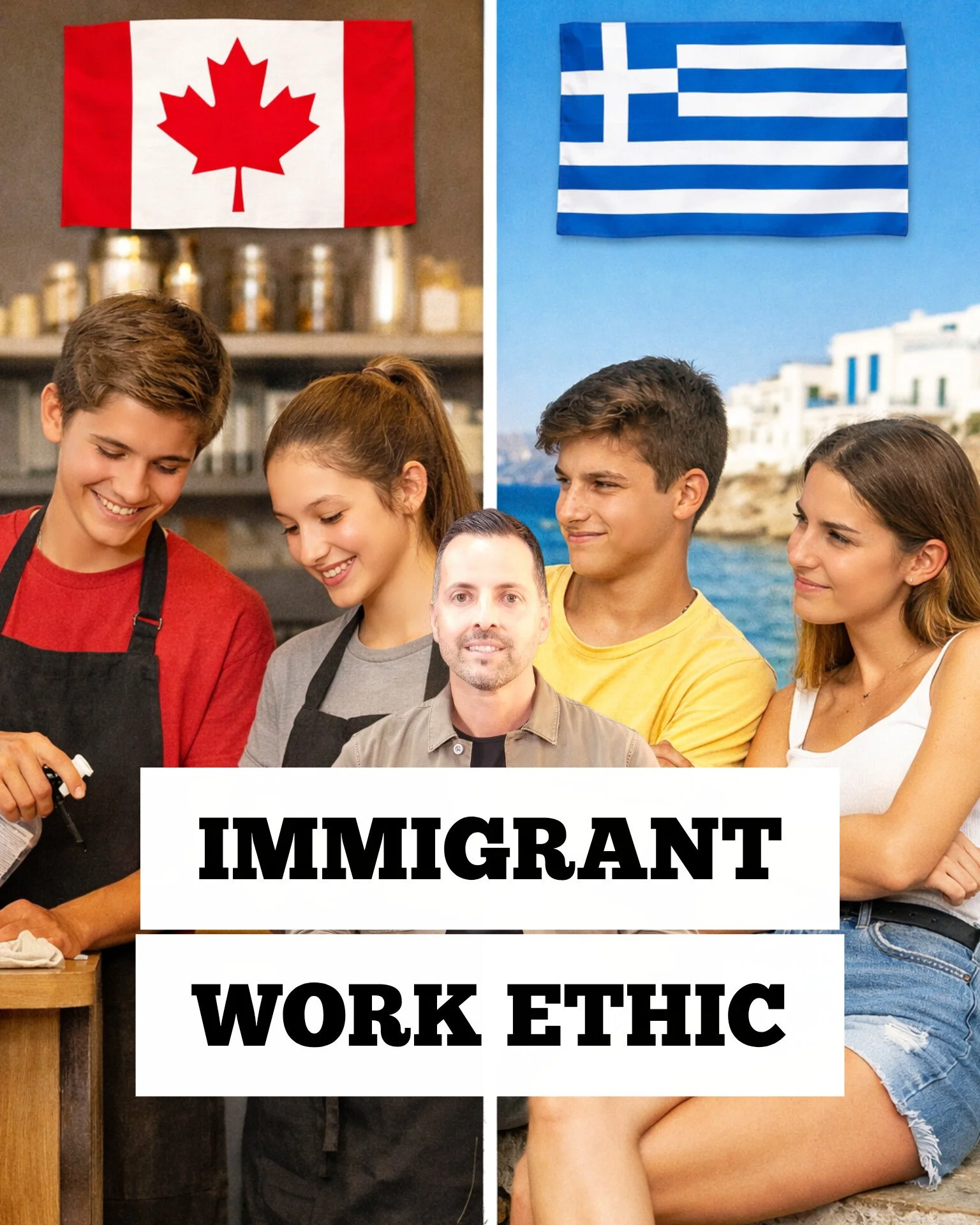
Every summer, I would land in Evia or Kalamata, excited to reconnect with family, soak in the lifestyle, and enjoy everything Greece has to offer. But every time, I noticed the same contrast—and it stuck with me.
Back home, growing up abroad, life looked different. School wasn’t just school. It came with responsibility. We studied, we trained, and we worked—part-time jobs after school, weekends, summers. Not because we had to in every case, but because that was the mindset. You learn early. You earn early. You understand value early.
So I’d go to Greece, sit with my cousins—same age, same stage of life—and ask what they were doing for work. Most of the time, the answer was simple: nothing.
Not out of laziness. Not out of lack of ability. But because the mindset was different. The thinking was, “They worked hard in school all year—they should rest now.”
And on the surface, that sounds fair. But the difference isn’t about working harder—it’s about when you start learning responsibility.
For those of us raised abroad, especially as children of immigrants, there was always this underlying drive. Our parents came from places like Greece to build something better. They worked. They sacrificed. And that translated into how we were raised. You don’t wait to learn how the world works—you start early.
You learn:
How to manage your time
How to deal with people
How to earn money
How to balance pressure
Not later—now. Because those early years matter.
Watching my cousins in Greece, I realized something: they weren’t being set up the same way for that transition into adulthood. They had education, they had family, they had culture—but they were missing that early exposure to responsibility outside the classroom.
And that gap shows up later.
This isn’t about saying one way is right and the other is wrong. Greece offers something incredible—family closeness, lifestyle, balance, joy. Things that are often missing in fast-paced international environments.
But there’s something powerful about combining both worlds. The structure and discipline of working early. With the culture and connection of home.
Because when kids learn responsibility early, they don’t just become workers—they become problem solvers. They become adaptable. They understand value, effort, and accountability in a way that school alone can’t teach.
That’s the difference I saw every summer.
And it’s a reminder: The earlier you learn responsibility, the stronger you become.
“They understand value, effort, and accountability in a way that school alone can’t teach.”
INVIGORATE YOUR BUSINESS PODCAST
George Stroumboulis sits down with Dean Karnazes, world-renowned endurance athlete, bestselling author, and the legendary "Ultramarathon Man." Filmed in Newport Beach, California, they explore the mindset behind extraordinary resilience, pushing beyond perceived limits, and the life lessons endurance can teach entrepreneurs, leaders, and anyone striving for excellence.
George Stroumboulis sits down with Matt Gates, business development executive and sales leader. Filmed in Newport Beach, California, they discuss the principles of high-performance sales, building lasting client relationships, and the mindset required to achieve long-term success in business.
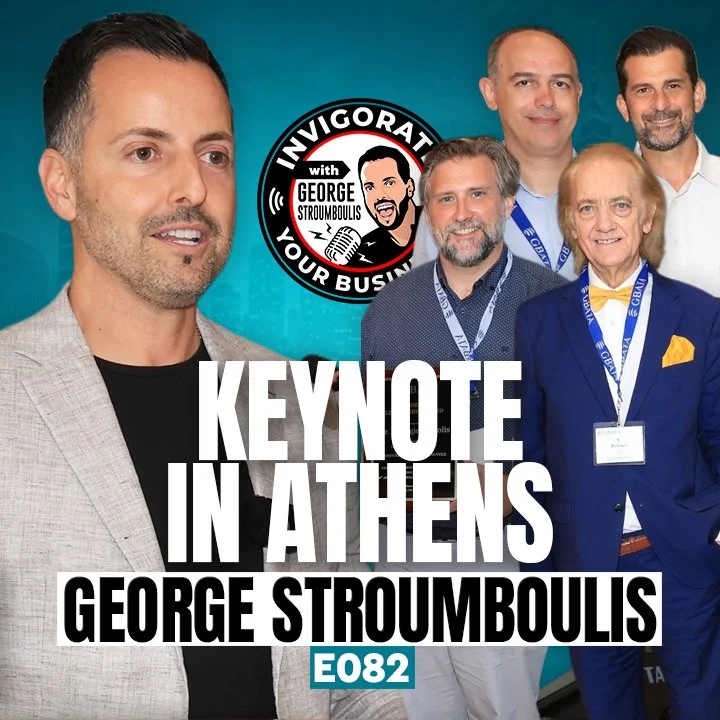
Filmed at the 26th Annual Global Business and Technology Association (GBATA) Conference in Athens, Greece, George Stroumboulis presents his keynote, Building Beyond Borders, sharing practical lessons on leadership, global expansion, and building meaningful relationships that drive lasting business success.
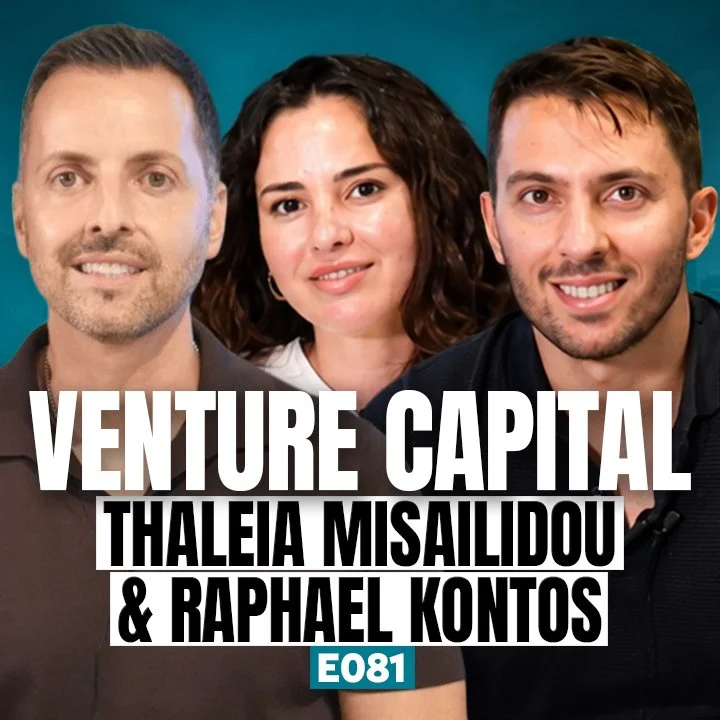
George Stroumboulis sits down with Raphael Kontos and Thaleia Misailidou. Filmed in Athens, Greece, they discuss the growth of Greece's startup ecosystem, venture capital, innovation, and what it takes to build globally competitive companies.
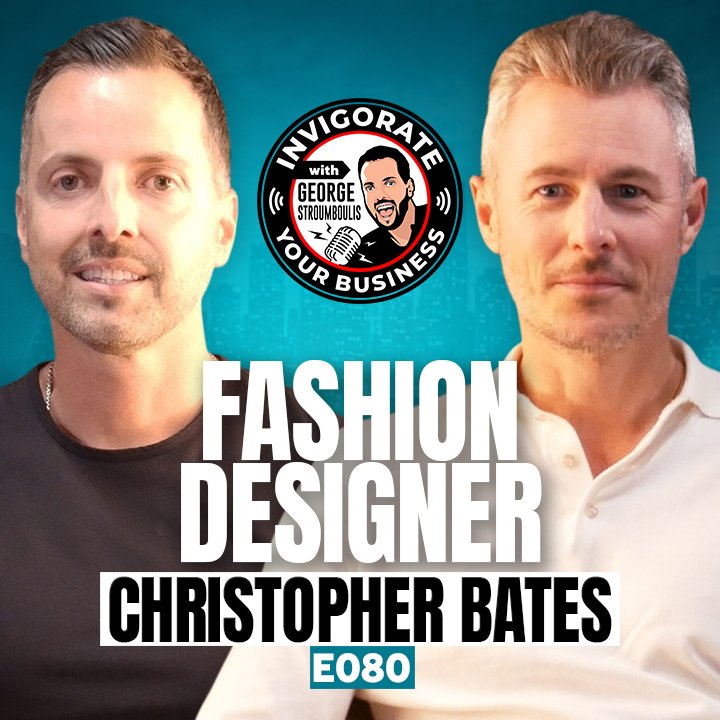
George Stroumboulis sits down with Christopher Bates, founder of the internationally recognized Christopher Bates brand. Filmed in Newport Beach, California, they explore Christopher's journey from studying fashion design in Milan to building a globally respected lifestyle brand known for its sophistication, innovation, and commitment to quality.
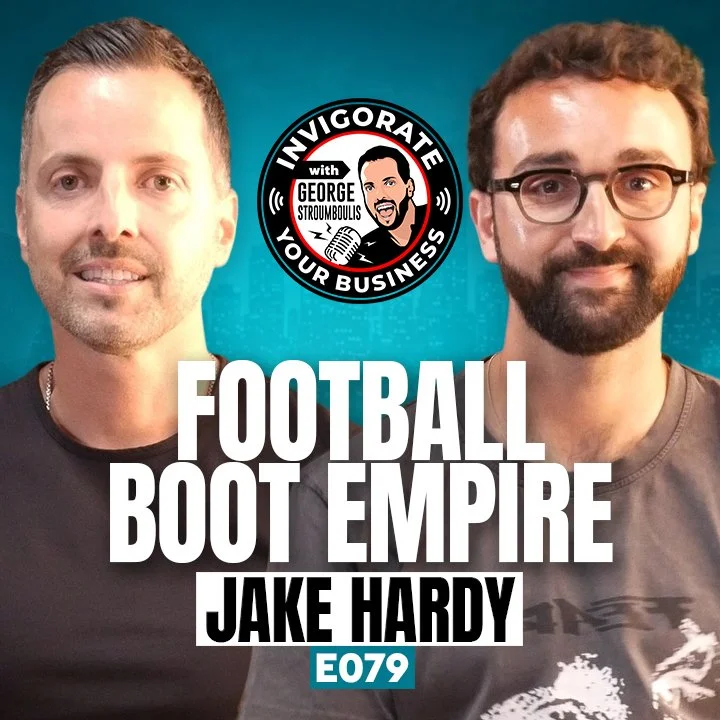
George Stroumboulis sits down with Jake Hardy, founder of SOKITO, the company behind one of the world's most sustainable football boots. Filmed in Newport Beach, California, they explore Jake's journey from identifying a gap in the market to building a purpose-driven brand in one of the most competitive industries in sport.

George Stroumboulis sits down with George Stroumboulopoulos, one of Canada's most influential broadcasters, for an intimate conversation about identity, discipline, and the pursuit of a meaningful life. Filmed in Newport Beach, California, they explore Strombo's journey from pirate radio and MuchMusic to CBC, CNN, and Hockey Night in Canada, sharing lessons on authenticity, resilience, burnout, and the human connections that have defined his career.
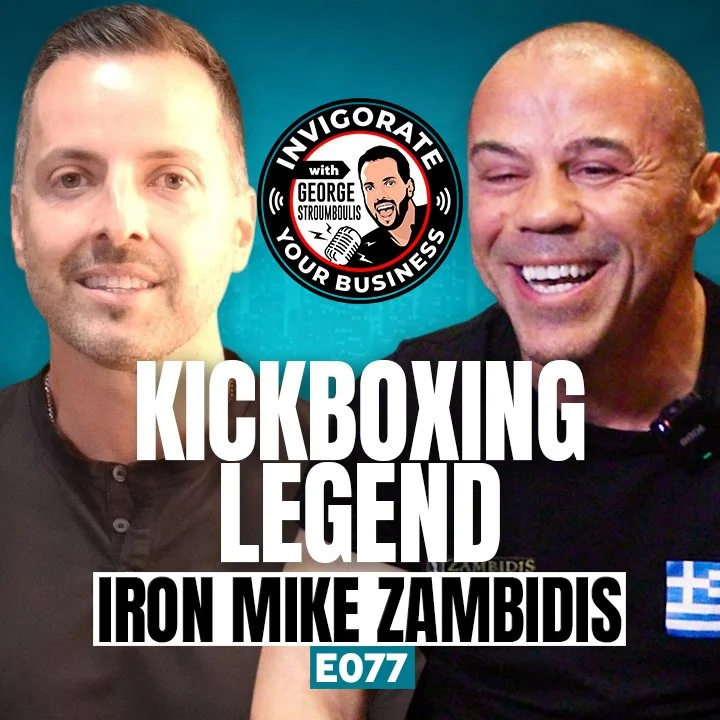
George Stroumboulis sits down with Mike Zambidis, world kickboxing legend and one of the most explosive fighters in combat sports history. Filmed at Zambidis Gym in Glyfada, Athens, Greece, they explored his journey from a young athlete in Athens to becoming an 18 time world champion and international K 1 superstar.

George Stroumboulis sits down with Peter Politis, a seasoned entrepreneur known for buying, scaling, and exiting businesses in highly competitive industries. Filmed in Miami, Florida, they explored his journey from finance into food distribution. Breaking down the mindset, discipline, and execution required to build businesses that scale and sell.
OTHER BLOGS
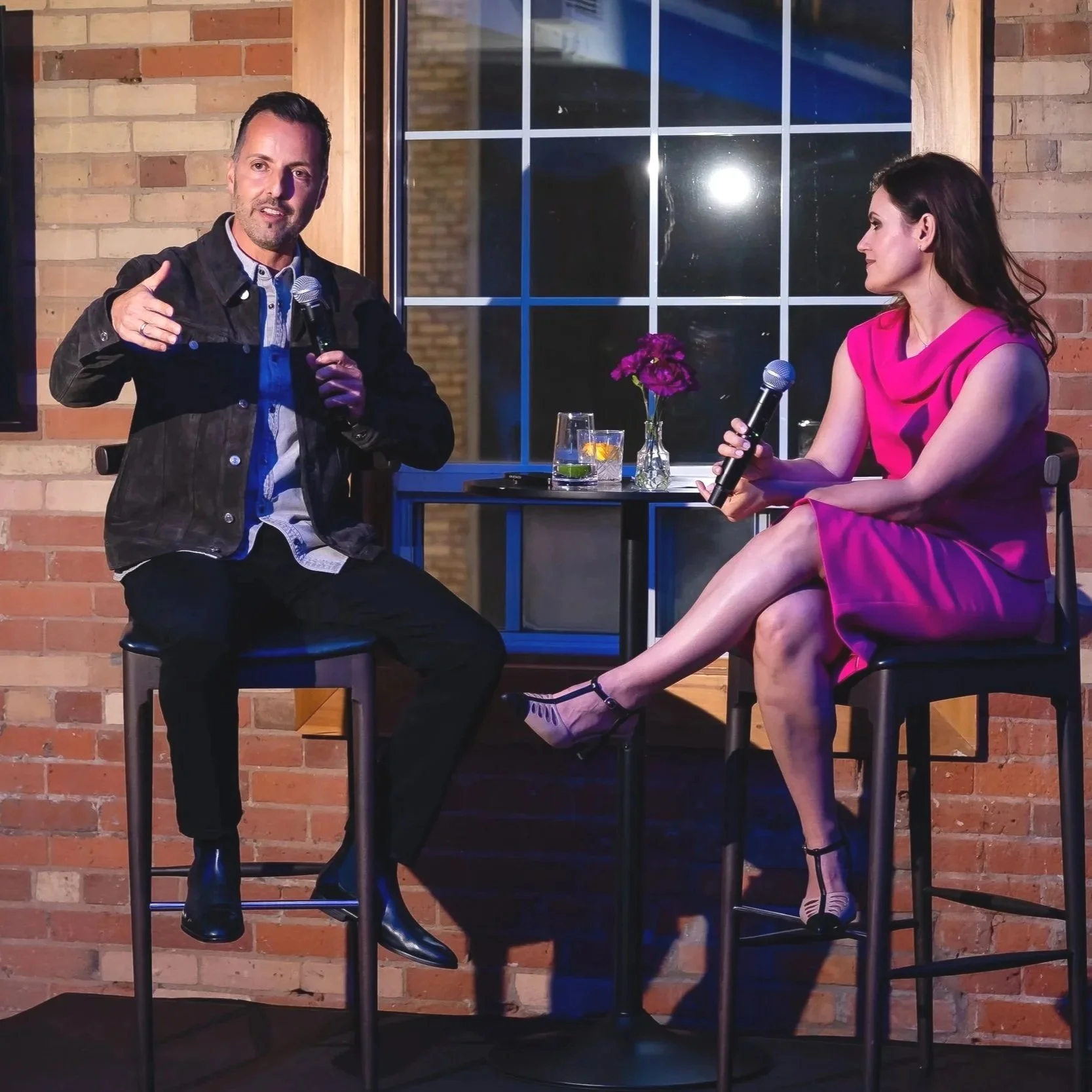
George Stroumboulis joined The Hellenic Initiative Canada’s Accelerate Greece 2026 program in Toronto for a fireside keynote conversation about entrepreneurship, international growth, relationships, resilience, and building businesses beyond borders.
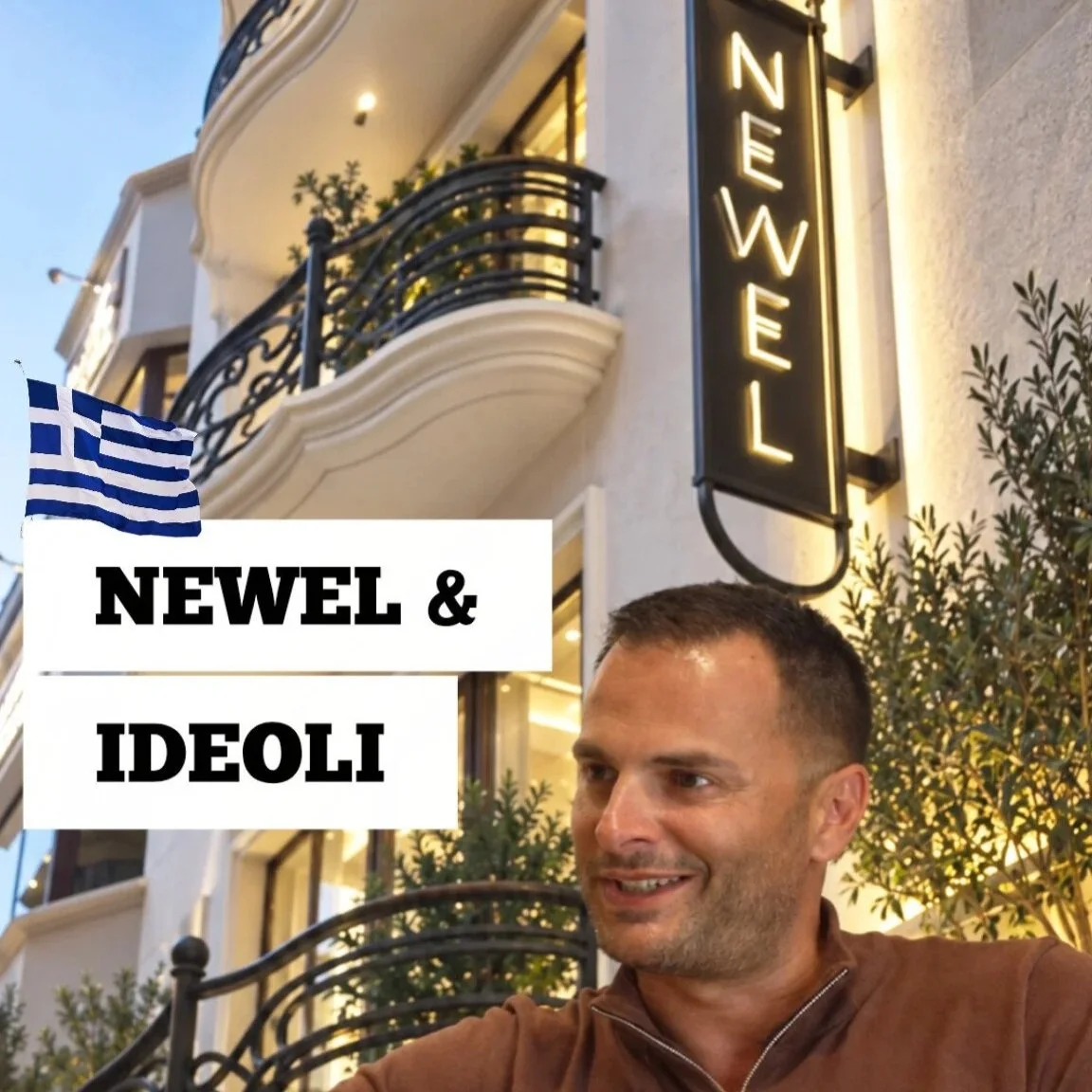
George Stroumboulis sits down with General Manager Spiros Stavrou at The Newel in Kolonaki to discuss boutique hospitality, creating a memorable guest experience, and how lighting helped bring the hotel’s vision to life.
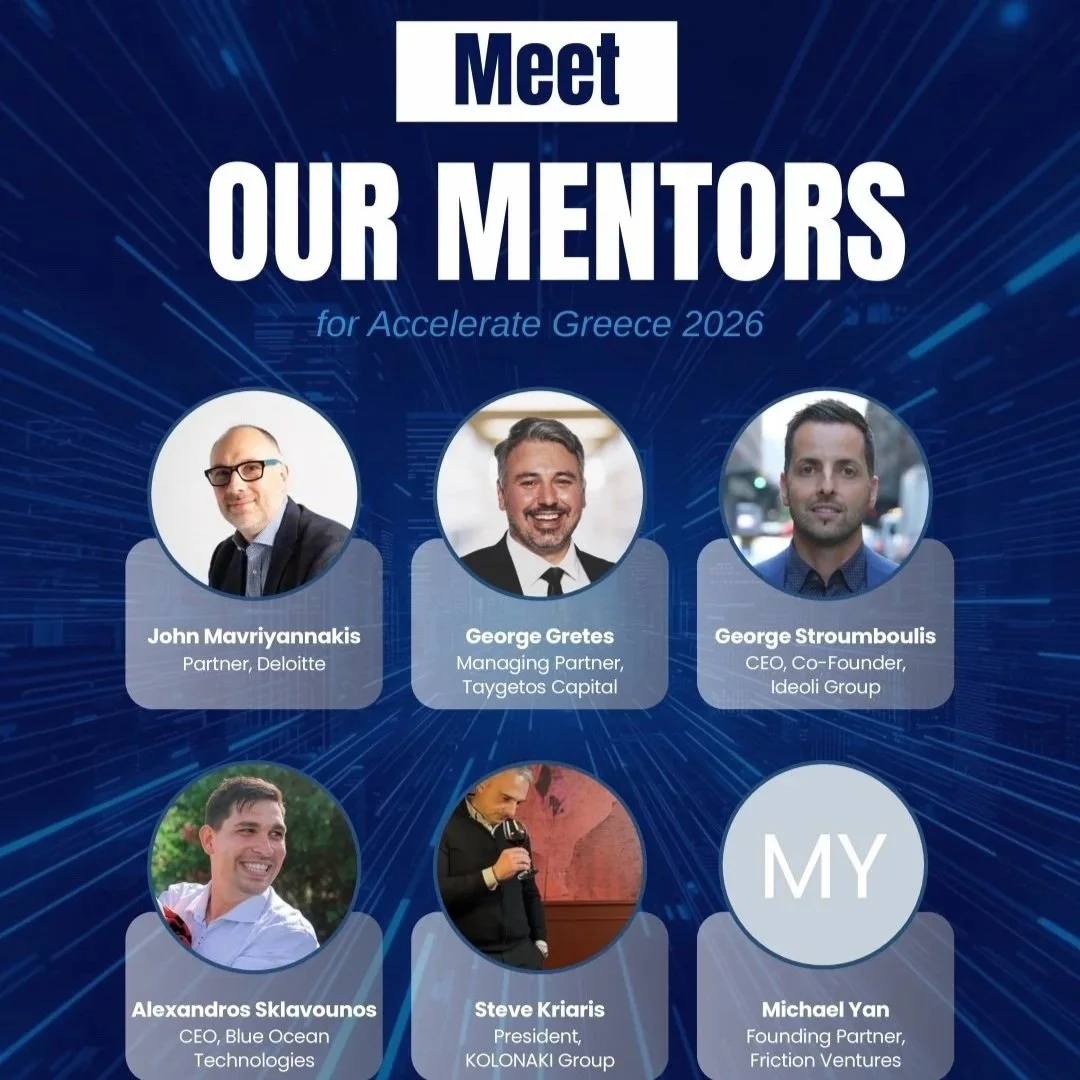
Greek entrepreneurs, investors, executives, and business leaders come together in Toronto to help the next generation of Greek companies build, scale, and compete globally.
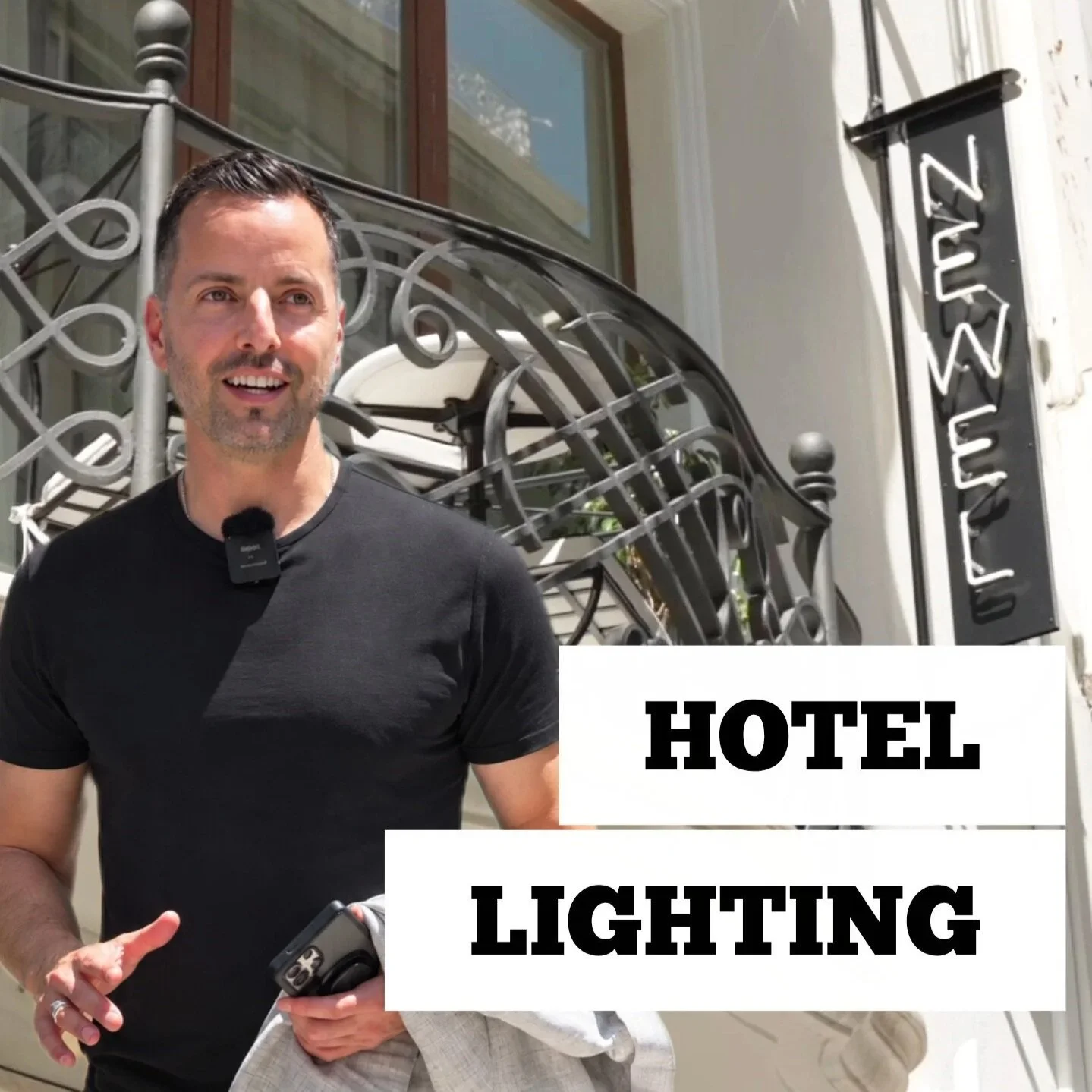
George Stroumboulis visits The Newel in Kolonaki, where Ideoli helped bring the boutique hotel's vision to life through lighting design, specification, procurement, and distribution.

When you're building a company, you expect business challenges. You don't expect to spend your first year fighting to prove your own identity.
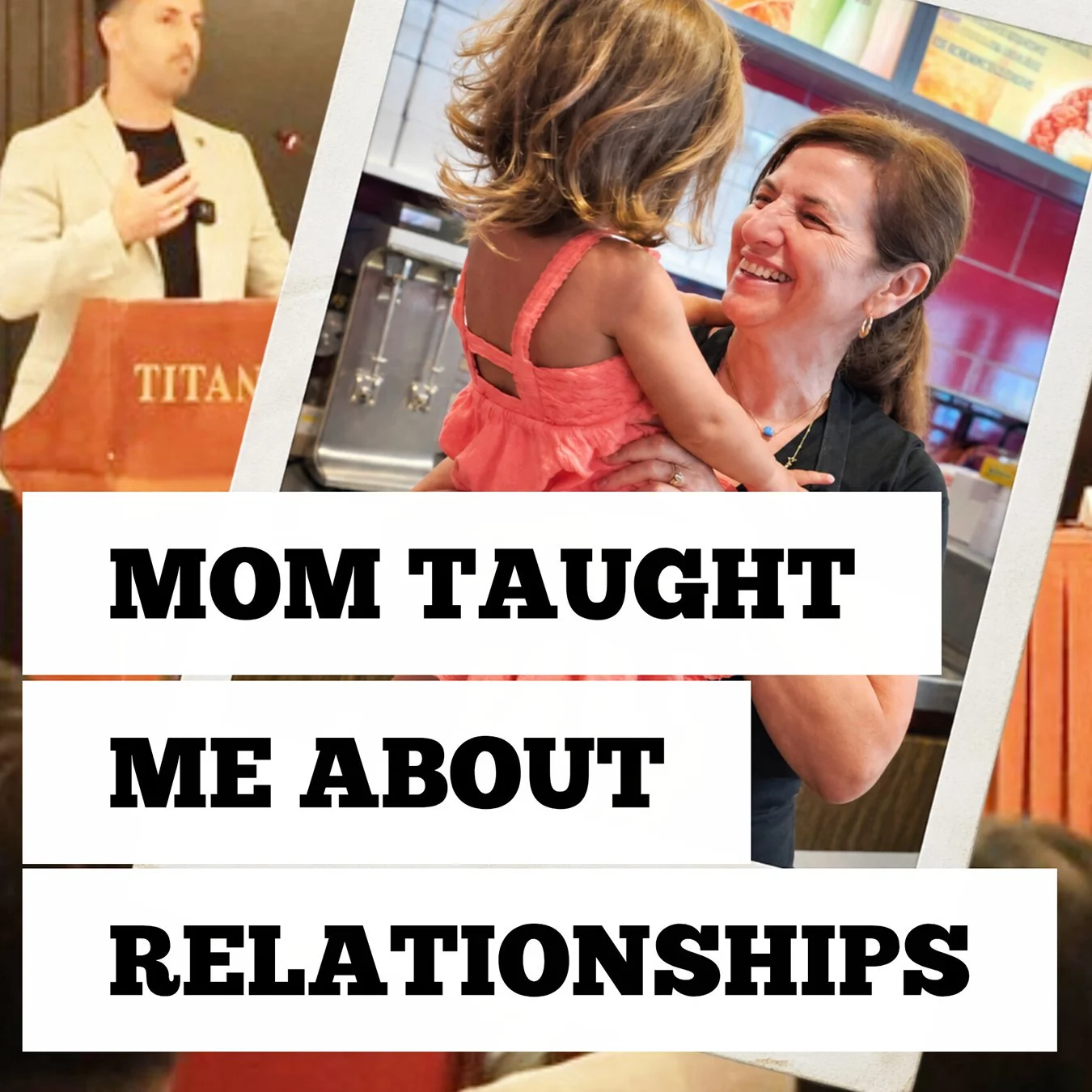
Before I ever learned about sales, leadership, or entrepreneurship, I learned that people may forget what you said - but they'll never forget how you made them feel.
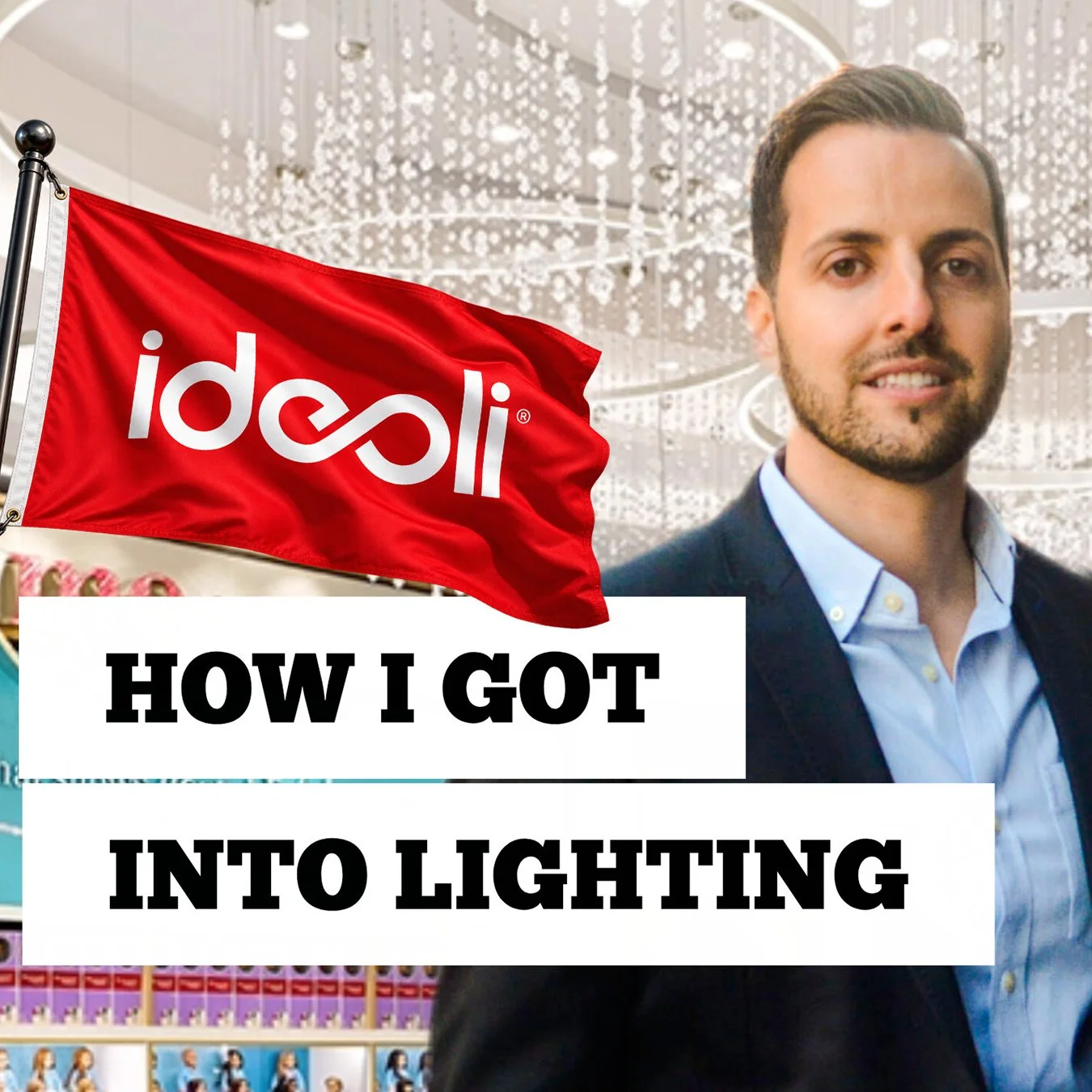
Sometimes the best careers aren't carefully planned - they're the result of curiosity, relationships, and saying yes to opportunities you never expected.

I'm honored to join The Hellenic Initiative's Accelerate Greece program as this year's keynote speaker and to share my journey of building businesses, overcoming adversity, and thinking beyond borders with Greece's next generation of entrepreneurs.
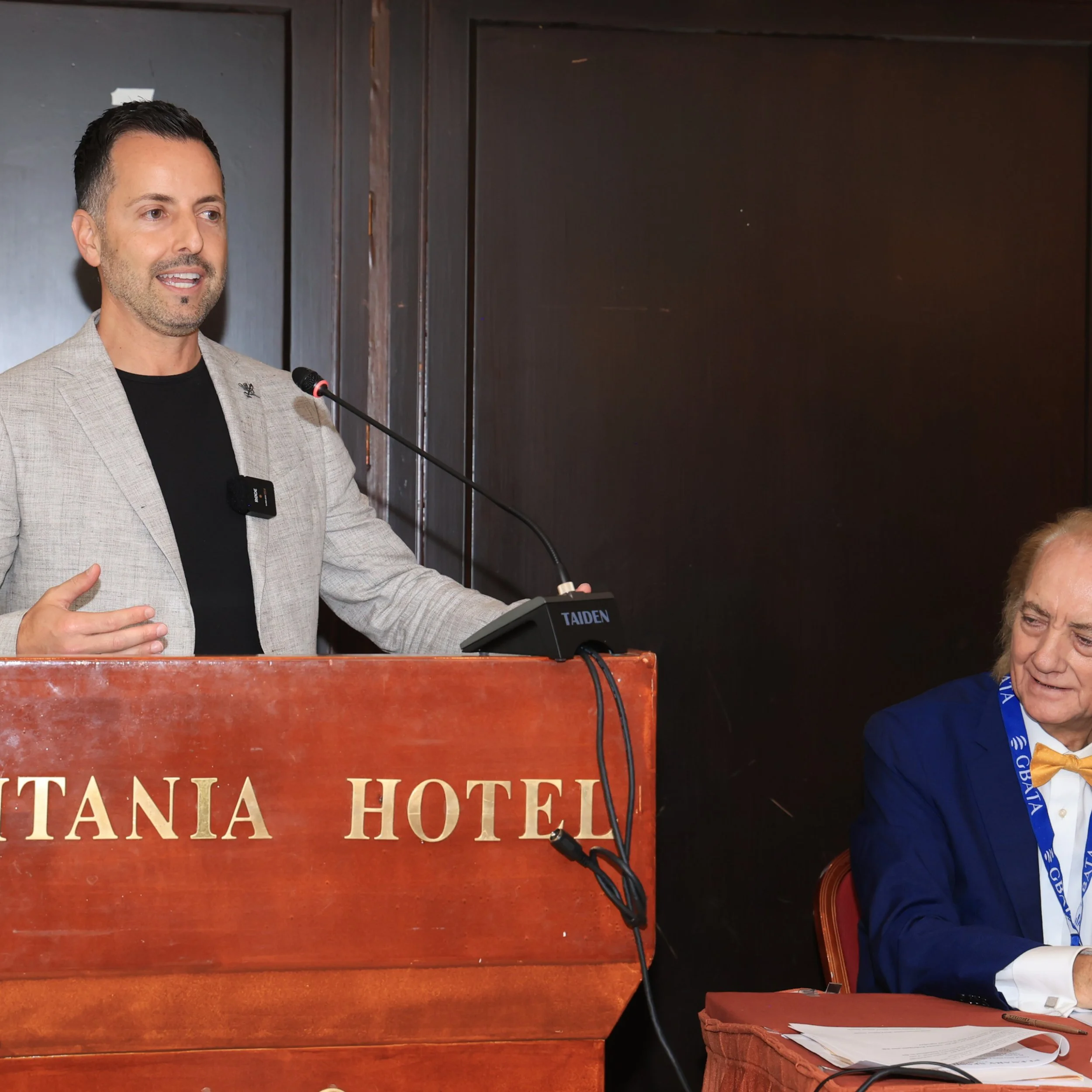
George Stroumboulis, CEO and Co-Founder of Ideoli Group, delivered his Building Beyond Borders keynote at the GBATA 26th Annual International Conference, held at the Titania Hotel in Athens, Greece.
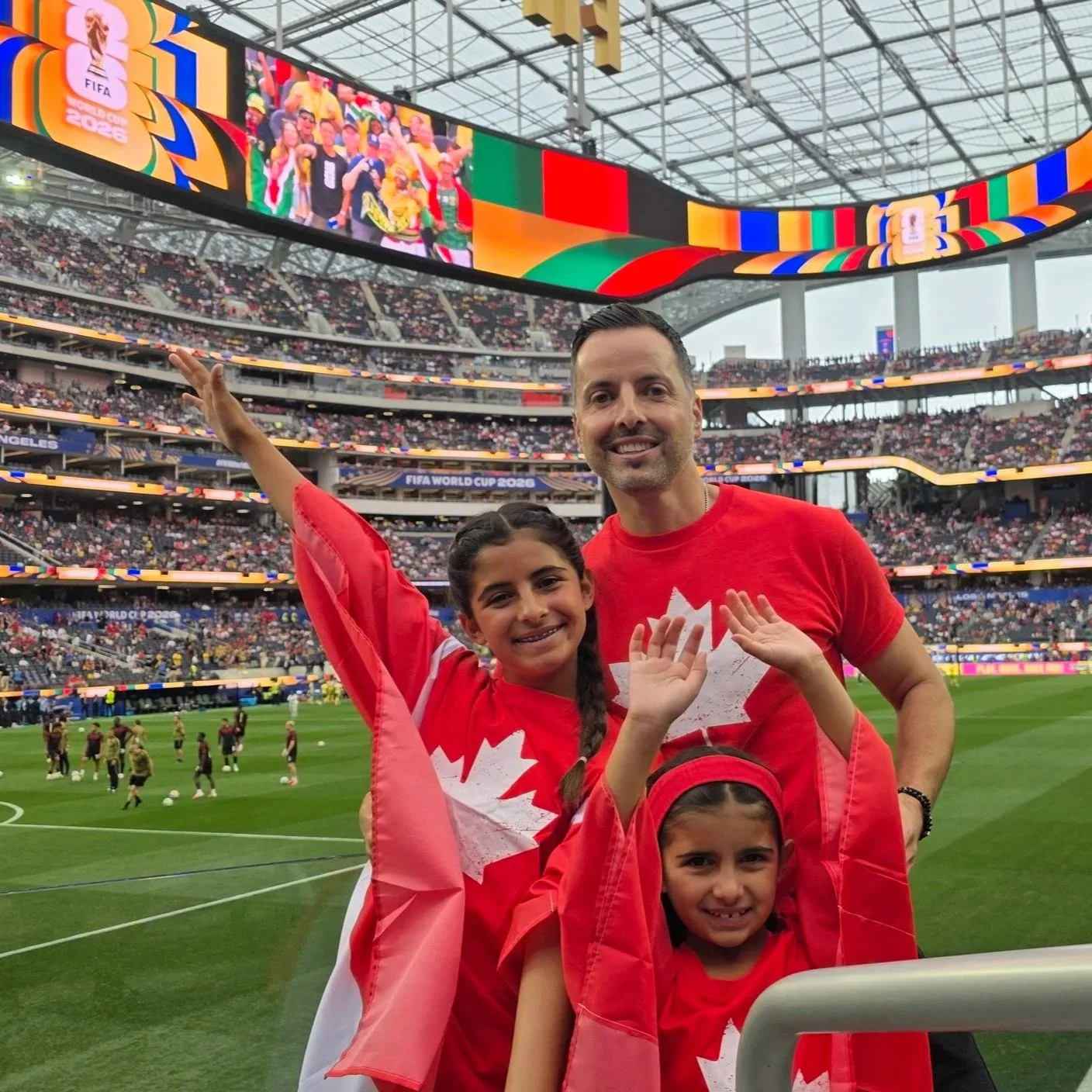
I took my daughters, Demi and Viviana, to SoFi Stadium in Los Angeles to watch Canada take on South Africa in the FIFA Men's World Cup Round of 32.
George Stroumboulis sits down with Alex Kouba, a business forensics expert specializing in uncovering what is really happening inside a company. Filmed in Toronto, Ontario, they discuss how to read a business, identify red flags, uncover hidden value, and understand what truly drives a company's success or failure.